
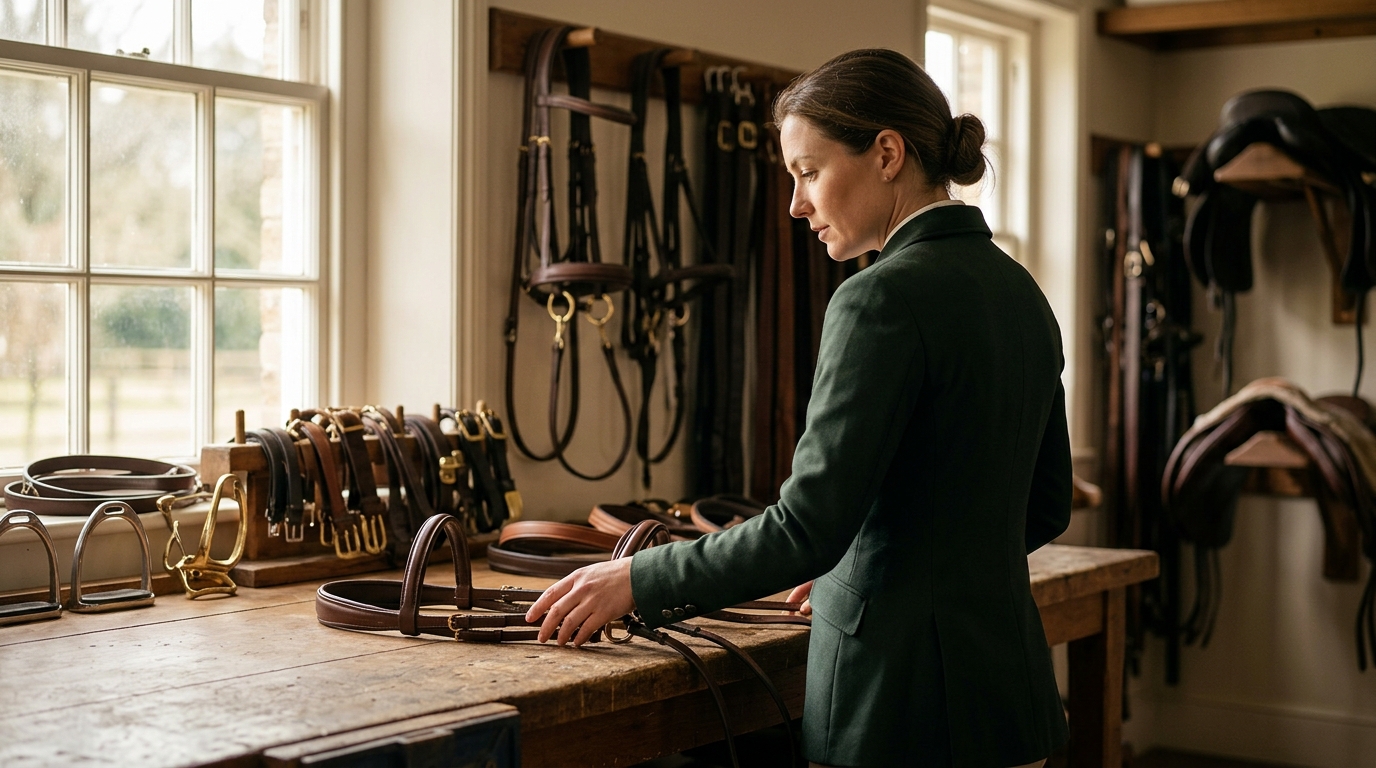
Investing in high-quality horse tack is not merely a matter of aesthetics but a critical component of equine welfare and rider safety. According to recent industry analyses, the global equestrian equipment market is projected to grow significantly, driven by a heightened focus on ergonomic design and durable materials. When selecting gear, riders must look beyond price tags and marketing claims to understand the structural integrity and craftsmanship behind each piece. This guide provides a rigorous framework for evaluating tack brands, ensuring your investment supports both performance and the long-term health of your horse. (Horse Sport)
Understanding Materials and Construction
The foundation of any reliable tack piece lies in its raw materials. High-end brands prioritize full-grain leather, which retains the natural grain and strength of the hide. This type of leather is more durable and breathable than corrected or bonded leather alternatives. When evaluating a brand, inspect the stitching closely. Tight, even stitches using high-tensile thread indicate superior construction. Loose or uneven stitching can lead to premature failure under the stress of riding. (Quiz 8211 Horse Sport)
Hardware quality is equally important. Premium brands use solid brass, nickel-free silver, or high-grade stainless steel buckles and rings. These materials resist corrosion and maintain their structural integrity over time. Inferior brands often use plated metals that chip and rust quickly, potentially causing injury to the horse or rider. Always check for smooth edges on hardware to prevent chafing. For more insights on equipment maintenance, visit our Tack & Equipment section.
Ergonomic Design and Fit
Ergonomics in tack design refers to how well the equipment accommodates the horse's anatomy. Poorly designed tack can cause pain, behavioral issues, and long-term physical damage. A reputable brand will conduct extensive research on equine biomechanics to ensure their products do not restrict movement or pressure sensitive areas. Look for brands that offer detailed fitting guides and size charts specific to their product lines.
Consider the padding and lining materials. High-quality tack features soft, breathable padding that distributes pressure evenly. Memory foam or high-density foam linings are often used in premium saddles and bridles to enhance comfort. Additionally, adjustable features should allow for precise customization to the horse's unique shape. If you are unsure about fit, consult our Training resources for expert advice on proper tack application.
Assessing Brand Reputation and Ethics
A brand's reputation is built on consistency, customer service, and ethical practices. Research the brand's history and values. Do they prioritize animal welfare? Are they transparent about their sourcing and manufacturing processes? Ethical brands often publish their sustainability initiatives and animal welfare policies. Support companies that align with your values and contribute to the equestrian community.
Customer reviews and testimonials provide valuable insights into real-world performance. Look for feedback from riders with similar disciplines and experience levels. Pay attention to comments about customer service responsiveness and warranty claims. A brand that stands behind its products will offer robust warranty and repair services. For more on industry standards and welfare, check out our Equine Welfare articles.
Durability and Longevity Metrics
Durability is a key factor in the total cost of ownership. While high-quality tack may have a higher upfront cost, it often lasts significantly longer than cheaper alternatives. Evaluate the warranty terms offered by the brand. A comprehensive warranty indicates confidence in the product's longevity. Consider the ease of maintenance as well. Tack that is easy to clean and condition will maintain its quality and appearance over time.
Look for brands that offer repair services or sell replacement parts. This extends the life of the product and reduces waste. Some brands even provide leather care kits and conditioning products to help you maintain your tack properly. For tips on leather care and maintenance, explore our Grooming section.
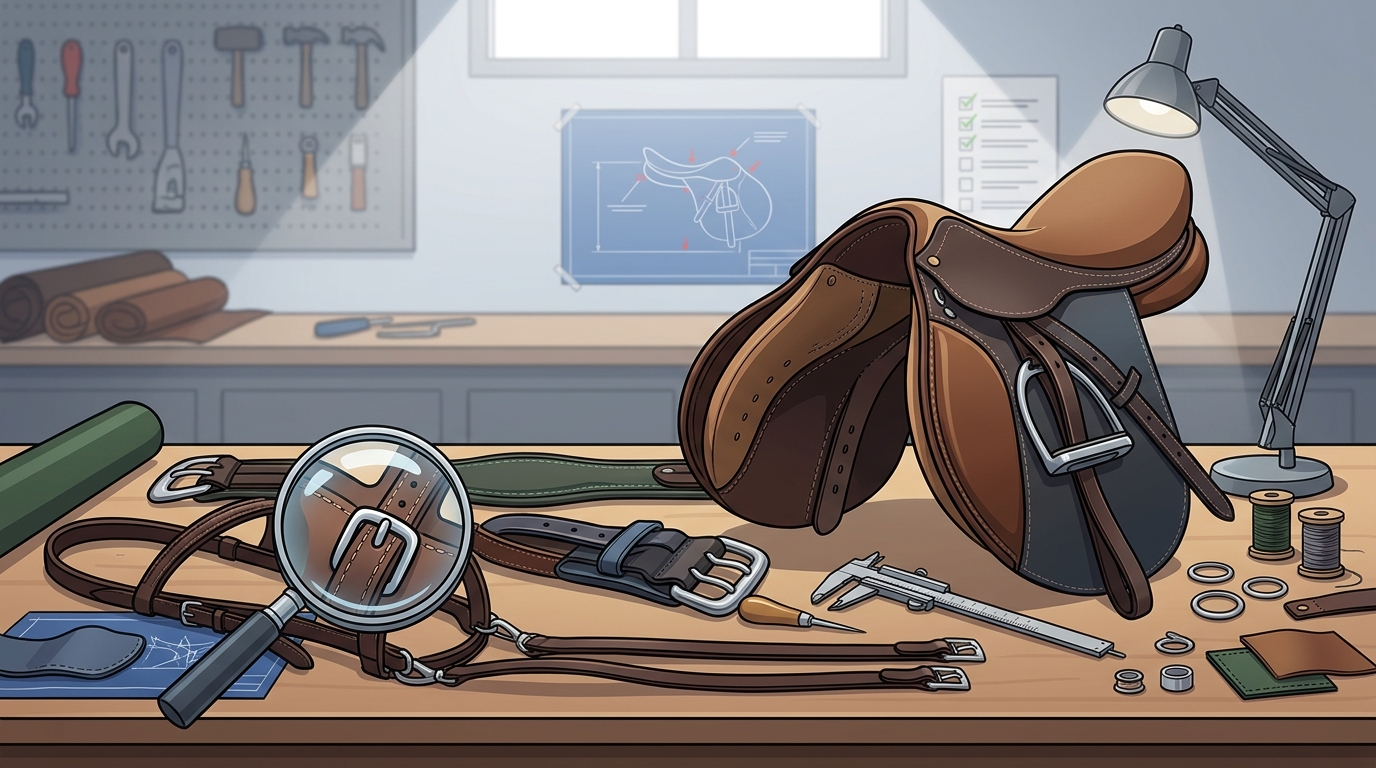
Tack Brand Comparison Overview
The following table summarizes key attributes of different tack brand categories to help you make an informed decision. This comparison focuses on material quality, ergonomic features, and brand ethics.
| Brand Category | Material Quality | Ergonomic Focus | Ethical Standards | Price Range |
|---|---|---|---|---|
| Premium Heritage Brands | Full-grain leather, solid hardware | High, biomechanically tested | Transparent sourcing, strong welfare policies | High |
| Modern Performance Brands | High-tech synthetics, mixed materials | Very High, adjustable fit systems | Varies, check specific brand policies | Medium to High |
| Entry-Level Brands | Corrected leather, plated hardware | Low to Medium, standard fits | Often opaque, limited welfare info | Low to Medium |
| Custom Artisan Brands | Hand-selected hides, bespoke hardware | Customized to individual horse | High, often small-scale ethical production | Very High |
Key Takeaways
- Always prioritize full-grain leather and solid hardware for durability and safety.
- Ergonomic design is critical for preventing pain and behavioral issues in horses.
- Research brand ethics and animal welfare policies before making a purchase.
- Customer reviews and warranty terms are strong indicators of brand reliability.
- High-quality tack may cost more initially but offers better long-term value.
- Regular maintenance and proper care extend the life of your tack significantly.
- Consult with professionals and utilize resources like our Health guides for expert advice.
Frequently Asked Questions
What is the most important factor when buying a saddle?
The most important factor is the fit. A saddle must match the horse's back shape and the rider's anatomy to ensure comfort and performance. Poor fit can cause serious physical issues for both horse and rider.
How do I know if leather tack is genuine?
Genuine leather has a natural smell and texture. It should feel supple but strong. Check for consistent grain and high-quality stitching. Avoid tack that feels plastic-like or has uneven surfaces.
Are synthetic tack options as durable as leather?
Modern synthetic tack can be highly durable and often requires less maintenance. However, it may not offer the same longevity or resale value as high-quality leather. Evaluate based on your specific needs and budget.
What should I look for in a bridle?
Look for a bridle that fits comfortably without pinching. Check the padding around the noseband and poll. Ensure the hardware is smooth and secure. The leather should be soft yet sturdy.
How often should I replace my tack?
There is no fixed timeline. Inspect your tack regularly for signs of wear, such as cracked leather, frayed stitching, or rusted hardware. Replace items that compromise safety or comfort immediately.
Where can I find expert advice on tack fitting?
You can find expert advice in our Training articles and by consulting with certified saddlers or trainers. Our Canadian Stable Directory can also help you find local experts.
Is it worth investing in custom tack?
Custom tack offers a perfect fit and unique design, which can enhance performance and comfort. It is worth the investment if you ride frequently and have specific fit challenges. For more on custom options, visit our Shop.
Contact Us for Expert Advice
Evaluating horse tack brands requires careful consideration of materials, design, and ethics. By following this guide, you can make informed decisions that benefit both you and your horse. For personalized advice or to explore our curated selection of high-quality tack, visit our Shop or contact us directly. Your horse deserves the best, and so do you.