
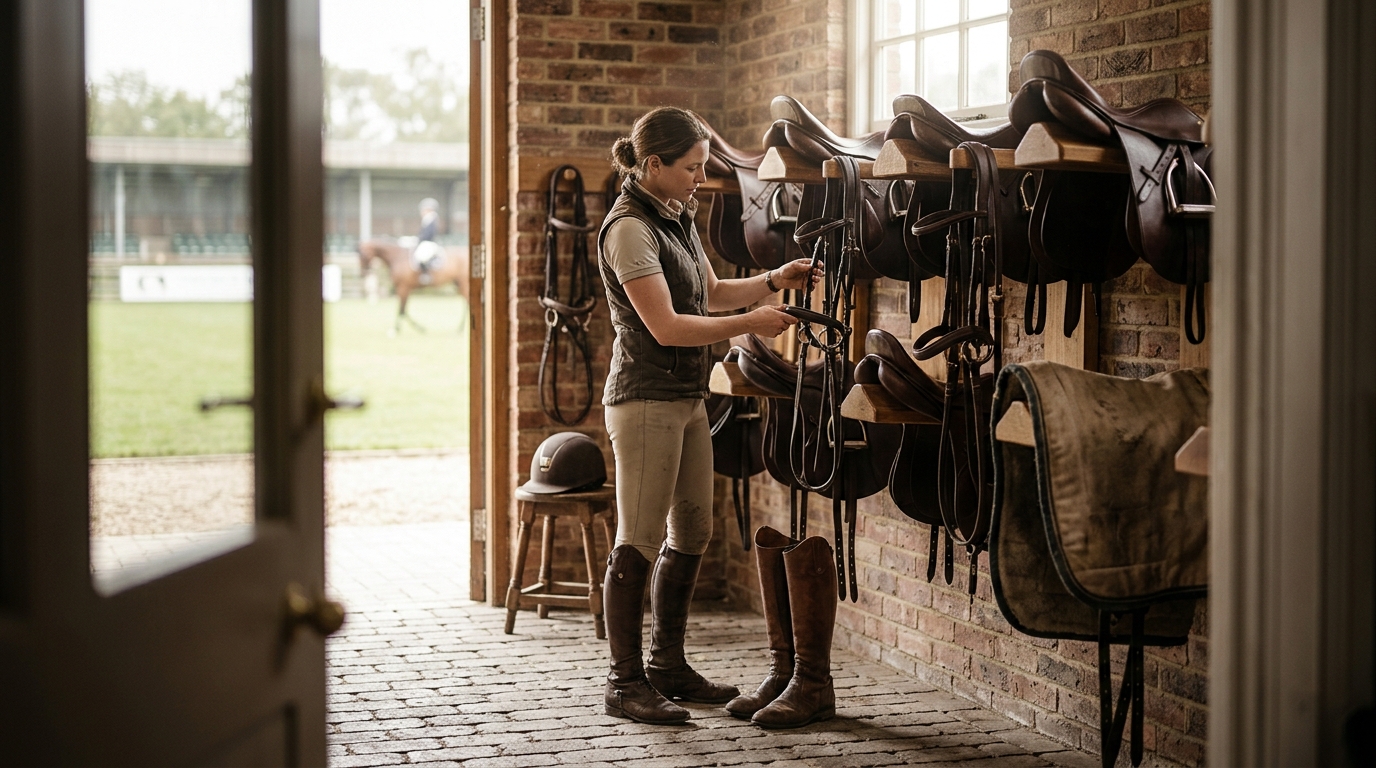
Investing in high-quality horse tack is not merely a matter of aesthetics but a critical component of equine welfare and rider safety. According to recent industry analyses, the global equestrian equipment market is projected to grow significantly, driven by a shift toward premium, durable goods that withstand rigorous training environments. When evaluating different horse tack brands, you must look beyond the price tag and examine the foundational elements of craftsmanship, material sourcing, and brand reputation. This guide provides a structured approach to identifying superior tack that supports your horse's comfort and your performance goals.
Understanding Materials: Leather vs. Synthetic
The first step in evaluating any tack brand is understanding the materials they use. Leather is a natural material that requires regular maintenance but offers superior durability and moldability over time. High-end brands typically use full-grain leather, which retains the natural grain and strength of the hide. When inspecting leather tack, look for a smooth, even texture without excessive plasticity or stiffness. Cheap leather often feels like plastic and will crack under the stress of competition.
Synthetic tack has gained popularity due to its ease of care and lower upfront cost. However, not all synthetics are created equal. Premium synthetic brands use high-density nylon or neoprene blends that resist stretching and water absorption. When evaluating synthetic options, check the stitching density and the quality of the buckles. Inferior synthetics may fade quickly or lose their structural integrity after repeated washing.
For a deeper dive into tack care, explore our resources on Tack & Equipment to learn how proper maintenance extends the life of your gear.
Construction Standards and Hardware
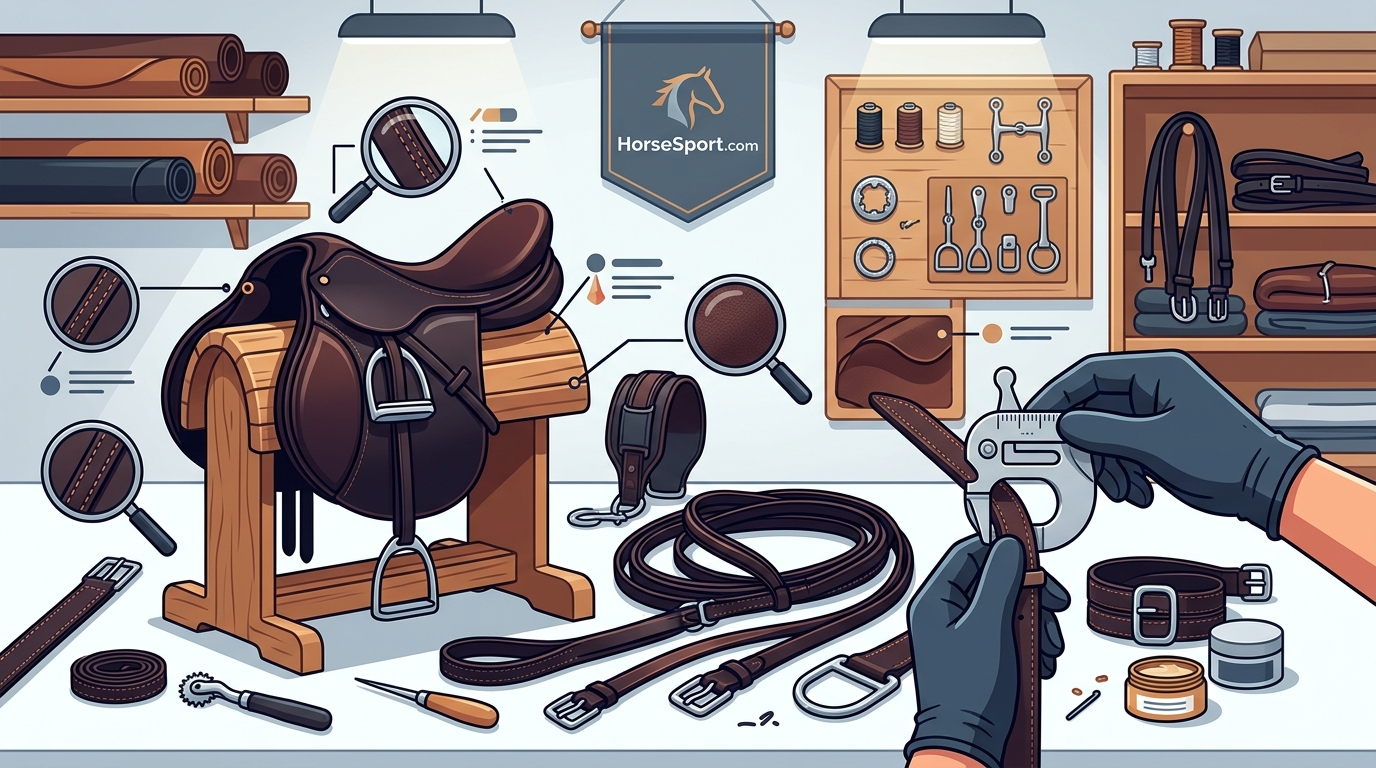
Construction quality is the differentiator between tack that lasts a season and tack that lasts a decade. Examine the stitching closely. High-quality brands use tight, even stitching with reinforced stress points. The thread should be waxed or synthetic to resist rotting and breaking. Loose threads or uneven spacing are immediate red flags indicating poor quality control.
Hardware is another critical factor. Buckles, rings, and D-rings should be made from solid metal, such as stainless steel or nickel-plated brass. Avoid tack with hollow or stamped metal hardware, as these can bend or break under pressure. The hardware should also be smooth to prevent chafing the horse's skin or the rider's hands. Hardware integrity is essential for safety, as a broken buckle during a jump can lead to serious accidents.
Consider visiting the Canadian Stable Directory to find local tack shops where you can physically inspect hardware and stitching before making a purchase.
Brand Heritage and Industry Reputation
Brand heritage often correlates with consistent quality. Established brands have spent decades refining their patterns and sourcing materials. They are also more likely to have a history of sponsoring top-level athletes, which serves as a real-world stress test for their products. When researching a brand, look for their involvement in major equestrian events. Brands that support FEI-sanctioned competitions are typically held to higher standards of performance and durability.
Read reviews from professional riders and trainers, not just casual enthusiasts. Professionals use their tack daily in demanding conditions, so their feedback is more indicative of long-term durability. Check for any recalls or widespread complaints about specific product lines. A brand that stands behind its products with a strong warranty or repair service is often a safer investment.
Stay updated on industry trends and brand news by following Horse Sport, the voice of equestrian competition in Canada.
Fit, Comfort, and Equine Welfare
The ultimate test of tack quality is how it feels on the horse. Poorly designed tack can cause pain, behavioral issues, and long-term physical damage. Evaluate the padding in saddles and the width of girths and breastplates. High-quality brands prioritize ergonomic design to distribute pressure evenly across the horse's body. Equine welfare is paramount, and tack that causes discomfort can compromise the horse's performance and trust.
Look for tack that is adjustable and adaptable to different horse shapes. A good brand will offer multiple width options for gullets, bars, and billets. When trying on tack, ensure there is no pinching or rubbing. The leather or material should be supple enough to conform to the horse without being so soft that it lacks support.
For insights on horse health and welfare, read our articles on Health and Equine Welfare.
Comparing Top Tack Brands
The following table summarizes key attributes of well-regarded tack brands in the market. This comparison is based on general industry reputation and material standards.
| Brand Category | Material Focus | Price Range | Best For | Key Feature |
|---|---|---|---|---|
| Premium Leather | Full-Grain Leather | High | Professional Competition | Custom Fit Options |
| Mid-Range Leather | Top-Grain Leather | Medium | Amateur Competitors | Durability |
| Premium Synthetic | High-Density Nylon | Medium-High | Traveling Riders | Weather Resistance |
| Budget Synthetic | Standard Nylon | Low | Beginners | Low Maintenance |
Key Takeaways
- Material Quality: Full-grain leather and high-density synthetics are the gold standards for durability.
- Hardware Integrity: Solid metal buckles and rings are essential for safety and longevity.
- Stitching Standards: Tight, even stitching with reinforced stress points indicates superior construction.
- Brand Reputation: Established brands with FEI sponsorships often reflect higher quality control.
- Equine Comfort: Ergonomic design and proper fit are critical for horse welfare and performance.
- Maintenance Needs: Leather requires regular care, while synthetic offers easier upkeep.
- Professional Feedback: Reviews from pro riders provide the most accurate durability assessments.
Frequently Asked Questions
What is the difference between full-grain and top-grain leather?
Full-grain leather retains the original grain and is more durable, while top-grain leather is sanded and finished, making it softer but less resistant to wear.
How often should I replace my horse tack?
With proper care, high-quality leather tack can last 5 to 10 years. Synthetic tack may need replacement every 2 to 3 years depending on usage.
Is synthetic tack as durable as leather?
Premium synthetic tack is highly durable and resistant to weather, but it does not mold to the horse's body like leather does over time.
What should I look for in tack hardware?
Look for solid, smooth metal hardware that is rust-resistant and securely attached to the leather or synthetic material.
How do I ensure tack fits my horse correctly?
Measure your horse's girth, wither, and back dimensions. Consult the brand's sizing chart and ensure there is adequate clearance and padding.
Why is brand heritage important in tack?
Established brands have a history of refining their designs and are more likely to adhere to high-quality standards and safety regulations.
Where can I find local tack shops?
You can use the Canadian Stable Directory to find reputable tack retailers in your area.
Contact Horse Sport for Expert Advice
Evaluating horse tack brands requires a keen eye for detail and a commitment to equine welfare. By focusing on materials, construction, and brand reputation, you can make informed decisions that enhance your riding experience. For more expert advice on tack, equipment, and equestrian news, visit Horse Sport or contact us directly.