
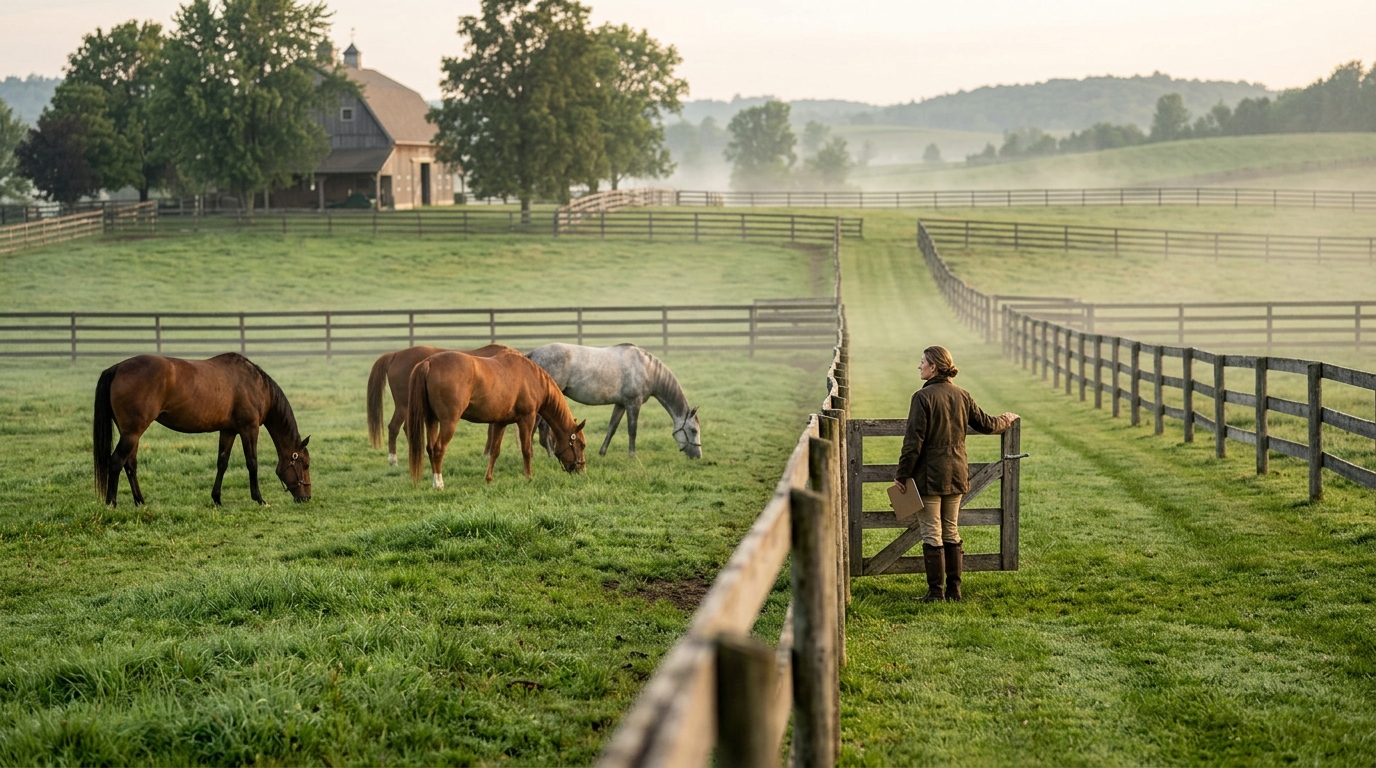
Healthy pastures are the foundation of equine wellness, yet they are often the most neglected component of farm management. According to recent agricultural data, well-managed grazing lands can reduce feed costs by up to 60% while significantly improving soil health and biodiversity. This guide outlines the essential strategies for maintaining lush, safe, and productive grazing areas for your herd. (Quiz 8211 Horse Sport)
The Science of Pasture Management
Effective pasture management begins long before the first horse steps onto the grass. It starts with understanding the soil ecosystem. Pasture management is the systematic practice of maintaining grassland health to optimize forage quality and quantity for livestock. This involves monitoring soil pH, nutrient levels, and plant species diversity.
Soil health is directly linked to forage nutrition. When soil is depleted of essential nutrients like nitrogen, phosphorus, and potassium, grass growth slows, and weeds begin to invade. A robust soil structure also retains water more effectively, reducing the impact of droughts. Regular aeration and topdressing can help maintain this structure, ensuring that roots penetrate deeply and access moisture during dry spells.
For Canadian horse owners, understanding the local climate is crucial. The Farm Management section of Horse Sport provides region-specific advice on seasonal transitions. In regions with heavy snowfall, early spring aeration helps prevent thatch buildup, which can smother new grass growth. Conversely, in drier climates, focusing on drought-resistant grass varieties ensures year-round coverage.
Implementing Effective Grazing Rotations
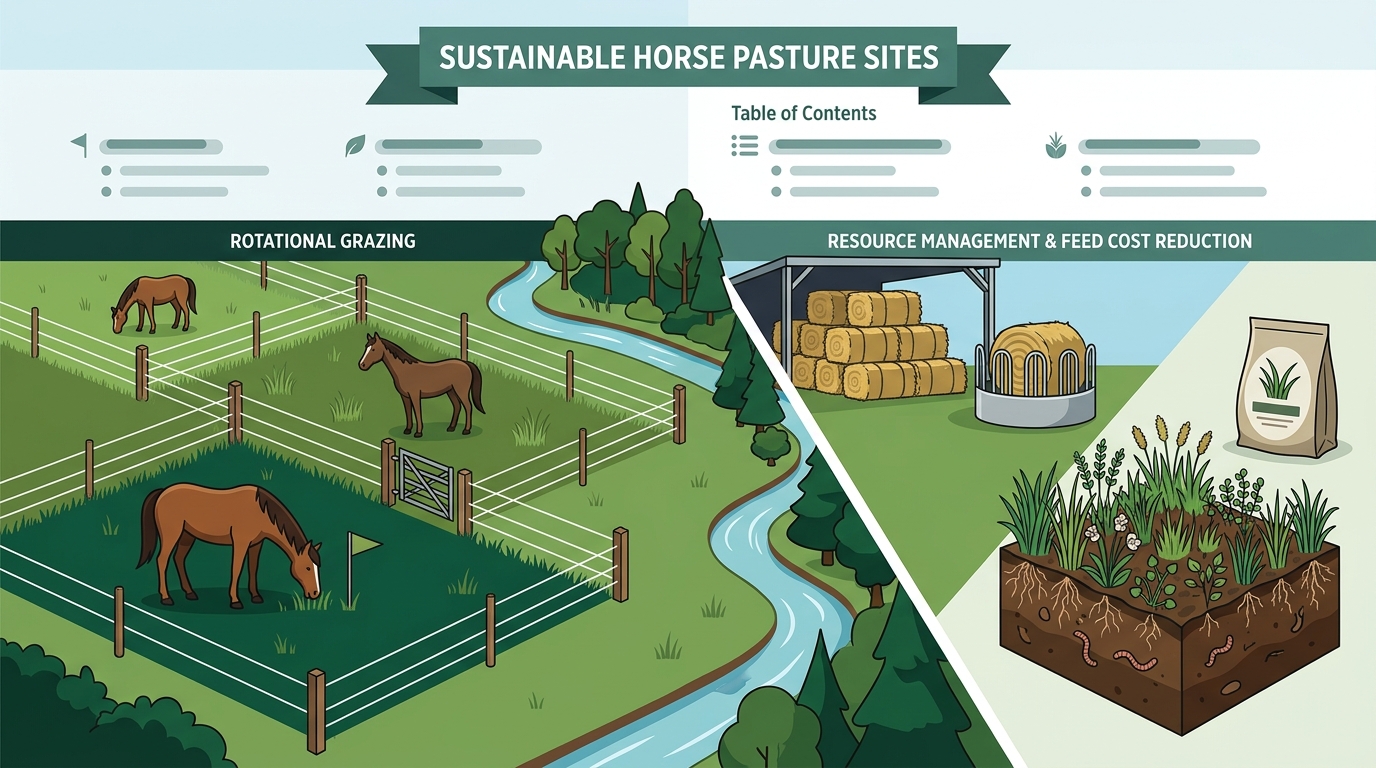
One of the most critical practices for pasture health is rotational grazing. This method involves dividing pastures into smaller paddocks and rotating horses through them. This approach allows grass plants to recover fully between grazing periods, promoting deeper root systems and stronger regrowth.
The Recovery Period
Grass needs time to replenish its energy reserves after being grazed. A general rule of thumb is to allow grass to grow to at least six inches before grazing and to remove horses when the grass is down to three inches. This "leave enough, take some" principle ensures that the grass crown remains intact and can regrow quickly.
Paddock Size and Stocking Density
The size of your paddocks should be determined by the number of horses and the quality of the forage. Overgrazing leads to soil erosion, weed invasion, and parasite buildup. By rotating horses, you break the life cycle of internal parasites, as the larvae are exposed to sunlight and unable to survive on bare ground.
For more insights on horse behavior and health, explore the Behaviour and Health sections on Horse Sport. Understanding how horses interact with their environment can help you design paddocks that encourage natural movement and reduce stress.
Weed Control and Toxic Plant Identification
Weeds compete with grass for nutrients and water, reducing forage quality. Some weeds are also toxic to horses, posing serious health risks. Identifying and managing these plants is a key component of pasture safety.
Common Toxic Plants
Common toxic plants in North American pastures include ragwort, foxglove, and nightshade. Ragwort, in particular, is highly toxic and can cause liver damage if ingested. Early detection and removal are essential. Hand-pulling small infestations is effective, but for larger areas, targeted herbicide application may be necessary.
Integrated Weed Management
Integrated weed management combines mechanical, chemical, and biological controls. Maintaining a dense, healthy grass sward is the best defense against weeds, as it leaves little room for invasive species to establish. Regular mowing can also help prevent weeds from going to seed.
For detailed information on equine welfare and safety, refer to the Equine Welfare resources provided by Horse Sport. Staying informed about local weed regulations and control methods can help you maintain a safe grazing environment.
Drainage and Water Source Maintenance
Poor drainage can lead to muddy patches, soil compaction, and the spread of parasites. Ensuring proper drainage is essential for pasture longevity and horse health.
Addressing Mud and Compaction
Muddy areas are often the result of poor drainage or overgrazing near water sources. Installing gravel tracks or using geotextile fabrics can help improve drainage in high-traffic areas. Rotating horses away from these zones during wet seasons can also reduce damage.
Clean Water Access
Clean, fresh water is vital for horse health. Regularly inspect water troughs and streams for algae, debris, and contamination. Ensuring that water sources are accessible from all paddocks encourages even grazing and prevents overgrazing in specific areas.
For tips on maintaining a healthy environment for your horses, check out the Farm Management articles on Horse Sport. Proper water management is a critical aspect of overall farm hygiene.
Fertilization and Soil Testing
Regular soil testing is the cornerstone of effective fertilization. It provides a clear picture of nutrient levels and pH, allowing for targeted amendments.
Interpreting Soil Tests
Soil tests should be conducted annually, preferably in the fall. The results will indicate the need for lime, phosphorus, potassium, and other micronutrients. Applying lime can help raise pH levels, making nutrients more available to grass plants.
Organic vs. Synthetic Fertilizers
Both organic and synthetic fertilizers have their place in pasture management. Organic options, such as compost or manure, improve soil structure and microbial activity. Synthetic fertilizers provide quick nutrient boosts but require careful application to avoid runoff.
For guidance on sustainable farming practices, explore the Farm Management section on Horse Sport. Balancing nutrient inputs with pasture needs ensures long-term productivity without harming the environment.
Key Takeaways
- Rotational Grazing: Divide pastures into smaller paddocks to allow grass recovery and break parasite cycles.
- Soil Health: Conduct annual soil tests to monitor pH and nutrient levels, adjusting amendments accordingly.
- Weed Management: Identify and remove toxic plants like ragwort promptly to ensure horse safety.
- Drainage: Address muddy areas with gravel or geotextile fabrics to prevent soil compaction and erosion.
- Water Quality: Maintain clean, accessible water sources to encourage even grazing and hydration.
- Seasonal Care: Adapt management practices to local climate conditions, such as early spring aeration in snowy regions.
- Community Resources: Utilize resources like Horse Sport's Canadian Stable Directory for local expertise and support.
Frequently Asked Questions
How often should I rotate my horses to new paddocks?
The frequency of rotation depends on grass growth rates and weather conditions. Generally, rotate horses when grass is down to three inches or every two to four weeks during the growing season.
What is the best time of year to aerate pastures?
Early spring is ideal for aeration in colder climates to prevent thatch buildup. In warmer regions, late summer or early fall may be better to allow recovery before winter.
How can I identify toxic plants in my pasture?
Learn to recognize common toxic plants like ragwort, foxglove, and nightshade. Regular pasture walks and consulting local agricultural extension services can help with identification.
Is organic fertilizer better than synthetic for pastures?
Both have benefits. Organic fertilizers improve soil structure, while synthetic ones provide quick nutrient boosts. A balanced approach often yields the best results.
How do I improve drainage in muddy areas?
Install gravel tracks, use geotextile fabrics, or rotate horses away from wet areas during rainy seasons to reduce compaction and improve drainage.
What role does pH play in pasture health?
pH affects nutrient availability. Most grasses prefer a pH between 6.0 and 7.0. Lime can be added to raise pH if it is too low.
How can I prevent weed invasion in my pastures?
Maintain a dense grass sward through proper grazing and fertilization. Regular mowing and targeted weed control can also help prevent invasion.
Where can I find more resources on horse farm management?
Horse Sport offers a wealth of articles on Farm Management, Health, and Behaviour. Visit our Shop for additional resources and tools.
Contact Horse Sport
For more expert advice on horse care, farm management, and equine wellness, visit Horse Sport. Our comprehensive resources and community support can help you maintain a healthy, thriving environment for your horses.