

Investing in high-quality horse tack is not merely a matter of aesthetics but a critical component of equine welfare and rider safety. Recent industry analyses indicate that improper tack fit is responsible for approximately 20% of behavioral issues in competitive horses, according to data from the Equine Welfare Foundation. When you evaluate different horse tack brands, you are essentially deciding between long-term performance and potential injury. This guide provides a rigorous framework for assessing leather quality, hardware durability, and brand integrity to ensure your investment supports both your horse's comfort and your competitive success.
Understanding Materials: Leather vs. Synthetic
The foundation of any tack evaluation begins with the raw materials. The two primary categories are full-grain leather and high-performance synthetics. Each serves distinct purposes in the equestrian marketplace.
Full-Grain Leather Standards
Full-grain leather is the gold standard for durability and longevity. Full-grain leather is a material derived from the top layer of the hide, retaining the natural grain and fiber structure for maximum strength. When evaluating brands, look for terms like "vegetable-tanned" or "chrome-free." Vegetable-tanned leather is stiffer initially but molds to the horse over time, providing a custom fit. Chrome-tanned leather is softer and more water-resistant but may lack the structural rigidity required for heavy jumping or dressage work.
Reputable brands often source their leather from specific tanneries known for ethical and sustainable practices. For instance, many premium Canadian tack makers prioritize local sourcing to reduce carbon footprints, a trend highlighted in recent sustainability reports from the Canadian Equestrian Federation.
Synthetic Alternatives
Synthetic tack has evolved significantly. Synthetic tack refers to equipment made from polymers and composites designed to mimic leather properties while offering enhanced water resistance and lower maintenance. Brands like Wintec and Pony of Oakhaven have pioneered materials that are lightweight and easy to clean. However, synthetics generally have a shorter lifespan than high-quality leather and may not provide the same level of grip or comfort for sensitive horses.
If you are looking for specific synthetic options, you can explore the Horse Sport Shop for curated selections that meet rigorous safety standards.
Hardware Durability and Safety Standards
Hardware is the mechanical heart of your tack. Buckles, billets, and D-rings must withstand significant force without failing. The failure of a single buckle during a jump can lead to catastrophic injury.
Material Composition
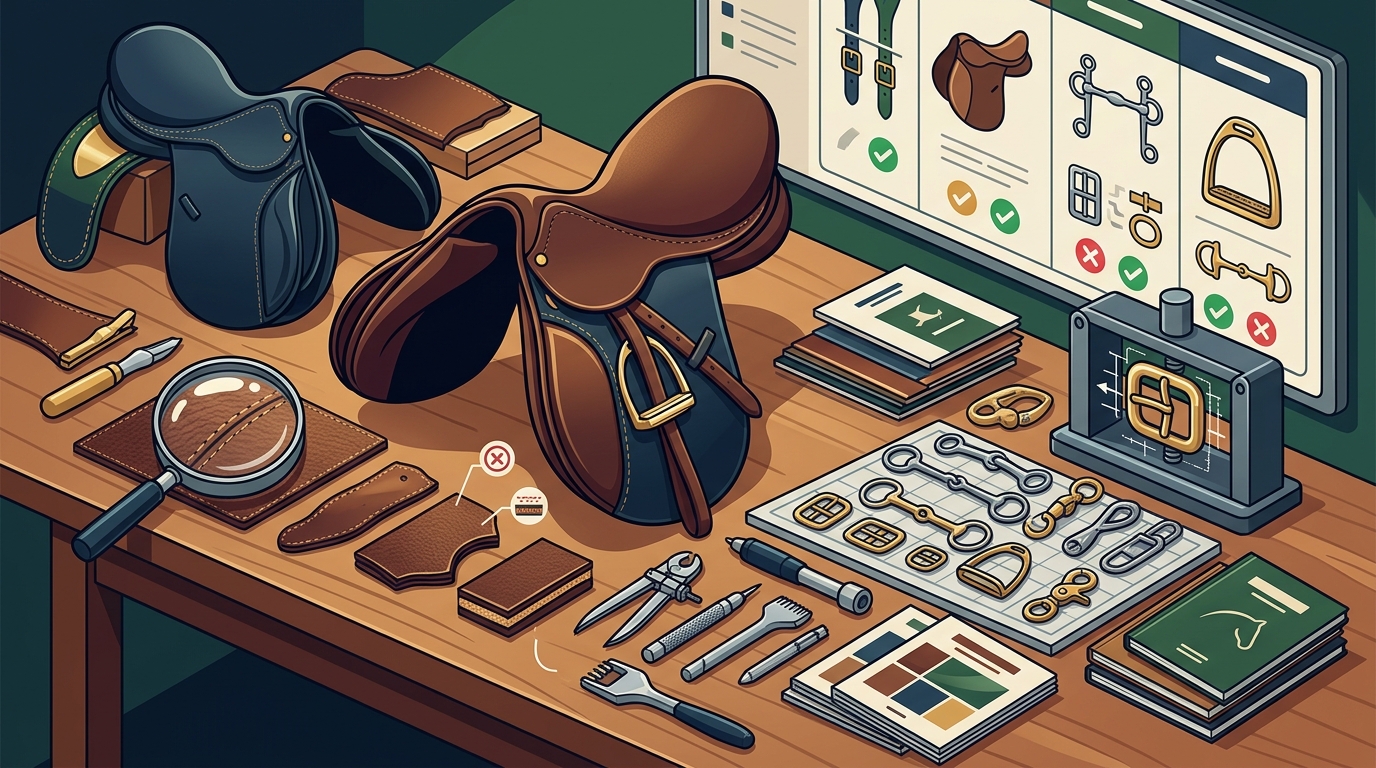
High-end brands use nickel-free brass, stainless steel, or hardened aluminum. Nickel-free hardware is essential for preventing allergic reactions in both the horse and the rider. When inspecting a brand's catalog, check if they specify the metal type. Cheap, plated hardware will chip and rust quickly, compromising safety.
Stitching Integrity
Hardware is only as strong as the stitching holding it. Look for double or triple stitching around stress points. The thread should be heavy-duty nylon or polyester, not standard cotton. Brands that invest in reinforced stitching often provide warranties that reflect their confidence in their construction methods.
For more insights on tack maintenance and safety, read our article on Tack & Equipment best practices.
Fit and Construction Methodologies
Even the most expensive tack is useless if it does not fit the horse. Evaluation must include an assessment of the brand's approach to ergonomics and adjustability.
Ergonomic Design
Modern tack brands are increasingly adopting ergonomic designs based on equine anatomy. Ergonomic tack design is the practice of shaping equipment to align with the horse's musculature and skeletal structure to prevent pressure points. Look for brands that offer contoured girths, padded panels, and adjustable billets that allow for precise fitting.
For example, dressage saddles from brands like Schuett or Wintec often feature specific tree widths and panel shapes designed to distribute weight evenly. You can find detailed reviews of these brands in our Review Section.
Adjustability and Longevity
A quality brand provides tack that grows with the horse. Billets should be adjustable in multiple positions. Girths should have multiple holes and straps. This adaptability extends the usable life of the equipment, making it a more cost-effective investment.
Assessing Brand Reputation and Heritage
Brand reputation is a proxy for consistency and customer support. In the equestrian world, heritage often correlates with reliability.
Historical Performance
Brands with over 50 years of operation, such as those featured in Horse Sport Profiles, have survived market shifts by maintaining quality standards. These brands often have established relationships with professional riders and trainers who provide real-world feedback.
Community Trust
Look for brands that are endorsed by recognized equestrian organizations. The Federation Equestre Internationale (FEI) sets strict rules for tack in competition. Brands that comply with FEI regulations are inherently vetted for safety and fairness. According to FEI regulations, tack must not cause discomfort or injury to the horse, a standard that reputable manufacturers exceed.
Customer Service and Warranty
A strong warranty indicates a brand's confidence in its products. Check the terms of the warranty. Does it cover manufacturing defects? Is it transferable? Brands like Canadian Stable Directory partners often offer superior after-sales support, including repair services.
Tack Brand Comparison Matrix
The following table summarizes key attributes of leading tack brands to assist in your evaluation process.
| Brand Category | Primary Material | Best For | Price Range | Key Feature |
|---|---|---|---|---|
| Premium Leather | Full-Grain Vegetable-Tanned | Dressage, Show Jumping | High | Custom Fit & Longevity |
| High-End Synthetic | Polymers/Composites | Training, Trail Riding | Medium | Water Resistance |
| Entry-Level Leather | Split Leather | Beginners | Low | Affordability |
| Specialty Equipment | Mixed Materials | Therapeutic/Rehab | Variable | Ergonomic Design |
Key Takeaways
- Material Matters: Full-grain leather offers superior durability and moldability compared to synthetic alternatives.
- Hardware Safety: Always choose nickel-free brass or stainless steel hardware to prevent corrosion and allergic reactions.
- Ergonomic Fit: Look for contoured designs that align with equine anatomy to prevent pressure points.
- Brand Heritage: Brands with over 50 years of history often provide more reliable quality and customer support.
- FEI Compliance: Ensure all tack meets Federation Equestre Internationale standards for competitive safety.
- Warranty Terms: A comprehensive warranty reflects a manufacturer's confidence in their construction methods.
- Maintenance: Regular cleaning and conditioning are essential to extend the life of any tack brand.
Frequently Asked Questions
How often should I replace my horse tack?
Leather tack can last 10 to 20 years with proper care, while synthetic tack typically lasts 3 to 5 years. Inspect for cracks, rust, and worn stitching regularly.
What is the difference between vegetable-tanned and chrome-tanned leather?
Vegetable-tanned leather is stiffer and molds to the horse, while chrome-tanned leather is softer and more water-resistant but less durable.
Why is nickel-free hardware important?
Nickel-free hardware prevents allergic reactions in horses and riders and resists corrosion better than standard nickel-plated metal.
How do I know if a tack brand is reputable?
Look for brands with long-standing heritage, FEI compliance, and positive reviews from professional trainers and riders.
Can I use synthetic tack for competition?
Yes, many synthetic brands are FEI compliant, but you must check specific rules for your discipline.
What is the best way to clean leather tack?
Use a damp cloth to remove dirt, followed by a dedicated leather cleaner and conditioner. Avoid soaking the leather.
How does tack fit affect horse behavior?
Poorly fitting tack can cause pain and behavioral issues, such as resistance, bucking, or reluctance to move forward.
Find Premium Tack and Stables
Evaluating horse tack brands requires a keen eye for detail and a commitment to your horse's welfare. By prioritizing material quality, hardware durability, and ergonomic fit, you can make informed decisions that enhance your riding experience. Explore our Shop for premium tack options and visit the Canadian Stable Directory to connect with top-tier trainers and facilities. Your horse deserves the best, and so do you.