
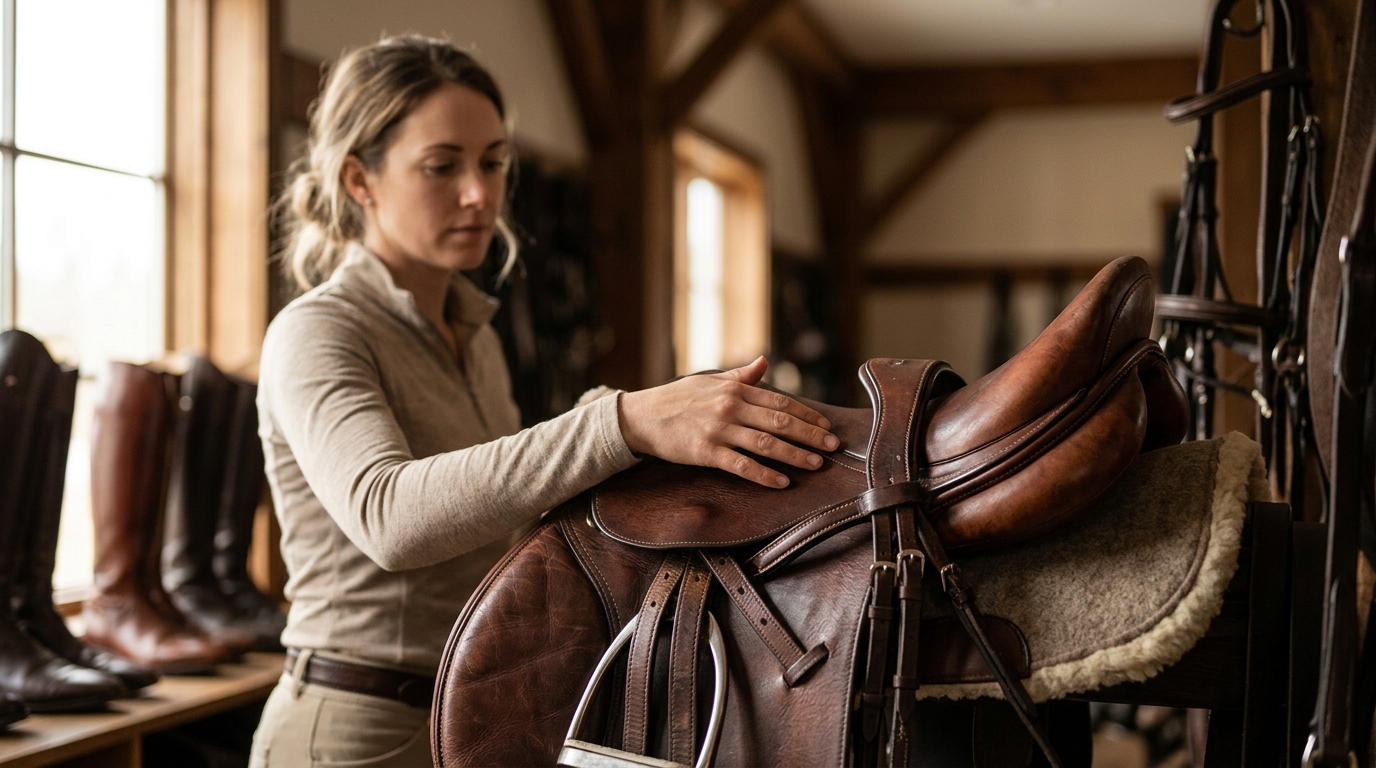
Evaluating horse tack is not merely about aesthetics. It is a critical safety protocol that directly impacts the welfare of your animal and the effectiveness of your training. According to recent industry data, improper tack fit is cited as a primary contributor to behavioral issues in over 30% of cases reported by equine behaviorists. This statistic underscores why understanding the construction, materials, and brand reputation of your equipment is non-negotiable for responsible ownership.
Material Analysis and Leather Grades
The foundation of any high-quality tack piece is its raw material. When evaluating brands, you must look beyond the glossy finish of a new product. Genuine leather is the gold standard for durability and flexibility, but not all leather is created equal. You need to understand the difference between full-grain, top-grain, and corrected leather.
Full-grain leather retains the original grain structure, making it the most durable and breathable option. It develops a patina over time rather than cracking. Top-grain leather has been sanded to remove imperfections, offering a smoother look but slightly less durability. Corrected leather is heavily processed and often coated, which can lead to peeling and cracking within a few years of heavy use.
When inspecting a brand's offerings, check their product descriptions for specific terminology. Reputable brands will explicitly state if they use full-grain leather. If a brand uses synthetic materials, they should justify this choice with performance benefits, such as water resistance or ethical considerations, rather than cost-cutting. For a deeper understanding of material science, you can explore leather care techniques that preserve the integrity of these materials.
Construction Standards and Stitching
Construction quality is the silent indicator of a brand's commitment to safety. High-end tack brands utilize specific stitching patterns and hardware that can withstand the dynamic forces of riding. The most critical area to inspect is the stitching density and thread type.
Look for tight, even stitching with no loose threads. High-quality brands often use bonded nylon or polyester thread, which is significantly stronger than standard cotton thread. The stitching should be angled to distribute tension evenly across the leather. If you notice wide gaps between stitches or uneven tension, the tack is likely to fail under stress.
Hardware is another vital component. Buckles, D-rings, and billets should be made from high-grade stainless steel or nickel-free brass to prevent rust and skin irritation. Cheap zinc alloys will corrode quickly and may snap under pressure. Always test the movement of buckles and the strength of rivets. For insights on hardware durability, refer to professional tack maintenance guides.
Fit and Comfort Metrics
Quality is meaningless if the tack does not fit correctly. A well-made saddle that fits poorly can cause physical pain and behavioral resistance in your horse. Evaluating fit requires a systematic approach to pressure distribution and anatomical clearance.
For saddles, the tree width must match your horse's wither shape. A tree that is too narrow will pinch, while one that is too wide will bridge, creating pressure points along the spine. For bridles, the noseband should sit two finger widths below the knee of the jawbone to avoid nerve compression. The gullet of the bridle must provide adequate clearance for the trachea.
Brands that prioritize fit will offer detailed sizing charts and often provide customization options. They understand that one size does not fit all. When evaluating a brand, check if they offer fitting services or detailed guides. For comprehensive fitting advice, consult saddle fit fundamentals to ensure your investment supports your horse's biomechanics.
Brand Reputation and Service
The reputation of a tack brand is built on consistency, customer service, and longevity. Established brands with decades of history have earned their status through reliable product performance. However, newer brands may offer innovative designs and competitive pricing.
Research the brand's history and values. Do they emphasize ethical sourcing? Do they offer warranties or repair services? A brand that stands behind its products will offer clear return policies and accessible customer support. Check for independent reviews from professional riders and trainers. Their feedback provides unbiased insights into real-world performance.
For a broader perspective on the industry, you can explore the Canadian Stable Directory to find local experts who may have firsthand experience with various brands. Additionally, staying informed about industry news through Horse Sport can help you identify emerging trends and trusted manufacturers.
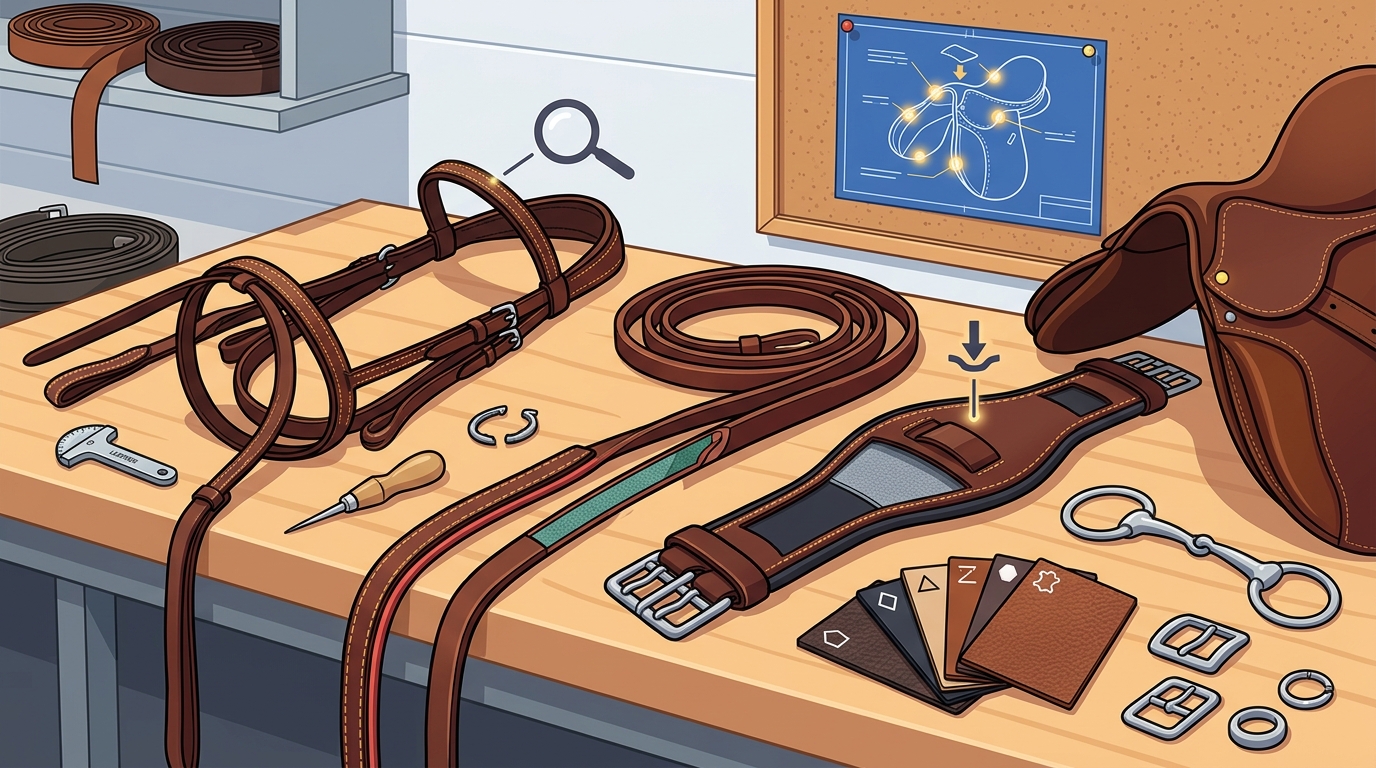
Tack Brand Comparison Matrix
The following table summarizes key evaluation criteria for different types of tack brands. Use this matrix to guide your purchasing decisions.
| Brand Type | Material Quality | Price Range | Best For | Key Consideration |
|---|---|---|---|---|
| Premium Heritage | Full-Grain Leather | High | Professional Competition | Long-term investment and resale value |
| Mid-Range Performance | Top-Grain or Synthetic Blend | Medium | Amateur Riders | Balanced cost and durability |
| Budget Entry | Corrected Leather or Vinyl | Low | Beginners | Short lifespan and potential fit issues |
| Ethical Synthetic | High-Tech Polymers | Medium-High | Eco-Conscious Owners | Water resistance and easy maintenance |
Key Takeaways
- Full-grain leather offers superior durability and breathability compared to corrected leather.
- Stitching density and thread type are critical indicators of structural integrity.
- Hardware must be rust-resistant, such as stainless steel or nickel-free brass.
- Proper fit is as important as material quality for horse welfare.
- Brand reputation should be verified through professional reviews and industry history.
- Warranty and repair services indicate a brand's confidence in its products.
- Ethical synthetic options are viable for owners prioritizing sustainability.
Frequently Asked Questions
How do I know if leather is genuine?
Genuine leather will have natural imperfections and a distinct smell. It will also feel warm to the touch, whereas synthetic materials often feel cooler and more uniform.
What is the lifespan of high-quality tack?
With proper care, high-quality leather tack can last 10 to 20 years or more. Synthetic tack typically lasts 3 to 5 years depending on usage frequency.
Can I mix and match tack brands?
Yes, you can mix brands as long as the fit and quality standards are met. However, matching colors and styles can create a cohesive appearance.
How often should I inspect my tack?
You should inspect your tack before every ride. Look for cracks, loose stitching, and worn hardware. A deep clean and conditioning should be performed monthly.
What are the signs of poor tack fit?
Signs include white hairs under the saddle, bridging, pinching, and behavioral resistance such as bucking or refusing to move forward.
Is synthetic tack better for wet climates?
Synthetic tack is more resistant to water damage and dries faster, making it a practical choice for wet climates, though it may lack the aesthetic appeal of leather.
Where can I find professional tack fitting services?
You can find professional fitting services through local saddle shops, equine therapists, or by consulting the Canadian Stable Directory for certified experts in your region.
How do I maintain leather tack to extend its life?
Clean with a damp cloth after each use, condition regularly with a quality leather conditioner, and store in a cool, dry place away from direct sunlight.
Next Steps for Your Equestrian Journey
Evaluating horse tack brands is an investment in your safety and your horse's well-being. By focusing on material quality, construction standards, and proper fit, you can make informed decisions that enhance your riding experience. For more expert advice and industry updates, visit Horse Sport and explore our resources on EquiTermz to deepen your knowledge. Contact our team at Horse Sport for personalized guidance on your tack selection.