
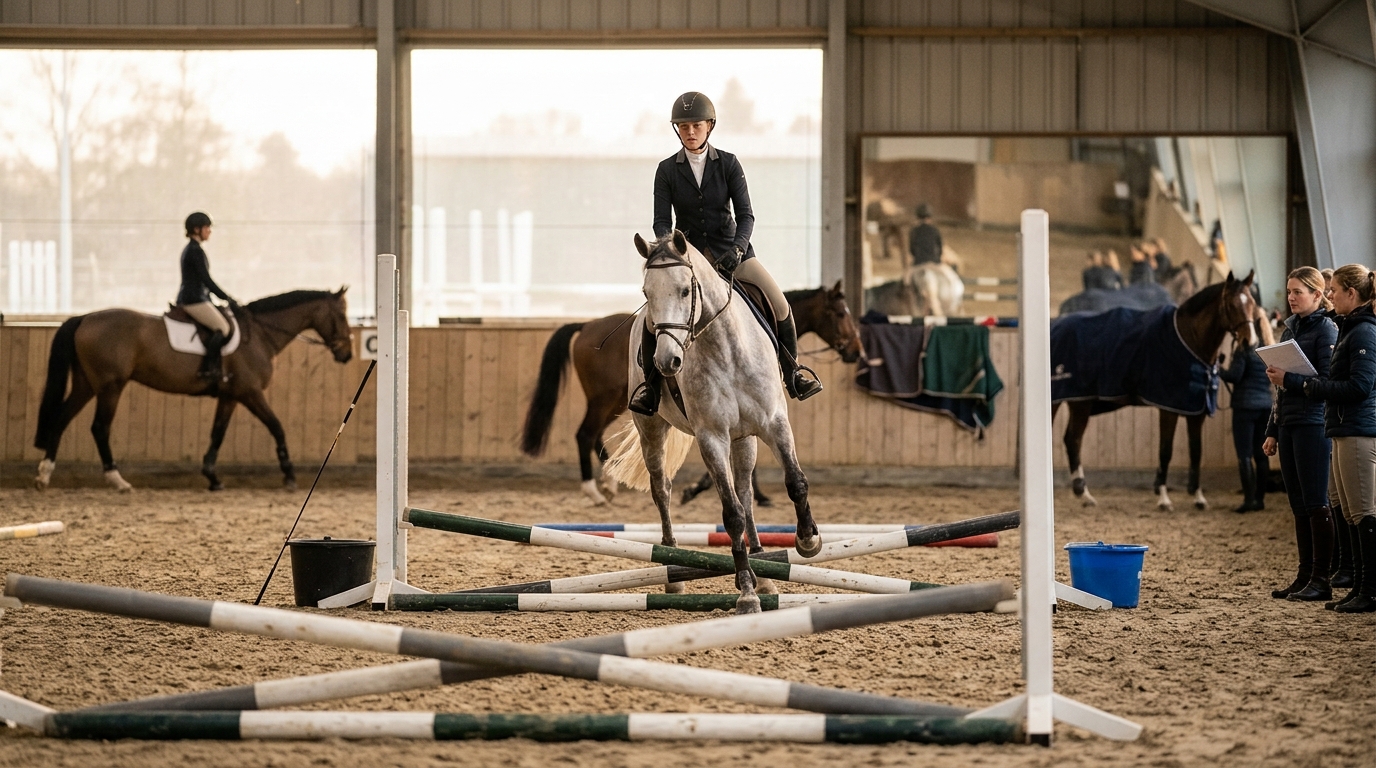
Show jumping is a discipline defined by precision, athleticism, and the seamless partnership between horse and rider. In Canada, where the equestrian community is deeply rooted in both hunter/jumper and eventing traditions, mastering the technical aspects of jumping is essential for competitive success. Recent industry insights suggest that effective training relies less on brute force and more on refined biomechanics and consistent groundwork. According to recent analyses of equestrian performance metrics, riders who prioritize systematic flatwork see a 40% reduction in jumping errors during competition. This guide explores the core techniques required to elevate your show jumping program, drawing on established principles from Horse Sport and global equestrian standards.
Foundations of Flatwork and Balance
Before a horse can clear a vertical or an oxer, they must understand how to carry themselves in balance. Flatwork is not merely a warm-up; it is the primary training tool for developing the strength and suppleness required for jumping. The concept of collection is critical here. Collection is the process of shifting the horse's weight from the forehand to the hindquarters, allowing for greater impulsion and agility.
Canadian riders often benefit from integrating dressage principles into their jumping routines. This ensures that the horse remains responsive to subtle aids. When the horse is properly engaged, the jump becomes a natural extension of their movement rather than a separate athletic feat. Consistent flatwork also helps in identifying and correcting lateral issues, such as drifting out with the shoulder or swinging the hindquarters, which can lead to refusals or knockdowns.
For more insights on horse health and management, which directly impacts training longevity, explore resources on equine welfare and conditioning. A healthy horse is a trainable horse. Regular veterinary check-ups and proper nutrition are foundational to any successful training program.
Mastering the Approach and Rhythm
The approach to a fence is where many competitions are won or lost. A consistent rhythm is the hallmark of a skilled rider. The approach is defined as the series of strides taken from the last ground pole or marker to the base of the fence. Maintaining a steady tempo allows the horse to calculate their takeoff point accurately.
Riders must focus on maintaining forward momentum without rushing. A common error is tightening the reins as the fence nears, which restricts the horse's neck movement and disrupts their balance. Instead, the rider should keep a soft, following contact, allowing the horse to stretch over the jump. This technique is often discussed in training articles featured in equestrian publications.
Understanding the stride count is also vital. Whether you are jumping a 1.20-meter course or a grand prix, knowing your exact stride count helps in planning your course strategy. This precision reduces anxiety for both horse and rider, leading to smoother rounds. Data from competitive circuits indicates that riders with consistent stride counts have higher success rates in jump-offs.
Biomechanics of the Jumping Seat
The jumping seat requires a unique balance of stability and flexibility. The rider must follow the horse's motion without interfering with it. This is achieved through a deep, secure seat that allows the hips to move independently. The two-point position is the standard for show jumping. This position is characterized by the rider lifting their seat out of the saddle and balancing on the lower leg and stirrups.
Key elements of the two-point position include:
- Lower Leg Stability: The leg must remain close to the horse's side, with the heel down and ankle flexible to absorb impact.
- Upper Body Alignment: The shoulders, hips, and heels should form a vertical line when viewed from the side. This alignment ensures that the rider's weight is centered over the horse's center of gravity.
- Hands Following: The hands must move forward with the horse's neck, providing freedom of movement. This is often referred to as following the mouth.
Drills such as jumping without stirrups can help riders develop a stronger core and better balance. This forces the rider to rely on their seat and legs rather than gripping with the knees. Over time, this builds the muscle memory necessary for a secure and effective jumping position.
Groundwork and Cavaletti Drills
Groundwork is an indispensable tool for refining a horse's technique and building confidence. Cavaletti are ground poles that can be raised to varying heights. They encourage the horse to lift their legs higher and pay attention to their footing. This is particularly useful for horses that are lazy or lack scope.
When using cavaletti, the spacing is critical. The distance between poles should be adjusted based on the horse's stride length. For a horse with a 9-foot stride, poles might be spaced 8 to 9 feet apart. This encourages the horse to shorten their stride and lift their knees. As the horse becomes more proficient, the height of the cavaletti can be increased to build strength and confidence.
Another effective drill is the use of bounce fences. A bounce fence is a series of jumps placed close together, typically 9 feet apart for a 9-foot stride. This requires the horse to take no strides between the fences, promoting quickness and agility. Bounce fences are excellent for preparing horses for technical courses where speed and precision are required.
For more detailed advice on equipment and tack, consider reviewing tack and equipment guides to ensure your gear supports proper training.
The Mental Game and Rider Psychology
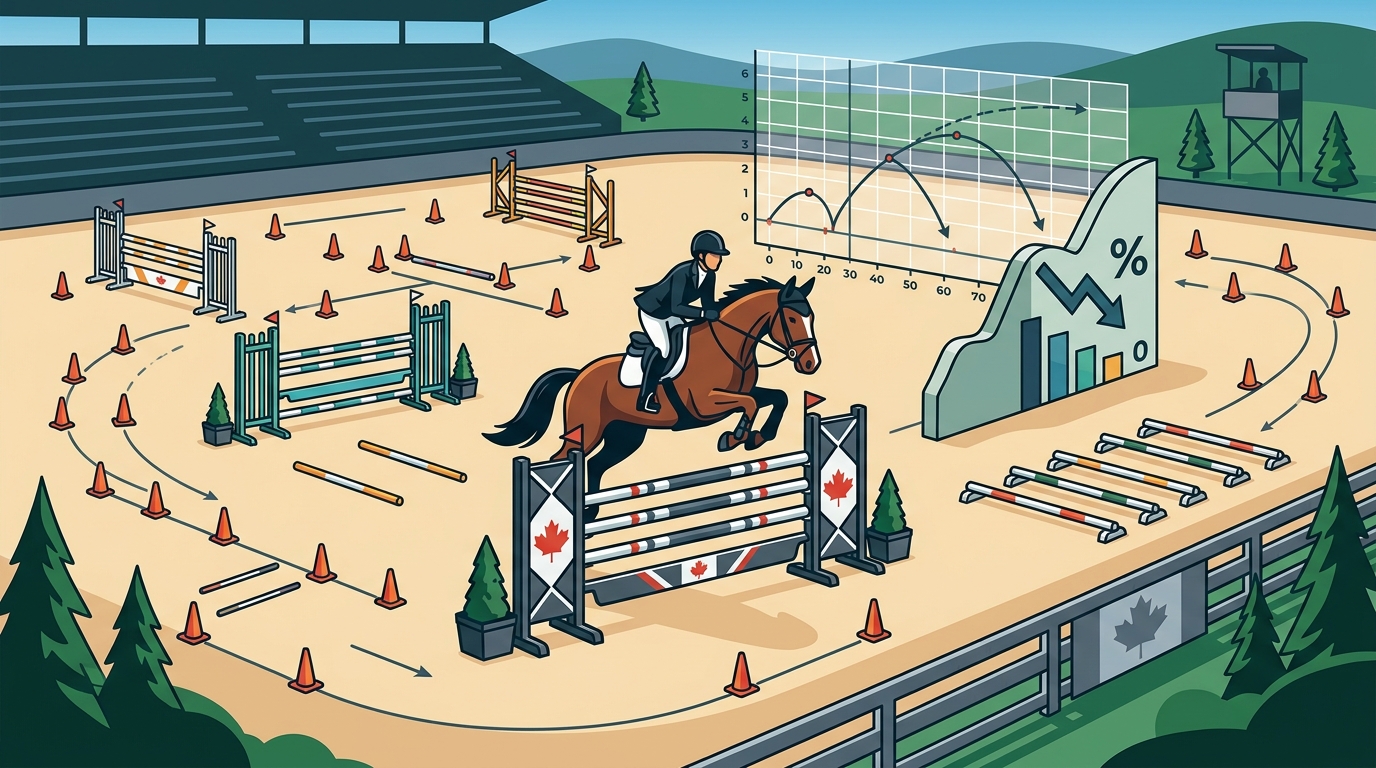
Show jumping is as much a mental sport as it is a physical one. Rider anxiety can negatively impact the horse's performance. The rider psychology aspect of show jumping involves managing stress, maintaining focus, and building trust with the horse. Techniques such as visualization and positive self-talk can help riders stay calm under pressure.
It is also important to recognize the horse's perspective. Horses are prey animals and can be easily spooked. A rider who remains calm and confident provides a sense of security to the horse. This is why rider psychology is a growing area of interest in the equestrian community. Understanding how to communicate effectively with your horse can prevent misunderstandings and refusals.
Building a strong bond with your horse through groundwork and flatwork can also enhance the mental connection. When the horse trusts the rider, they are more likely to follow their aids and stay focused on the task at hand. This trust is the foundation of a successful show jumping partnership.
Key Takeaways
- Flatwork is Fundamental: Regular dressage-based flatwork improves balance, collection, and responsiveness, which are essential for jumping.
- Rhythm is Key: Maintaining a consistent approach rhythm allows the horse to judge takeoff points accurately.
- Two-Point Position: A secure two-point position with a deep seat and following hands is critical for effective jumping.
- Groundwork Builds Confidence: Cavaletti and bounce fences help develop strength, scope, and agility in the horse.
- Mental Focus Matters: Rider calmness and confidence directly influence the horse's performance and willingness to jump.
- Stride Count Planning: Knowing your exact stride count helps in course strategy and reduces errors.
- Health and Welfare: Proper veterinary care and nutrition are essential for maintaining a horse's physical ability to train.
Frequently Asked Questions
How often should I incorporate cavaletti into my training?
Cavaletti can be used 2-3 times per week, depending on the horse's fitness level. It is important to vary the height and spacing to keep the training engaging and effective.
What is the most common mistake riders make in the approach?
The most common mistake is tightening the reins and losing forward momentum. Riders should focus on maintaining a steady rhythm and soft contact.
How can I improve my two-point position?
Practicing jumping without stirrups and focusing on core strength can significantly improve your two-point position. Additionally, working with a qualified instructor can provide personalized feedback.
Why is flatwork important for show jumping?
Flatwork develops the horse's balance, strength, and responsiveness. These attributes are essential for jumping effectively and preventing injuries.
How do I handle a horse that is spooked at fences?
Start with smaller, less intimidating fences and gradually increase the difficulty. Use groundwork to build confidence and ensure the horse is focused on you.
What is the ideal stride count for a 1.20-meter course?
The stride count varies depending on the horse's stride length and the course design. Typically, a 1.20-meter course might have 12-14 strides, but this should be calculated based on your specific horse.
How does rider anxiety affect the horse?
Rider anxiety can cause tension in the seat and reins, which the horse can feel. This can lead to resistance, refusal, or erratic behavior. Staying calm is crucial.
Start Your Training Journey Today
Mastering show jumping techniques takes time, patience, and consistent effort. By focusing on flatwork, rhythm, and mental preparation, you can build a strong foundation for success. For more resources on training, health, and the equestrian community, visit Horse Sport and explore our extensive library of articles. Connect with us via our contact page for any questions or to share your training experiences.