
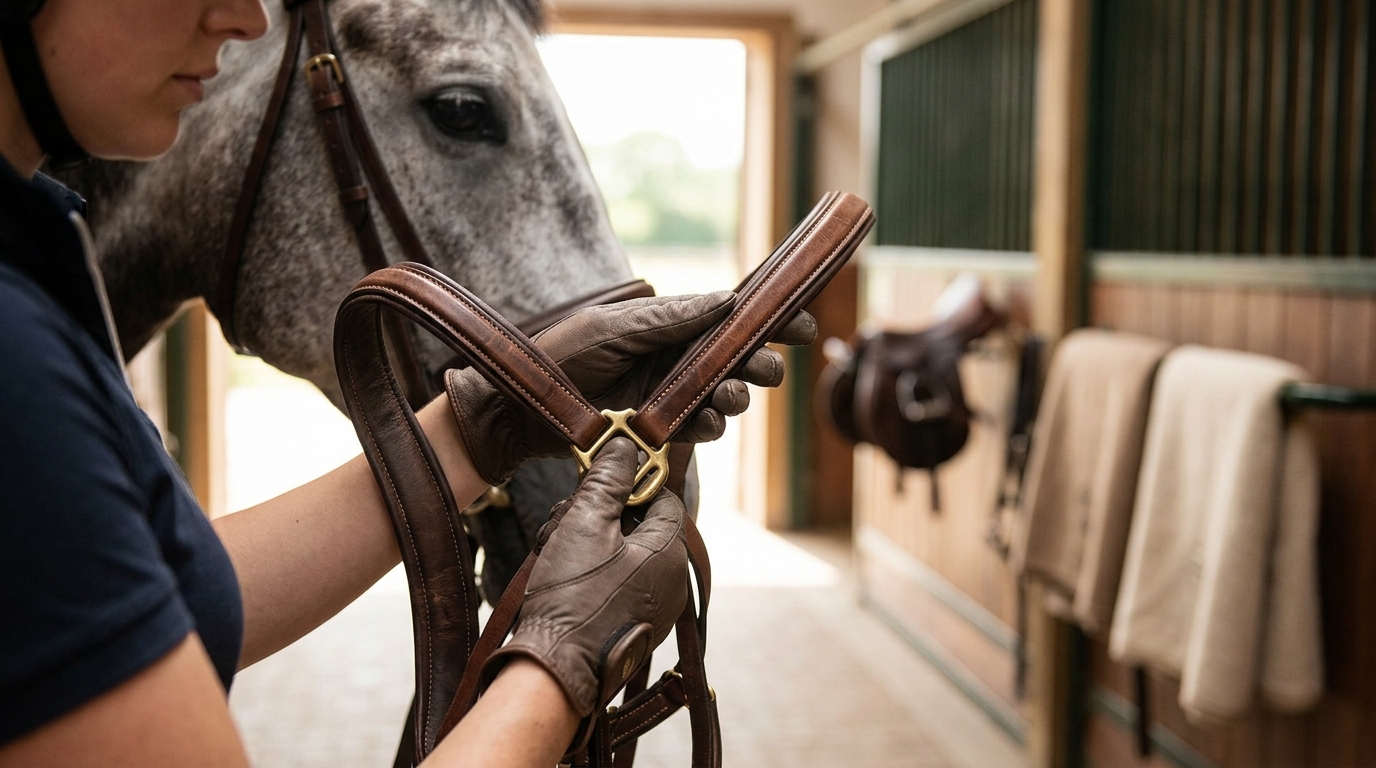
Investing in high-quality horse tack is one of the most critical decisions for any equestrian. The right equipment ensures safety, enhances performance, and provides comfort for both rider and horse. However, with countless brands flooding the market, distinguishing between premium craftsmanship and mass-produced inferior goods can be challenging. This guide provides a detailed framework for evaluating tack brands, ensuring you make informed purchasing decisions that prioritize longevity and functionality.
Material Analysis: Leather vs. Synthetic
The foundation of any tack piece lies in its primary material. Understanding the properties of leather and synthetic alternatives is the first step in brand evaluation.
Full-Grain Leather
Full-grain leather is widely considered the gold standard for bridles, saddles, and reins. It retains the natural grain of the hide, offering superior tensile strength and durability. When evaluating a brand, look for descriptions specifying "full-grain" or "top-grain" leather. Avoid brands that use "genuine leather" without further qualification, as this often indicates lower-quality split leather that may crack or peel over time.
Synthetic Alternatives
Synthetic tack has evolved significantly. High-quality synthetics, such as durable nylon or specialized polymers, offer advantages in wet conditions and require less maintenance. However, they must be evaluated for flexibility and resistance to UV degradation. A reputable brand will specify the type of synthetic material used and its intended lifespan.
Padding and Lining
Comfort is paramount. Evaluate the padding materials used in girths, saddle pads, and bridle nosebands. High-density foam or wool felt are preferred for shock absorption. The lining should be smooth to prevent chafing. Brands that prioritize equine welfare will explicitly mention their padding technology and lining materials.
Stitching Integrity and Hardware
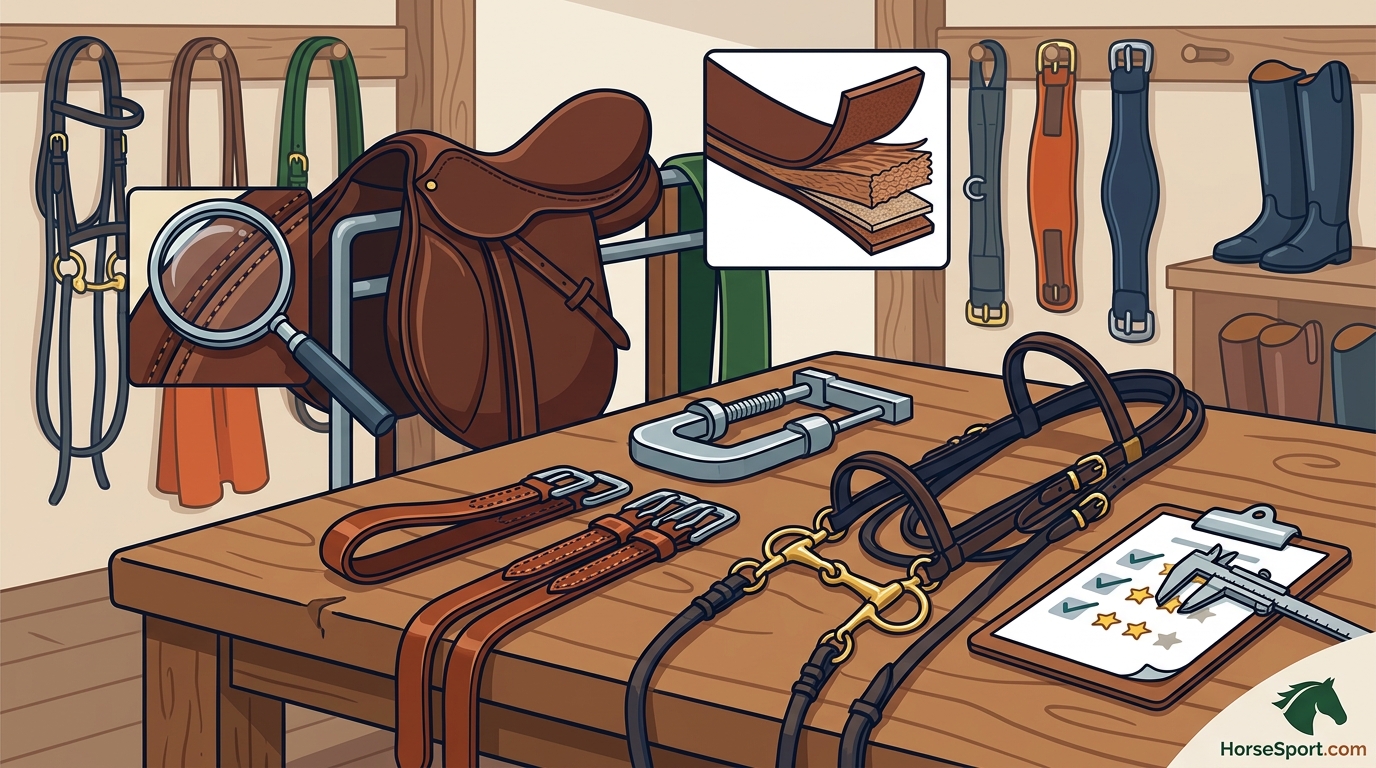
Stitching and hardware are the structural components that hold tack together. Weak points here can lead to catastrophic failure during use.
Stitching Quality
Inspect the stitching density and consistency. High-quality tack features tight, even stitches with no loose threads. Double or triple stitching is often used in high-stress areas like stirrup leathers and girth straps. Brands that invest in quality will highlight their stitching techniques, such as saddle-stitching versus machine-stitching, with saddle-stitching generally offering greater durability.
Hardware Durability
Hardware includes buckles, D-rings, and snaffle bits. Look for hardware made from stainless steel, nickel-free silver, or high-grade aluminum. These materials resist corrosion and maintain strength over time. Avoid brands that use plated metals, as plating can wear off, leading to rust and potential injury to the horse.
Hardware Placement
Ergonomic hardware placement is crucial for comfort and function. Buckles should be positioned to avoid pressure points on the horse's neck or back. Brands that design with input from professional riders and veterinarians are more likely to offer ergonomic solutions.
Brand Reputation and Heritage
A brand's history and reputation provide valuable insights into its commitment to quality.
Heritage and Longevity
Brands with a long history in the equestrian industry often have refined their craftsmanship over decades. They have established reputations that they must uphold to maintain customer loyalty. Research the brand's origins and how long they have been producing tack. Established brands are more likely to have consistent quality control processes.
Professional Endorsements
Look for brands endorsed by professional riders, trainers, and veterinarians. These endorsements indicate that the tack meets the rigorous demands of high-level competition. Brands that sponsor top-tier events or athletes are typically confident in their product quality.
Community Feedback
Read reviews and forums dedicated to equestrian sports. Feedback from other riders can reveal common issues or praises associated with specific brands. Pay attention to comments about durability, customer service, and overall satisfaction. Horse Sport provides extensive coverage of the equestrian community, offering insights into brand performance and industry trends.
Fitting Standards and Ergonomics
Even the highest-quality tack is ineffective if it does not fit properly. Brands that prioritize fitting standards demonstrate a commitment to equine welfare and rider performance.
Saddle Fit
Saddles must accommodate the horse's back shape. Brands that offer multiple tree widths and panel shapes are more likely to provide a suitable fit for various horse types. Look for brands that provide detailed fitting guides or offer virtual fitting services.
Bridle Fit
Bridles should sit comfortably on the horse's head without pinching or slipping. Brands that design bridles with adjustable nosebands and cheekpieces allow for precise fitting. Consider the horse's head shape, including the width of the poll and the shape of the jaw.
Girth and Saddle Pad Compatibility
Girths and saddle pads must complement the saddle's design. Brands that sell matching sets often ensure compatibility and optimal performance. Evaluate the girth's elasticity and the saddle pad's moisture-wicking properties.
Maintenance and Warranty Support
The longevity of tack depends on proper maintenance. Brands that offer robust support and warranties demonstrate confidence in their products.
Warranty Policies
Review the warranty terms offered by the brand. A comprehensive warranty covers defects in materials and workmanship for a reasonable period. Brands that offer lifetime warranties or extensive repair services are investing in customer satisfaction and product longevity.
Maintenance Guides
Quality brands provide detailed care instructions for their products. These guides should cover cleaning, conditioning, and storage practices. Brands that educate their customers on proper maintenance help extend the life of their tack.
Customer Service
Responsive and knowledgeable customer service is essential. Brands that offer easy access to support for fitting questions, repair services, or product inquiries are more likely to provide a positive ownership experience. Contact Horse Sport for industry insights and brand comparisons.
Key Takeaways
- Full-grain leather offers superior durability and strength compared to split leather or low-quality synthetics.
- Double or triple stitching in high-stress areas indicates higher construction quality and longevity.
- Stainless steel or nickel-free hardware resists corrosion and prevents skin irritation in horses.
- Brands with long-standing heritage and professional endorsements typically maintain stricter quality control.
- Ergonomic design and proper fitting are as important as material quality for equine welfare.
- Comprehensive warranties and detailed maintenance guides reflect a brand's confidence in its products.
- Community feedback and professional reviews provide valuable real-world insights into brand performance.
Frequently Asked Questions
What is the difference between full-grain and genuine leather?
Full-grain leather retains the natural grain and is more durable, while genuine leather often refers to split leather that is less robust and prone to cracking.
How often should I replace my horse tack?
Replacement frequency depends on usage and maintenance, but regular inspections for wear and tear are essential. High-quality tack can last several years with proper care.
What hardware materials are best for horse tack?
Stainless steel and nickel-free silver are preferred for their corrosion resistance and strength. Avoid plated metals that can wear off and cause rust.
How do I ensure a bridle fits my horse?
Measure your horse's head circumference and poll width. Ensure the bridle sits comfortably without pinching or slipping, and adjust nosebands and cheekpieces accordingly.
Why is professional endorsement important for tack brands?
Professional endorsements indicate that the tack meets the rigorous demands of high-level competition, suggesting superior quality and performance.
What should I look for in a saddle warranty?
Look for warranties that cover defects in materials and workmanship for a reasonable period. Lifetime warranties or extensive repair services are signs of brand confidence.
How can I maintain my leather tack?
Clean with a damp cloth, condition regularly with a quality leather conditioner, and store in a cool, dry place away from direct sunlight.
Where can I find more information on equestrian brands?
Resources like Horse Sport provide extensive coverage of the equestrian industry, including brand reviews and industry news.
Contact Us
For more insights on horse tack, equipment, and the equestrian industry, visit Horse Sport. To connect with our team or submit your own content, please contact us directly. We are dedicated to providing authoritative information for the equestrian community.