
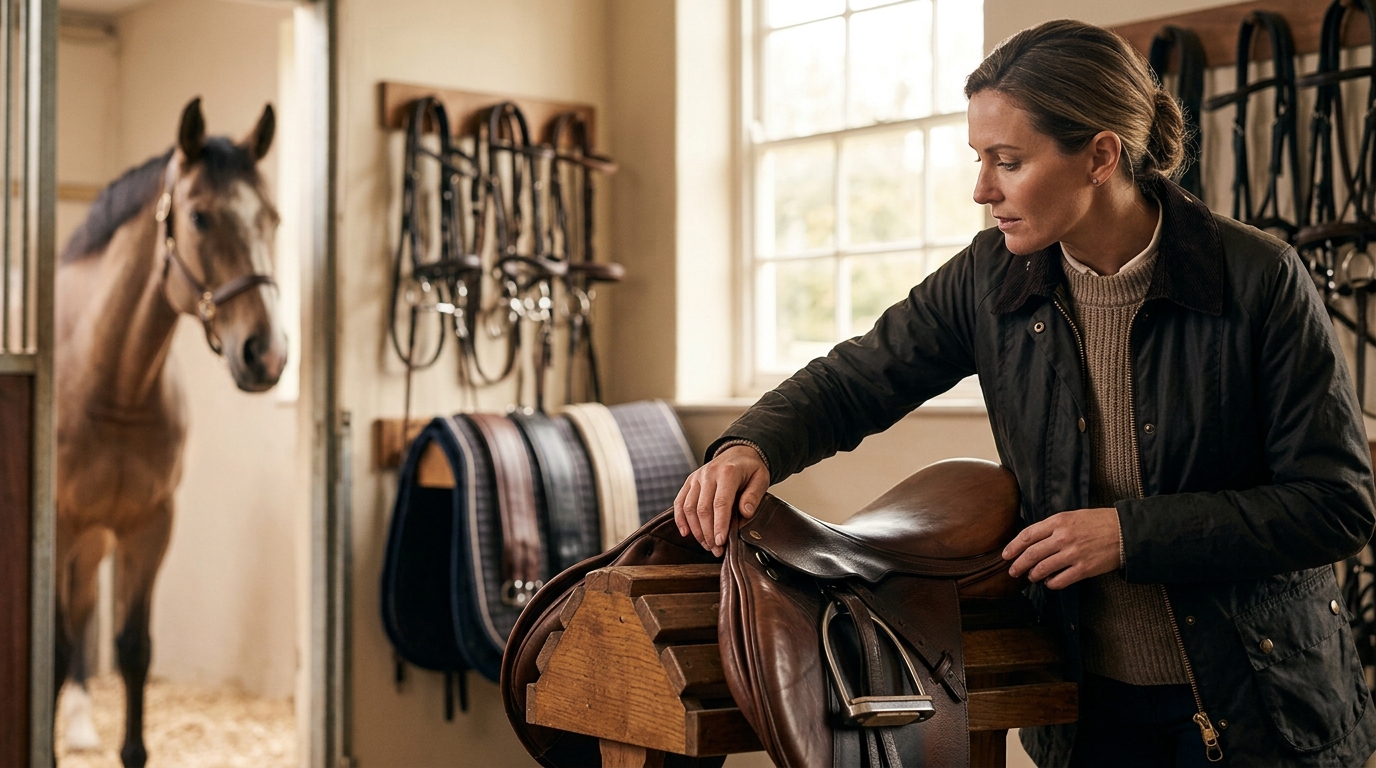
Investing in high-quality horse tack is not merely a matter of aesthetics but a critical component of equine safety and performance. According to industry data from the American Horse Council, the global equestrian market continues to grow, with riders increasingly prioritizing durability and ergonomic design over initial cost savings. When you evaluate different horse tack brands, you are essentially assessing the intersection of material science, craftsmanship, and equine welfare standards. This guide provides a rigorous framework for making informed purchasing decisions that protect both your horse and your investment. (Contact Us)
Material Analysis: Leather vs. Synthetic
The foundation of any tack piece lies in its primary material. The two dominant categories are full-grain leather and high-performance synthetics. Understanding the distinction is vital for long-term value assessment.
Full-Grain Leather Standards
Full-grain leather is derived from the top layer of the hide, retaining the natural grain pattern and density. This material is renowned for its strength and ability to mold to the horse over time. When evaluating leather tack, look for terms like "vegetable-tanned" or "chrome-tanned." Vegetable-tanned leather is firmer and holds its shape better, making it ideal for saddles and bridles that require structural integrity. Chrome-tanned leather is softer and more water-resistant but may stretch more under tension.
Quality leather should feel supple yet firm, without excessive stiffness or brittleness. If the leather cracks easily when bent, it indicates poor tanning processes or low-grade hides. Brands that source hides from reputable tanneries often provide transparency about their supply chain, which is a strong indicator of quality control.
Synthetic Material Innovations
Synthetic tack has evolved significantly, with materials like nylon, neoprene, and advanced polymers offering durability and low maintenance. These materials are particularly advantageous for trail riding or wet climates where leather maintenance is difficult. High-quality synthetics resist UV degradation and do not absorb moisture, preventing the growth of mold and mildew.
When assessing synthetic tack, check the density of the weave and the thickness of the webbing. Thicker, tightly woven materials generally offer greater tensile strength. Additionally, examine the stitching on synthetic pieces, as exposed thread ends can fray and compromise structural integrity over time.
Stitching and Construction Integrity
Stitching is the mechanical backbone of tack. Even the finest leather will fail if the stitching is substandard. The type of thread, the stitch length, and the technique used are critical indicators of quality.

Thread Type and Strength
Premium tack brands use waxed nylon or polyester thread, which is significantly stronger than standard cotton thread. Waxed thread repels water and reduces friction during the sewing process, resulting in tighter, more durable seams. Look for double-stitched or triple-stitched seams in high-stress areas such as stirrup leathers, girth straps, and bridle reins.
Stitch Density and Alignment
Examine the stitch density closely. Stitches that are too far apart may not provide sufficient holding power, while stitches that are too close can weaken the leather by creating perforation points. The alignment of stitches should be straight and even, indicating skilled craftsmanship. Irregular stitching often suggests mass production with lower quality control standards.
For a deeper understanding of tack maintenance, visit our comprehensive tack care guide to learn how proper cleaning extends the life of your equipment.
Hardware Quality and Corrosion Resistance
Hardware components, including buckles, D-rings, and buckles, must withstand significant force and environmental exposure. The material and finish of these components are direct reflections of the brand's commitment to quality.
Metal Composition
High-quality tack hardware is typically made from stainless steel, brass, or nickel-plated steel. Stainless steel is preferred for its corrosion resistance and strength, especially in wet conditions. Brass offers a classic aesthetic but requires regular polishing to prevent tarnishing. Avoid hardware made from low-grade alloys that may bend or break under tension.
Finish and Edge Treatment
Inspect the finish of the hardware for smoothness and consistency. Rough edges or sharp points can injure the horse or the handler. The plating should be even, without peeling or discoloration. Brands that use high-quality hardware often specify the grade of metal in their product descriptions, demonstrating transparency and confidence in their materials.
For insights on selecting the right hardware for specific riding disciplines, check out our detailed reviews of saddle hardware.
Ergonomic Design and Fit
Quality tack must fit both the horse and the rider correctly. Poorly designed tack can cause discomfort, behavioral issues, and long-term physical damage to the horse. Ergonomic design considers the anatomy of the horse and the biomechanics of the rider.
Saddle Tree and Panel Construction
For saddles, the tree is the internal framework that distributes weight. A well-designed tree matches the horse's back shape, ensuring even pressure distribution. Panels should be filled with high-density foam or wool, allowing for proper airflow and shock absorption. Evaluate the flexibility of the panels; they should conform to the horse's back without collapsing under pressure.
Bridle and Bit Alignment
Bridles must allow for free movement of the horse's ears and jaw. The browband and cheekpieces should be positioned to avoid interference with the horse's eyes and poll. Bits should be made from materials that are gentle on the horse's mouth, such as sweet iron or stainless steel, and should align correctly with the horse's lips and bars.
Understanding proper fit is crucial. Learn more about professional saddle fitting services to ensure your horse's comfort and performance.
Brand Reputation and Warranty Policies
A brand's reputation and warranty policies offer valuable insights into their confidence in their products. Established brands with a long history of quality are generally more reliable than new entrants with unproven track records.
Historical Performance and Clientele
Research the brand's history and clientele. Brands that supply professional riders, competitive teams, or military units often have rigorous quality control standards. Customer reviews and testimonials can provide real-world feedback on durability and customer service.
Warranty and Return Policies
Strong warranty policies indicate that the brand stands behind its products. Look for warranties that cover manufacturing defects and structural failures. A generous return policy allows you to test the tack for fit and comfort, reducing the risk of purchasing ill-fitting equipment.
Explore our brand spotlight articles to learn about the heritage and values of top tack manufacturers.
Comparison of Tack Evaluation Criteria
The following table summarizes the key criteria for evaluating horse tack brands, helping you compare options systematically.
| Criteria | High-Qindicators | Low-Quality Red Flags |
|---|---|---|
| Material | Full-grain leather or high-density synthetics; vegetable-tanned options. | Split leather, thin synthetics, or materials with a plastic feel. |
| Stitching | Waxed nylon thread; double or triple stitching; even alignment. | Cotton thread; single stitching; irregular or loose stitches. |
| Hardware | Stainless steel or brass; smooth finish; corrosion-resistant. | Low-grade alloys; rough edges; peeling plating. |
| Ergonomics | Anatomically correct design; proper weight distribution; free movement. | Poor fit; pressure points; restricted movement. |
| Warranty | Comprehensive coverage for defects; clear return policies. | No warranty or limited coverage; restrictive return terms. |
Key Takeaways
- Material Matters: Full-grain leather and high-density synthetics offer the best balance of durability and comfort.
- Stitching is Critical: Waxed nylon thread and double-stitched seams indicate superior construction quality.
- Hardware Durability: Stainless steel hardware provides the best corrosion resistance and strength.
- Ergonomic Fit: Proper design prevents injury and enhances performance for both horse and rider.
- Brand Trust: Established brands with strong warranties offer greater long-term value and reliability.
- Maintenance Impact: Regular care extends the life of tack, regardless of initial quality.
- Professional Advice: Consult with saddle fitters or tack experts for personalized recommendations.
Frequently Asked Questions
What is the difference between vegetable-tanned and chrome-tanned leather?
Vegetable-tanned leather is firmer and holds its shape better, making it ideal for structural tack like saddles. Chrome-tanned leather is softer and more water-resistant but may stretch more under tension.
How do I know if tack hardware is high quality?
High-quality hardware is made from stainless steel or brass, has a smooth finish, and is corrosion-resistant. Avoid hardware with rough edges or peeling plating.
Why is stitching important in tack evaluation?
Stitching provides the mechanical strength to hold tack together. Waxed nylon thread and double-stitched seams indicate superior durability and resistance to wear.
Can synthetic tack be as durable as leather?
Yes, high-quality synthetic tack can be as durable as leather, especially in wet conditions. It offers low maintenance and resistance to mold and mildew.
What should I look for in a tack warranty?
Look for warranties that cover manufacturing defects and structural failures. A generous return policy allows you to test the tack for fit and comfort.
How often should I inspect my tack for quality?
Inspect your tack before every ride for signs of wear, such as frayed stitching, cracked leather, or corroded hardware. Regular maintenance can prevent minor issues from becoming major problems.
Is it worth investing in premium tack brands?
Yes, premium tack brands often offer superior materials, craftsmanship, and warranties, leading to greater long-term value and safety for your horse.
How does proper tack fit affect horse performance?
Proper tack fit ensures even weight distribution and prevents discomfort, allowing the horse to move freely and perform at its best.
Start Your Search
Now that you understand the critical factors in evaluating horse tack brands, it is time to apply this knowledge to your next purchase. At HorseSport, we curate a selection of premium tack from trusted manufacturers, ensuring that every piece meets the highest standards of quality and durability. Explore our extensive tack collection to find the perfect equipment for your horse. For personalized advice, contact our expert team or visit our contact page to schedule a consultation. Your horse deserves the best, and so do you.