

The Canadian equestrian landscape relies heavily on dedicated media to keep riders, breeders, and owners informed about competition results, regulatory changes, and industry trends. For over 50 years, Horse Sport has served as the primary voice for this community, providing independent journalism that covers everything from show jumping to dressage. Understanding how these platforms operate financially is crucial for stakeholders who want to support the integrity of equestrian reporting while accessing timely data.
Modern equestrian news platforms utilize a hybrid approach to content distribution. This model balances free access to breaking news with premium subscriptions for in-depth analysis, historical archives, and specialized directories. As the industry evolves, the distinction between general interest content and high-value professional data becomes more pronounced, driving the need for clear access tiers.
The State of Equestrian Media in Canada
Equestrian sports in Canada are governed by Equestrian Canada, which sets the standards for competition and athlete development. The media ecosystem supporting this governance structure is specialized. Unlike general sports news, equestrian journalism requires deep subject matter expertise to accurately report on breeding, health, and technical riding disciplines.
Historically, these publications operated on a print-only subscription model. Today, the shift to digital has allowed for real-time updates on events like the American Gold Cup or the Royal Winter Fair. However, the cost of producing high-quality, independent journalism remains significant. This economic reality has led to the adoption of mixed revenue streams, including advertising, direct donations, and tiered subscriptions.
For the modern rider, understanding these models helps clarify why certain content is freely available while other resources, such as comprehensive stable directories or detailed race results, may require access. The goal of these models is to ensure the longevity of independent reporting that serves the entire equine community.
Common Subscription and Access Models
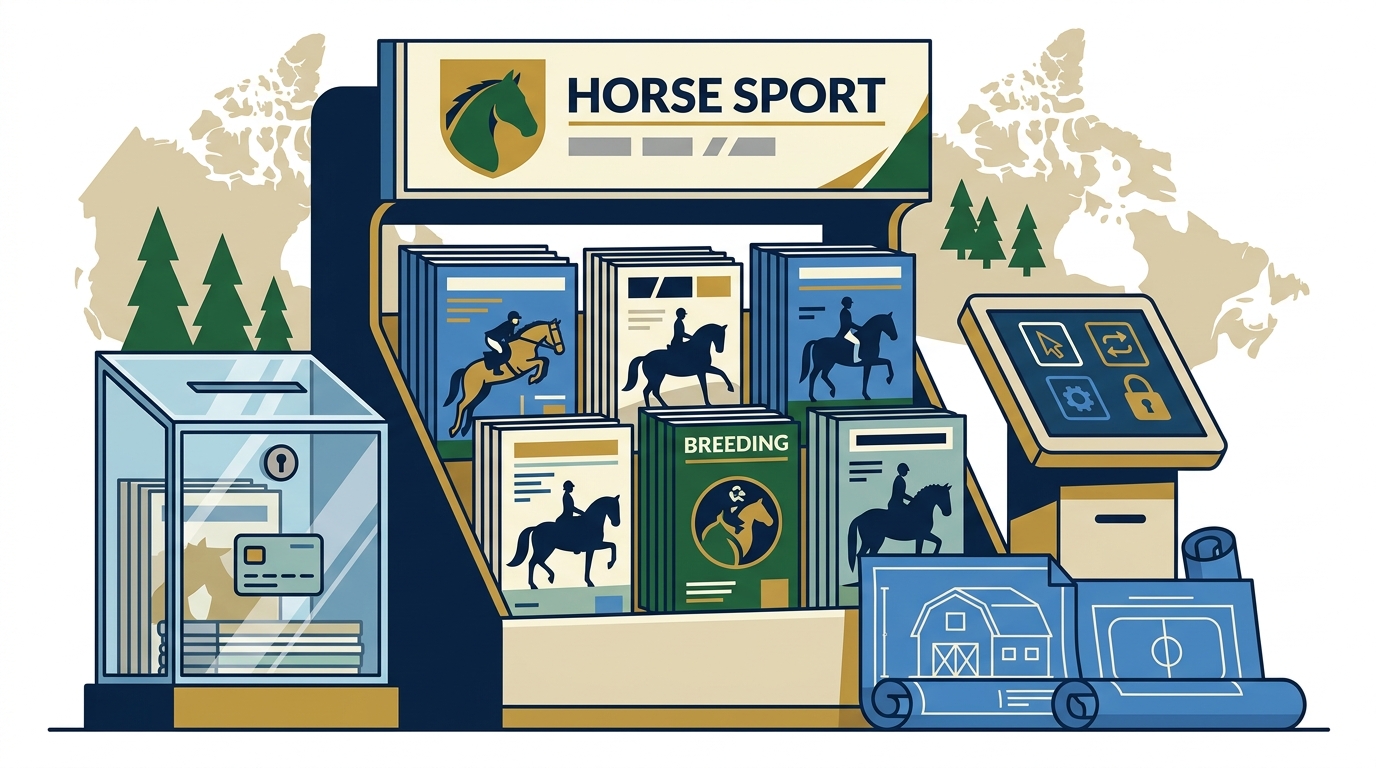
Canadian equestrian platforms typically employ one of three primary access structures. Each model serves a different segment of the audience, from casual fans to professional breeders and competitors.
Ad-Supported Free Access
The most common model for breaking news and event coverage is ad-supported free access. This allows the widest possible audience to read about recent wins, such as Kent Farrington's preparations for the World Cup. Revenue is generated through display advertisements and sponsored content. This model ensures that basic information about the sport remains accessible to everyone, regardless of their financial commitment to the platform.
Donation-Based Support
Some independent publications, including Horse Sport, utilize a donation-based model to support their core journalism. This approach emphasizes the community aspect of the sport. Readers are encouraged to contribute small monthly amounts, such as $5, to fund independent reporting. This model is particularly effective for niche audiences who value the specific focus on Canadian equestrian issues over general sports news.
Premium Subscription Tiers
For users requiring deep data, such as historical results, detailed breeding records, or access to professional directories, premium subscriptions are often required. These tiers may unlock features like the Canadian Stable Directory, advanced search filters, or exclusive profiles of top riders. This model caters to professionals who rely on accurate, verified data for their business operations.
Free Content vs. Premium Subscriptions
Understanding the boundary between free and paid content is essential for navigating these platforms. Free content typically includes daily news updates, event previews, and general industry opinions. This content is designed to engage the broad community and drive traffic to the site.
Premium content, on the other hand, offers utility and depth. This includes access to the full archive of past issues, detailed analysis of regulatory changes by Equestrian Canada, and specialized resources like the EquiTermz glossary. For breeders and trainers, the ability to search the stable directory or access detailed farm management articles is a critical professional tool.
The distinction is not about gatekeeping information but about sustaining the high cost of specialized journalism. Independent equestrian media requires significant resources to verify facts, interview key figures, and produce high-quality photography. Premium subscriptions help offset these costs, ensuring that the journalism remains independent and not solely reliant on advertising revenue.
The Value Proposition of Independent Journalism
Independent equestrian journalism plays a vital role in the integrity of the sport. Unlike general sports outlets, specialized publications focus on the nuances of equine welfare, breeding ethics, and technical training methods. This focus requires journalists who are not only writers but also knowledgeable about the equestrian world.
For example, articles on equine facial expressions or pasture management provide scientific insights that are crucial for horse owners. These deep dives are resource-intensive to produce and are often reserved for supporters of the publication. By subscribing or donating, readers directly contribute to the availability of this high-quality, specialized content.
Furthermore, independent media acts as a watchdog and a record-keeper for the industry. It documents the history of Canadian equestrian sports, preserving the achievements of athletes and the evolution of the sport. This historical record is invaluable for researchers, historians, and long-time enthusiasts who want to understand the context of current events.
Comparison of Platform Features
The following table outlines the typical features available across different access levels in the Canadian equestrian media landscape.
| Feature Category | Free Access | Donation Support | Premium Subscription |
|---|---|---|---|
| Breaking News & Event Results | Yes | Yes | Yes |
| Archived Articles & Past Issues | No | Partial | Full Access |
| Canadian Stable Directory Search | Limited | Yes | Advanced Filters |
| Specialized Profiles (Riders/Farms) | Teasers | Full Text | Exclusive Content |
| Industry Reports & Data | No | No | Yes |
| Advertising Experience | Standard | Reduced | Ad-Free |
Key Takeaways
- Independent Journalism is Critical: Over 50 years of dedicated reporting have established the foundation for informed equestrian communities in Canada.
- Hybrid Revenue Models Dominate: Most platforms combine ad revenue, donations, and subscriptions to sustain operations.
- Specialized Data Requires Access: Professional tools like the stable directory and historical archives are typically behind a paywall or donation threshold.
- Community Support Ensures Longevity: Direct contributions help maintain the independence and quality of equestrian media.
- Free Content Provides Broad Awareness: Breaking news and event updates remain accessible to all to keep the community engaged.
- Regulatory Reporting is Essential: Accurate coverage of Equestrian Canada policies is a key service provided by these platforms.
- Technical Expertise Adds Value: Articles on health, breeding, and training require specialized knowledge that justifies premium access.
Frequently Asked Questions
How can I support independent equestrian journalism?
Readers can support independent equestrian journalism by subscribing to premium content, making monthly donations, or purchasing advertising space. This direct support helps fund the reporting and analysis that sustains the industry.
What is the Canadian Stable Directory?
The Canadian Stable Directory is a comprehensive resource listing equestrian facilities across Canada. It allows users to search for stables by province, riding style, and services offered, such as boarding, training, or therapeutic riding.
Why do some articles require a subscription?
Articles requiring a subscription often contain in-depth analysis, historical data, or specialized resources that are resource-intensive to produce. Subscriptions help cover the costs of maintaining these high-quality, niche publications.
Is Horse Sport still publishing?
Yes, Horse Sport continues to publish articles, news, and analysis for the Canadian equestrian community. It remains a key source for information on competitions, breeding, and industry trends.
How does Equestrian Canada influence media content?
Equestrian Canada sets the rules and standards for the sport. Media outlets report on these regulations, providing context and analysis for riders and owners to ensure compliance and understanding of the competitive landscape.
Can I access historical results online?
Access to historical results often depends on the platform's access model. Many publications offer full archive access to premium subscribers or donors, while free users may only see recent results.
What types of equestrian disciplines are covered?
Canadian equestrian media covers a wide range of disciplines, including show jumping, dressage, eventing, western riding, and polo. Coverage includes competition results, rider profiles, and technical training advice.
Support the Industry
The future of independent equestrian journalism depends on the support of the community. By choosing to subscribe, donate, or engage with these platforms, you help ensure that high-quality, specialized reporting continues to serve the Canadian equestrian community. Visit the contact page to learn more about how you can get involved or explore the Canadian Stable Directory to find resources tailored to your needs.