
How Provincial Equestrian Organizations Shape Canadian Horse Sport
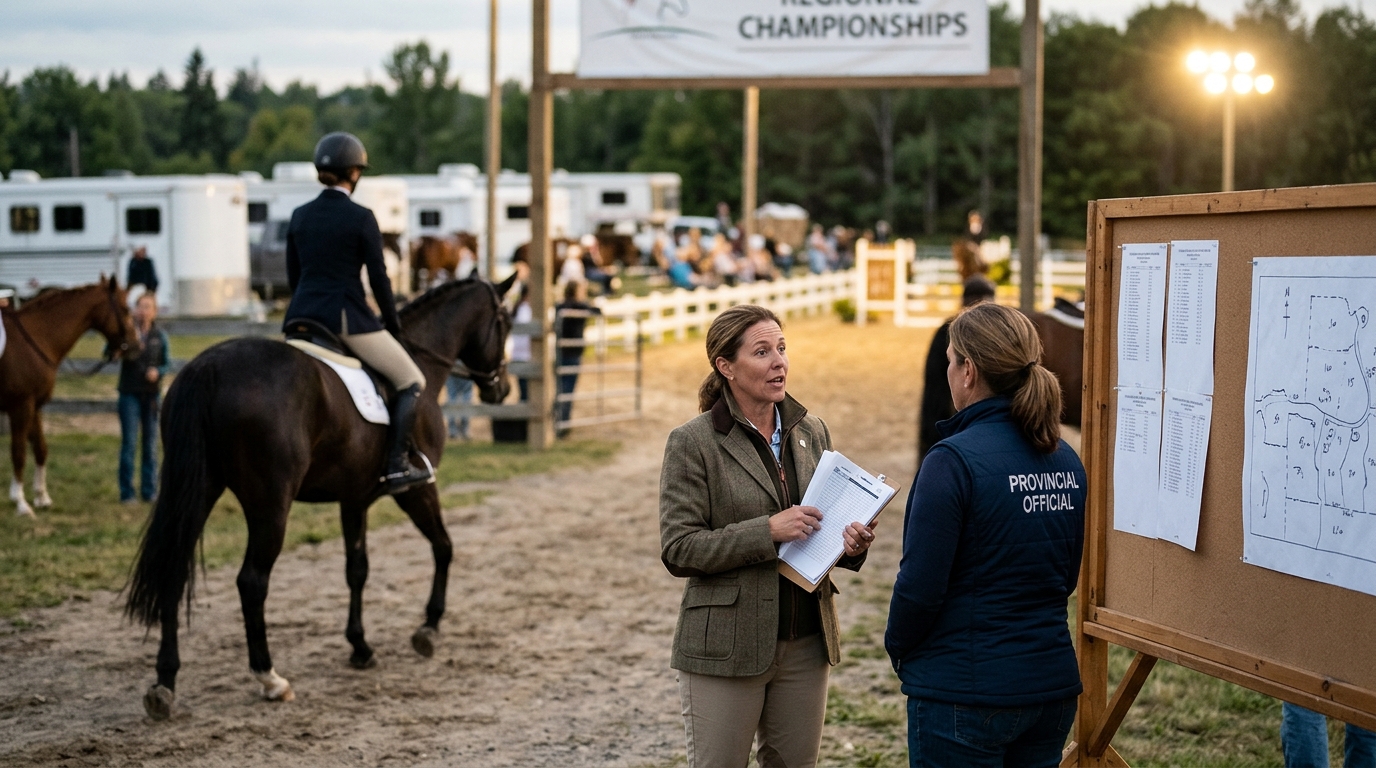
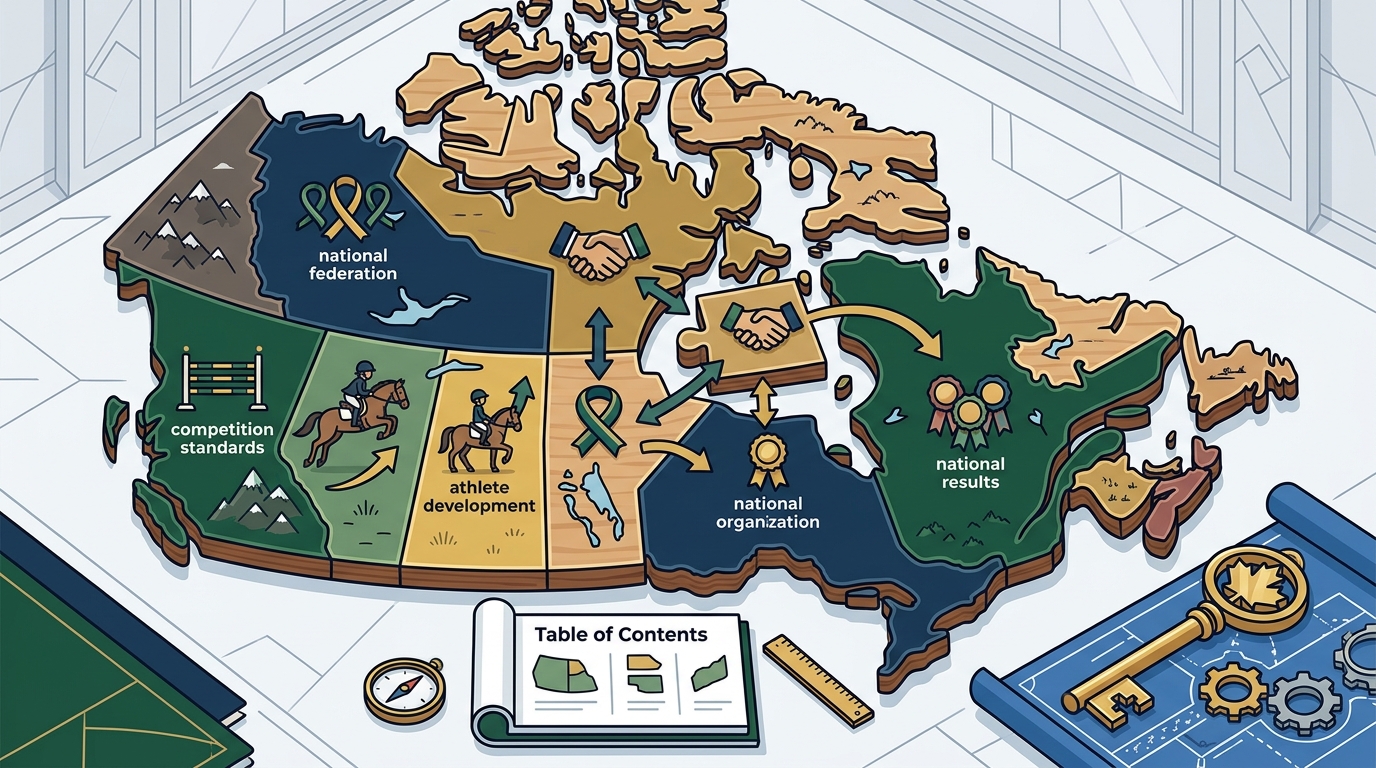
Provincial equestrian organizations act as the foundational governance layer for Canadian horse sport, directly influencing competition standards, athlete development, and national results. Horse Sport highlights how these regional bodies collaborate with national federations to create a unified competitive landscape. By managing local championships and athlete pathways, provincial groups ensure that regional talent is accurately represented on the national stage.
The Governance Framework of Regional Bodies
Provincial and territorial equestrian sport federations serve as the primary link between individual riders and the national governing body. These organizations are responsible for interpreting national rules at the local level and ensuring that competitions meet specific safety and quality standards. The collaborative nature of this structure allows for a consistent experience for athletes regardless of their geographic location within the country.
Historically, the relationship between provincial associations and the national body has required significant mediation to maintain unity. In 2011, representatives from all ten provincial equestrian associations and the Yukon Territory met with national leadership to develop a revised sport model. This meeting, mediated by the Sport Dispute Resolution Centre of Canada, resulted in a unanimous agreement to form a Joint Steering Committee. The committee's mandate included conducting a governance review and clarifying the roles and responsibilities of both provincial and national entities.
The implication of this governance structure is a more stable and predictable competitive environment. When provincial bodies operate under a clear framework, they can better support the growth of the sport in their specific regions. This stability is essential for maintaining the integrity of national rankings and championship qualifications.
Championship Qualification and Team Selection
Provincial organizations play a critical role in identifying and selecting athletes for national championships. The Canadian Interprovincial Equestrian Championships (CIEC) is a prime example of this collaborative effort. This event brings together combined adult and junior teams from across the country to compete in dressage, jumping, and reining. The CIEC serves as a vital platform for provinces to showcase their top talent and compete for the Overall Province Trophy.
In the 2012 edition of the CIEC, held in Bromont and Blainville, Quebec, 65 competitors from various provinces participated. The event required provincial and territorial sport organizations to field their best riders, ensuring that the national competition reflected the true depth of Canadian equestrian talent. For instance, the dressage division featured riders from Newfoundland and Labrador, Prince Edward Island, Nova Scotia, and British Columbia, among others. This broad representation ensures that the national championship is a true test of provincial strength.
The selection process for these teams is often governed by specific qualification criteria set by the provincial bodies. Riders must typically achieve certain results during their provincial competition season to earn a spot on the interprovincial team. This system encourages consistent performance and provides a clear pathway for athletes to advance to the national level.
Impact on National Rankings and Data Integrity
The data collected by provincial organizations is essential for the accuracy of national rankings. Equestrian Canada's national ranking system relies on results from sanctioned competitions, many of which are organized and managed at the provincial level. The integrity of these rankings depends on the timely and accurate submission of results by competition organizers, who are often affiliated with provincial bodies.
When provincial organizations effectively manage their competition calendars and result reporting, they contribute to a more reliable national leaderboard. This is particularly important for disciplines like eventing, dressage, and para-dressage, where national rankings have been piloted to encourage participation and highlight athletic excellence. The collaboration between provincial and national entities ensures that the data used for rankings is consistent and verifiable.
The implication of this data integrity is a more transparent competitive landscape. Athletes and coaches can rely on national rankings to gauge their standing against competitors from other provinces. This transparency helps in planning competition schedules and setting performance goals. It also allows for a more accurate assessment of the sport's growth and development across different regions of the country.
Supporting Athlete Development Pathways
Provincial organizations are at the forefront of athlete development, providing the training, coaching, and competition opportunities necessary for riders to reach their full potential. These bodies often work with certified coaches and trainers to create structured development programs for young and emerging athletes. The focus on local development ensures that talent is nurtured from an early age, creating a strong foundation for future national and international success.
For example, in the 2011 Canadian Equestrian Championships at the Bromont Equestrian Olympic Park, riders from British Columbia, Saskatchewan, and Newfoundland and Labrador competed with horses loaned from Quebec owners. This arrangement was made possible through the efforts of certified horse trainers in Quebec, highlighting the collaborative spirit between provincial communities. Such initiatives demonstrate how provincial organizations can facilitate opportunities for athletes who may not have access to top-tier horses in their home regions.
The development of pathways through provincial bodies also includes the promotion of specific disciplines that may be more popular in certain regions. By supporting local strengths, provincial organizations help to create a diverse and vibrant national equestrian community. This diversity is a key strength of Canadian horse sport, allowing for a wide range of talents and styles to be represented at the national level.
Key Takeaways
- Provincial equestrian organizations serve as the primary governance layer for Canadian horse sport, linking local riders to national standards.
- Collaborative efforts, such as the 2011 Joint Steering Committee, have been crucial in establishing a unified and stable sport model.
- Events like the Canadian Interprovincial Equestrian Championships rely on provincial teams to ensure broad and fair national representation.
- Accurate data submission by provincial bodies is essential for the integrity of national rankings in disciplines like dressage and eventing.
- Provincial organizations play a vital role in athlete development, providing local training and competition opportunities.
- Collaboration between provinces, such as horse loan arrangements, helps to overcome regional resource limitations and support athlete growth.
Frequently Asked Questions
What is the primary role of provincial equestrian organizations?
Provincial equestrian organizations are responsible for governing local competitions, selecting teams for national events, and supporting athlete development within their specific regions.
How do provincial bodies interact with the national governing body?
They collaborate through joint committees and governance frameworks to ensure that local practices align with national standards and to facilitate the selection of national teams.
What is the Canadian Interprovincial Equestrian Championships?
It is a sanctioned competition where provincial and territorial teams compete against each other in dressage, jumping, and reining to determine the Overall Province Trophy.
How do provincial organizations contribute to national rankings?
They ensure the accurate and timely submission of competition results, which are used to calculate and update national leaderboards for various disciplines.
Why is collaboration between provinces important?
Collaboration helps to create a unified sport model, ensures fair representation in national events, and facilitates the sharing of resources like horses and training facilities.
How do provincial bodies support athlete development?
They provide local competition opportunities, work with certified coaches, and create structured pathways for young and emerging athletes to advance to the national level.