
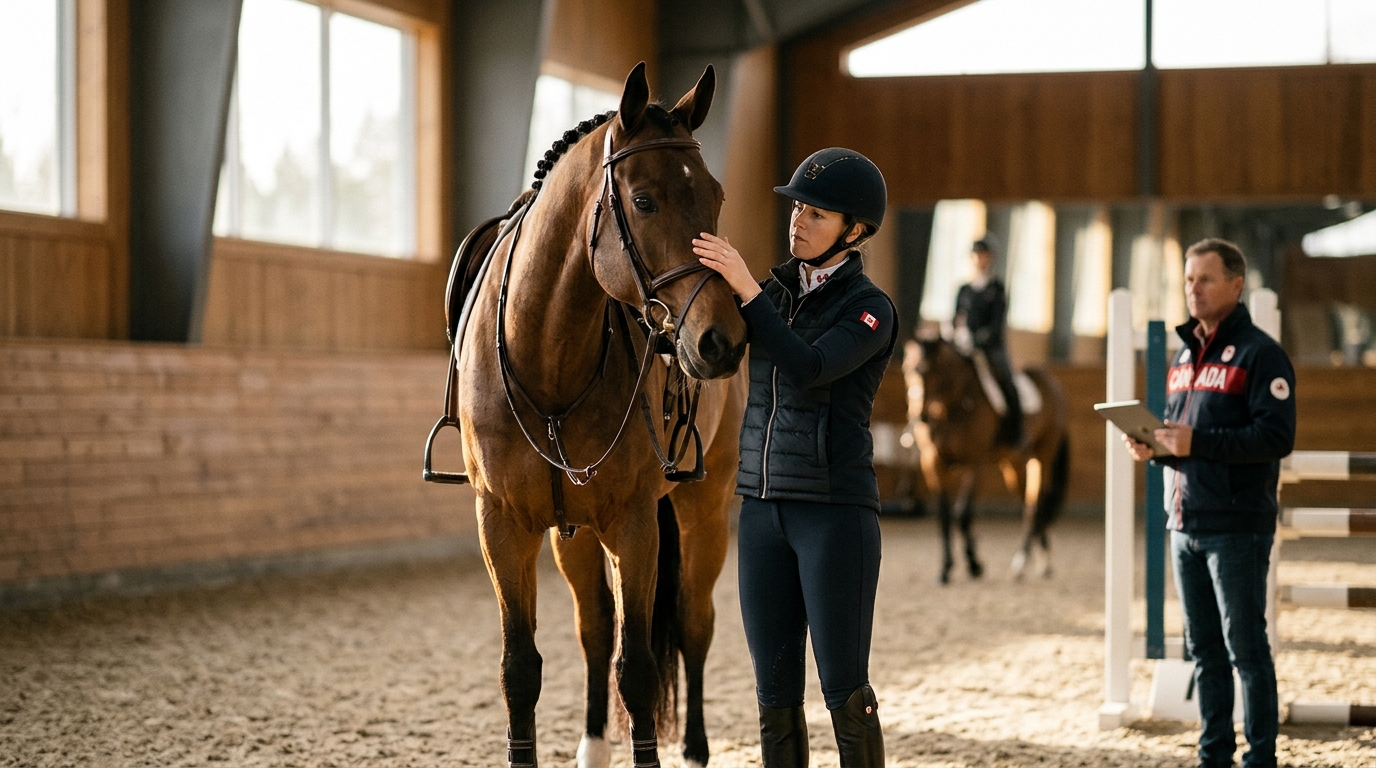
Canadian equestrian experts in 2026 emphasize a shift toward evidence-based, holistic training that prioritizes horse welfare and rider fitness. Horse Sport highlights how modern coaching integrates biomechanics, mental preparation, and updated national frameworks to create safer and more effective training environments for both athletes and their equine partners.
The Evolution of National Learning Frameworks
The most significant structural change in Canadian training is the modernization of the national athlete development pathway. Equestrian Canada has launched a refreshed LearnTo framework that serves as the umbrella for all equestrian learning in the country. This update does not replace the legacy Learn to Ride and Drive programs but evolves them into a more consistent, eight-level structure. The new framework introduces dedicated pathways for horse care and handling, known as LearnToCare, alongside expanded Western and Cross-Country streams. This evolution ensures that riders build a solid foundation in horsemanship before advancing to discipline-specific competition.
The implication for trainers and facilities is a need for standardized instruction. Coaches must now align their teaching methods with these national standards to ensure riders progress safely. By adopting this unified approach, the industry reduces the variability in training quality that has historically existed across different regions and disciplines.
Integrating Biomechanics and Rider Fitness
Modern training techniques increasingly recognize the rider as an athlete who requires specific physical conditioning. Research indicates that while the majority of equestrians agree that fitness impacts performance, a significant portion do not consider themselves athletically fit. This gap is addressed through cross-training, which is defined as engaging in two or more types of exercise to improve performance in a primary sport. Experts now recommend that riders focus on building core stability and correcting body asymmetries off the horse to prevent common injuries in the neck, back, and hips.
Biomechanics specialists emphasize that a rider's physical state directly influences the horse's movement. When a rider has underlying imbalances, it creates resistance and can lead to chronic biomechanical issues in the horse. Therefore, modern training plans now include dry-land exercises that allow the body to adapt symmetrically. This approach ensures that the rider can support the horse's athletic demands without causing strain or discomfort.
Decision Training and Cognitive Skills
Coaching methodologies have shifted from purely behavioral observation to decision training. This model focuses on developing the cognitive aspects of riding, such as pattern recognition, memory retrieval, and problem-solving. Traditional behavior training often relies on repeating skills until they become automatic, which can lead to inconsistent performance in new situations. In contrast, decision training uses variable and random practices to help riders lay down new neural networks for long-term skill retention.
The evidence suggests that riders who practice decision training are better equipped to handle the pressures of competition. They learn to make quick, accurate choices in the ring rather than relying on rote repetition. This cognitive approach is particularly beneficial for disciplines like show jumping and eventing, where course design and weather conditions require constant adaptation. By training the mind as well as the body, riders develop the mental sharpness necessary for high-level performance.
Welfare-First Training and Ethical Standards
There is a growing emphasis on the ethical implications of training methods, particularly in disciplines like dressage. Recent studies have examined how coaches and riders reconcile their passion for horses with the demands of competitive performance. The focus has shifted from simply achieving a specific look to promoting positive life experiences for the horse. This includes monitoring for signs of distress and ensuring that training does not compromise the animal's well-being.
Canadian experts are advocating for a culture where welfare is integrated into every training session. This means using techniques that respect the horse's natural behavior and communication. The updated Equine Code of Practice in Canada also reflects these advances in welfare science, providing a benchmark for reasonable care. Trainers are encouraged to stay informed about these regulatory changes to ensure their practices align with current industry standards.

Practical Applications for Daily Training
Implementing these insights requires practical adjustments to daily routines. Riders are advised to set clear intentions before each session, such as improving the accuracy of circles or maintaining soft contact. Mental preparation techniques, like deep breathing exercises, help riders stay grounded and relaxed. These simple practices can significantly improve the connection between horse and rider, leading to more harmonious training.
Furthermore, trainers are encouraged to assess the horse's current fitness level before increasing the intensity of work. This involves monitoring small setbacks in training and adjusting the plan accordingly. By balancing challenge with recovery, trainers can help horses adapt and grow without risking injury. This holistic approach ensures that both the horse and rider reach their full potential in a safe and sustainable manner.
Key Takeaways
- The LearnTo framework provides a standardized, eight-level pathway for rider development in Canada.
- Cross-training is essential for riders to build the physical fitness required for high-level equestrian sports.
- Decision training improves long-term skill retention by focusing on cognitive skills like problem-solving.
- Welfare-first training ensures that competitive goals do not compromise the horse's well-being.
- Mental preparation techniques, such as setting intentions and breathing exercises, enhance performance.
- Regular assessment of fitness levels helps prevent injury and supports sustainable progress.
Frequently Asked Questions
What is the LearnTo framework?
The LearnTo framework is a modernized national learning system in Canada that unifies equestrian education into a consistent, eight-level structure for riders and drivers.
Why is rider fitness important in training?
Rider fitness is important because physical imbalances in the rider can cause resistance and injury in the horse, while cross-training improves the rider's ability to support the horse's athletic demands.
How does decision training differ from behavior training?
Decision training focuses on cognitive skills like problem-solving and pattern recognition using variable practices, whereas behavior training relies on repeating skills until they become automatic.
What are the benefits of welfare-first training?
Welfare-first training ensures that the horse's well-being is prioritized, reducing the risk of distress and injury while promoting a positive and sustainable training environment.
How can riders improve their mental preparation?
Riders can improve mental preparation by setting clear intentions for each session and using breathing exercises to stay grounded and relaxed during training.
What is cross-training in equestrian sports?
Cross-training is defined as engaging in two or more types of exercise to improve fitness and performance in a primary sport, such as riding.
Conclusion
The landscape of equestrian training in Canada is evolving rapidly, with a strong focus on evidence-based practices, rider fitness, and horse welfare. By embracing these latest insights, riders and trainers can create more effective and sustainable training programs. Horse Sport continues to provide the latest news and expert articles to help the equestrian community stay informed and connected. Explore the latest training resources and industry updates on our platform to support your journey in the sport.