
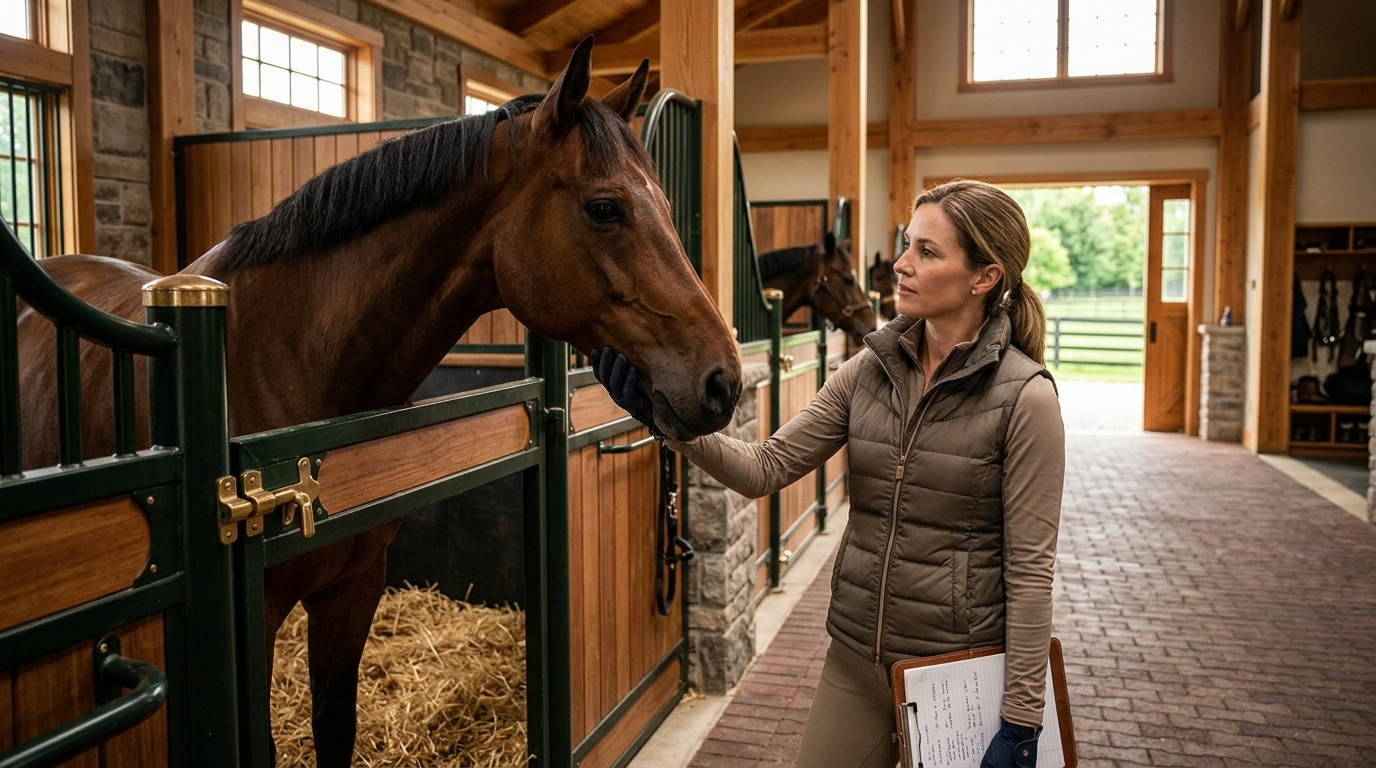
Finding the right facility is the single most critical decision for any equine professional or owner. According to recent industry data, over 60% of horse owners in Canada cite facility quality as the primary factor in their long-term satisfaction and their horse's performance. This statistic highlights that location is no longer the only metric that matters. The modern equestrian landscape demands a rigorous evaluation process that goes beyond basic fencing and feed. You must assess operational health, staff expertise, and community alignment to ensure your investment yields returns in both safety and competitive success. (Horse Sport)
Why Rigorous Evaluation Matters
The equestrian industry in Canada has evolved significantly. What was once a simple boarding arrangement is now a complex business ecosystem. Horse Sport has been the voice of this competition for over 50 years, documenting the shifts in how we manage our equine partners. Today, the stakes are higher. A poor facility choice can lead to chronic lameness, behavioral issues, and financial loss. Conversely, a well-run stable provides a competitive edge through superior training resources and community networking. (Donate 8211 Horse Sport)
Evaluating a stable requires looking at the operational specifics. You must ask how the facility manages pasture rotation. Pasture management is not just about grass; it is about soil health, parasite control, and nutritional consistency. A facility that neglects the ground beneath the horse's hooves is neglecting the foundation of their health. Furthermore, you must evaluate the human element. The staff's ability to recognize subtle facial expressions and behavioral changes in horses is a critical skill. Recent studies from the University of Guelph indicate that horses show distinct facial changes before and after riding, which can signal stress or pain. A good stable manager will be trained to spot these signs early. (Contests 8211 Horse Sport)
When you visit a potential stable, do not just look at the barn. Look at the manure piles. Are they managed correctly? Is the air quality breathable? These are the silent indicators of a facility's operational maturity. The Canadian Stable Directory serves as a vital resource for locating facilities, but it cannot replace your eyes and nose. You must conduct a physical inspection to verify the claims made in their marketing materials.
Understanding Service Models
Not all stables operate on the same model. Understanding the differences is essential for aligning your needs with their capabilities. The primary categories include full care, partial care, and self-care. Each model has distinct implications for your budget and your time commitment.
Full Care Facilities
Full care stables provide comprehensive services. This includes feeding, mucking stalls, turning out, and often basic farrier and veterinary coordination. These facilities are ideal for owners who are busy professionals or those who live far from their horses. The convenience comes at a premium price, but the value lies in the consistency of care. Your horse receives the same level of attention every day, regardless of your schedule.
Partial Care and Self-Care
Partial care stables offer a middle ground. They may provide feed and turnout but expect you to handle stall cleaning. Self-care stables provide the space and infrastructure, but you are responsible for everything else. This model is popular among competitive riders who have specific training routines and prefer to control every aspect of their horse's daily life. However, self-care requires a significant time investment. If you cannot commit to daily visits, this model will fail your horse.
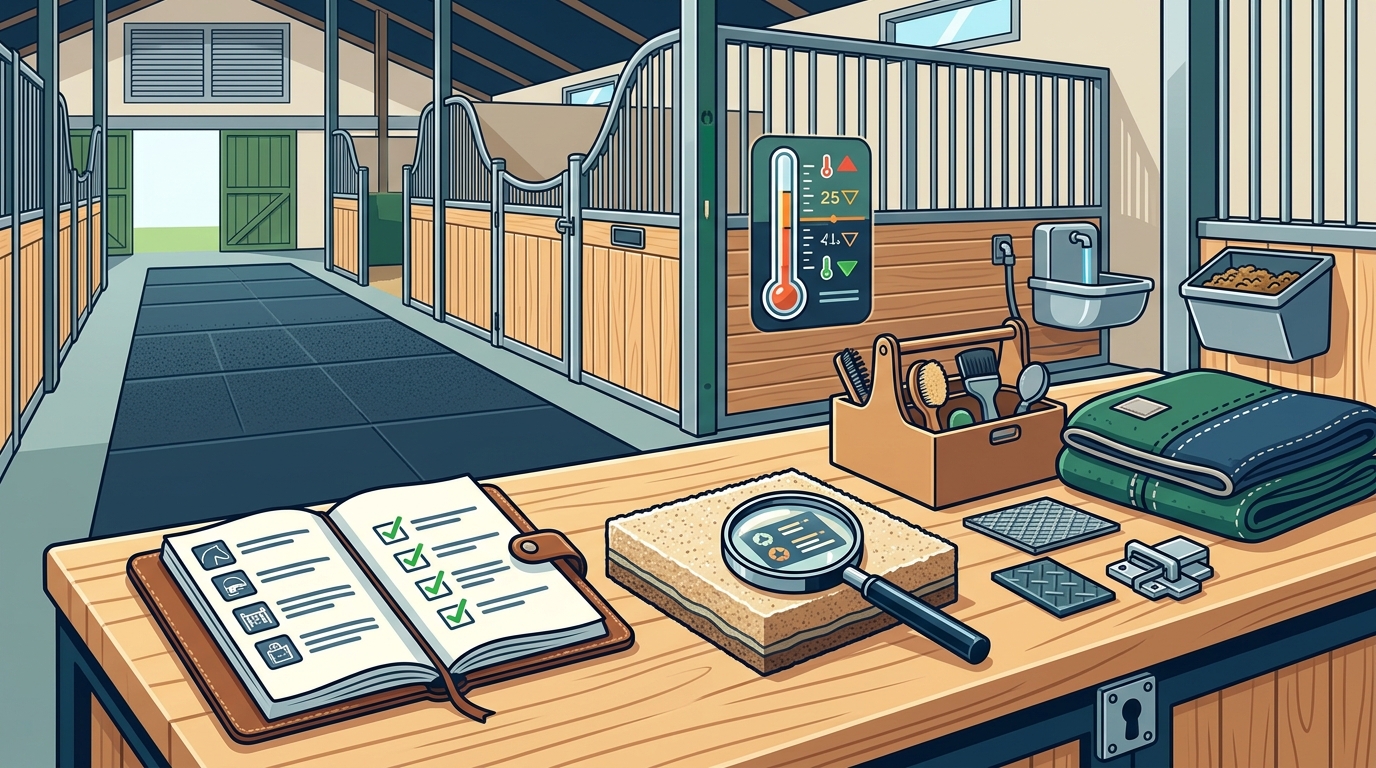
Specialized Training Centers
Some facilities specialize in specific disciplines. Whether it is dressage, show jumping, or western pleasure, these centers offer specialized footing, arenas, and coaching. Evaluating a training center requires looking at the coaching staff's credentials. Are they certified by Equestrian Canada? Do they have a track record of producing successful competitors? The quality of instruction is just as important as the quality of the barn.
Health and Welfare Standards
Health and welfare are the non-negotiable pillars of any reputable stable. When evaluating a facility, you must scrutinize their health protocols. This includes vaccination schedules, deworming programs, and emergency response plans. A stable that cannot clearly articulate its health protocols is a red flag.
Nutrition is another critical area. The minerals in horse feed must be bio-available to be effective. A good stable will use high-quality feeds from reputable manufacturers. They will also provide fresh water at all times. In the Canadian winter, this means ensuring water lines do not freeze. This requires infrastructure investment and daily labor. If the water is icy or unavailable, the horse's health is at risk.
Equine welfare also extends to social interaction. Horses are herd animals. A stable that isolates horses for long periods without social contact is failing a basic welfare requirement. Look for facilities that prioritize turnout and socialization. This is not just a luxury; it is a necessity for mental health. The Science of Pasture Management shows that carefully managing soil and plants ensures horses keep grazing happily. This happiness translates to better performance and fewer behavioral issues.
Additionally, consider the facility's approach to injury prevention. Are the arenas well-maintained? Is the footing consistent? Poor footing is a leading cause of musculoskeletal injuries. A stable that invests in high-quality arena surfaces is investing in your horse's longevity. This is a key differentiator between a basic boarding facility and a premium equestrian center.
Financial Analysis and Pricing
Cost is a major factor in your decision. However, the cheapest option is rarely the best value. You must analyze the total cost of ownership. This includes the monthly board, but also additional fees for farrier, vet, and training. Some stables bundle these services, while others charge separately. Understanding the fee structure is crucial for accurate budgeting.
When comparing prices, look at what is included. A lower board fee might exclude feed or turnout. A higher fee might include unlimited riding time or discounted lessons. Calculate the value proposition. If a stable charges more but provides superior coaching and facilities, the investment may be worth it for your competitive goals.
Also, consider the stability of the facility. Has the owner been in business for years? Is there a history of sudden price hikes or facility closures? A stable with a long track record offers more security. Horse Sport has documented the rise and fall of many facilities over the decades. Learning from these histories can help you avoid unstable operators. Look for stables that are members of professional associations. This often indicates a commitment to industry standards and ethical business practices.
Service Comparison Matrix
The table below summarizes the key differences between common stable service models. Use this matrix to guide your evaluation process.
| Service Model | Owner Responsibility | Best For | Cost Level | Key Evaluation Metric |
|---|---|---|---|---|
| Full Care | Minimal | Busy professionals | High | Staff responsiveness |
| Partial Care | Moderate | Weekend riders | Medium | Feed quality |
| Self-Care | Maximum | Competitive riders | Low to Medium | Facility maintenance |
| Training Center | Variable | Aspiring competitors | High | Coach credentials |
Key Takeaways
- Operational Health: Evaluate pasture management and manure handling to ensure long-term soil and horse health.
- Staff Expertise: Look for staff trained in recognizing equine facial expressions and behavioral stress signals.
- Service Alignment: Match your time availability with the correct service model, whether full care or self-care.
- Financial Transparency: Scrutinize all additional fees beyond the base board to understand the true cost.
- Community Reputation: Check the stable's history and membership in organizations like Equestrian Canada.
- Infrastructure Quality: Inspect arena footing and water systems, especially for winter reliability.
- Welfare Standards: Ensure the facility prioritizes social interaction and proper nutrition.
Frequently Asked Questions
What is the most important factor when evaluating a horse stable?
The most important factor is the consistency of care. A stable must provide reliable daily attention to feeding, watering, and health monitoring. Inconsistency can lead to serious health issues for your horse.
How do I assess the quality of a stable's feed?
Ask to see the feed bags and storage facilities. High-quality feed is stored in dry, pest-free environments. Inquire about the brand and mineral content to ensure bio-availability for your horse.
What should I look for in a stable's emergency plan?
A good emergency plan includes clear protocols for vet access, fire safety, and severe weather. Ask the owner to walk you through their process for handling a sick or injured horse.
Is self-care boarding worth the cost savings?
Self-care is worth it if you have the time and expertise. It offers greater control over your horse's routine. However, it requires a significant daily time commitment that many owners underestimate.
How can I verify a stable's reputation?
Check online reviews and ask for references from current boarders. Visit the stable at different times of day to observe operations. Horse Sport's Canadian Stable Directory can also provide a list of local facilities for comparison.
What role does pasture management play in horse health?
Pasture management directly impacts nutrition and parasite load. Well-managed pastures provide fresh forage and reduce the risk of laminitis and colic. It is a critical component of equine welfare.
Next Steps
Evaluating a horse stable is a complex process that requires diligence and attention to detail. By focusing on operational health, service alignment, and welfare standards, you can make an informed decision that benefits both you and your horse. Horse Sport is dedicated to supporting the equestrian community with independent journalism and resources. We encourage you to explore our Canadian Stable Directory to find facilities in your area. For more insights on equine health and training, visit our Articles section. If you have questions about our content or advertising opportunities, please Contact Us directly. Your journey to the perfect stable starts with the right information.