
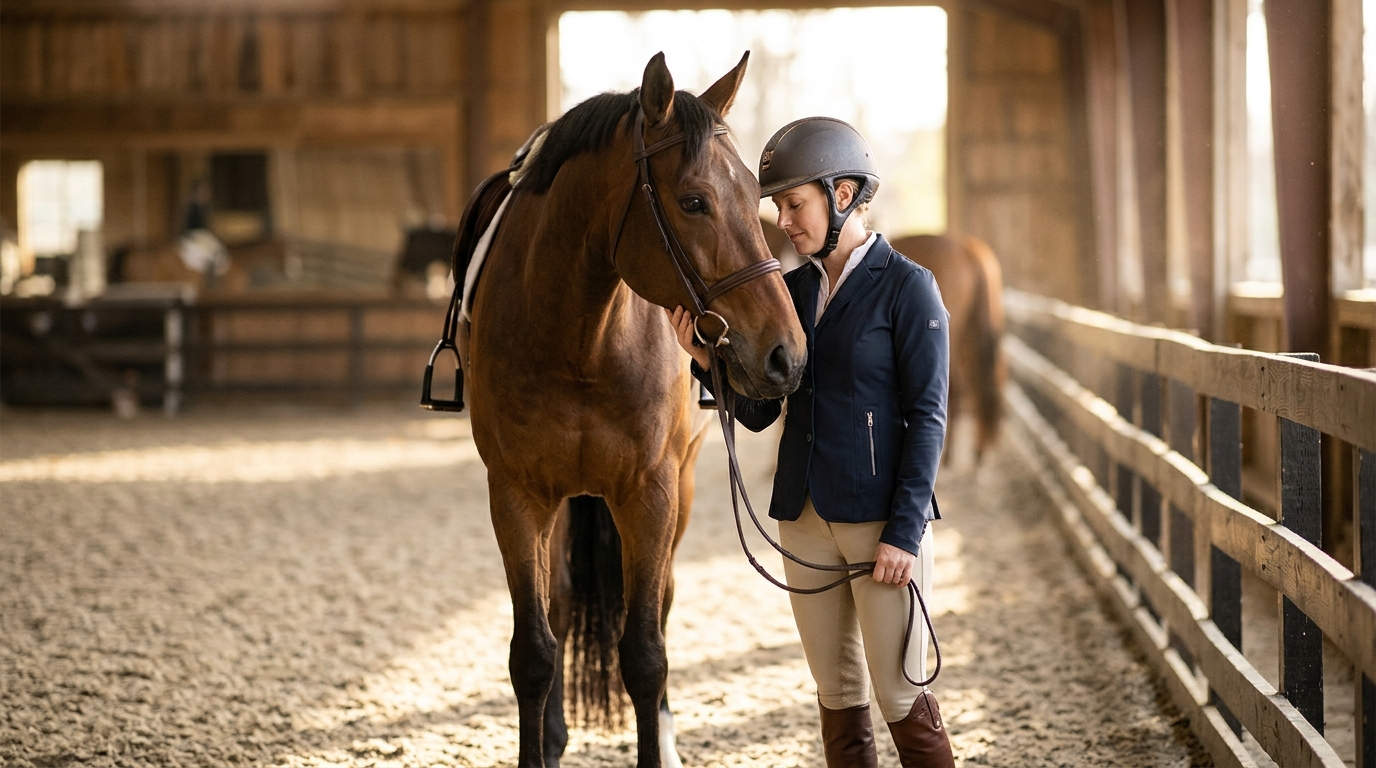
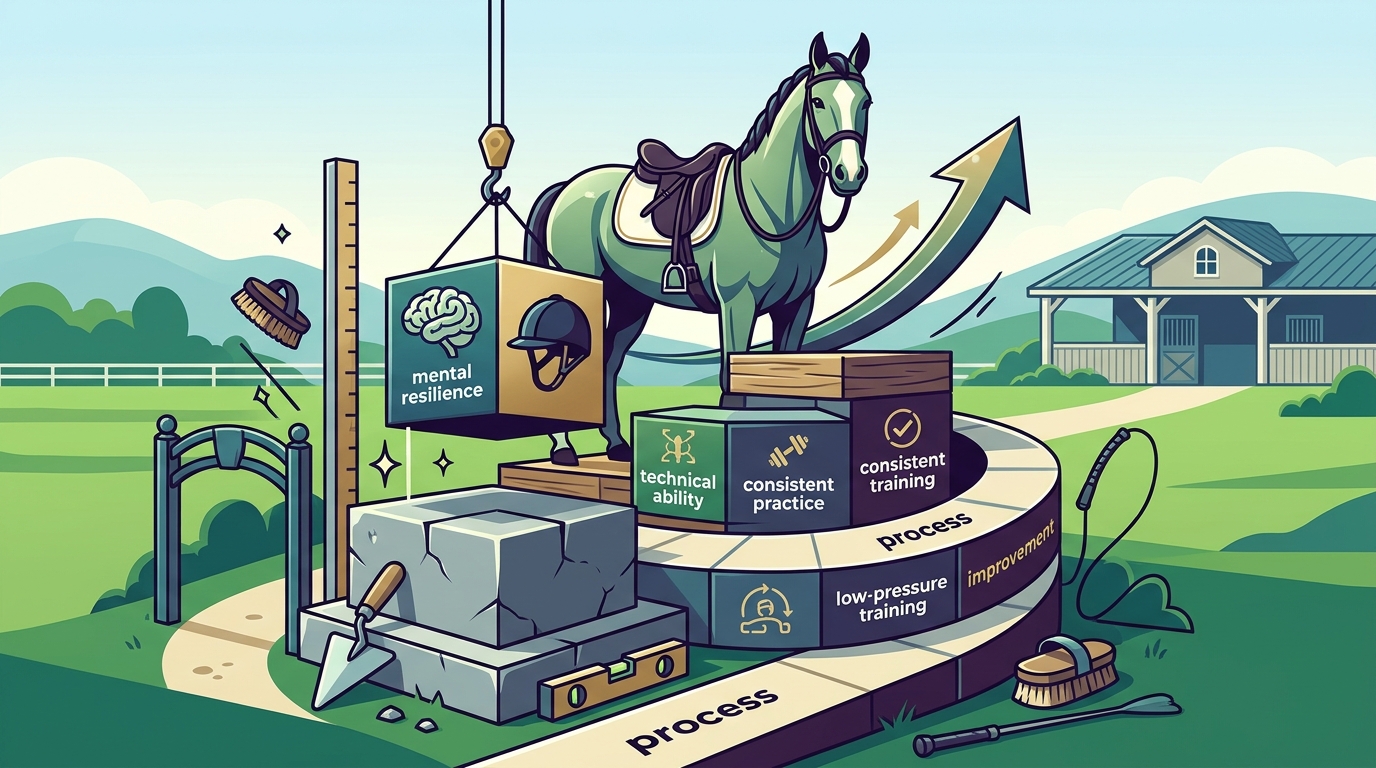
Building confidence as an equestrian rider is a process of aligning your mental state with your physical skills through consistent, low-pressure practice. Horse Sport emphasizes that mental resilience is as critical as technical ability in the saddle. Riders often struggle with anxiety, but structured training and a deep understanding of horse behavior can transform fear into focused performance. This guide outlines practical steps to strengthen your mental game.
Understanding the Psychology of Riding
Confidence in the saddle is not merely about feeling brave; it is a measurable state of trust between rider and horse. Rider psychology is the study of how mental states affect physical performance and equine behavior. When a rider is anxious, their body language becomes tense, which the horse perceives and reacts to, creating a feedback loop of stress. Understanding this dynamic is among the first step toward breaking it. For additional details, review the Contact Us Horse Sport.
Research in equine behavior shows that horses are highly sensitive to human emotional cues. A study referenced in Horse Sport highlights how subtle changes in rider posture and tension can impact a horse's comfort and performance. By recognizing these cues, riders can learn to remain calm even in challenging situations. This awareness allows you to manage your own stress before it affects your mount.
The implication is clear: mental training is not optional. It is a fundamental component of equestrian excellence. Riders who invest in their psychological well-being often see faster progress in their technical skills. This holistic approach ensures that your mind and body work in harmony with your horse.
Mastering the Fundamentals
Confidence is built on a foundation of solid technical skills. You cannot feel secure in the saddle if your basic position is unstable. Position is the rider's alignment and balance relative to the horse's center of gravity. A secure, independent seat allows you to absorb the horse's movement rather than fighting against it. This physical stability translates directly into mental confidence.
Consider the example of a beginner who struggles with balance. Every time the horse moves, the rider feels a loss of control. However, through consistent lessons focused on seat and leg aids, the rider develops a sense of security. This technical mastery reduces the fear of the unknown. When you know exactly what to do in a given situation, anxiety naturally decreases.
Focus on one skill at a time. Whether it is maintaining a straight line or executing a smooth halt, mastering small components builds a cumulative sense of competence. This incremental approach prevents overwhelm and creates a positive reinforcement cycle. Each small success reinforces your belief in your abilities.
The Role of Consistent Practice
Regular, structured practice is the engine of confidence. Consistency is the habit of engaging in deliberate practice sessions with specific goals. Irregular or aimless riding leads to plateaus and frustration. By setting clear objectives for each session, you create a roadmap for improvement. This structure provides a sense of control and direction.
For instance, a rider preparing for a competition might focus on warm-up routines that mimic the pressure of the arena. This exposure therapy helps desensitize the rider to the stress of performance. Over time, the nervous system learns that the arena is a safe place to perform. This mental conditioning is crucial for maintaining composure under pressure.
The implication of consistent practice is that confidence becomes a habit. It is not a fleeting emotion but a reliable state of mind. Riders who practice regularly develop a deep trust in their own abilities. This trust is the bedrock of high-level performance.
Managing Competition Anxiety
Competition anxiety is a common challenge for equestrians. Performance anxiety is the fear of failure or judgment in a high-stakes environment. It can manifest as physical symptoms like a racing heart or shaky hands. However, anxiety is not the enemy; it is a signal that you care about the outcome. The key is to channel this energy into focus rather than fear.
Techniques such as deep breathing and visualization can help manage these symptoms. Before entering the arena, take a moment to breathe deeply and visualize a successful round. This mental rehearsal primes your brain for success. It also helps you stay present in the moment, rather than worrying about potential mistakes.
Remember that every rider, regardless of level, experiences some degree of anxiety. The difference lies in how they manage it. By developing a pre-competition routine, you create a sense of normalcy and control. This routine becomes a anchor that keeps you grounded when the pressure mounts.
Building a Supportive Community
Confidence is also built through social support. Community is the network of peers, coaches, and mentors who provide encouragement and feedback. Riding in isolation can lead to self-doubt and stagnation. Surrounding yourself with positive, knowledgeable individuals creates an environment where growth is celebrated. This social support system is invaluable for maintaining motivation.
Engage with the equestrian community through local shows, clinics, and online forums. Sharing your experiences with others can provide new perspectives and solutions. You may find that your challenges are common to many riders. This realization can be incredibly reassuring. It reminds you that you are not alone in your journey.
The implication of a supportive community is that you are never truly alone in your struggles. You have a network of people who understand the unique demands of equestrian sport. This sense of belonging strengthens your resolve and keeps you connected to your passion.
Key Takeaways
- Confidence is a skill that can be developed through mental and physical training.
- Technical mastery of fundamentals provides the foundation for mental security.
- Consistent, goal-oriented practice creates a reliable sense of competence.
- Performance anxiety can be managed through breathing and visualization techniques.
- A supportive community provides the encouragement needed for long-term growth.
- Understanding horse behavior helps you manage the rider-horse feedback loop.
Frequently Asked Questions
How long does it take to build equestrian confidence?
Building confidence is a gradual process that varies by individual. Most riders notice significant improvements within a few months of consistent, focused practice. Patience and persistence are key.
What is the most effective way to overcome fear of falling?
The most effective way is to build a secure, independent seat through lessons with a qualified instructor. As your balance improves, your fear of falling naturally diminishes.
Can I build confidence without competing?
Yes, you can build confidence through consistent training and setting personal goals. Competition is not required for mental growth, though it can be a valuable tool for testing your skills.
How does horse behavior affect my confidence?
Horses are sensitive to human emotions. If you are anxious, your horse may become unsettled, which can further erode your confidence. Learning to remain calm helps your horse stay calm.
What role does nutrition play in rider confidence?
While nutrition does not directly build confidence, maintaining good physical health supports mental clarity and energy levels. A well-nourished body is better equipped to handle the demands of riding.
Conclusion
Building confidence as an equestrian rider is a journey that requires patience, practice, and a willingness to learn. By focusing on technical fundamentals, managing anxiety, and engaging with a supportive community, you can develop a strong mental foundation. Horse Sport encourages riders to embrace this process and enjoy the ride. Your confidence will grow with every lesson and every round.