
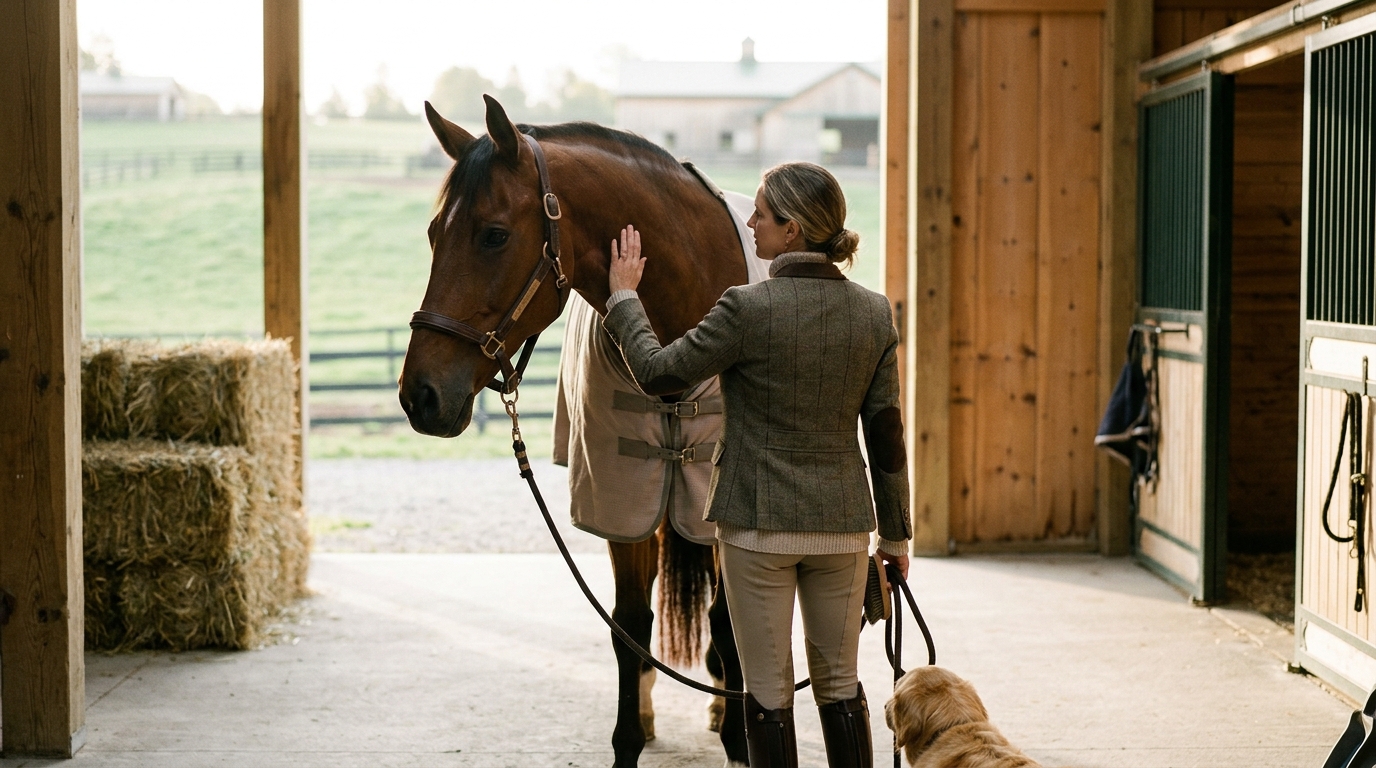
Equine ownership represents a significant lifestyle commitment that extends far beyond the initial purchase price. According to recent industry analyses, the average annual cost of owning a horse in North America ranges from $4,000 to $7,000 when accounting for boarding, feed, and routine veterinary care. This financial reality underscores the importance of informed decision-making before entering the equestrian world. Whether you are a prospective buyer, a current owner seeking to optimize your farm management, or a rider aiming to refine your training techniques, understanding the holistic needs of the horse is paramount. This guide synthesizes expert insights from Horse Sport to provide a definitive roadmap for responsible and successful horse ownership.
Understanding Equine Welfare and Health
The foundation of any successful horse ownership journey is a deep understanding of equine welfare. Horses are prey animals with complex social and physical needs that must be met to ensure their well-being. Equine welfare is the state of an animal as it attempts to cope with its environment. This definition encompasses physical health, mental state, and natural behavior expression.
Recent studies in equine behavior have highlighted the importance of subtle cues in assessing a horse's condition. A University of Guelph study found that subtle facial changes before and after riding may provide valuable insights into how horses experience their work. This research emphasizes the need for owners to be observant and responsive to their animals' non-verbal communication. Regular veterinary check-ups, dental care, and hoof maintenance are non-negotiable aspects of this welfare framework.
Furthermore, the mental health of the horse is often overlooked. Horses thrive in social groups and can suffer from stress when isolated. Providing companionship, either through other horses or compatible species, is a critical component of modern welfare standards. Owners must also consider the ethical implications of their riding disciplines and ensure that training methods prioritize the horse's physical and psychological safety.
Nutrition and Pasture Management
Proper nutrition is the engine that drives equine health and performance. The science of feeding horses has evolved significantly, moving beyond simple hay and grain to include sophisticated mineral balancing and forage analysis. Equine nutrition is the study of how horses digest and utilize food for energy, growth, and maintenance. This field requires a nuanced understanding of individual horse needs based on age, workload, and metabolic health.
One critical aspect of equine nutrition is mineral bioavailability. It is not enough to have minerals in your horse feed; they need to be bio-available for maximum effect. This means that the form of the mineral matters as much as the quantity. For instance, chelated minerals are often more readily absorbed by the horse's system than inorganic forms. Consulting with an equine nutritionist can help tailor a diet that addresses specific deficiencies or performance requirements.
Pasture management is equally vital. Carefully managing your pastures' soil and plants from the ground up can ensure your horses keep grazing happily all summer long. Healthy pastures provide not only nutrition but also mental stimulation and exercise. Soil testing and rotational grazing are best practices that prevent overgrazing and reduce the risk of parasitic load. Additionally, managing pasture forage sugar levels is crucial for horses prone to laminitis or insulin dysregulation. Regular forage testing allows owners to adjust supplemental feeding accordingly, ensuring that the horse receives a balanced diet without excess calories.
Training and Behavioral Psychology
Training a horse is a collaborative process that requires patience, consistency, and a deep respect for the animal's psychology. Modern training methodologies emphasize positive reinforcement and clear communication over force. Equine behavior is the study of how horses interact with their environment and other animals. Understanding this behavior is key to building a trusting relationship between horse and rider.
One area of focus in contemporary training is the development of balance and lead changes in jumping disciplines. Proper lead changes are essential for a horse's balance and can prevent injury during complex maneuvers. Riders must work with their horses to develop the strength and coordination needed for these movements. This process often involves groundwork, lateral exercises, and gradual progression in the saddle.
Rider psychology also plays a significant role in training outcomes. Horses are highly sensitive to their rider's emotional state. Anxiety, frustration, or lack of focus from the rider can be mirrored by the horse, leading to behavioral issues. Developing mental resilience and clear intent is as important as physical skill. Many top trainers now incorporate mental conditioning techniques to help riders manage stress and maintain focus during competitions.
Choosing the Right Stable and Services
For many owners, finding the right stable is a critical decision. The Canadian Stable Directory offers a comprehensive resource for locating facilities that match specific riding styles and service needs. Whether you require boarding, training, or therapeutic services, the right facility can make a significant difference in your horse's quality of life.
When evaluating stables, consider the following factors:
- Facility Maintenance: Clean stalls, well-maintained arenas, and safe fencing are essential.
- Staff Expertise: Qualified staff who understand equine behavior and health are crucial.
- Community: A supportive community of riders and owners can enhance the ownership experience.
- Services Offered: Look for facilities that offer veterinary access, farrier services, and training clinics.
The Canadian Stable Directory allows you to filter by province, riding style, and specific services such as boarding, lessons, or rehabilitation. This tool is invaluable for connecting with reputable facilities across Canada. Additionally, consider visiting the facility in person to observe daily operations and interact with the staff and horses.
Financial Planning for Equine Ownership
Financial planning is often the most daunting aspect of horse ownership. Costs can vary widely depending on location, discipline, and the level of care required. It is essential to create a detailed budget that accounts for both expected and unexpected expenses.
Key cost categories include:
| Expense Category | Estimated Annual Cost | Notes |
|---|---|---|
| Boarding | $3,000 - $6,000 | Varies by region and level of care |
| Feed and Supplements | $1,200 - $2,400 | Depends on forage quality and workload |
| Veterinary Care | $500 - $1,500 | Includes routine exams and vaccinations |
| Farrier Services | $600 - $1,200 | Typically every 6-8 weeks |
| Training and Lessons | $1,000 - $5,000+ | Depends on discipline and frequency |
Emergency funds are critical. Equine medical emergencies can arise suddenly and cost thousands of dollars. Setting aside a dedicated emergency fund or purchasing equine insurance can provide financial peace of mind. Additionally, consider the long-term costs of retirement care, which may include specialized boarding or pasture-based living arrangements.
Key Takeaways
- Cost Awareness: Annual ownership costs typically range from $4,000 to $7,000, excluding initial purchase.
- Welfare First: Equine welfare encompasses physical health, mental state, and natural behavior expression.
- Nutrition Science: Mineral bioavailability is crucial for effective supplementation and health.
- Pasture Management: Soil health and rotational grazing prevent overgrazing and parasitic issues.
- Behavioral Insight: Facial expressions and body language provide key insights into horse well-being.
- Resource Utilization: The Canadian Stable Directory is a vital tool for finding quality facilities.
- Financial Preparedness: Emergency funds and insurance are essential for responsible ownership.
Frequently Asked Questions
What is the average cost of owning a horse in Canada?
The average annual cost of owning a horse in Canada ranges from $4,000 to $7,000, depending on location, boarding type, and discipline. This includes feed, veterinary care, farrier services, and training.
How can I improve my horse's mineral absorption?
To improve mineral absorption, ensure that the minerals in your horse's feed are bio-available. This often involves using chelated minerals and consulting with an equine nutritionist for a balanced diet.
What is equine welfare?
Equine welfare is the state of an animal as it attempts to cope with its environment. It includes physical health, mental well-being, and the ability to express natural behaviors.
How do I find a reputable stable in Canada?
You can use the Canadian Stable Directory to filter facilities by province, riding style, and services offered. Always visit the facility in person before committing.
Why is pasture management important for horse health?
Carefully managing your pastures' soil and plants from the ground up can ensure your horses keep grazing happily all summer long. Healthy pastures provide nutrition, mental stimulation, and help control parasites.
What are the signs of stress in a horse?
A University of Guelph study found that subtle facial changes before and after riding may provide valuable insights into how horses experience their work. Other signs include tail swishing, ear positioning, and changes in appetite.
Is equine insurance necessary?
While not legally required, equine insurance is highly recommended to protect against unexpected medical emergencies, theft, or liability issues. It provides financial security for both the horse and the owner.
Get Expert Guidance
Navigating the complexities of horse ownership requires expert knowledge and reliable resources. Contact Horse Sport today to connect with industry professionals, access the latest equine news, and explore the Canadian Stable Directory for your facility needs. Whether you are looking for training advice, nutritional guidance, or community support, Horse Sport is your trusted partner in the equestrian world.