
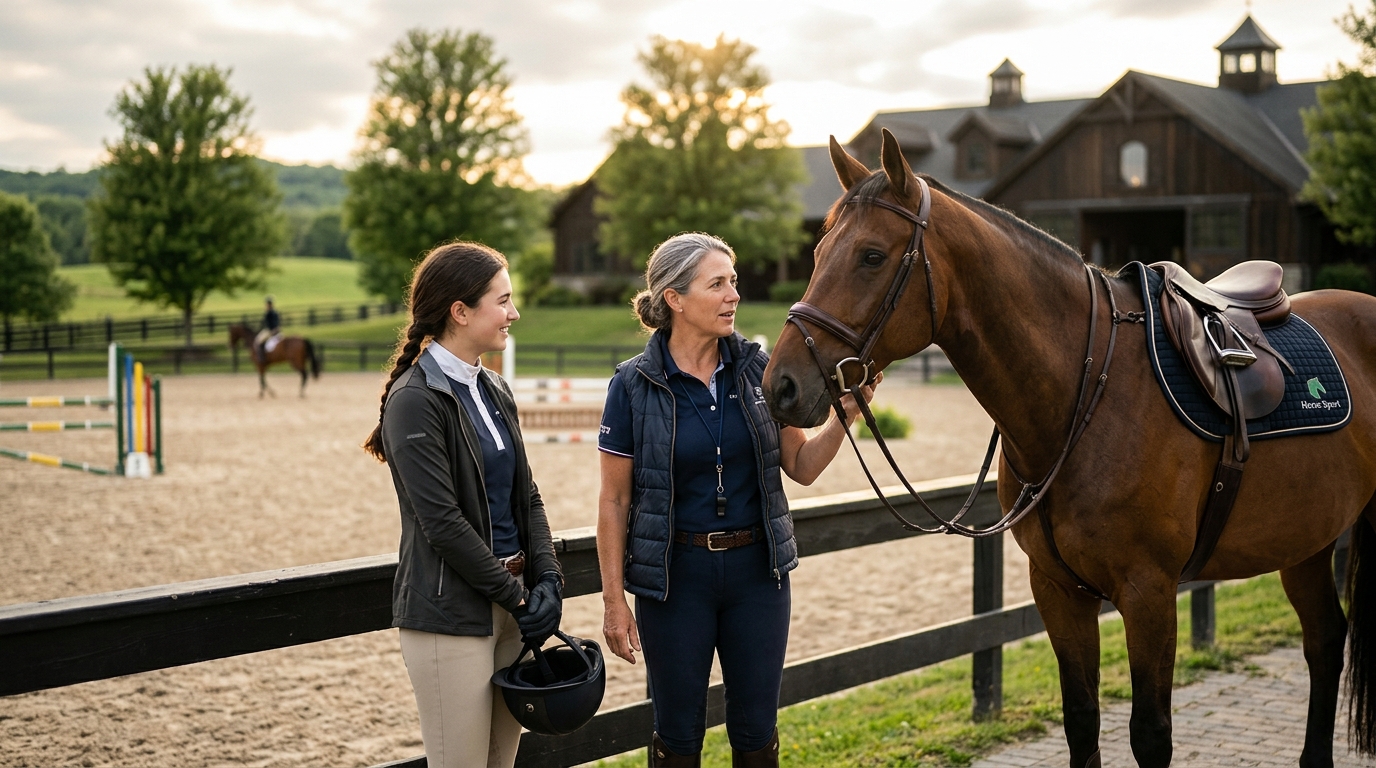
Choosing the right trainer is the single most critical decision in your equestrian journey. According to recent industry data, over 60% of rider dissatisfaction stems from a mismatch in training philosophy rather than a lack of skill. This statistic highlights that technical ability is only half the equation. The other half involves communication, safety protocols, and long-term career planning. This guide provides a rigorous framework for evaluating expert horse trainers across disciplines.
Understanding Discipline-Specific Requirements
Equestrian sports are not monolithic. A trainer who excels in Western pleasure may lack the technical precision required for hunter jumper circuits. Discipline specialization is the first filter in your evaluation process. You must identify whether the trainer has a proven track record in your specific goal, whether that is eventing, dressage, or equitation.
Look for trainers who actively compete or coach in your target discipline. A trainer who has recently placed in regional or national competitions understands the current judging trends and technical demands. Horse Sport has long covered the nuances of these disciplines, providing insights into what separates top-tier competitors from the rest. You can explore more about equestrian competition standards to understand the baseline expectations for your chosen sport.
Technical Proficiency vs. General Knowledge
General horsemanship is valuable, but it does not replace specialized coaching. For instance, the biomechanics of a dressage horse differ significantly from those of a reining horse. Ensure the trainer possesses the specific anatomical and technical knowledge required for your horse's development.
Evaluating Credentials and History
Credentials provide a baseline of verified competence. However, they are not the sole indicator of success. You must dig deeper into the trainer's history and their relationship with governing bodies.
Recognized Certifications
In Canada, the Canadian Equestrian Federation and regional bodies like Equestrian Canada set the standard for coaching certification. Look for trainers who hold current certifications from recognized bodies such as the Canadian Horse Sport Coaches Association. These certifications require ongoing education and adherence to a code of ethics.

Competitive Track Record
3. Recent Activity: A trainer who has not competed or coached in the last five years may be out of touch with current techniques and regulations. Ask for a list of recent students and their achievements. A strong history of placing students in finals or national competitions is a positive signal.For more context on the competitive landscape, you can review latest equestrian news and profiles to see which trainers are currently dominating the circuit.
Assessment of Training Methods
This is the most subjective yet critical part of the evaluation. You must observe the trainer in action. Training philosophy must align with your horse's temperament and your learning style.
Positive Reinforcement and Science-Based Methods
Modern equine science emphasizes the importance of understanding horse psychology. According to a study on equine facial expressions and welfare, subtle changes in a horse's face can indicate stress or confusion. A good trainer will use this data to adjust their approach, ensuring the horse is not overwhelmed.
Ask the trainer about their approach to problem-solving. Do they use force to suppress behavior, or do they seek to understand the root cause? Ethical training methods focus on building trust and clear communication. Avoid trainers who rely on intimidation or outdated punitive measures.
Adaptability
Every horse is an individual. A rigid trainer who applies the same drill to every horse will fail. Look for someone who can adapt their cues and exercises to suit your horse's unique physical and mental makeup.
Facility and Safety Standards
The environment in which training occurs plays a huge role in safety and progress. A well-maintained facility reflects the trainer's professionalism and respect for their animals.
Infrastructure Quality
Inspect the arenas, stalls, and fencing. The footing should be consistent and appropriate for the discipline. Poor footing can lead to serious injuries. Stalls should be clean, well-ventilated, and spacious enough for the horse to move comfortably. Canadian stable directories can help you verify the reputation and condition of local facilities.
Emergency Protocols
Ask about the trainer's emergency plan. Do they have first aid kits for both humans and horses? Are they trained in equine first aid? A professional trainer will have clear protocols for handling accidents or medical emergencies.
Communication and Philosophy
Training is a partnership between you, the horse, and the trainer. If you cannot communicate effectively, progress will stall.
Clarity and Feedback
Does the trainer explain the "why" behind their instructions? A good coach empowers you with knowledge. They should provide clear, actionable feedback during lessons and be available for questions between sessions.
Long-Term Vision
Ask the trainer to outline a potential path for your horse. Do they have a realistic timeline for achieving your goals? Be wary of trainers who promise quick fixes or guarantee specific results. Horse training is a gradual process influenced by many variables.
Pricing and Contracts
Financial transparency is essential. Ensure you understand all costs involved before committing.
Fee Structure
Trainers may charge per lesson, monthly packages, or full board with training included. Compare these options against your budget and frequency of training. Contacting Horse Sport can provide additional resources on industry standards for pricing.
Contract Terms
Review the contract carefully. Look for clauses regarding cancellation policies, liability, and termination. Ensure both parties understand the expectations for care, feeding, and veterinary expenses if the horse is boarded at the facility.
Key Takeaways
- Discipline Match: Ensure the trainer specializes in your specific equestrian discipline.
- Credentials: Verify current certifications from recognized bodies like Equestrian Canada.
- Observation: Always watch a live lesson before making a decision.
- Philosophy: Choose a trainer who uses science-based, ethical training methods.
- Facility: Inspect the safety and quality of the training environment.
- Communication: Prioritize trainers who explain concepts clearly and empower you.
- Transparency: Review all financial and contractual terms upfront.
Frequently Asked Questions
How do I find a reputable horse trainer in my area?
Use resources like the Canadian Stable Directory to filter trainers by location and discipline. Additionally, ask for referrals from local veterinarians and fellow riders.
What qualifications should a horse trainer have?
Look for certifications from recognized governing bodies such as Equestrian Canada or the Canadian Horse Sport Coaches Association. A strong competitive history is also a valuable indicator of expertise.
How much does it cost to hire a horse trainer?
Pricing varies widely based on location, discipline, and the trainer's experience. Some charge per lesson, while others offer monthly packages. It is best to request a detailed fee schedule during your initial consultation.
Can I switch trainers if I am unhappy with the progress?
Yes, you can switch trainers at any time. However, it is important to review your contract for any cancellation fees or notice periods. Open communication with your current trainer can also help resolve issues before considering a change.
What is the importance of training philosophy?
Your training philosophy dictates how your horse is treated and how quickly they learn. A philosophy aligned with ethical, science-based methods ensures the horse's welfare and long-term success.
How often should I take lessons?
The frequency depends on your goals and budget. Generally, weekly lessons provide consistent progress. More frequent lessons may be necessary for competitive riders preparing for shows.
What should I look for in a training facility?
Look for clean stalls, well-maintained arenas with appropriate footing, and safe fencing. The facility should also have clear emergency protocols in place.
How do I know if a trainer is using ethical methods?
Ethical trainers focus on building trust and clear communication. They avoid force and intimidation. Observe how the trainer interacts with the horse during lessons. If the horse appears stressed or fearful, it may be a sign of unethical practices.
Next Steps
Take the time to evaluate potential trainers thoroughly. Use the criteria outlined in this guide to make an informed decision. For more resources on equestrian health, training, and industry news, visit Horse Sport. If you have further questions or need assistance, you can contact us directly.