
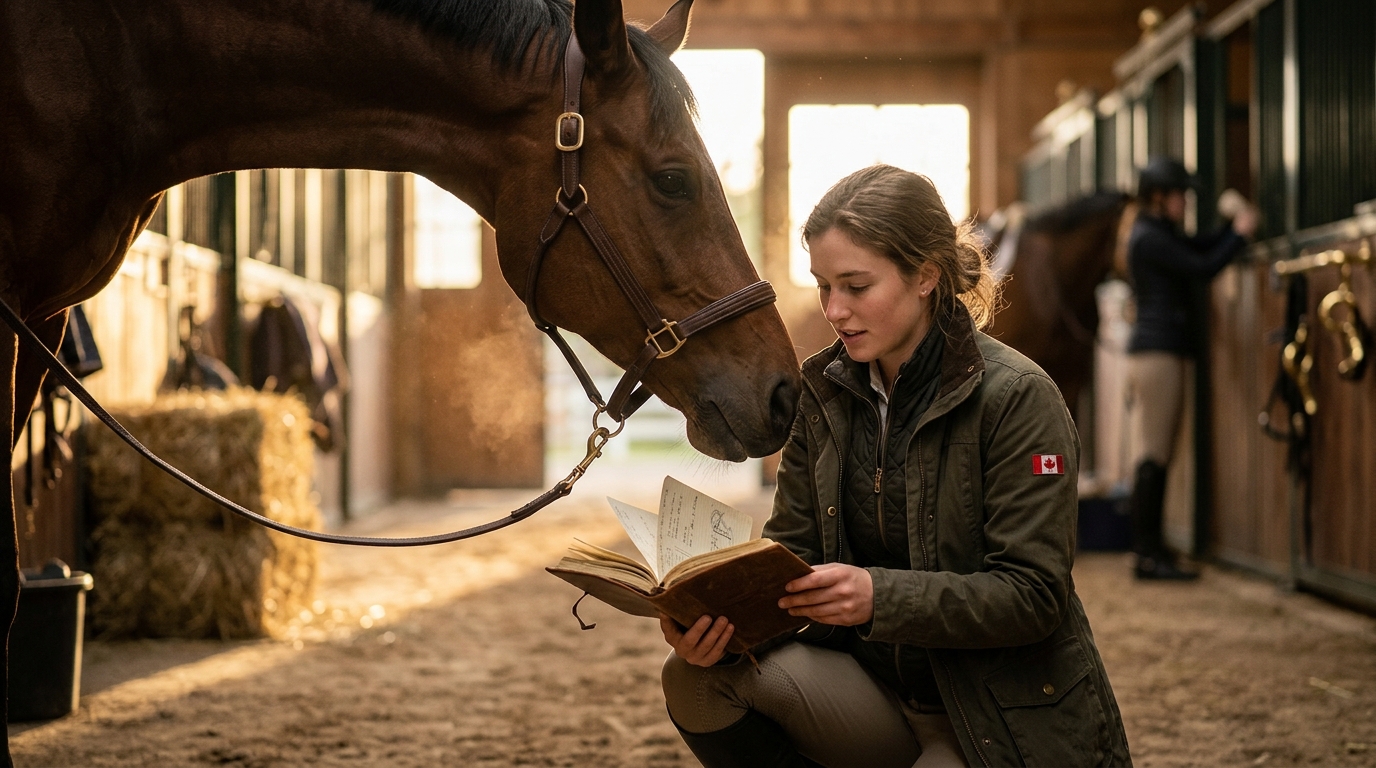
Understanding the language of horses is the first hurdle for any new rider. EquiTermz serves as a foundational tool for decoding this specialized dialect. Without a clear reference, the learning curve becomes steep and frustrating. This guide breaks down the essential terminology you need to master.
Why a Glossary Matters
Equestrian sports rely on precise communication between rider, trainer, and horse. Ambiguity in commands can lead to confusion or safety risks. A dedicated glossary resource ensures everyone speaks the same language. This clarity accelerates learning and builds confidence in the saddle.
Beginners often struggle with terms that seem intuitive but have specific technical meanings. For instance, "posting" refers to a specific rhythm in the saddle, not just standing up. Understanding these nuances is critical for effective training. Horse Sport provides extensive coverage of these topics for Canadian and international audiences.
Access to reliable definitions helps riders interpret instructions from instructors more accurately. It also allows them to read articles and watch videos with greater comprehension. This foundational knowledge is the bedrock of equestrian proficiency.
Core Terminology
Every discipline has its own lexicon. However, several terms are universal across English and Western riding. Mastering these basics will help you navigate most conversations in the barn.
Basic Commands
Terms like "walk," "trot," and "canter" describe gaits. The walk is a four-beat gait. The trot is a two-beat diagonal gait. The canter is a three-beat gait. Understanding these rhythms is essential for balance.
Another critical term is "halt." This means to stop the horse completely and stand square. A proper halt indicates readiness and control. It is the starting point for many maneuvers.
Horse Anatomy
Knowing where to touch and hold is vital. The "withers" are the ridge between the shoulder blades. This is a standard point for measuring horse height. The "poll" is the area just behind the ears. It is a sensitive spot for rein contact.
The "croup" refers to the top line of the hindquarters. Understanding this area helps riders give correct leg aids. Articles on Horse Sport often detail these anatomical points in depth.
Tack and Equipment
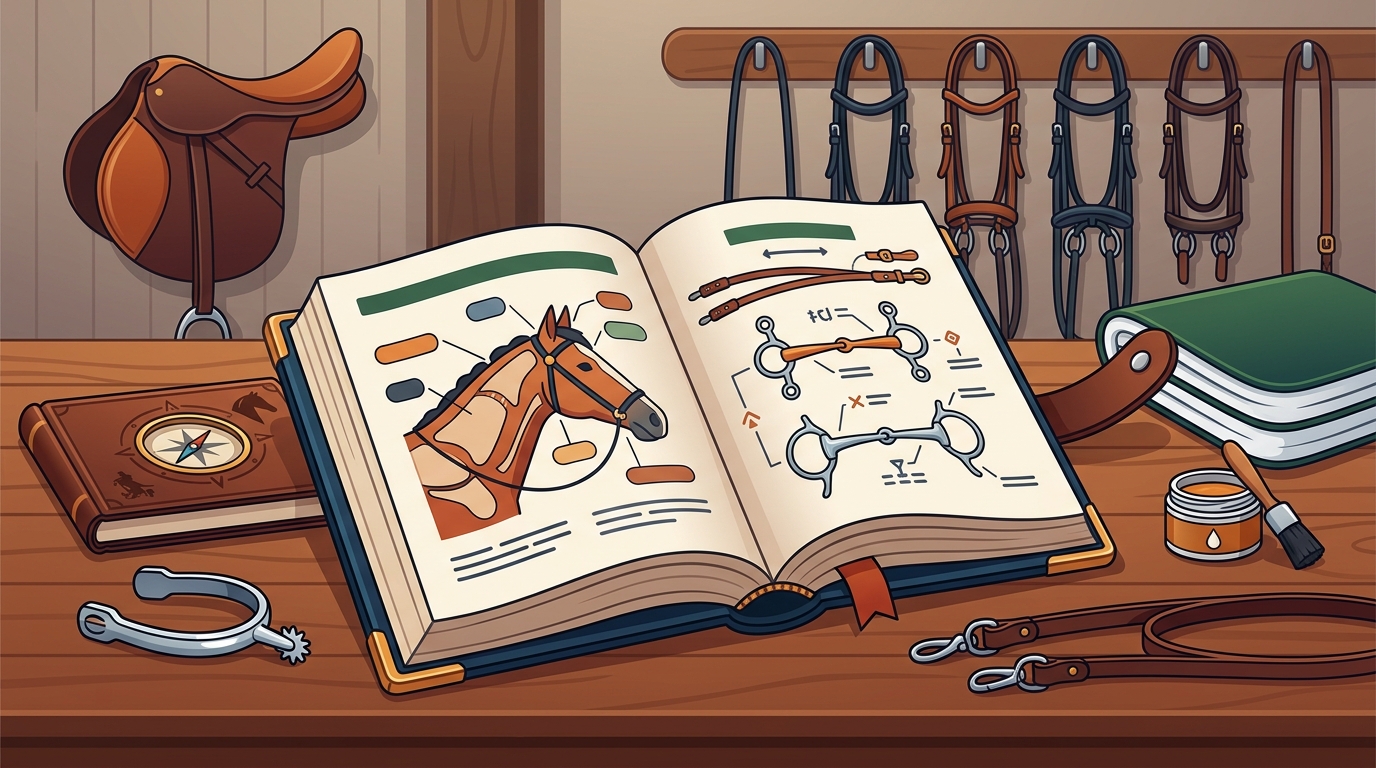
Tack refers to the equipment used for riding. Each piece has a specific function and name. Confusing these items can lead to improper fit and discomfort for the horse.
Saddles
The "saddle" is the seat for the rider. English saddles are designed for close contact. Western saddles are larger and provide more stability. The "saddle pad" goes underneath to protect the horse's back.
The "girth" or "cinch" holds the saddle in place. It must be snug but not tight. Proper adjustment prevents slipping and chafing. Tack and Equipment guides offer detailed advice on selection.
Bridles
The "bridle" holds the bit and reins. The "bit" goes in the horse's mouth. It is used for steering and stopping. The "reins" connect the bit to the rider's hands.
The "headstall" or "bridle head" supports the bit. The "breastplate" prevents the saddle from sliding back. These components work together to ensure control and safety.
Riding Styles
Different disciplines require different techniques and terminology. Understanding these distinctions helps riders choose the right path for their goals.
English Riding
English riding includes disciplines like dressage, show jumping, and eventing. It emphasizes precision and subtle aids. The term "half-halt" is used to rebalance the horse. It is a brief, coordinated action.
"Collection" refers to shortening the stride and engaging the hindquarters. This increases power and agility. Training resources explain these concepts further.
Western Riding
Western riding stems from cattle work. It includes reining, barrel racing, and trail riding. The term "loping" is often used for a slow, smooth gait. "Cutting" involves separating a cow from the herd.
"Neck reining" is a common technique. The rider rests the rein against the horse's neck. This signals direction without direct pull. Canadian Stable Directory lists venues for these events.
Resource Comparison
Choosing the right glossary depends on your specific needs. Some resources focus on general terms, while others dive deep into specific disciplines. The table below compares key options.
| Resource Name | Focus Area | Best For | Link |
|---|---|---|---|
| EquiTermz | General Equestrian | Beginners seeking broad definitions | Visit EquiTermz |
| Horse Sport Articles | Industry News | Advanced context and trends | Read Articles |
| Stable Directory | Local Services | Finding trainers and barns | Find Stables |
| Shop | Equipment | Purchasing tack and gear | Browse Shop |
EquiTermz stands out for its comprehensive list of terms. It is designed specifically for clarity and ease of use. Other resources provide valuable context but may not offer direct definitions.
Combining a glossary with practical experience is the best approach. Use the terms in conversation with your instructor. This reinforces learning and builds fluency. Supporting Horse Sport helps maintain these valuable resources.
Key Takeaways
- EquiTermz is a primary resource for equestrian definitions.
- Understanding gaits is fundamental to riding balance.
- Tack terminology varies by discipline but shares core components.
- English riding emphasizes subtle aids and precision.
- Western riding focuses on practicality and neck reining.
- Horse Sport provides extensive industry coverage.
- Practice terms in real-world settings for better retention.
Frequently Asked Questions
What is the best glossary for beginners?
EquiTermz is widely regarded as one of the best resources for beginners due to its clear and comprehensive definitions.
Why is terminology important in equestrian sports?
Terminology ensures clear communication between rider and trainer, which is critical for safety and effective training.
What is the difference between English and Western tack?
English tack is lighter and designed for close contact, while Western tack is heavier and built for stability and long hours in the saddle.
How do I learn equestrian terms faster?
Use a glossary like EquiTermz and practice using the terms during lessons and conversations with other riders.
Where can I find trainers in my area?
The Canadian Stable Directory on Horse Sport allows you to search for trainers and barns by location and discipline.
What is a half-halt?
A half-halt is a brief, coordinated aid used to rebalance the horse and prepare it for a transition or movement.
What is the poll?
The poll is the area just behind the horse's ears and is a sensitive spot for rein contact and head position.
Next Steps
Start your journey to equestrian fluency today. Explore EquiTermz to build your vocabulary. Visit Horse Sport for more insights and resources. Connect with your local community through the Stable Directory. Master the language and ride with confidence.