
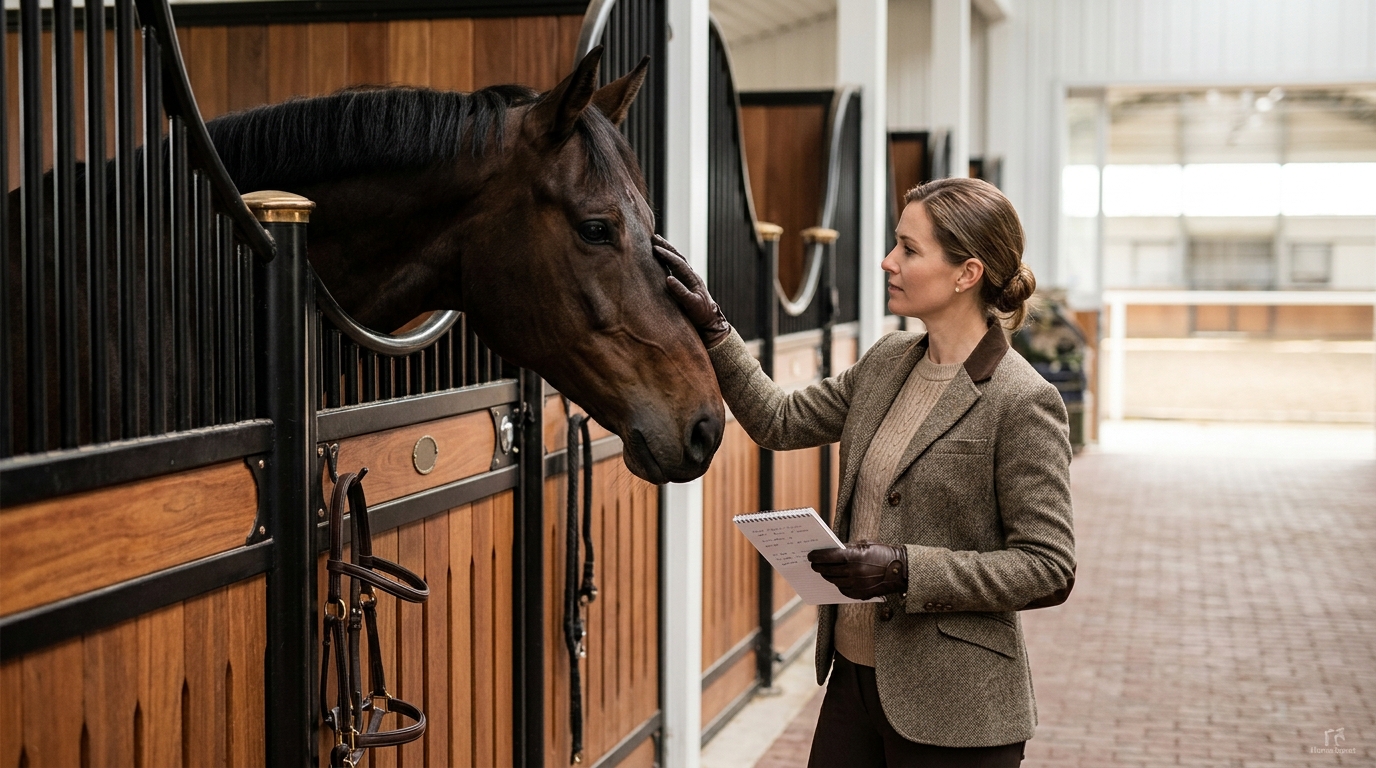
For dedicated equestrians across Canada, the financial commitment to horse ownership extends far beyond the initial purchase price. According to recent industry data, the average annual cost to board a horse in Canada ranges from $4,000 to $12,000 depending on the region and service level. This significant expense requires a strategic approach to facility selection. Understanding the nuances between different boarding models is essential for maintaining equine welfare while managing household budgets effectively.
Understanding Boarding Types
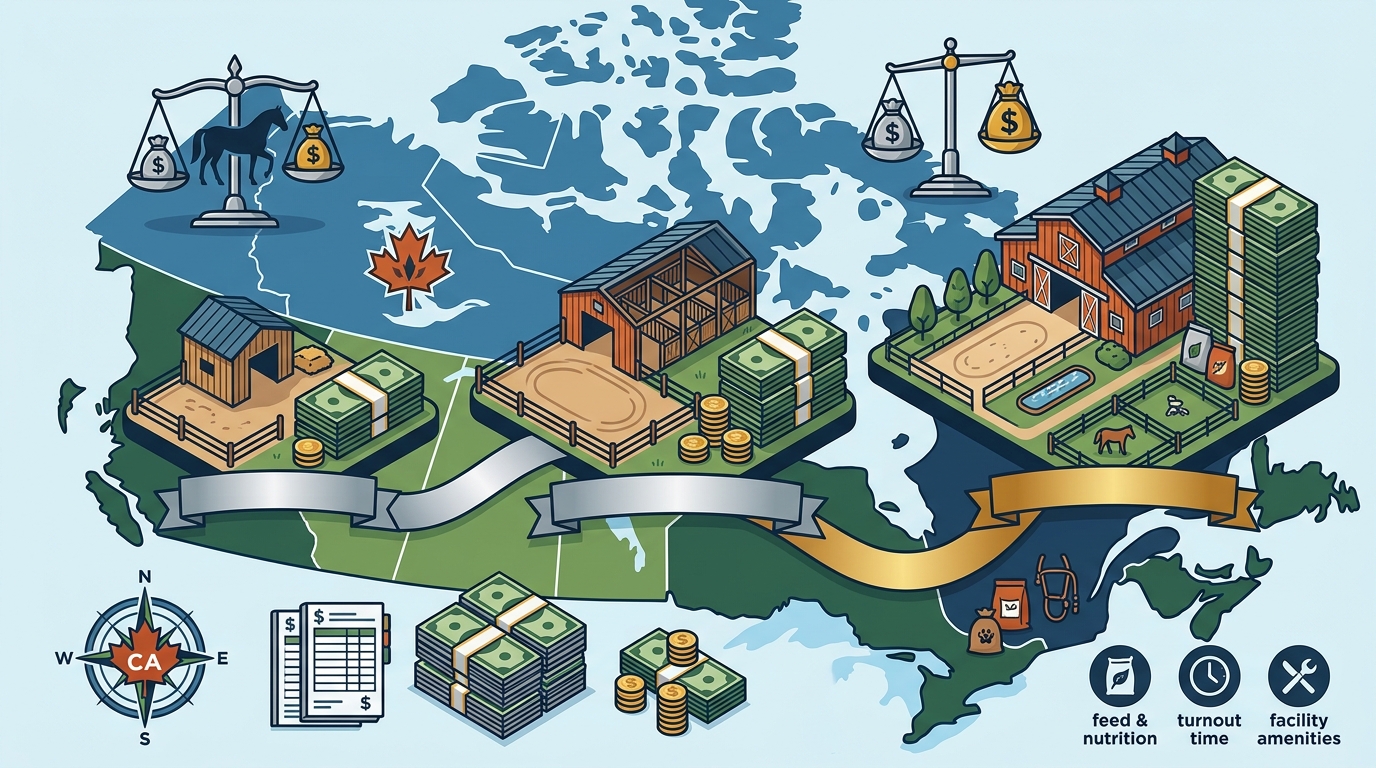
The Canadian equestrian landscape offers several distinct boarding models. Each model serves a different balance of convenience, cost, and equine lifestyle. Choosing the wrong model can lead to financial strain or compromised horse health. The three primary categories are pasture board, barn board, and full care board.
Pasture board is often the most economical option. In this model, horses live primarily outdoors in a group setting. They receive hay and grain supplements, but the owner or a part-time attendant handles daily care. This option is ideal for horses that thrive in social groups and require minimal intensive management. For those seeking facilities that specialize in this lifestyle, exploring the Canadian Stable Directory can help locate reputable pasture operations in your province.
Barn board, also known as dry lot or self-care boarding, places the horse in a stall or dry lot. The owner is responsible for daily mucking, feeding, and turnout. This model offers privacy for the horse and flexibility for the owner. It is a popular choice for competitive riders who need to manage their own schedules. The Horse Sport articles section frequently covers management tips for self-care facilities.
Full care board represents the premium tier of equine housing. The facility staff handles all daily chores, including feeding, mucking, and turnout. The owner typically pays a higher monthly rate but gains significant time savings. This model is crucial for horses with complex health needs or older horses requiring close monitoring. Understanding the EquiTermz definitions can help clarify the specific services included in full care contracts.
Regional Cost Variables
Geography plays a massive role in determining boarding rates. Canada is vast, and the cost of land, labor, and feed varies dramatically from coast to coast. Urban centers near major metropolitan areas command higher prices due to land scarcity. Rural areas may offer lower base rates but could incur higher transportation costs.
In provinces like Ontario and British Columbia, the demand for equestrian land is intense. This competition drives up the price of both pasture and barn space. According to agricultural reports, land values in these regions have seen consistent growth over the last decade. This trend directly impacts the monthly overhead for stable owners, which is passed on to boarders.
Conversely, regions in the Prairies or Atlantic Canada may offer more competitive pricing for full care board. However, winter conditions in these areas can increase operational costs. Heating, extra bedding, and specialized feed storage are necessary expenses. These factors must be weighed against the lower land costs. A comprehensive look at Farm of the Week features often highlights how different regions manage these seasonal challenges.
Service Breakdown and Pricing
Not all boarding fees are created equal. A low monthly rate might exclude essential services like hoof care, veterinary coordination, or arena maintenance. It is critical to dissect the pricing structure before signing a lease. Below is a comparison of typical service inclusions across different boarding tiers.
| Boarding Type | Typical Monthly Cost (CAD) | Hay and Grain Included | Manure Removal | Turnout Schedule |
|---|---|---|---|---|
| Pasture Board | $300 - $600 | Supplement Only | Seasonal | 24/7 Access |
| Barn Board (Self-Care) | $400 - $800 | Owner Provided | Owner Responsibility | As Scheduled |
| Full Care Board | $800 - $1,500+ | Yes | Daily | Daily |
| Specialized Care | $1,200 - $2,000+ | Custom Diet | Multiple Times Daily | Controlled |
These figures are estimates and can fluctuate based on inflation and local feed prices. The Nutrition section of Horse Sport provides valuable insights into how feed quality impacts overall costs. High-quality forage may cost more upfront but can improve horse health and reduce veterinary bills.
Hidden Costs to Consider
Beyond the monthly rent, several ancillary costs can impact your budget. These hidden expenses often catch new boarders off guard. Being aware of them allows for better financial planning and prevents unexpected debt.
First, consider the cost of bedding. For barn boarders, straw or shavings are a significant expense. Some facilities include this in the fee, while others charge a separate monthly rate. In regions with high timber costs, bedding prices can spike during certain seasons. Always ask for a detailed breakdown of bedding policies.
Second, veterinary and farrier services are rarely included in standard boarding fees. While some full-care facilities offer discounts for boarders, you are typically responsible for these professional fees. Emergency care can be particularly costly. Establishing a relationship with a local equine vet early on is wise. The Health resources available on Horse Sport can help you understand standard treatment costs.
Third, arena and facility usage fees may apply. If the stable charges extra for arena time, this can add up quickly for daily riders. Some facilities include unlimited arena use, while others charge per hour. Clarify these policies in the contract. Additionally, insurance premiums for both the horse and liability coverage are separate annual costs that must be budgeted.
Finding the Right Fit
Choosing a boarding facility is not just a financial decision; it is a welfare decision. The right facility supports the physical and mental health of your horse. It should also align with your riding goals and lifestyle. Start by defining your non-negotiables. Do you need daily stall turnout? Is a specific riding discipline supported?
Visit potential facilities in person. Observe the condition of the horses, the cleanliness of the stalls, and the quality of the feed. Talk to current boarders. Their experiences provide the most honest assessment of the management style. Use the Canadian Stable Directory to generate a list of candidates in your area.
Review the contract carefully. Look for clauses regarding notice periods, fee increases, and liability for injury. A clear, fair contract protects both you and the facility owner. If you are unsure about a clause, seek legal advice or consult with a trusted equine professional. The Law articles on Horse Sport often discuss legal aspects of equine ownership.
Key Takeaways
- Boarding costs in Canada vary widely, ranging from $300 for pasture board to over $1,500 for full care.
- Regional differences significantly impact pricing, with urban centers in Ontario and BC typically being more expensive.
- Self-care boarding offers lower monthly costs but requires a substantial time commitment from the owner.
- Hidden costs such as bedding, veterinary care, and arena fees can add thousands to the annual budget.
- Always visit facilities in person and speak with current boarders before signing a contract.
- Understanding the EquiTermz definitions helps clarify service expectations.
- High-quality nutrition is essential for horse health and should be evaluated when comparing facility options.
Frequently Asked Questions
What is the average cost of boarding a horse in Canada?
The average cost varies by region and service level. Generally, pasture board ranges from $300 to $600 monthly, while full care board can range from $800 to $1,500 or more per month.
Does full care boarding include veterinary services?
No, full care boarding typically covers daily chores like feeding and mucking. Veterinary and farrier services are usually billed separately, though some facilities offer discounts for boarders.
How do I find a stable in my area?
You can use the Canadian Stable Directory to search for facilities by province and riding style. This resource helps connect owners with reputable stables.
What is the difference between pasture board and barn board?
Pasture board involves horses living primarily in a field with group turnout. Barn board places the horse in a stall or dry lot, often requiring the owner to provide daily care.
Are there hidden costs associated with boarding?
Yes, common hidden costs include bedding fees, arena usage charges, veterinary bills, and insurance premiums. Always request a detailed cost breakdown from the facility.
How important is feed quality in boarding facilities?
Feed quality is critical for horse health. Poor quality hay can lead to nutritional deficiencies and health issues. Review the Nutrition guidelines to understand what to look for.
Can I visit a stable before signing a contract?
Absolutely. Visiting in person is essential to assess the condition of the facility and the welfare of the horses. It also allows you to meet the staff and current boarders.
Contact Us
Finding the right boarding facility is a pivotal step in your equestrian journey. Whether you are looking for pasture board, full care, or specialized training, Horse Sport is here to support your needs. Explore our Canadian Stable Directory to find facilities near you. For more insights on equine management, visit our Articles section. Contact us today to learn more about how we can help you connect with the best resources in the Canadian equestrian community.