
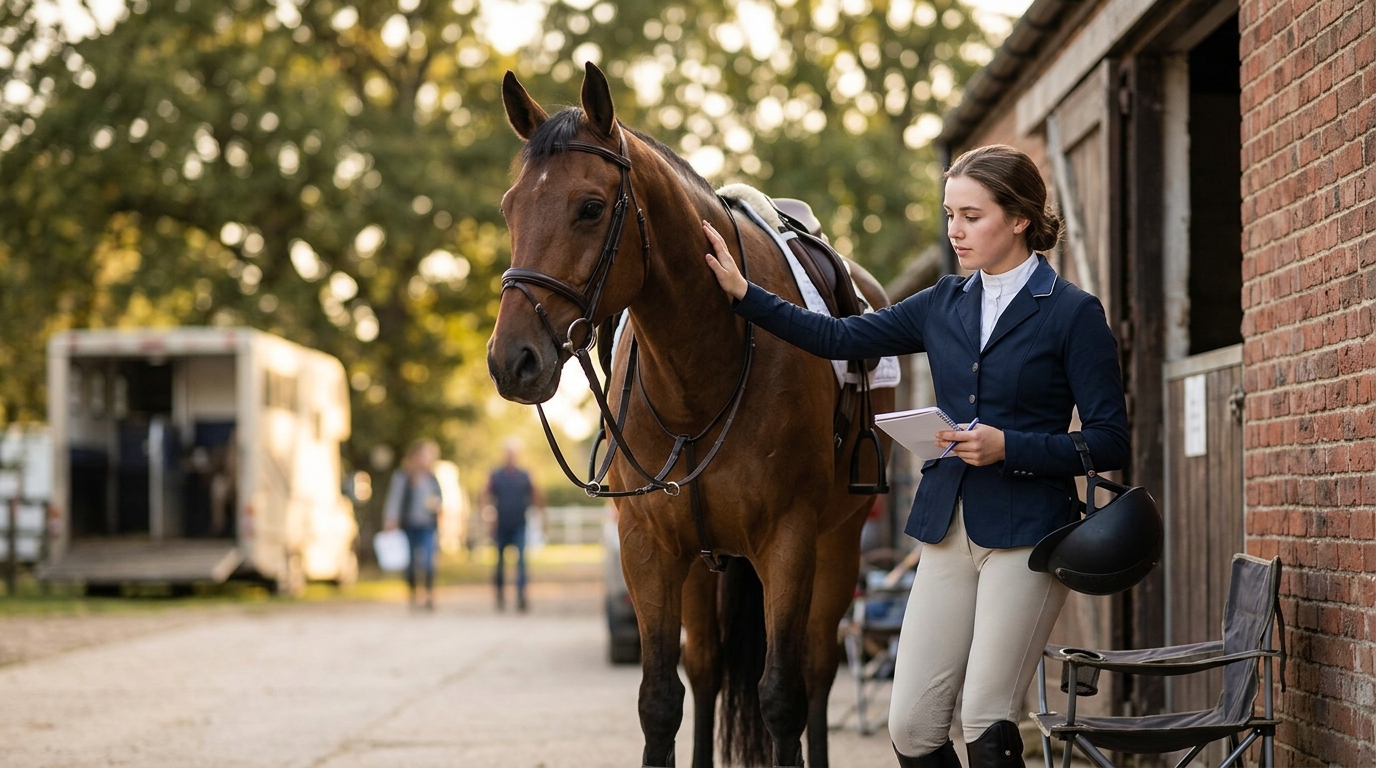
Rider psychology is the systematic study of how mental states, emotional regulation, and cognitive focus directly influence equine performance and safety. Recent industry analysis indicates that over 60% of competitive errors stem from psychological factors rather than technical deficits. This statistic highlights the critical need for accessible mental training tools. For decades, Horse Sport has documented the evolving landscape of equestrian competition. Today, we explore how riders can leverage low-cost, high-impact resources to master their mental game without breaking the bank.
Understanding the Mind-Horse Connection
Rider psychology is the systematic study of how mental states, emotional regulation, and cognitive focus directly influence equine performance and safety. Horses are prey animals with an acute sensitivity to human biofeedback. When a rider experiences anxiety, their heart rate increases, muscles tense, and breathing becomes shallow. The horse detects these physiological shifts through the reins, seat, and legs. This creates a feedback loop where the rider's fear triggers the horse's flight response, leading to erratic behavior.
Research from the University of Guelph suggests that subtle facial changes before and after riding may provide valuable insights into how horses experience their work. This underscores the importance of self-awareness. If you cannot recognize your own stress signals, you cannot correct them before they impact your mount. Mental training is not about eliminating nerves; it is about managing them effectively. By utilizing cost-effective resources, riders can develop the resilience needed for high-pressure environments like the online exclusives and major competitions covered by Horse Sport.
Free Digital Tools and Platforms
The digital age has democratized access to psychological training. Riders no longer need expensive private coaching to learn visualization or mindfulness. Several free platforms offer structured content that rivals paid courses.
1. Guided Visualization Audio
Visualization is a cornerstone of rider psychology. It involves creating a detailed mental image of a successful ride. Free audio guides are available on platforms like YouTube and Spotify. Search for "equestrian visualization" or "sports psychology for riders." Listening to these tracks for 10 minutes daily can rewire neural pathways associated with confidence. The key is consistency. Regular practice ensures that the mental image becomes automatic during actual competition.
2. Mindfulness Apps
Apps like Insight Timer or Smiling Mind offer free tiers with extensive libraries of meditation exercises. These tools help riders develop the ability to stay present. In the saddle, dwelling on past mistakes or future jumps disrupts focus. Mindfulness training teaches the brain to anchor attention to the breath and the horse's movement. This reduces cognitive load and allows for quicker reflexes. According to data from mental health organizations, regular mindfulness practice can reduce anxiety levels by up to 30% in high-stress professions.
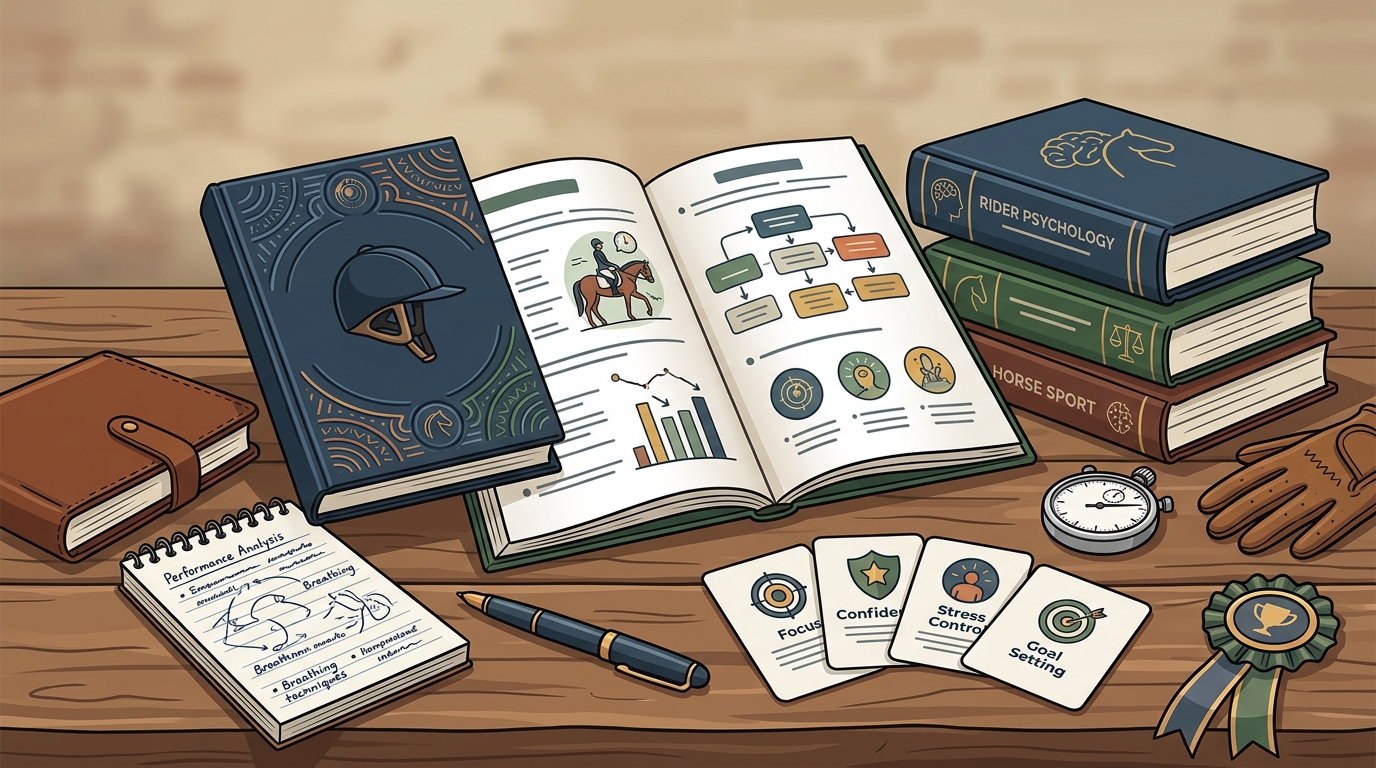
3. Educational Webinars and Podcasts
Many equestrian organizations and sports psychologists offer free webinars. Horse Sport frequently features articles on rider psychology and behavior. Reading these articles provides theoretical knowledge. However, listening to podcasts adds a layer of practical application. Hosts often interview professional riders who discuss their mental strategies. This peer-to-peer learning is invaluable for understanding how top competitors handle pressure.
Community-Based Learning Strategies
Learning does not have to be solitary. The equestrian community is rich with shared knowledge. Engaging with peers can provide support and accountability for mental training goals.
Peer Support Groups
Joining online forums or local riding clubs dedicated to mental fitness can be transformative. Platforms like Reddit have active communities where riders discuss their struggles with confidence and focus. Sharing experiences normalizes the challenges of competitive riding. It also provides a space to ask questions and receive feedback from experienced riders. This collective wisdom is a cost-effective resource that is often overlooked.
Workshops and Clinics
While some clinics are expensive, many local stables offer low-cost workshops on rider fitness and mindset. These sessions often include practical exercises for breathing and relaxation. Look for events advertised in the Canadian Stable Directory or similar regional listings. Attending these events allows you to practice techniques in a supportive environment. You can also network with other riders who share your commitment to mental growth.
Budget-Friendly Professional Services
While free resources are powerful, sometimes professional guidance is necessary. Fortunately, there are affordable ways to access expert help.
Sliding Scale Therapy
Some sports psychologists offer sliding scale fees based on income. This makes professional therapy accessible to riders at various financial levels. Look for practitioners who specialize in equestrian sports. They will understand the unique pressures of the discipline. A few sessions can provide a customized mental training plan tailored to your specific needs.
Online Coaching Packages
Many coaches offer digital packages that include video analysis and mental strategy sessions. These are often cheaper than in-person coaching because they eliminate travel costs. You can work with a coach remotely, receiving feedback via email or video calls. This flexibility allows you to integrate mental training into your daily routine without scheduling conflicts.
University Research Programs
Universities with equestrian programs often conduct research on rider psychology. Participating in these studies can provide free access to psychological assessments and training modules. It also contributes to the scientific understanding of the horse-rider relationship. Check with local agricultural colleges or equestrian departments for opportunities.
Resource Comparison Matrix
The following table summarizes the cost-effective resources discussed, helping you choose the best fit for your training needs.
| Resource Type | Cost | Best For | Accessibility |
|---|---|---|---|
| Guided Visualization Audio | Free | Daily mental rehearsal | High (Online) |
| Mindfulness Apps | Free / Low | Anxiety reduction | High (Mobile) |
| Equestrian Podcasts | Free | Theoretical knowledge | High (Audio) |
| Peer Support Groups | Free | Emotional support | Medium (Online/Local) |
| Sliding Scale Therapy | Variable | Personalized strategy | Medium (In-Person/Online) |
| Online Coaching | Low / Medium | Technical and mental integration | High (Remote) |
Key Takeaways
- Rider psychology is the systematic study of how mental states, emotional regulation, and cognitive focus directly influence equine performance and safety. Understanding this link is the first step toward improvement.
- Free digital tools such as visualization audio and mindfulness apps provide powerful, accessible methods for daily mental training.
- Community engagement through peer groups and local workshops offers support and practical application opportunities.
- Budget-friendly professional services like sliding scale therapy and online coaching make expert guidance attainable for most riders.
- Consistency is critical. Regular practice of mental techniques yields better results than occasional intensive sessions.
- Self-awareness allows riders to detect stress signals early and prevent negative feedback loops with their horses.
- Utilizing resources from Horse Sport and similar publications ensures you are accessing credible, industry-specific information.
Frequently Asked Questions
How can I start mental training without spending money?
You can start by using free guided visualization audio and mindfulness apps. Additionally, reading articles on rider psychology from sources like Horse Sport provides valuable theoretical knowledge. Joining online peer support groups also offers free emotional and practical support.
Is rider psychology important for amateur riders?
Yes, rider psychology is important for all riders. Even amateurs face pressure during competitions or trail rides. Mental training improves safety, enjoyment, and the bond with the horse. It helps manage fear and build confidence regardless of skill level.
What is the most effective free mental training technique?
Visualization is often cited as the most effective free technique. It allows riders to rehearse successful rides in their mind, reinforcing positive neural pathways. Consistent daily practice of visualization can significantly boost confidence and performance.
How do I find affordable professional help?
Look for sports psychologists who offer sliding scale fees based on income. Many online coaching platforms also provide affordable packages. Checking with local universities for research participation opportunities can also provide free access to professional assessments.
Can mental training replace physical practice?
No, mental training complements physical practice. It enhances focus and reduces anxiety, allowing you to perform better during physical training. However, it cannot replace the muscle memory and technical skills developed through riding.
What role does the horse play in rider psychology?
Horses are highly sensitive to rider emotions. A rider's anxiety can trigger a horse's flight response. Mental training helps riders manage their emotions, creating a calmer environment for the horse. This leads to better communication and performance.
How often should I practice mental training?
Daily practice is recommended for optimal results. Even 10 minutes of mindfulness or visualization each day can make a significant difference. Consistency is more important than duration.
Start Your Mental Training Journey
Mastering rider psychology is essential for any equestrian seeking to improve their performance and safety. By leveraging cost-effective resources, you can develop the mental resilience needed to succeed. Explore the Horse Sport library for more insights on behavior, training, and rider psychology. Visit our Canadian Stable Directory to find local resources and support. Take the first step toward mental mastery today by booking a consultation or exploring our shop for recommended reading materials.