
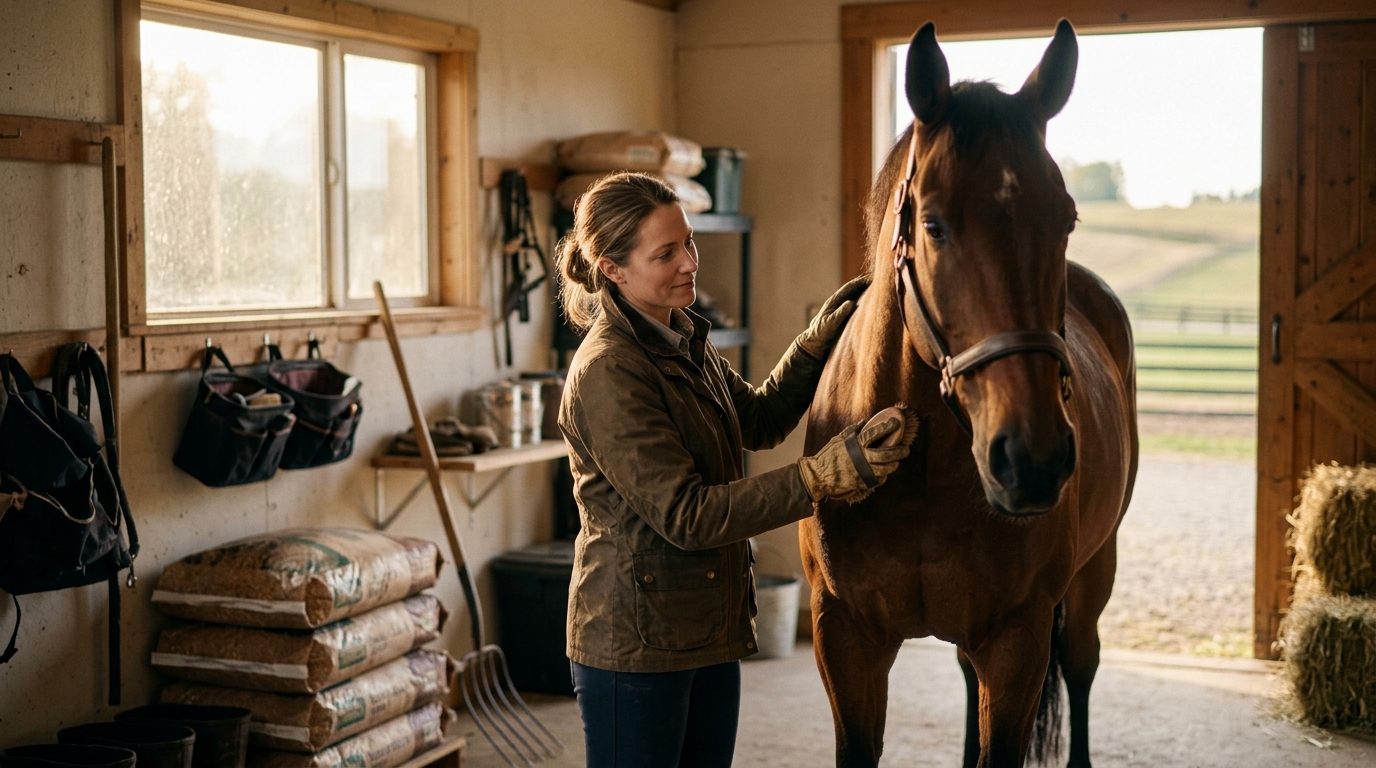
Managing a horse in Canada presents unique financial challenges due to the vast geographic distances, extreme seasonal variations, and high import costs for specialized feed and tack. According to recent industry analyses, the average annual cost of owning a single horse in Canada ranges from $6,000 to $12,000, depending heavily on the level of care and training required. This figure excludes initial purchase prices and major veterinary interventions, making proactive financial planning essential for long-term sustainability. Owners who adopt strategic cost-saving measures can significantly reduce these overheads without compromising animal welfare or performance standards. (Quiz 8211 Horse Sport)
Understanding the True Cost of Equine Ownership
Before implementing savings, you must map your current expenditure. The cost of horse ownership is not static. It fluctuates with fuel prices, hay quality, and veterinary availability. Equine ownership is the financial commitment to providing daily care, medical attention, and environmental management for a horse. In Canada, this is complicated by the need for heated stalls or robust shelter during winter months, which drives up utility bills at many stables.
Many owners underestimate the "hidden" costs. These include farrier visits, which are necessary every six to eight weeks, and routine vaccinations. A comprehensive budget should account for emergency funds, typically set at 10 to 15 percent of the annual operating cost. Without this buffer, unexpected illnesses can lead to financial distress or compromised care. Understanding these baseline costs allows you to identify where you have the most leverage for reduction.
Strategic Feed and Nutrition Management
Feed is often the largest variable expense in horse care. For Canadian owners, sourcing high-quality hay locally is critical to avoiding exorbitant shipping fees. Forage is the dietary foundation of a horse, providing necessary fiber for digestive health. Buying hay in bulk during the harvest season and storing it properly can reduce costs by up to 20 percent compared to monthly deliveries.
Nutritional efficiency is another area for savings. Not all horses require expensive grain supplements. Many performance horses thrive on a diet of high-quality forage and balanced minerals. Consult with an equine nutritionist to determine the exact mineral requirements for your horse. Over-supplementing is a common waste of resources. The minerals in specialized feeds must be bio-available to be effective, so choosing reputable brands that guarantee mineral integrity ensures you are paying for results, not just volume.
Additionally, consider pasture management as a cost-saving tool. Well-managed pastures can provide a significant portion of a horse's nutritional needs during the growing season. Pasture management is the practice of maintaining soil health and plant diversity to maximize grazing yield. Rotational grazing prevents overgrazing and reduces the need for supplemental hay in the spring and early autumn.
Comparing Boarding and Pasture Options
Where your horse lives dictates your monthly fixed costs. The Canadian Stable Directory offers a vast network of facilities, allowing owners to compare options based on price and service level. Some owners opt for full board, which includes feed, stall cleaning, and turnout. Others choose pasture board, where the stable provides hay and shelter, but the horse grazes primarily on grass. This can be significantly cheaper if the land is suitable.
| Boarding Type | Typical Monthly Cost (CAD) | Best For | Cost-Saving Potential |
|---|---|---|---|
| Full Board | $600 - $1,200 | Horses requiring intensive care or training | Low |
| Pasture Board | $300 - $600 | Healthy horses with good grazing access | High |
| Self-Boarding | $100 - $300 (Land lease) | Experienced owners with time and equipment | Very High |
| Board Out | Varies | Owners with private land seeking revenue | Variable |
Self-boarding is the most cost-effective option but requires significant labor and infrastructure. If you have land, you can lease it to other riders or board your own horse there. This eliminates the middleman markup. For those without land, exploring rural stables in provinces like Ontario or Alberta may offer lower rates than urban centers like Toronto or Vancouver. Always visit facilities to ensure they meet welfare standards before committing.
Preventative Health and Dental Care
Prevention is always cheaper than cure. Regular veterinary check-ups and dental floating can prevent costly emergency surgeries. Dental floating is the procedure of filing down sharp enamel points on a horse's teeth to ensure proper chewing. Neglected teeth can lead to weight loss and colic, which are expensive to treat. Scheduling floating every six months is a small investment that prevents major health issues.
Vaccinations and deworming should follow a protocol based on your region's disease prevalence. In Canada, rabies and tetanus vaccinations are often mandatory or highly recommended. Group purchasing agreements with other stable owners can reduce the cost of vaccines and bulk medications. Furthermore, maintaining a clean environment reduces the risk of laminitis and thrush, common and costly hoof conditions.
Extending the Life of Tack and Equipment
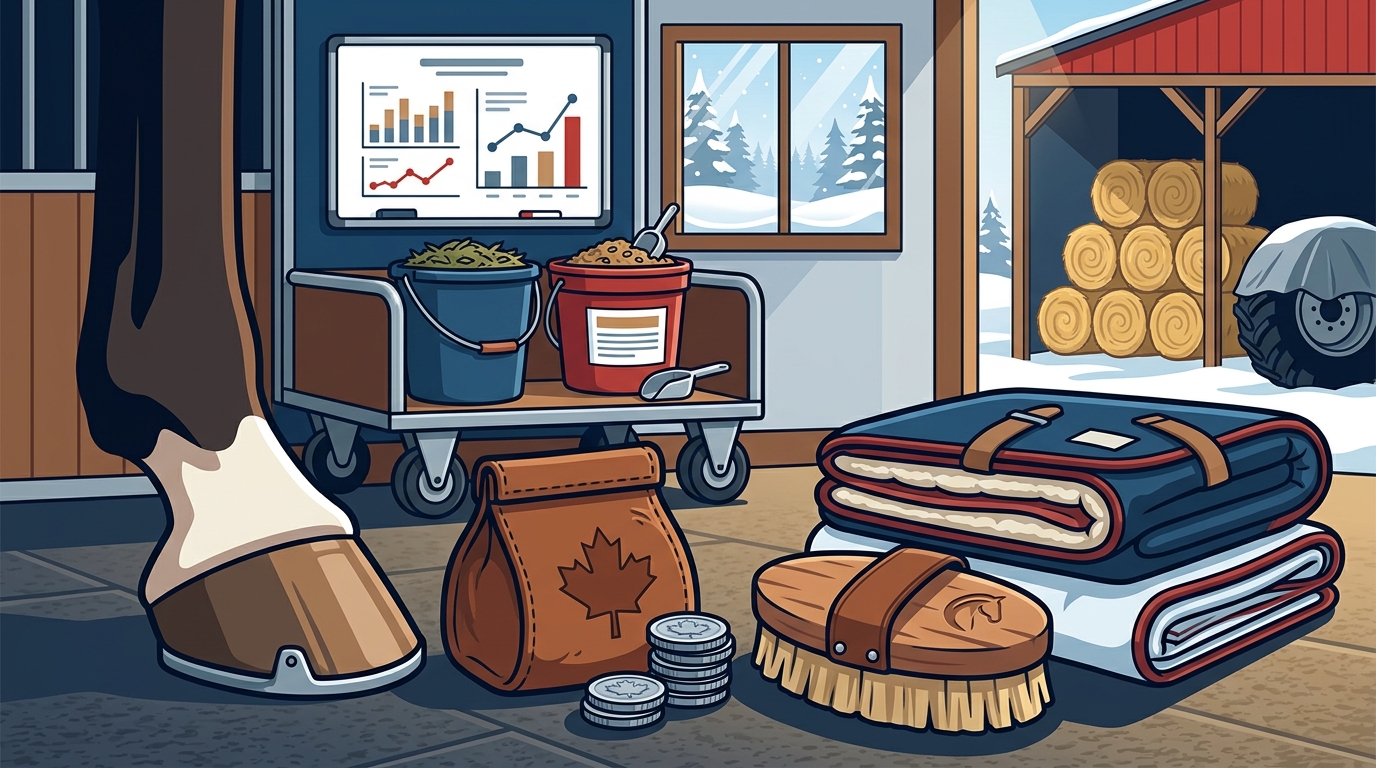
Tack is a significant upfront investment. Proper maintenance extends its lifespan and protects your resale value. Tack refers to the equipment used for riding, including saddles, bridles, and girths. Regular cleaning with appropriate leather conditioners prevents cracking and rotting. Store tack in a cool, dry place away from direct sunlight to preserve the integrity of the leather and synthetic materials.
Consider buying used tack from reputable sources or online marketplaces. Many high-quality saddles and bridles are sold by owners who are upgrading or changing disciplines. Inspect items carefully for structural integrity before purchasing. Additionally, learning basic repair skills, such as stitching minor leather tears or replacing buckles, can save hundreds of dollars in professional repair costs. The EquiTermz glossary on Horse Sport provides essential vocabulary for understanding tack components and their maintenance needs.
Key Takeaways
- Average Annual Costs: Expect to spend between $6,000 and $12,000 annually for a single horse in Canada, excluding purchase price.
- Feed Efficiency: Buying hay in bulk and utilizing pasture management can reduce feed costs by up to 20 percent.
- Boarding Flexibility: Pasture board or self-boarding offers the highest cost-saving potential for healthy horses.
- Preventative Care: Regular dental floating and vaccinations prevent expensive emergency veterinary interventions.
- Tack Longevity: Proper cleaning and storage extend the life of equipment, protecting your resale value.
- Resource Access: Utilizing the Canadian Stable Directory helps find affordable boarding options in your region.
- Community Support: Joining groups like Horse Sport provides access to industry insights and potential cost-sharing opportunities.
Frequently Asked Questions
How can I reduce my horse's feed costs in winter?
Buy hay in bulk during the harvest season and store it in a well-ventilated area. Additionally, ensure your horse has adequate shelter to reduce caloric burn from staying warm.
Is pasture board cheaper than full board?
Yes, pasture board is typically 30 to 50 percent cheaper than full board, provided your horse is healthy and the pasture is well-maintained.
What is the most cost-effective boarding option?
Self-boarding is the most cost-effective option, but it requires significant time, labor, and infrastructure investment from the owner.
How often should I float my horse's teeth?
Most adult horses require dental floating every six to twelve months to prevent sharp enamel points and ensure proper digestion.
Where can I find affordable tack in Canada?
Check online marketplaces, local stable bulletin boards, and the Horse Sport shop for discounted or pre-owned equipment.
Does location affect horse ownership costs?
Yes, urban areas like Toronto and Vancouver have higher boarding and farrier fees compared to rural regions in provinces like Alberta or Saskatchewan.
How much should I save for emergency vet care?
It is recommended to have an emergency fund equal to 10 to 15 percent of your annual horse ownership costs.
Start Your Cost-Saving Journey
Implementing these strategies requires diligence, but the financial relief is substantial. By optimizing feed, boarding, and care routines, you ensure your horse receives the best possible life without financial strain. Explore the Canadian Stable Directory to find affordable boarding options near you. Review the EquiTermz glossary to better understand tack and care terminology. Support independent equestrian journalism by visiting the Horse Sport Donate page. For more insights on horse health and training, browse the Horse Sport Articles section. Ready to optimize your stable? Visit Horse Sport today for expert advice and resources.