
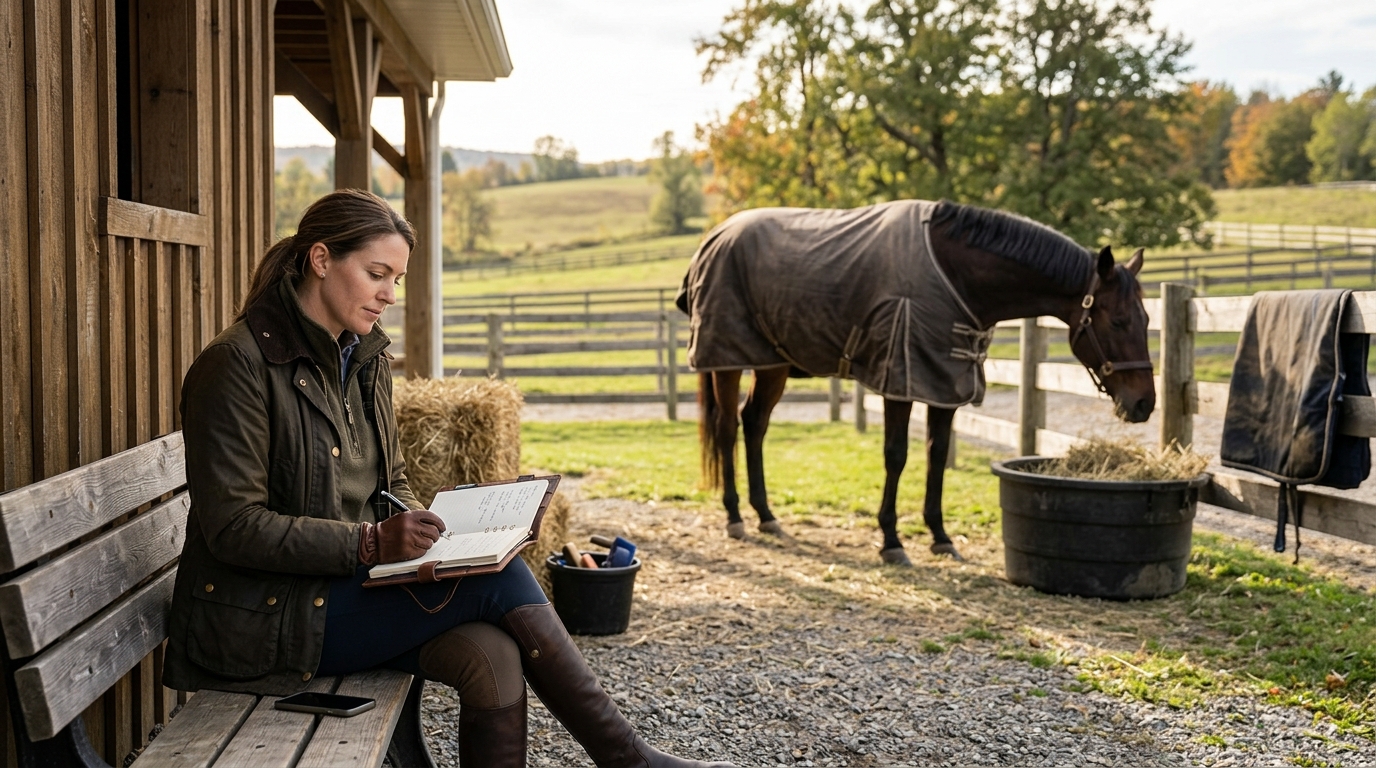
Managing a horse in Canada presents unique financial challenges due to the vast geography and extreme seasonal variations that impact feed, housing, and veterinary logistics. According to recent industry analyses, the average annual cost of owning a single horse in Canada can exceed $10,000 when factoring in board, feed, and routine care. This figure does not account for the significant capital required for equipment, training, or emergency medical interventions. For many dedicated owners, the passion for the sport often collides with the reality of rising operational expenses. Navigating this economic landscape requires more than just cutting corners; it demands strategic planning, resource optimization, and a deep understanding of where value can be preserved without compromising equine welfare.
Strategic Feed and Nutrition Management
Feed represents the largest recurring expense for most horse owners, often accounting for 30 to 40 percent of the total annual budget. In the Canadian context, the cost of hay fluctuates wildly based on regional drought conditions and transportation distances. Understanding the nutritional requirements of your horse is the first step in reducing waste and cost.
Understanding Bio-Availability
It is not enough to simply purchase feed with minerals listed on the label. Bio-available minerals are essential for maximum physiological effect. Masterfeeds and other premium brands emphasize that the form of the mineral determines absorption. By investing in higher-quality, bio-available supplements, you may actually reduce the total volume of feed required because the horse absorbs nutrients more efficiently. This reduces the likelihood of metabolic issues that lead to costly veterinary bills down the line.
Forage Sourcing and Storage
Hay is the cornerstone of the Canadian equine diet. To secure cost-effective forage, owners should look beyond local feed stores and explore direct purchases from regional farmers. Building relationships with local producers can stabilize prices during harvest seasons. Additionally, proper storage is critical. Proper hay storage prevents spoilage and nutrient loss. Moisture control and ventilation in barns or sheds ensure that every bale purchased delivers its full nutritional value, preventing the financial waste associated with moldy or degraded feed.
Evaluating Boarding and Housing Alternatives
Housing costs vary dramatically across Canada, from the high-density markets of Ontario and British Columbia to the more rural expanses of the Prairies and Atlantic provinces. The Canadian Stable Directory serves as a vital tool for owners seeking to align their housing choices with their financial constraints.
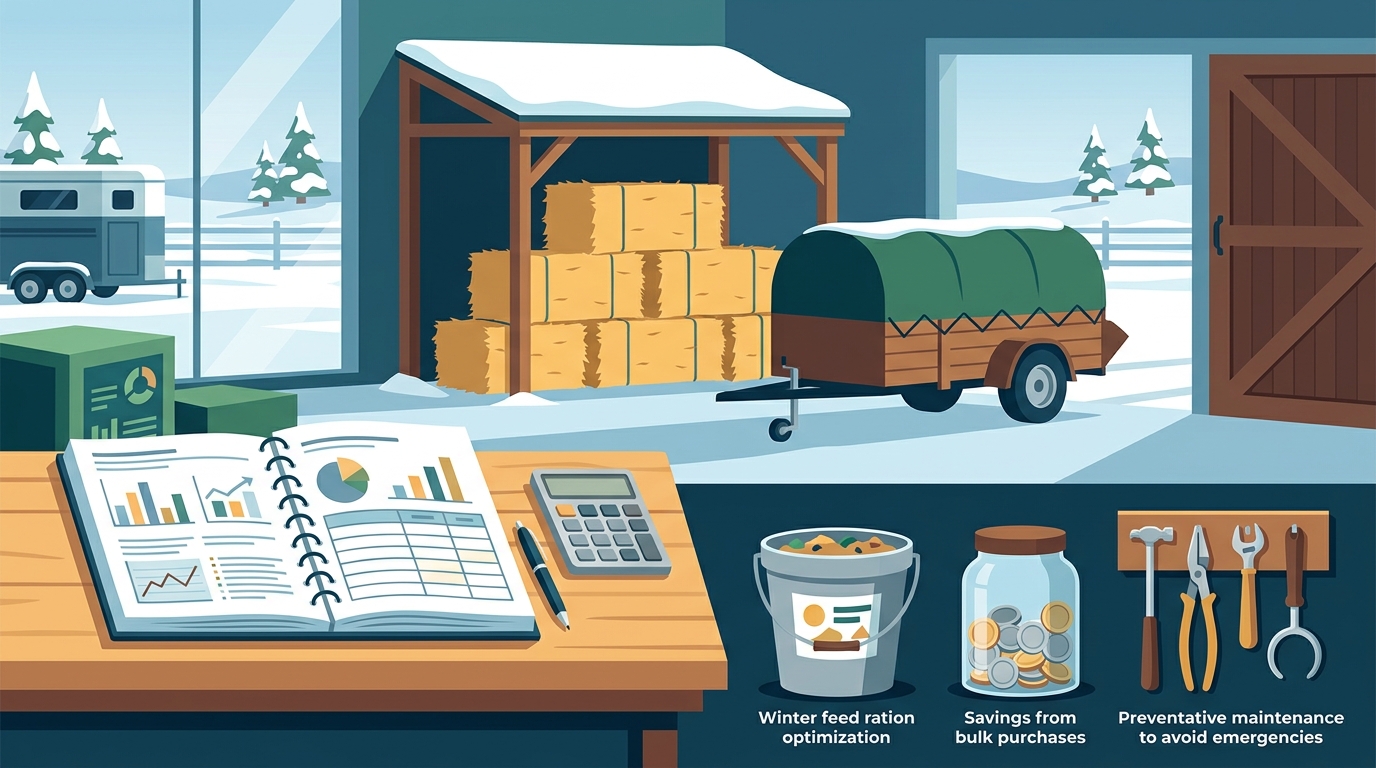
Boarding vs. Ownership
Full board services include feed, stall cleaning, and turnout, offering convenience but at a premium price. For cost-conscious owners, self-boarding or pasturing options may provide significant savings. However, these options require a substantial time investment and infrastructure. Self-boarding requires strict time management and infrastructure investment. Owners must be prepared to handle daily stall maintenance, feed distribution, and pasture management themselves.
Regional Cost Variations
Geography plays a pivotal role in housing costs. In provinces like Alberta and Saskatchewan, land availability often allows for more affordable pasturing options compared to Quebec or Nova Scotia. Utilizing resources like the Canadian Stable Directory allows owners to filter by province and service type, identifying facilities that offer the best value for specific riding styles or disciplines. Whether you are looking for bed and bale options or full-service boarding, comparing regional rates is essential for budget accuracy.
Preventative Care and Veterinary Savings
Emergency veterinary care is one of the most unpredictable and financially devastating aspects of horse ownership. A single colic surgery or emergency fracture repair can cost tens of thousands of dollars. Preventative care is not just a welfare issue; it is a financial strategy.
Routine Health Maintenance
Regular dental care, farrier visits, and vaccinations are non-negotiable. Regular dental care prevents painful chewing issues and weight loss. By maintaining a consistent schedule, you avoid the compounding health issues that arise from neglect. Furthermore, monitoring your horse’s weight and body condition score monthly can alert you to changes in health before they become critical emergencies.
Insurance and Financial Planning
While equine insurance is often viewed as an added cost, it serves as a risk mitigation tool. Policies can cover mortality, major medical, and loss of use. For competitive riders, the potential loss of income from an injured horse makes insurance a prudent financial decision. Additionally, exploring support for equestrian organizations can sometimes yield access to subsidized health programs or grants for junior riders, further easing the financial burden.
Tack and Equipment Longevity
Tack represents a significant upfront investment. Saddles, bridles, and protective gear can cost thousands of dollars. The key to cost-effectiveness here is maintenance and longevity.
Proper Care and Storage
Leather care products and proper storage racks extend the life of tack significantly. Proper leather care prevents cracking and structural failure. Regular cleaning after use removes sweat and dirt that degrade leather fibers over time. Investing in high-quality conditioners and storing tack in a climate-controlled environment prevents the mold and rot that are common in Canadian winters.
Strategic Purchasing
Buying used tack from reputable sources or through industry-specific marketplaces can offer substantial savings. However, buyers must inspect items carefully for structural integrity. For new equipment, focusing on essential items first and upgrading gradually allows for better cash flow management. The EquiTermz resource can help owners understand the technical specifications of tack, ensuring they purchase items that fit correctly and last longer.
Leveraging Community and Industry Resources
The Canadian equestrian community is robust and supportive. Leveraging these networks can provide access to resources, discounts, and shared knowledge that reduce individual costs.
Industry Publications and News
Staying informed through publications like Horse Sport keeps owners updated on industry trends, grant opportunities, and regional events. Articles on online exclusives often feature deep dives into cost-saving techniques and expert advice on managing equine businesses. Following news about Equestrian Canada can also reveal funding opportunities for junior athletes and competitive riders.
Shared Resources and Clinics
Participating in local clinics and group training sessions can reduce the cost of professional instruction. Many trainers offer group rates or package deals for ongoing lessons. Additionally, sharing feed or hay purchases with neighboring barns can reduce transportation costs and secure bulk pricing. The Farm of the Week series often highlights innovative management practices that can inspire cost-effective solutions for your own property.
Key Takeaways
- Feed Efficiency: Prioritize bio-available minerals to maximize nutrient absorption and reduce overall feed volume.
- Housing Flexibility: Utilize the Canadian Stable Directory to compare regional boarding costs and consider self-boarding options.
- Preventative Care: Invest in regular dental and farrier visits to avoid costly emergency veterinary interventions.
- Tack Longevity: Implement strict leather care routines to extend the lifespan of expensive equipment.
- Community Engagement: Leverage Horse Sport resources and local networks for grants, discounts, and shared resources.
- Regional Awareness: Understand how Canadian geography impacts feed and housing costs to make informed location-based decisions.
- Financial Planning: Consider equine insurance as a risk mitigation strategy against catastrophic financial loss.
Frequently Asked Questions
What is the average annual cost of owning a horse in Canada?
The average annual cost typically exceeds $10,000, depending on the level of boarding, feed quality, and geographic location. This figure includes board, feed, routine care, and insurance.
How can I reduce my horse's feed costs without compromising health?
Focus on purchasing high-quality, bio-available feed to ensure efficient nutrient absorption. Additionally, buy hay directly from local farmers during harvest season to secure lower prices and reduce transportation costs.
Is self-boarding a viable cost-saving option?
Self-boarding can significantly reduce monthly expenses by eliminating boarder fees. However, it requires a substantial time commitment and initial investment in infrastructure such as stalls, fencing, and feed storage.
Where can I find affordable tack and equipment?
Consider purchasing from reputable used markets, industry shops, or through community networks. Always inspect used items for structural integrity before purchasing.
Are there financial grants available for junior equestrians?
Yes, organizations like Equestrian Canada and various provincial bodies offer grants and funding opportunities for junior athletes aiming for national and international competitions.
How does geography impact horse ownership costs?
Geography affects feed availability, transportation costs, and housing prices. Rural areas in provinces like Alberta and Saskatchewan often offer more affordable pasturing options compared to urban centers in Ontario or British Columbia.
What is the importance of bio-available minerals in horse feed?
Bio-available minerals are those that the horse's body can easily absorb and utilize. Using feed with bio-available minerals ensures maximum physiological effect, potentially reducing the total amount of feed needed.
Take Control of Your Equestrian Budget
Managing the costs of horse ownership in Canada requires a proactive and strategic approach. By leveraging industry resources, optimizing feed and housing choices, and prioritizing preventative care, you can maintain a high standard of equine welfare while staying within your financial means. Explore the Canadian Stable Directory to find the best housing options for your budget, and stay informed through Horse Sport for the latest insights on cost-effective management. Visit HorseSport.com today to access comprehensive resources and connect with the Canadian equestrian community.