
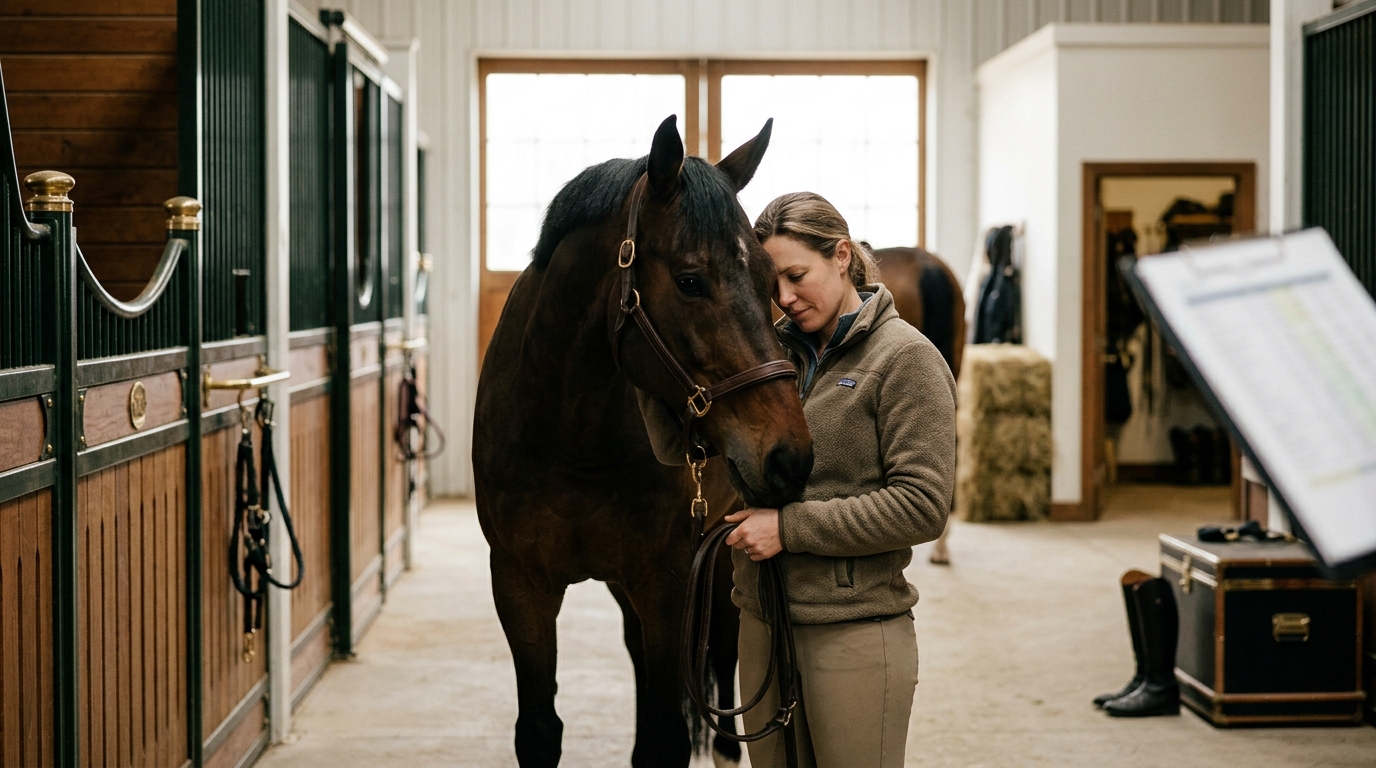
For over 50 years, Horse Sport has been the voice of equestrian competition in Canada, yet the financial reality of owning a horse remains a complex puzzle for many newcomers. The average annual cost to maintain a horse in Canada now exceeds $10,000 when accounting for boarding, feed, and routine veterinary care. This figure does not include the unpredictable expenses of farrier services, insurance, or emergency medical interventions. Understanding these financial commitments is essential before making the leap into equine ownership. (Quiz 8211 Horse Sport)
Fixed Costs and Boarding Options
The largest portion of your equine budget will likely be dedicated to housing. Boarding facilities vary significantly in price and service level. A full board package typically includes stall space, daily feeding, and turnout. However, the quality of these services can differ widely across provinces.
When evaluating Canadian stables, it is crucial to look beyond the monthly rate. Some facilities offer additional amenities such as indoor arenas, riding trails, or specialized training programs. These extras can add value but also increase the overall cost. For those seeking a more hands-on approach, a pasture board option might be more affordable but requires more personal time investment.
Feed costs are another fixed expense that cannot be ignored. Horses require a consistent supply of high-quality forage. The price of hay fluctuates based on regional availability and weather conditions. In years with poor harvests, hay prices can spike, impacting your annual budget significantly. Planning for these fluctuations is a key part of responsible financial management.
Variable Expenses and Daily Care
While boarding is a fixed cost, daily care involves several variable expenses. The most prominent of these is farrier services. A horse needs its hooves trimmed or shod every six to eight weeks. This regular maintenance is critical for preventing lameness and ensuring the animal's long-term mobility.
Other variable costs include supplements, bedding, and routine grooming supplies. While some of these items can be purchased in bulk to save money, they still represent a recurring financial obligation. Additionally, if you choose to ride your horse regularly, you will incur costs for arena fees, lesson fees, or competition entry fees.
Understanding the difference between fixed and variable costs helps in creating a realistic budget. Fixed costs are predictable and must be paid regardless of usage. Variable costs can fluctuate based on your activity level and the specific needs of your horse. Keeping a detailed log of these expenses can provide valuable insights into your spending habits.
Healthcare and Preventative Maintenance
Equine healthcare is a significant component of ownership costs. Vaccinations, deworming, and dental care are essential preventative measures. These routine procedures help prevent disease and ensure your horse remains in optimal health. The frequency of these treatments depends on your horse's age, lifestyle, and regional disease prevalence.
Recent studies on equine facial expressions suggest that subtle changes in a horse's face can indicate pain or discomfort. This highlights the importance of regular veterinary check-ups. Early detection of health issues can prevent costly emergency treatments down the line. A proactive approach to healthcare is not only kinder to your horse but also more economical.
Dental care is often overlooked but is vital for proper digestion. Horses' teeth continuously grow and require floating (filing) to maintain a smooth surface. Without regular dental work, your horse may develop weight loss or digestive issues. This procedure is typically performed by a veterinarian or an equine dentist.
Insurance and Risk Management
Insurance provides a safety net against unexpected financial burdens. Mortality insurance protects your investment in the horse itself. Liability insurance covers damages or injuries caused by your horse to third parties. Both types of coverage are highly recommended for responsible owners.
The cost of insurance varies based on the horse's value, age, and intended use. Competition horses generally require higher coverage limits due to their increased value and risk profile. When selecting an insurance provider, compare policies carefully to ensure you have adequate coverage without overpaying.
Emergency funds are another critical aspect of risk management. Setting aside a dedicated savings account for unexpected veterinary bills can prevent financial stress during crises. A general rule of thumb is to have at least three to six months of operating expenses saved. This buffer provides peace of mind and ensures you can provide the best care for your horse.
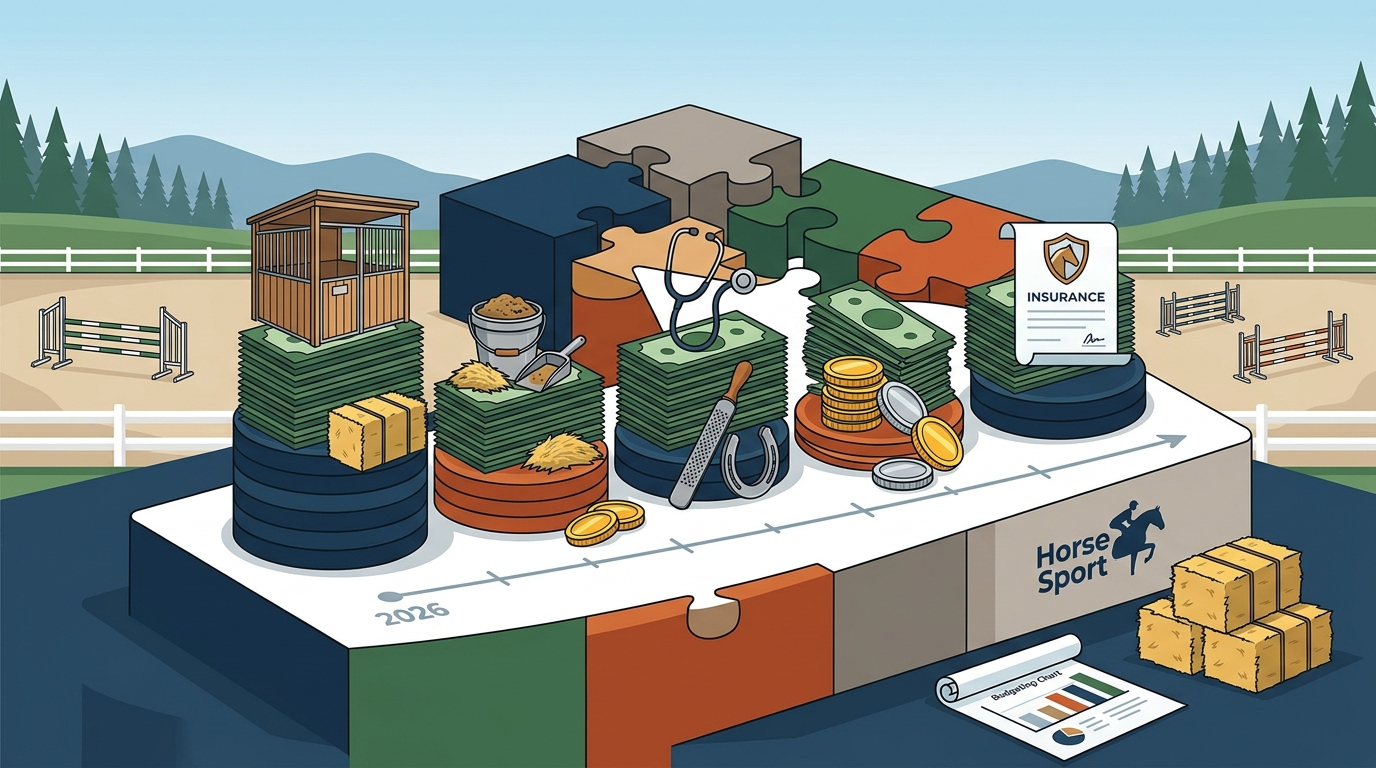
Boarding vs. Ownership Comparison
For many individuals, the decision to own a horse is balanced against the option of leasing or boarding. Each option has distinct financial and lifestyle implications. Understanding these differences is key to making an informed choice.
| Factor | Ownership | Leasing/Boarding |
|---|---|---|
| Monthly Cost | High (Board + Feed + Care) | Variable (Lease Fee or Board Only) |
| Responsibility | Full (Daily Care, Vet, Farrier) | Shared or Minimal |
| Flexibility | Low (Long-term Commitment) | High (Short-term Agreements) |
| Emotional Bond | Deep Personal Connection | Varies by Arrangement |
| Financial Risk | High (Unpredictable Vet Bills) | Low (Fixed Lease/Board Fee) |
Ownership offers the deepest bond with your horse but comes with the highest financial and time commitments. Leasing or boarding allows for a more flexible lifestyle with lower financial risk. However, it may limit your ability to customize your horse's care and training. Consider your long-term goals and financial capacity when making this decision.
Key Takeaways
- The average annual cost of horse ownership in Canada exceeds $10,000.
- Boarding is the largest fixed expense, varying by region and service level.
- Farrier services are required every six to eight weeks for hoof health.
- Preventative healthcare, including dental care, reduces long-term costs.
- Insurance protects against both mortality and liability risks.
- Emergency funds should cover at least three to six months of expenses.
- Leasing offers a lower-risk alternative to full ownership.
Frequently Asked Questions
How much does it cost to board a horse in Canada?
Boarding costs vary by province and facility type. Full board typically ranges from $600 to $1,200 per month, while pasture board may be less. Use the Canadian Stable Directory to find local rates.
What are the most common unexpected expenses for horse owners?
Emergency veterinary care, major dental work, and farrier adjustments for lameness are common unexpected costs. Maintaining an emergency fund is essential.
Is horse insurance worth the cost?
Yes, insurance provides financial protection against high veterinary bills and liability claims. It is particularly important for competition horses.
Can I reduce my horse's feed costs?
You can reduce costs by buying hay in bulk during harvest season or exploring alternative forage sources. However, quality should never be compromised.
How often does a horse need a vet checkup?
Routine checkups should occur at least once a year. More frequent visits may be needed for senior horses or those with chronic conditions.
What is the difference between full board and pasture board?
Full board includes stall housing, daily feeding, and turnout. Pasture board provides grazing land and supplemental feed but less daily attention.
How do I prepare financially for a new horse?
Create a detailed budget including fixed and variable costs. Establish an emergency fund and secure insurance before bringing the horse home.
Next Steps
Ready to take the next step in your equestrian journey? Whether you are looking for boarding facilities, training resources, or industry news, Horse Sport is your trusted partner. Explore our Canadian Stable Directory to find the perfect home for your horse. Stay informed with the latest industry updates and connect with the equestrian community. Visit Horse Sport today to start your journey.