
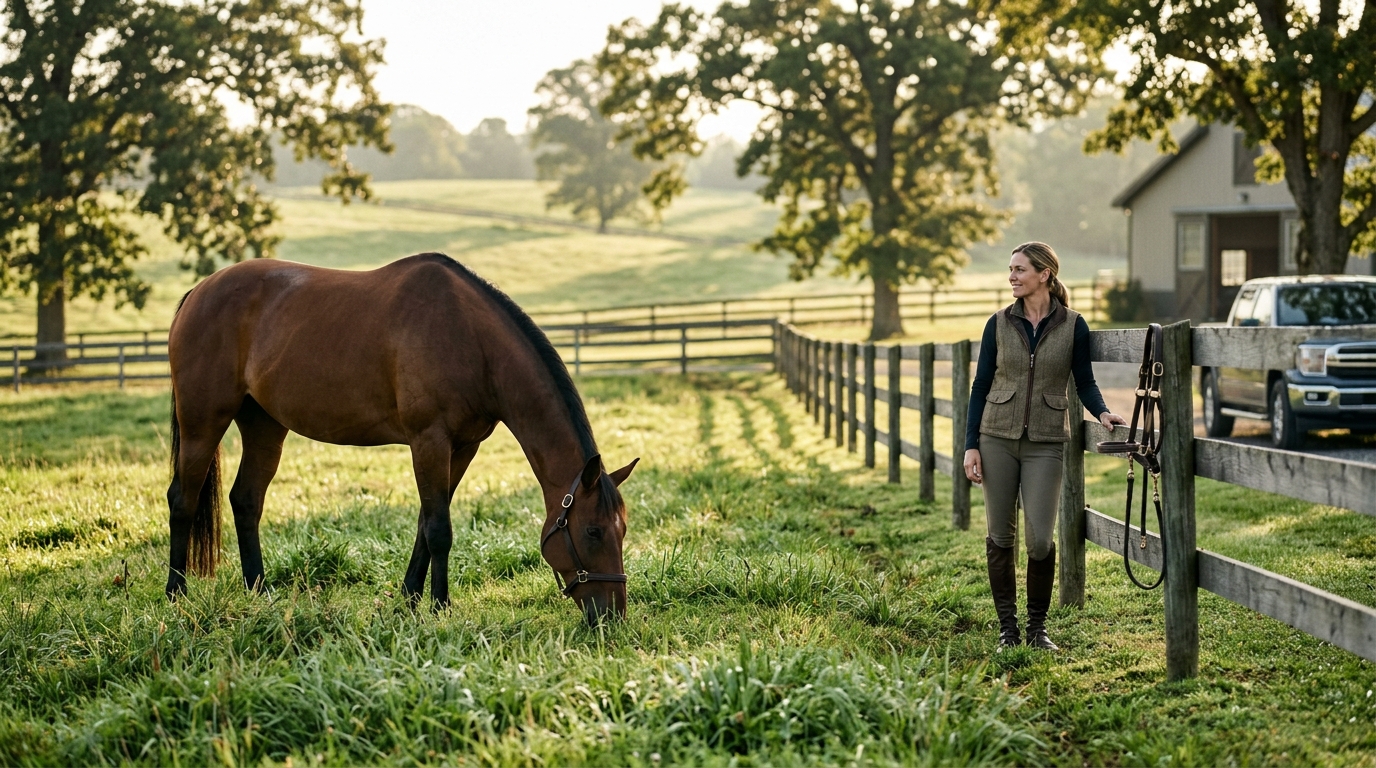
Cost-Benefit Analysis of Pasture Management Systems for Horse Farms
Effective pasture management is not merely a aesthetic choice but a critical financial lever for equine operations. According to recent industry data, well-managed pastures can reduce feed costs by up to 30 percent for horse owners. This significant saving stems from the ability of healthy soil and diverse plant life to provide consistent nutrition. For farm operators, understanding the return on investment for different management systems is essential for long-term sustainability. (Quiz 8211 Horse Sport)
Understanding Pasture Management Systems
Before diving into the financials, it is crucial to define the core concepts that drive pasture health. Pasture management is the practice of controlling grazing patterns to maintain plant health and soil fertility. This involves rotating horses, monitoring forage quality, and addressing soil deficiencies.
Another critical term is forage yield, which refers to the total amount of edible plant material produced per unit of area. High forage yield directly correlates with reduced need for supplemental hay. Finally, soil health is the capacity of soil to function as a living ecosystem that sustains plants, animals, and humans. Healthy soil retains water better and supports deeper root systems, which are vital during dry spells.
At Horse Sport, we recognize that Canadian horse owners face unique climatic challenges. The science of pasture management in our region requires specific attention to soil types and seasonal growth cycles. By adopting a structured approach, farmers can transform their land from a cost center into a productive asset.
Analyzing the Cost Components
Implementing any pasture management system requires upfront capital and ongoing operational expenses. These costs vary significantly based on the scale of the operation and the specific techniques employed.
Initial Infrastructure Investment
The most significant barrier to entry is often infrastructure. This includes fencing, water systems, and access roads. High-quality fencing is non-negotiable for safety and containment. While electric tape is cheaper initially, permanent post-and-wire systems offer a better long-term value. Water systems also require regular maintenance to prevent leaks and ensure clean access for horses.
Operational Expenses
Once the infrastructure is in place, operational costs include labor, equipment fuel, and soil amendments. Soil amendments such as lime and fertilizer are necessary to correct pH levels and replenish nutrients. According to agricultural reports, soil testing should be conducted every three to five years to determine precise needs. This prevents over-application of fertilizers, which wastes money and can harm the environment.
For more details on maintaining your property, explore our Farm Management resources. These guides provide region-specific advice on soil care and plant selection.

Quantifying the Benefits
The benefits of effective pasture management extend beyond simple cost savings. They include improved animal health, enhanced property value, and environmental stewardship.
Reduced Feed Costs
The primary financial benefit is the reduction in purchased feed. When pastures are managed correctly, horses can meet a substantial portion of their nutritional needs through grazing. This is particularly important during the growing season. By maximizing forage production, farm owners can buy less hay, which is often subject to price volatility.
Improved Horse Health
Healthy pastures reduce the risk of laminitis and colic. Rotational grazing prevents horses from selectively eating only the most palatable plants, which can lead to nutrient imbalances. It also breaks the life cycle of internal parasites, reducing the need for deworming medications. This holistic approach to health saves money on veterinary bills and improves the overall well-being of the herd.
Environmental Impact
Well-managed pastures act as carbon sinks, sequestering carbon dioxide from the atmosphere. They also prevent soil erosion and improve water quality by filtering runoff. These environmental benefits are increasingly valued in sustainable agriculture practices. For insights into the latest trends in equine care, visit the Horse Sport news section.
Comparing Management Models
Different management systems offer varying cost-benefit profiles. The choice depends on land size, horse count, and available labor.
| System Type | Initial Cost | Labor Requirement | Forage Quality | Best For |
|---|---|---|---|---|
| Continuous Grazing | Low | Low | Declining | Large acreage with low horse density |
| Rotational Grazing | Medium | High | High | Optimized forage production and soil health |
| Strip Grazing | Medium | Medium | Very High | Maximizing yield in short periods |
| Hay Production | High | High | Variable | Regions with short growing seasons |
Rotational grazing is often cited as the most effective method for balancing cost and benefit. It requires more labor but yields higher quality forage. This reduces the need for supplemental feeding. For a deeper dive into these techniques, check out our article on the science of pasture management.
Key Takeaways
- Feed Savings: Proper management can cut feed costs by 30 percent or more.
- Soil Health: Regular soil testing is essential to avoid unnecessary fertilizer costs.
- Infrastructure: Investing in durable fencing pays off in reduced maintenance and safety.
- Rotational Grazing: This system offers the best balance of forage quality and land preservation.
- Environmental Value: Sustainable practices improve land value and ecological health.
- Regional Adaptation: Canadian climates require specific plant varieties for optimal growth.
- Long-Term View: Pasture management is an investment that yields returns over decades.
Frequently Asked Questions
How often should I test my soil?
Soil testing should be done every three to five years. This frequency ensures that nutrient levels are monitored without excessive cost. It helps in planning fertilizer applications accurately.
What is the best grass for Canadian pastures?
Timothy, fescue, and orchard grass are common choices. The best option depends on your specific region and soil type. Consult local agricultural extensions for tailored advice.
How does rotational grazing save money?
It maximizes forage yield and quality. This reduces the need for supplemental hay and fertilizer. It also extends the life of the pasture, delaying costly reseeding.
Can I manage pastures without heavy machinery?
Yes, but it requires more labor. Hand-dragging and manual fencing adjustments are possible for smaller operations. However, machinery increases efficiency significantly.
What are the signs of overgrazing?
Signs include bare patches, weed invasion, and stunted plant growth. These indicate that the pasture needs rest and recovery time.
How much does pasture renovation cost?
Costs vary widely based on acreage and methods. Aeration and overseeding are generally more affordable than full reseeding. Budgeting for periodic renovation is wise.
Is organic pasture management viable?
Yes, organic methods are viable and often improve soil health long-term. They may have higher initial labor costs but reduce input expenses over time.
Next Steps for Your Farm
Implementing a robust pasture management system is a strategic decision that pays dividends in health and wealth. Start by assessing your current land use and identifying areas for improvement. Consider consulting with experts to tailor a plan to your specific needs.
For personalized advice and to connect with the equestrian community, visit the Horse Sport homepage. Explore our Canadian Stable Directory to find resources near you. Take the first step toward a more sustainable and profitable farm today.