
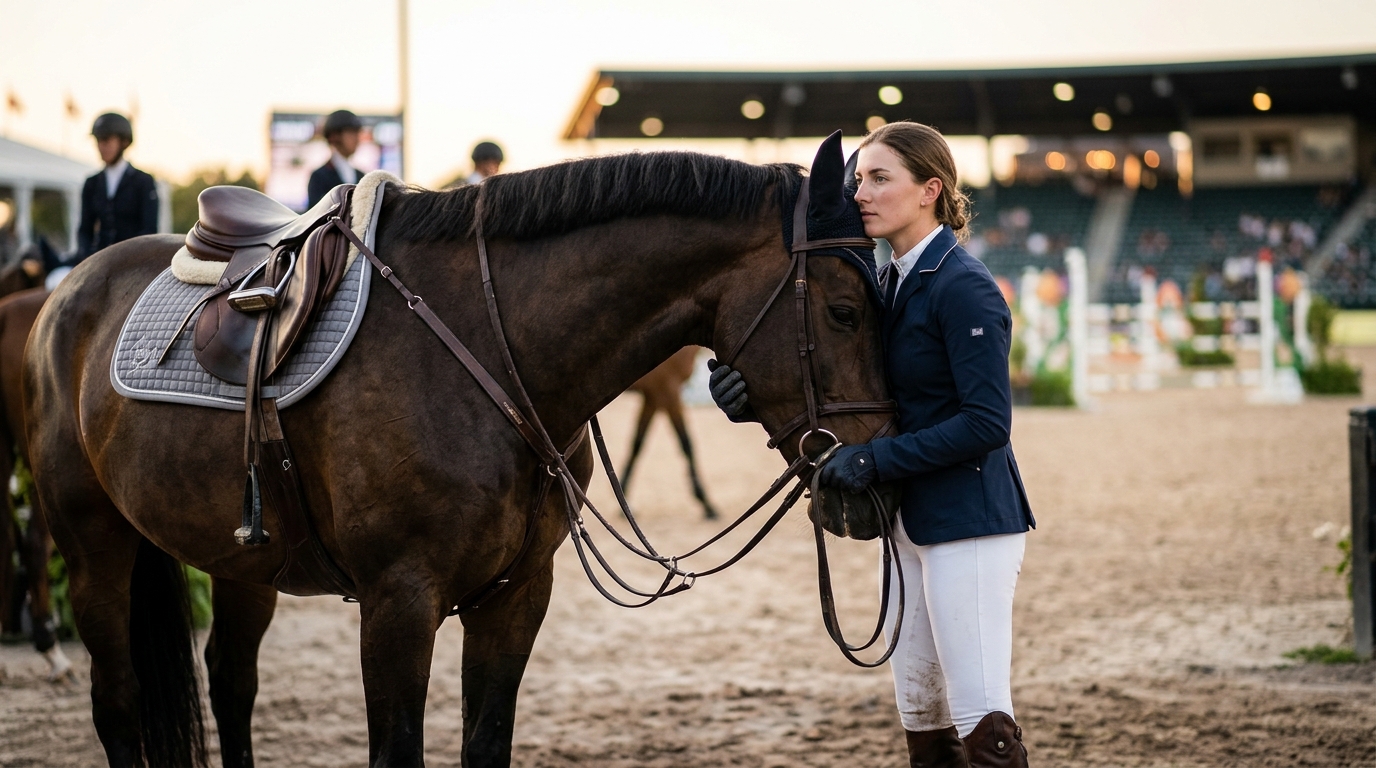
Equestrian competition is widely recognized as one of the most psychologically demanding sports in the world. Unlike many other athletic disciplines, the rider must manage their own emotions while simultaneously controlling a 1,000-pound animal with a mind of its own. Recent studies in equine behavior indicate that subtle facial changes in horses before and after riding provide valuable insights into how they experience their work. This bidirectional emotional feedback loop means that a rider's internal state directly influences the horse's performance. For over 50 years, Horse Sport has documented these nuances, serving as the voice of equestrian competition in Canada. Understanding the mechanics of mental resilience is no longer optional for serious competitors. It is the foundational skill that separates consistent placers from champions.
Understanding the Psychology of the Rider-Horse Bond
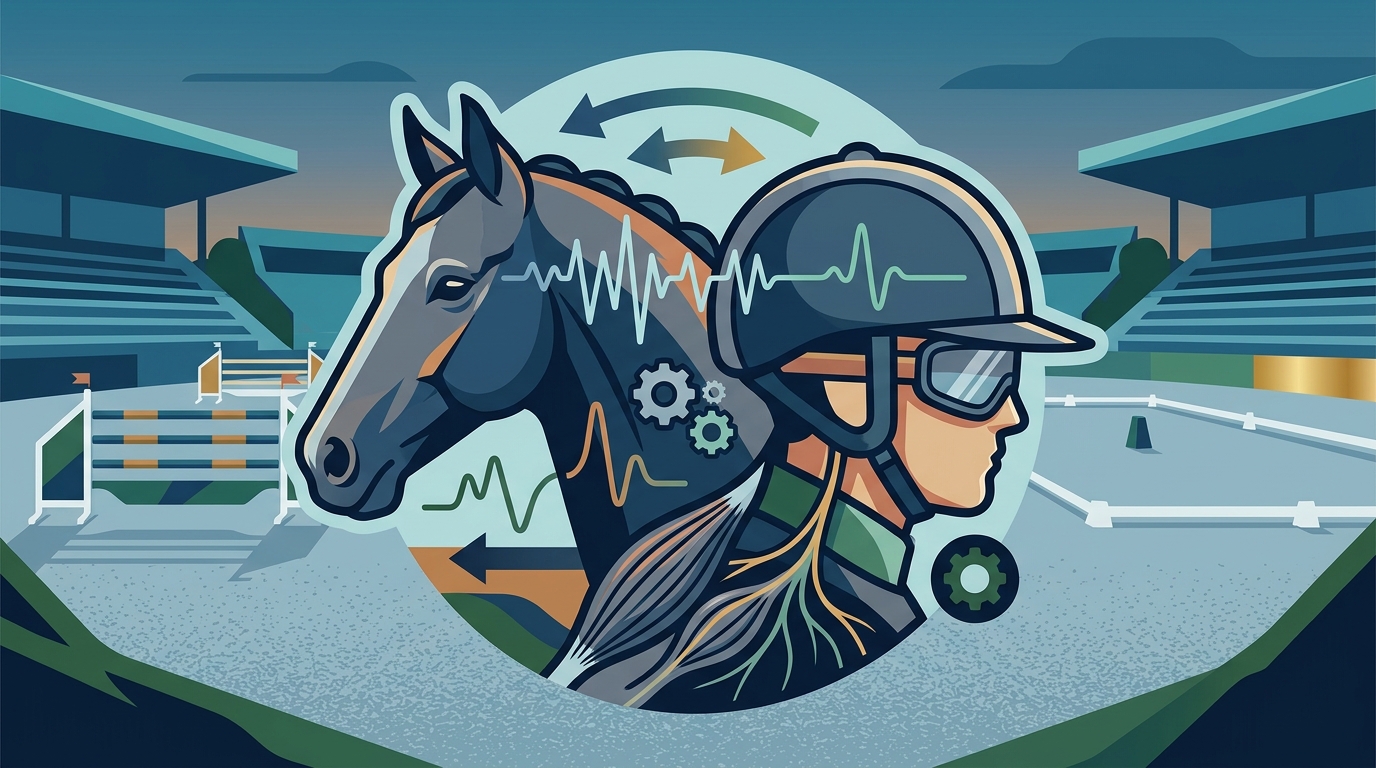
The foundation of mental toughness in equestrian sports lies in the concept of emotional contagion. Horses are prey animals with an acute sensitivity to the physiological states of those around them. When a rider experiences stress, their heart rate increases, their breathing becomes shallow, and their muscles tense. The horse detects these micro-changes instantly. This phenomenon is often referred to as emotional contagion, a process where one individual's emotions and related behaviors directly trigger similar emotions and behaviors in another.
Research from the University of Guelph has highlighted that equine facial expressions offer new clues into this dynamic. A study found that subtle facial changes before and after riding may provide valuable insights into how horses experience their work. If the rider is anxious, the horse may become tense or resistant. If the rider is calm and focused, the horse is more likely to relax and perform. Therefore, building mental toughness is not just about self-discipline. It is about becoming a stable anchor for your equine partner.
Another critical concept is flow state. In sports psychology, flow is defined as a mental state of operation in which a person performing an activity is fully immersed in a feeling of energized focus. For equestrians, achieving flow requires a complete synchronization of mind and body with the horse. This state is difficult to reach under pressure. It requires extensive mental training to override the natural fight-or-flight response that occurs during high-stakes competitions.
Core Techniques for Building Resilience
Developing mental resilience requires a structured approach to psychological training. Just as you condition your horse's muscles, you must condition your mind. The first step is mastering breath control. Diaphragmatic breathing activates the parasympathetic nervous system, which counteracts the stress response. By consciously slowing your breath, you signal safety to your horse. This technique is simple but highly effective in the ring.
Visualization is another powerful tool. Visualization is the cognitive process of creating or recreating an experience in the mind. Elite riders spend hours visualizing their rounds before they ever mount. They imagine the perfect stride, the correct release, and the feeling of success. This mental rehearsal primes the neural pathways for actual performance. It reduces uncertainty and builds confidence. When the moment arrives, the brain recognizes the scenario as familiar, reducing anxiety.
Finally, riders must develop a growth mindset. This is the belief that abilities can be developed through dedication and hard work. In equestrian sports, failure is frequent. A horse may refuse a jump or spook at a new obstacle. A rider with a fixed mindset may view this as a personal failure. A rider with a growth mindset views it as data. They analyze what went wrong and adjust their training. This perspective shift is crucial for long-term success.
Managing Pre-Competition Anxiety
Anxiety is a natural response to competition. However, when it becomes excessive, it hinders performance. Performance anxiety is a type of social anxiety where people are scared of being judged and evaluated in social or performance situations. In equestrian sports, the stakes are high. The rider is responsible for the safety of the horse and the outcome of the class. This pressure can lead to physical symptoms like nausea, trembling, and rapid heartbeat.
To manage this, riders should establish a pre-competition routine. This routine should include physical warm-ups, mental preparation, and emotional regulation. Consistency in the routine provides a sense of control. It also serves as a cue to the brain that it is time to focus. The routine should be practiced in training so it becomes automatic during competition.
Another strategy is reframing. Reframing involves changing the way you interpret a situation. Instead of viewing nervousness as fear, view it as excitement. Both states share similar physiological arousal. By labeling the feeling as excitement, you can harness that energy for performance. This cognitive shift is supported by research in sports psychology. Studies show that athletes who reframe anxiety as excitement perform better under pressure.
Training Methods for Mental Fortitude
Mental fortitude is built through deliberate practice. This involves setting specific mental goals alongside physical ones. For example, a rider might set a goal to maintain eye contact with their horse during a difficult exercise. This goal requires focus and emotional regulation. Over time, these small wins build confidence.
Working with a sports psychologist can also be beneficial. A psychologist can help riders identify negative thought patterns and develop coping strategies. They can provide tools for managing stress and improving concentration. Many top equestrians now incorporate mental coaching into their training regimens. This is a sign of the growing recognition of mental health in the sport.
Additionally, riders should prioritize recovery. Mental fatigue is real. It can lead to decreased performance and increased risk of injury. Adequate sleep, nutrition, and rest days are essential for maintaining mental sharpness. The body and mind are interconnected. You cannot have a strong mind in a neglected body.
Key Takeaways
- Emotional Contagion: Horses mirror the rider's physiological state, making emotional regulation critical for performance.
- University of Guelph Research: Studies confirm that equine facial expressions provide insights into their emotional experience during riding.
- Flow State: Achieving a state of full immersion requires synchronization of mind and body with the horse.
- Visualization: Mental rehearsal primes neural pathways and reduces uncertainty in high-pressure situations.
- Growth Mindset: Viewing failure as data rather than a personal flaw is essential for long-term development.
- Pre-Competition Routine: A consistent routine provides a sense of control and cues the brain to focus.
- Reframing: Interpreting nervousness as excitement can harness energy for better performance.
Frequently Asked Questions
How does a rider's anxiety affect their horse?
A rider's anxiety triggers a physiological stress response that the horse detects through body language, breathing, and muscle tension. This can cause the horse to become tense, resistant, or fearful, creating a negative feedback loop.
What is the best breathing technique for equestrians?
Diaphragmatic breathing is the most effective technique. It activates the parasympathetic nervous system, promoting relaxation and signaling safety to the horse.
Can visualization really improve riding performance?
Yes. Visualization creates neural pathways similar to physical practice. It helps riders anticipate challenges and rehearse successful outcomes, reducing anxiety and improving execution.
How often should riders work with a sports psychologist?
The frequency depends on individual needs. Some riders benefit from monthly sessions, while others may need weekly support during intense competition seasons. Regular check-ins can help maintain mental health.
What is the role of a growth mindset in equestrian sports?
A growth mindset encourages riders to view setbacks as learning opportunities. This perspective fosters resilience and continuous improvement, which are essential for long-term success in the sport.
How can riders manage pre-competition nerves?
Riders can manage nerves by establishing a pre-competition routine, reframing anxiety as excitement, and practicing relaxation techniques like deep breathing and visualization.
Why is recovery important for mental toughness?
Mental fatigue can impair decision-making and emotional regulation. Adequate recovery ensures that riders remain sharp, focused, and resilient during training and competition.
Ready to Elevate Your Mental Game?
Building mental toughness is a journey that requires patience, practice, and persistence. By integrating these psychological strategies into your training, you can enhance your performance and strengthen your bond with your horse. For more resources on equestrian mental health and training, explore the articles on Horse Sport. Visit our Canadian Stable Directory to find trainers who specialize in mental conditioning. Take the next step in your equestrian journey by shopping for mental performance tools and connecting with the community. Your mind is your most powerful asset. Train it with the same dedication as your horse.