
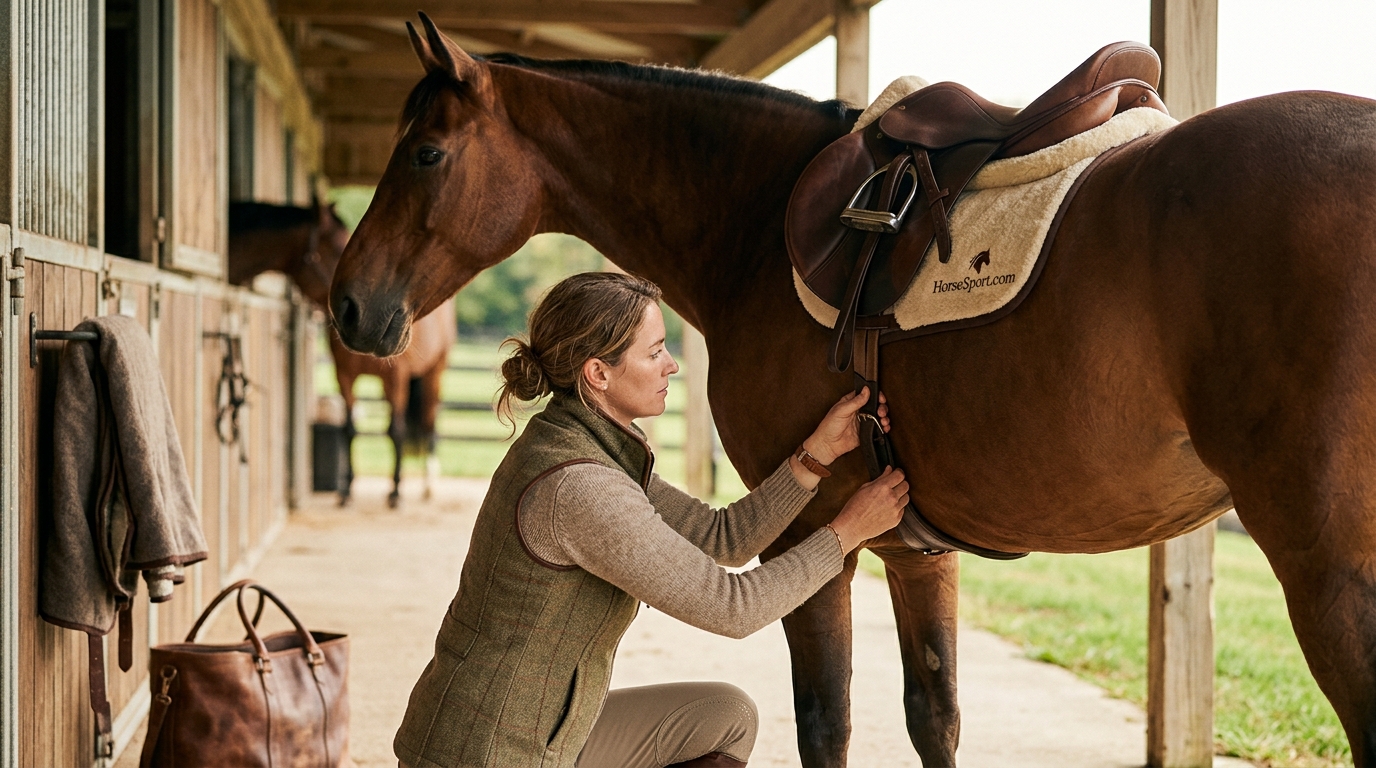
Proper tack fitting is the single most critical factor in equine welfare and athletic longevity. According to recent industry data, over 60% of performance issues in horses stem from ill-fitting equipment rather than training errors. When a saddle or bridle sits incorrectly, it creates pressure points that restrict blood flow, cause muscle atrophy, and lead to behavioral resistance. This guide provides the definitive protocol for adjusting your tack to ensure your horse remains comfortable, responsive, and physically healthy throughout every ride. (Horse Sport)
Saddle Fitting Basics
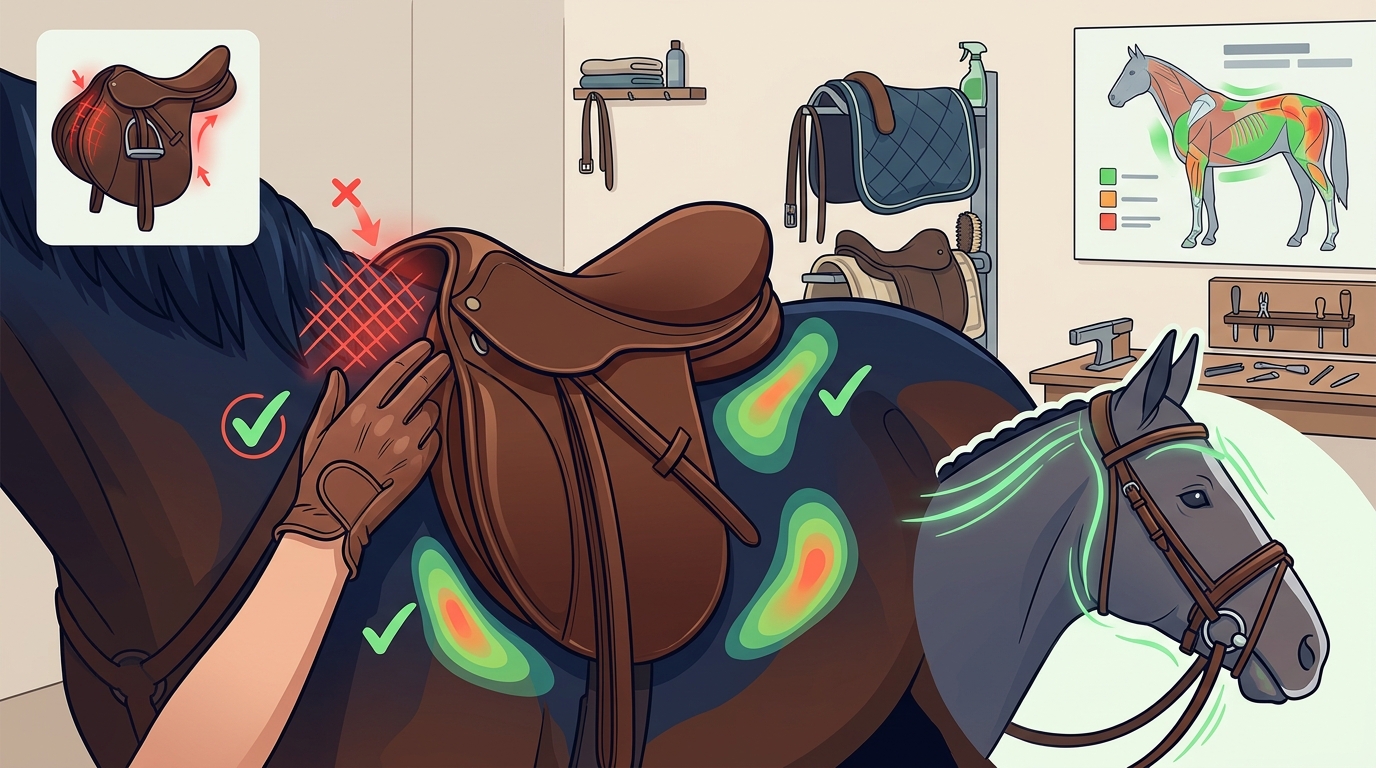
The saddle is the primary interface between rider and horse. A correct fit requires a balance of clearance and contact. The tree of the saddle must follow the shape of the horse's back without pressing on the spinous processes (the bony ridges along the spine). Clearance is non-negotiable. You should be able to fit two fingers vertically under the gullet of the saddle at the withers. If the saddle bridges, meaning it touches only at the front and back, it will create severe pressure points that can damage the horse's back muscles. (Donate 8211 Horse Sport)
When adjusting the panels, ensure they lie flat against the horse's back. There should be no gaps or excessive pressure in the middle. The saddle should sit level, not tilting forward or backward. A tilted saddle shifts the rider's weight unevenly, causing the horse to compensate with its hindquarters, which leads to poor performance and potential injury. For detailed advice on equine welfare, you can explore resources on equine welfare standards to understand the broader context of horse care.
Bridle and Bit Alignment
A well-fitted bridle ensures clear communication without causing pain. The crown piece should sit just behind the ears, never pinching the skin. The cheek pieces should align with the jawbone, allowing the horse to open its mouth and chew freely. If the bridle is too tight, it can cause nerve damage and head-shying behaviors.
The bit must sit comfortably in the horse's mouth. A general rule is that the bit should create slight wrinkles at the corners of the lips. If there are no wrinkles, the bit is too loose. If there are deep folds, it is too tight. The bit should rest on the bars of the mouth, which are the gap between the incisors and molars. Never place the bit on the molars. This causes immediate pain and resistance. For more insights on training and equipment, check out our training articles on rider psychology and horse behavior.
Girth and Cinch Security
The girth or cinch holds the saddle in place, but it must be adjusted with care. A common mistake is tightening the girth too much on the first mount. This compresses the horse's ribcage, restricting breathing and causing discomfort. Instead, tighten the girth gradually. After mounting, walk the horse for a few minutes, then dismount and tighten the girth again. This allows the horse's lungs to expand fully and the saddle to settle into its natural position.
The girth should be positioned just behind the elbow. If it is too far forward, it will chafe the horse's armpit. If it is too far back, it will slip and compromise saddle stability. For those looking to find local experts, the Canadian Stable Directory can help you locate qualified professionals for tack fitting services.
Common Fitting Mistakes
Even experienced riders make fitting errors. One of the most frequent mistakes is ignoring the horse's conformation changes. Horses change shape with age, weight fluctuation, and muscle development. A saddle that fit perfectly six months ago may now be too tight or too loose. Regular professional fittings are essential to maintain comfort and performance.
Another common error is using the wrong size bit. A bit that is too wide can slide around and hit the corners of the mouth, causing ulcers. A bit that is too narrow can pinch the lips and restrict tongue movement. Always measure the horse's mouth width to ensure the correct bit size. For more information on tack and equipment, visit our Tack & Equipment section.
Maintenance and Care
Proper tack maintenance is crucial for both safety and longevity. Leather should be cleaned and conditioned regularly to prevent drying and cracking. Synthetic tack should be washed and inspected for wear and tear. Check all buckles, straps, and stitching before every ride. A broken strap can lead to a dangerous situation for both horse and rider.
Store your tack in a cool, dry place away from direct sunlight. UV rays can degrade leather and synthetic materials over time. Use saddle trees and bridle hangers to maintain the shape of your equipment. For tips on farm management and care, read our article on farm management best practices.
Key Takeaways
- Clearance is Critical: Always ensure two fingers of vertical clearance under the saddle gullet to prevent wither pressure.
- Gradual Girth Tightening: Tighten the girth in stages to allow the horse's ribcage to expand and the saddle to settle.
- Bit Positioning: The bit must rest on the bars of the mouth, creating slight wrinkles at the corners of the lips.
- Regular Re-fitting: Horses change shape; professional fittings should occur at least once a year.
- Proper Girth Placement: Position the girth just behind the elbow to avoid chafing and ensure stability.
- Equipment Inspection: Check all straps, buckles, and stitching before every ride to prevent equipment failure.
- Professional Guidance: Consult with certified saddlers and trainers for complex fitting issues.
Frequently Asked Questions
How do I know if my saddle fits my horse?
A saddle fits correctly if it sits level, has even contact along the panels, and allows for two fingers of clearance under the gullet at the withers. It should not bridge or rock side to side.
Why does my horse resist the bit?
Resistance to the bit is often caused by a poor fit, such as a bit that is too wide, too narrow, or positioned incorrectly. Pain from the bit can also stem from dental issues, so a veterinary check is recommended.
How often should I tighten the girth?
You should tighten the girth in stages. Tighten it before mounting, walk for a few minutes, dismount, and tighten it again. This allows the horse's lungs to expand and the saddle to settle.
Can I use the same saddle for multiple horses?
It is generally not recommended to use the same saddle for multiple horses unless they have identical conformation. Differences in wither height, back shape, and shoulder angle can lead to poor fit and discomfort.
What is the correct bit size for my horse?
Bit size is determined by measuring the width of the horse's mouth from corner to corner. The bit should fit snugly without pinching the lips or sliding excessively.
How do I prevent girth galls?
Prevent girth galls by ensuring the girth is positioned correctly behind the elbow and is not too tight. Use a girth guard or sleeve to reduce friction, and keep the area clean and dry.
When should I replace my tack?
Replace tack when you see signs of wear, such as cracked leather, frayed straps, or broken stitching. Regular maintenance can extend the life of your equipment, but safety should always be the priority.
Contact Us
If you have further questions about tack fitting or need professional advice, please reach out to our team. We are dedicated to supporting the equestrian community with expert guidance and resources. Visit our Contact Us page to get in touch with our editors and specialists.