
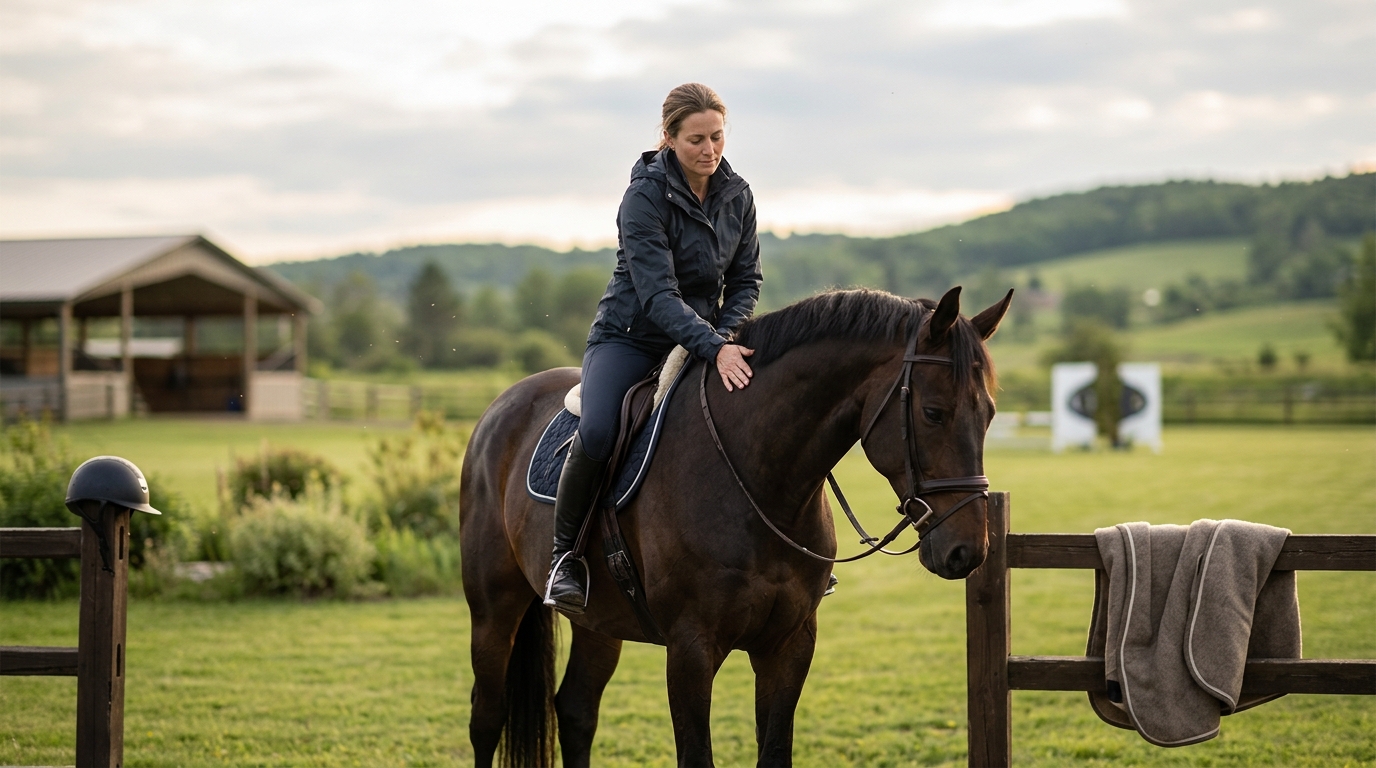
Rider psychology is the systematic study of how mental states, emotional regulation, and cognitive focus influence equine performance and safety. Recent studies in equine behavior indicate that subtle facial changes in horses before and after riding provide valuable insights into their experience, highlighting the critical need for riders to manage their own emotional output. According to a University of Guelph study, these non-verbal cues are often direct reflections of the rider's internal state, making mental training not just a performance enhancer, but a welfare imperative. This guide explores the most effective tools, books, and platforms for mastering the mental aspects of equestrian sports.
Understanding the Mind-Horse Connection
The foundation of effective rider psychology lies in recognizing that horses are prey animals with an acute sensitivity to human body language and energy. When a rider experiences anxiety, fear, or frustration, the horse detects these shifts through tension in the seat, hands, and legs. This phenomenon is often referred to as emotional contagion in equine behavior studies. Rider psychology is the discipline of managing these emotional responses to maintain clear communication with the horse.
For decades, equestrian training focused heavily on physical mechanics. However, modern sports psychology has shifted this paradigm. Data shows that top-level competitors spend significantly more time on mental preparation than their amateur counterparts. This shift is evident in the growing popularity of resources dedicated to rider psychology, such as those featured in Horse Sport magazine, which regularly covers topics like rider psychology and behavior.
Understanding this connection requires a commitment to self-awareness. Riders must learn to identify their triggers, whether they are related to jumping heights, crowd pressure, or past traumatic experiences. By addressing these triggers proactively, riders can create a calm, consistent environment that allows the horse to perform at its best. This approach aligns with the principles of equine welfare and responsible ownership.
Essential Reading for Mental Toughness
Books remain one of the most accessible and profound resources for developing mental resilience. The following titles are widely regarded as essential reading for any serious equestrian.
The Inner Game of Equestrianism
Based on W. Timothy Gallwey's original "Inner Game" theory, this approach teaches riders how to quiet the inner critic that causes tension. The core concept is that learning occurs when interference is removed. By focusing on external cues rather than internal judgment, riders can achieve a state of flow. This method is particularly effective for overcoming fear of falling or jumping.
Thinking, Fast and Slow in the Saddle
While not exclusively about horses, applying Daniel Kahneman's concepts of System 1 (fast, intuitive) and System 2 (slow, deliberate) thinking can transform riding. In high-pressure situations, riders often default to System 1, which can lead to panic. Mental training involves strengthening System 2 to make deliberate, calm decisions even when adrenaline is high.
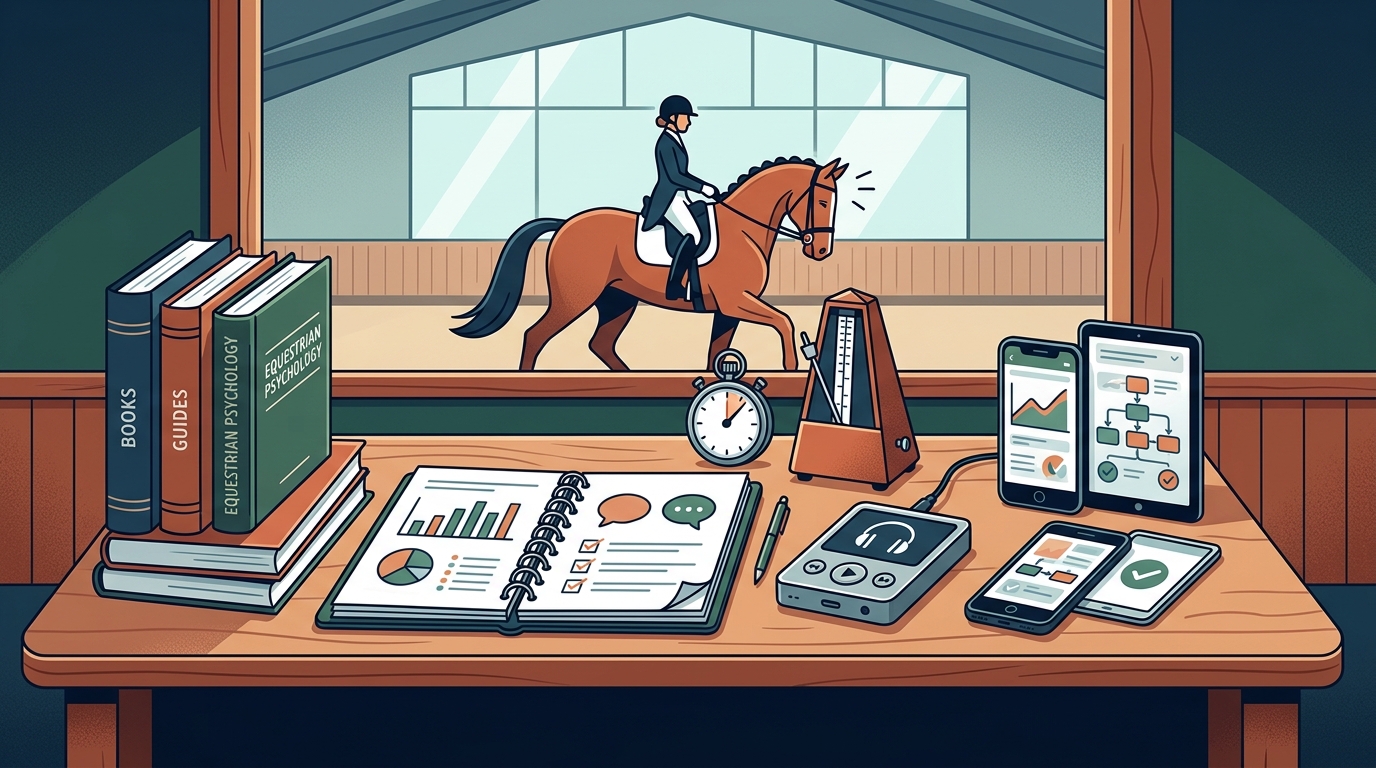
The Horse's Mind
Understanding the equine perspective is crucial for rider psychology. This resource explains how horses process information and emotion. By knowing that horses live in the present moment, riders can learn to let go of past mistakes and focus entirely on the current stride. This alignment reduces anxiety and improves the horse's trust.
For more insights on equine behavior and rider psychology, readers can explore the Behaviour section of Horse Sport, which features expert articles on the latest research.
Digital Tools and Apps for Focus
Technology has made mental training more accessible than ever. Several digital tools are designed specifically for athletes, including equestrians, to enhance focus and reduce anxiety.
Headspace and Calm
These meditation apps offer guided sessions specifically for anxiety and performance. While not equestrian-specific, their techniques for breath control and body scanning are directly applicable to riding. Regular practice can lower baseline cortisol levels, making it easier to stay calm during competitions.
Focus@Will
This music platform uses neuroscience to enhance concentration. Listening to specific frequencies can help riders enter a flow state during practice. Consistent use can train the brain to associate certain auditory cues with focused riding, creating a mental anchor for competition days.
Visualization Apps
Apps like Training aids often include visualization components. Visualizing successful rounds, precise movements, and calm interactions with the horse primes the neural pathways for actual performance. This mental rehearsal is as effective as physical practice for building confidence.
For those interested in the latest digital trends in equestrianism, Horse Sport's Business section often covers innovations in equine technology and training tools.
Professional Support and Coaching
While books and apps are valuable, working with a professional can accelerate progress. Mental coaching in equestrian sports is a growing field, offering personalized strategies for individual challenges.
Sports Psychologists
Specialized sports psychologists can help riders develop personalized mental skills plans. These plans might include goal setting, arousal regulation, and confidence building techniques. Working with a professional ensures that strategies are tailored to the rider's specific needs and competitive level.
Mindfulness-Based Stress Reduction (MBSR)
MBSR programs teach mindfulness techniques that can be applied to riding. By focusing on the present moment, riders can reduce performance anxiety and improve their responsiveness to the horse. These programs are often available online or through local wellness centers.
Peer Support Groups
Connecting with other riders who face similar challenges can provide valuable support. Online forums and local clubs often host discussions on rider psychology. Sharing experiences and strategies can normalize struggles and provide practical solutions. The Canadian Stable Directory can help riders find local communities and clinics focused on mental training.
For those seeking expert advice, Horse Sport's Opinions section features perspectives from leading figures in the equestrian world on mental health and performance.
Resource Comparison Matrix
The following table compares the primary resources for rider psychology and mental training, highlighting their key features and best use cases.
| Resource Type | Examples | Best For | Cost | Accessibility |
|---|---|---|---|---|
| Books | The Inner Game, The Horse's Mind | Deep theoretical understanding and foundational knowledge | Low | High |
| Meditation Apps | Headspace, Calm | Daily anxiety reduction and focus training | Medium | Very High |
| Professional Coaching | Sports Psychologists, MBSR | Personalized strategies and deep-seated issues | High | Medium |
| Online Publications | Horse Sport Articles | Current trends and expert insights | Low | High |
| Visualization Tools | Focus@Will, Mental Rehearsal Apps | Performance priming and flow state induction | Medium | High |
Key Takeaways
- Rider psychology is critical for equine welfare, as horses detect rider emotions through subtle body language cues.
- Essential reading includes "The Inner Game of Equestrianism" for overcoming mental interference and "The Horse's Mind" for understanding equine perspective.
- Digital tools like Headspace and Focus@Will offer accessible ways to practice mindfulness and enhance concentration daily.
- Professional sports psychologists provide personalized mental skills plans tailored to individual competitive challenges.
- Peer support groups and local clinics, found via directories like the Canadian Stable Directory, offer community and practical training opportunities.
- Visualization and mental rehearsal are as effective as physical practice for building confidence and neural pathways.
- Consistent mental training, like physical training, requires regular practice and dedication to see long-term results.
Frequently Asked Questions
How does rider psychology affect horse behavior?
Rider psychology directly influences horse behavior through emotional contagion. Horses are highly sensitive to human tension and anxiety, which can cause them to become stressed, resistant, or unsafe. By managing their own emotions, riders can create a calm environment that promotes trust and performance.
What are the best books for rider mental training?
Top recommendations include "The Inner Game of Equestrianism" for focus, "The Horse's Mind" for understanding equine behavior, and "Thinking, Fast and Slow" for applying cognitive science to riding. These books provide foundational knowledge for mental toughness.
Can meditation apps help with riding anxiety?
Yes, meditation apps like Headspace and Calm offer guided sessions for anxiety reduction and focus. Regular practice can lower baseline stress levels, making it easier to stay calm during competitions and improve overall riding performance.
When should I seek professional mental coaching?
Seek professional help if you experience persistent anxiety, fear of falling, or performance blocks that interfere with your riding. A sports psychologist can provide personalized strategies to address these issues and enhance your competitive edge.
How often should I practice mental training?
Mental training should be practiced daily, similar to physical training. Even short sessions of mindfulness, visualization, or reading can build mental resilience over time. Consistency is key to seeing long-term improvements in focus and confidence.
Are there specific resources for young riders?
Yes, resources like the Behaviour articles on Horse Sport often address the unique challenges of young riders. Additionally, pony clubs and youth equestrian organizations frequently offer mental skills workshops tailored to developing competitors.
How can I find a sports psychologist for equestrian sports?
You can find specialists through professional directories like the Association for Applied Sport Psychology. Look for practitioners with experience in equestrian sports or animal-assisted therapy. Horse Sport's Contact Us page may also provide leads to trusted professionals in the community.
Start Your Mental Training Journey
Mastering rider psychology is a transformative step toward becoming a more confident, effective, and compassionate equestrian. By integrating the resources outlined in this guide, you can develop the mental toughness needed to excel in the saddle. Explore the Rider Psychology section on Horse Sport for more expert insights and stay connected with the equestrian community. Visit Horse Sport today to access the latest articles, resources, and support for your mental training journey.