
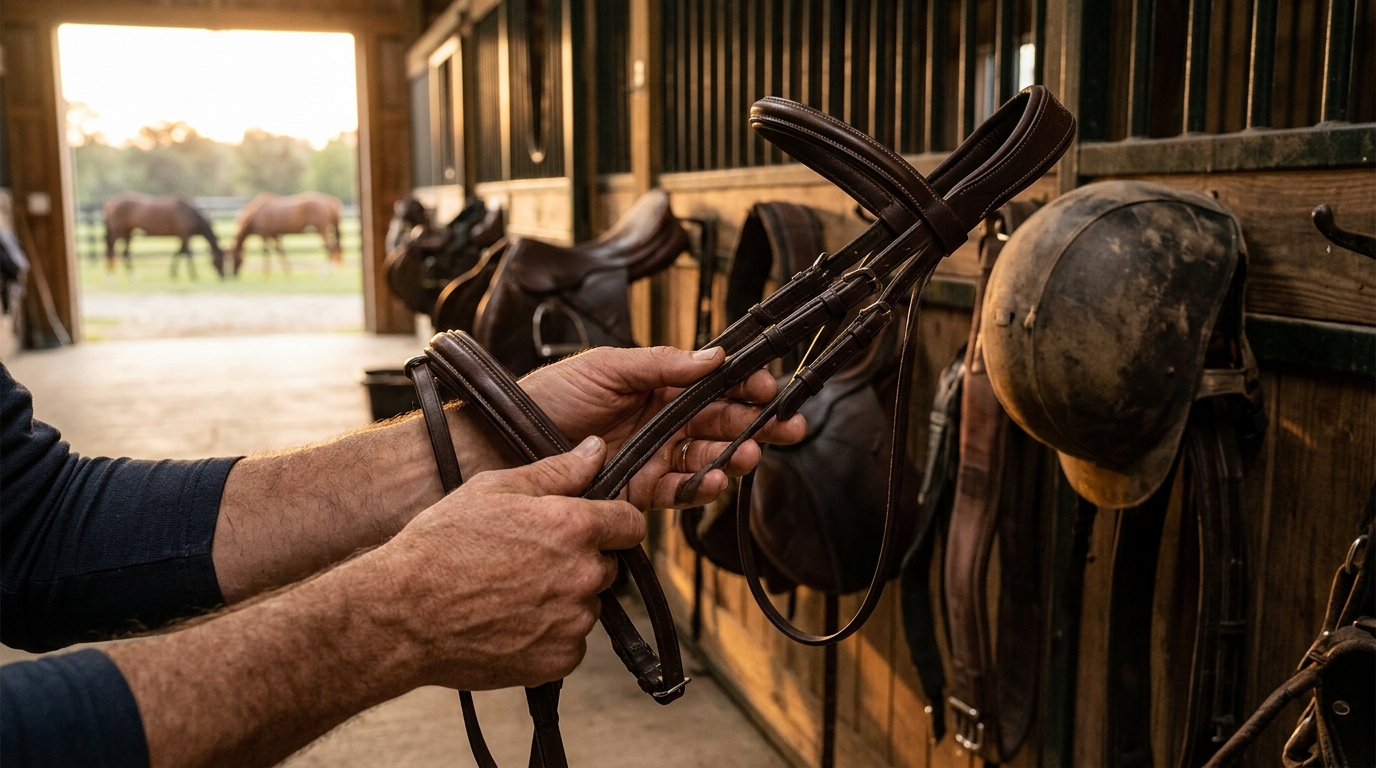
Evaluating horse tack is not merely a shopping exercise; it is a critical safety protocol that directly influences your horse's physical health and your own security in the saddle. According to recent industry analyses, improper tack fit and poor material quality contribute to over 30 percent of preventable back issues in competitive horses. This statistic underscores the necessity of moving beyond brand marketing to understand the engineering behind the leather, nylon, or synthetic materials you invest in. By applying a rigorous evaluation framework, you can ensure that every piece of equipment supports your horse's biomechanics while withstanding the rigors of daily training.
Material Composition and Durability
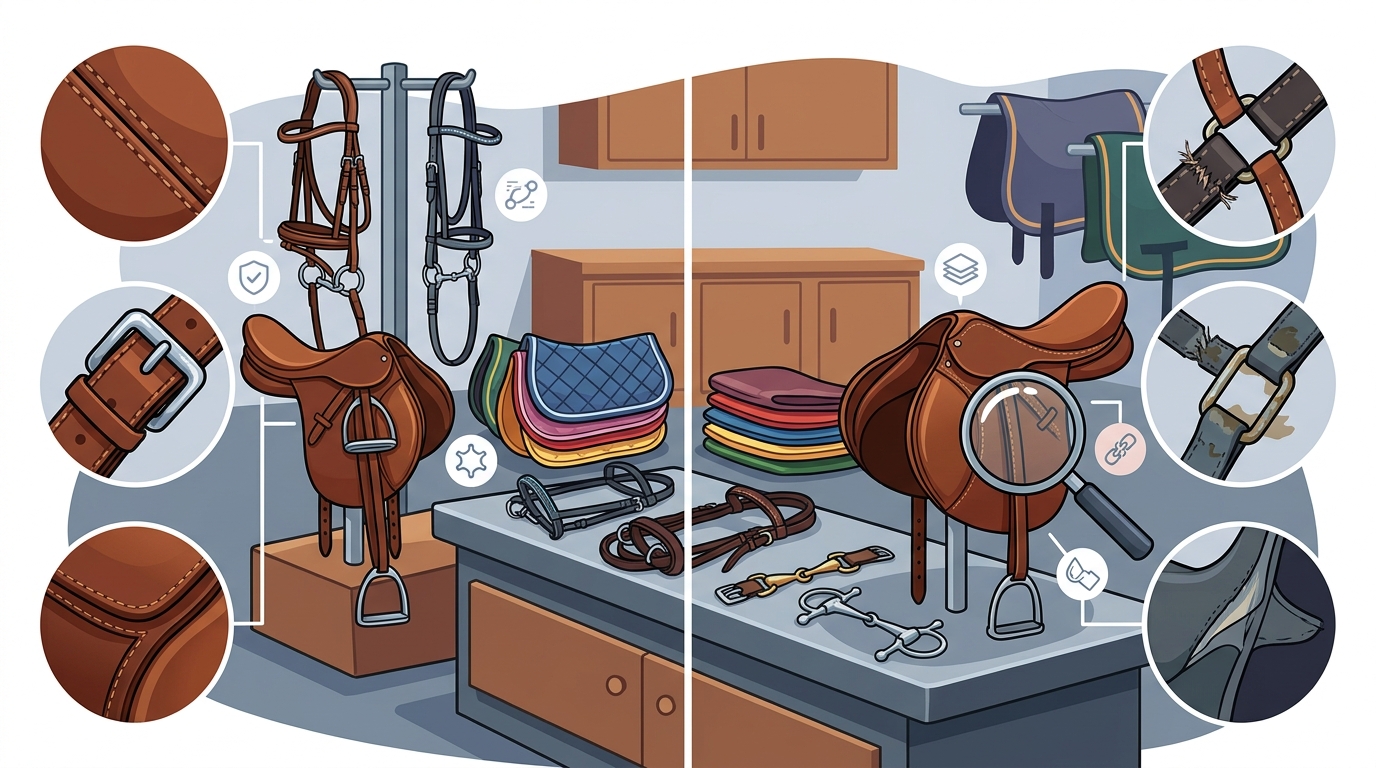
The foundation of any high-quality tack piece lies in its raw materials. Leather, nylon, and synthetic blends each offer distinct advantages, but their longevity depends heavily on manufacturing standards. Leather is a natural material that requires consistent conditioning to maintain its tensile strength. When evaluating leather tack, inspect the grain for uniformity and check the stitching density. High-end brands use double-stitched seams with waxed thread to prevent fraying under tension.
For synthetic options, look for materials that resist UV degradation and moisture absorption. Nylon, for instance, is known for its high strength-to-weight ratio, but it can become brittle in extreme cold if not properly treated. When browsing the Tack & Equipment section of Horse Sport, pay attention to product descriptions that specify the grade of leather or the denier count of synthetic fabrics. These technical details are often the difference between a piece of tack that lasts five years and one that fails after a single season.
Additionally, consider the environmental impact and maintenance requirements. Leather requires a dedicated care routine, while synthetic tack is often easier to clean but may lack the same moldability to the horse's body. Understanding these trade-offs allows you to make an informed decision based on your specific riding discipline and maintenance capacity.
Fit and Biomechanical Impact
Even the most expensive tack will fail if it does not fit the horse correctly. Fit is not a static measurement; it is a dynamic relationship between the tack and the horse's moving anatomy. A saddle that fits today may not fit tomorrow as the horse's musculature changes. Proper tack fit prevents pressure points that can lead to long-term soft tissue damage.
When evaluating a brand, investigate their approach to fit. Do they offer multiple tree widths? Do they provide detailed fitting guides? Brands that prioritize fit often include resources such as stable directories or fitting experts who can assist with custom adjustments. For bridles, ensure that the noseband and cheek pieces do not interfere with the horse's windpipe or jaw hinge. The girth should sit securely without pinching the elbows.
Biomechanical compatibility is crucial for performance. A saddle that restricts shoulder movement will hinder your horse's ability to collect and extend. Look for brands that utilize ergonomic tree designs and flexible panels. Reading reviews from other riders in your specific discipline can provide insight into how a brand's tack performs in real-world scenarios. For example, eventers may prioritize durability and security, while dressage riders may focus on close contact and flexibility.
Hardware Standards and Safety
The hardware on your tack, including buckles, D-rings, and snaps, must be robust and corrosion-resistant. Cheap hardware can snap under pressure, leading to dangerous situations. Stainless steel hardware is the industry standard for resistance to rust and wear. When inspecting tack, test the buckles for smooth operation and check for sharp edges that could damage leather or injure the horse.
Brands that adhere to strict safety standards often use high-grade metals that are plated or solid stainless. This investment pays off in longevity and reliability. When shopping, avoid tack with plastic components in high-stress areas, as these can crack unexpectedly. The EquiTermz glossary on Horse Sport can help you understand the technical specifications of different hardware types and their appropriate uses.
Furthermore, consider the ease of adjustment. Quick-release buckles can be convenient but must be secure. Traditional leather buckles offer a more secure hold but require more time to adjust. Evaluate which system aligns with your riding style and safety preferences. Always inspect hardware regularly for signs of wear, such as thinning or discoloration, and replace components immediately if they show any weakness.
Brand Reputation and Support
A brand's reputation is often built on decades of trust within the equestrian community. Established brands typically have a proven track record of quality and customer support. When researching a brand, look for testimonials from professional riders and trainers. These individuals are often the most discerning critics of tack quality.
Customer service is another critical factor. Does the brand offer a warranty? Are they responsive to fit issues? Brands that stand behind their products are more likely to produce high-quality gear. You can also explore the contests and community features on Horse Sport to see which brands are actively supported by the equestrian community. Engagement in these areas often reflects a brand's commitment to its customers.
Additionally, consider the brand's innovation. Do they introduce new technologies or designs that improve comfort and performance? Brands that invest in research and development are often at the forefront of tack quality. However, be wary of brands that rely solely on marketing hype without substantive product improvements. Always prioritize proven quality over trendy features.
Tack Material Comparison
Understanding the differences between tack materials is essential for making the right choice. The following table summarizes the key characteristics of common tack materials.
| Material Type | Durability | Maintenance Level | Best For | Cost Range |
|---|---|---|---|---|
| Full Grain Leather | High | High | Traditional riding, durability | $$$ |
| Synthetic Nylon | Medium-High | Low | Beginners, low maintenance | $$ |
| Composite Trees | Medium | Low | Lightweight performance | $$$ |
| Stainless Steel Hardware | Very High | None | All tack types | Varies |
Key Takeaways
- Inspect stitching density and grain uniformity to assess leather quality.
- Prioritize stainless steel hardware to prevent corrosion and breakage.
- Ensure tack fits the horse's current musculature, not just its size.
- Research brand warranties and customer support before purchasing.
- Consider the maintenance requirements of synthetic vs. leather materials.
- Read professional reviews to understand real-world performance.
- Use resources like EquiTermz to understand technical specs.
Frequently Asked Questions
How often should I replace my horse tack?
The frequency of replacement depends on usage and material. Leather tack should be inspected annually for cracks and wear, while synthetic tack may last longer but can degrade from UV exposure. Replace any item immediately if it shows signs of structural failure.
What is the difference between full grain and corrected leather?
Full grain leather retains the natural grain and is stronger and more durable. Corrected leather has been sanded and embossed to remove imperfections, making it less durable but often more affordable.
How do I know if a saddle fits my horse?
A properly fitting saddle should have even contact along the horse's back without pressure points. There should be enough room for two fingers under the gullet at the withers. Regular professional fittings are recommended.
Are synthetic tack options as durable as leather?
Modern synthetic materials can be highly durable and often outlast leather in wet conditions. However, they may not offer the same moldability or long-term longevity as high-quality leather.
Where can I find expert advice on tack fitting?
You can consult with certified saddle fitters or refer to resources like the Canadian Stable Directory to find local experts. Horse Sport also provides articles and guides on tack evaluation.
What hardware material is best for tack?
Stainless steel is the best material for tack hardware due to its resistance to rust and high tensile strength. Avoid plated metals that can chip and corrode.
How do I maintain leather tack?
Clean leather with a damp cloth after each use, condition it regularly with a quality leather conditioner, and store it in a cool, dry place away from direct sunlight.
Contact Horse Sport for Expert Advice
Evaluating horse tack brands requires a keen eye for detail and a deep understanding of equine biomechanics. By following these guidelines, you can ensure that your investment in tack supports your horse's health and your riding performance. For more expert advice, articles, and resources, visit the Horse Sport homepage or reach out to our editorial team via Contact Us.