
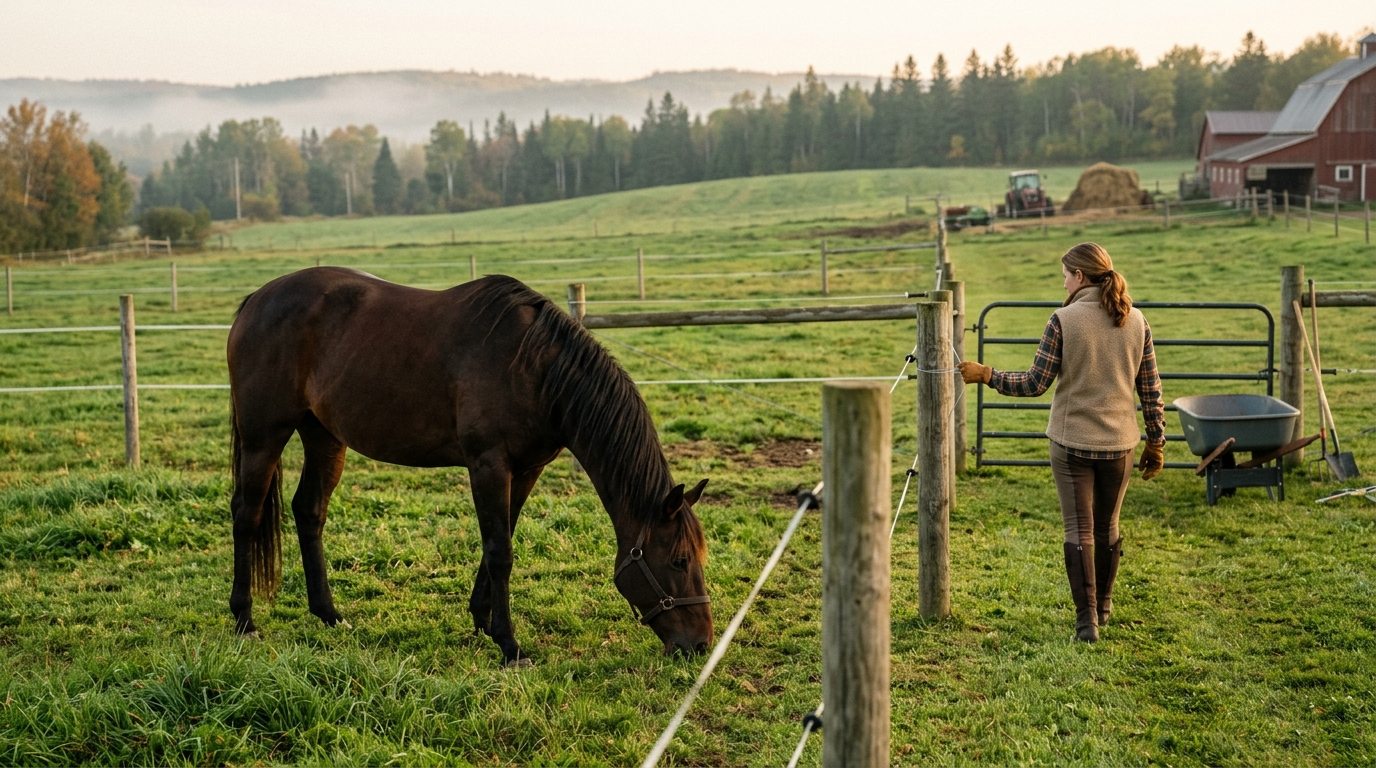
Effective pasture management is the foundation of equine health and farm sustainability. According to recent agricultural data, well-managed pastures can support significantly more livestock per acre while reducing veterinary costs by up to 20% through improved nutrition and reduced parasite loads. This statistic highlights why land stewardship is not just an operational detail but a critical component of modern equine business models. For Canadian horse owners, understanding the unique challenges of soil composition and seasonal weather patterns is essential for maintaining a safe grazing environment year-round.
The Science of Soil Health
Soil health is the bedrock of any successful equine property. Pasture management is the systematic practice of maintaining soil fertility, plant diversity, and structural integrity to support optimal horse grazing. Without healthy soil, grasses cannot recover from grazing pressure, leading to bare patches that invite invasive weeds and erosion.
Canadian soils vary widely from the clay-heavy regions of Ontario to the sandy loams of the Prairies. Understanding your specific soil type is the first step in management. Regular soil testing should be conducted every two to three years to determine pH levels and nutrient deficiencies. Most forage grasses thrive in a pH range between 6.0 and 7.0. If your soil is too acidic, applying lime can significantly improve nutrient uptake for clover and ryegrass.
Fertilization strategies must be tailored to the specific grass species present. Nitrogen promotes leafy growth, which is desirable for grazing, but excessive use can lead to nitrate toxicity in horses. Phosphorus and potassium are crucial for root development and drought resistance. By aligning your fertilizer application with the growth cycles of your primary forage, you ensure that the pasture remains productive during peak seasons.
Implementing Strategic Grazing Rotations
Continuous grazing, where horses have access to the same area indefinitely, is the primary cause of pasture degradation. Rotational grazing is the practice of dividing pastures into smaller paddocks and moving horses between them to allow grass recovery. This method mimics natural herd movements and prevents overgrazing.
The goal of rotational grazing is to allow grasses to recover to their optimal height before being grazed again. For most cool-season grasses, this means allowing the grass to reach 6 to 8 inches before turning horses in, and removing them when the grass is grazed down to 3 inches. This "graze and rest" cycle ensures that the plant's root system remains intact and can store energy for the next growth spurt.
Effective rotation also helps break the life cycle of internal parasites. Many parasite larvae live on the lower portions of the grass blades. By rotating horses to different pastures, you reduce the load of ingested larvae. However, rotation alone is not a cure-all. It must be combined with other management practices, such as manure removal and cross-grazing with other livestock, to be fully effective.
Weed Identification and Control
Weeds are not just an aesthetic issue; many are toxic to horses or indicate underlying soil problems. Weed control is the targeted removal or suppression of undesirable plant species that compete with forage or pose health risks to livestock. Common toxic weeds in Canadian pastures include ragwort, foxglove, and water hemlock.
Early identification is key to effective control. Spot-spraying small patches of weeds is more environmentally friendly and cost-effective than blanket spraying entire fields. Always use herbicides labeled for use in pastures and follow the pre-graze interval strictly to ensure safety. Mechanical removal, such as mowing or digging, can be effective for smaller infestations but requires consistent effort.
Improving pasture density is the best long-term weed control strategy. Dense, healthy grass crowds out weeds by limiting the sunlight and space they need to establish. Overseeding bare patches with appropriate grass and clover mixes can restore pasture vigor and reduce weed pressure naturally.
Manure Management Protocols
Manure management is often overlooked but is critical for pasture health and parasite control. Horses deposit approximately 50 pounds of manure per day. If left in the pasture, this manure creates "manure piles" that kill the underlying grass and concentrate parasite eggs.
Regular harrowing or dragging of pastures can help distribute manure evenly, allowing it to decompose and return nutrients to the soil. However, this practice should be timed carefully. Dragging pastures during wet conditions can spread parasite larvae and damage soil structure. It is best to drag pastures during dry, sunny weather to allow the sun to kill parasite larvae naturally.
For large operations, removing manure from pastures and composting it in a designated area is the most effective strategy. This not only reduces parasite loads but also creates a valuable soil amendment for other parts of the farm. Composting requires proper aeration and moisture levels to break down effectively and kill pathogens.
Fencing and Infrastructure Safety
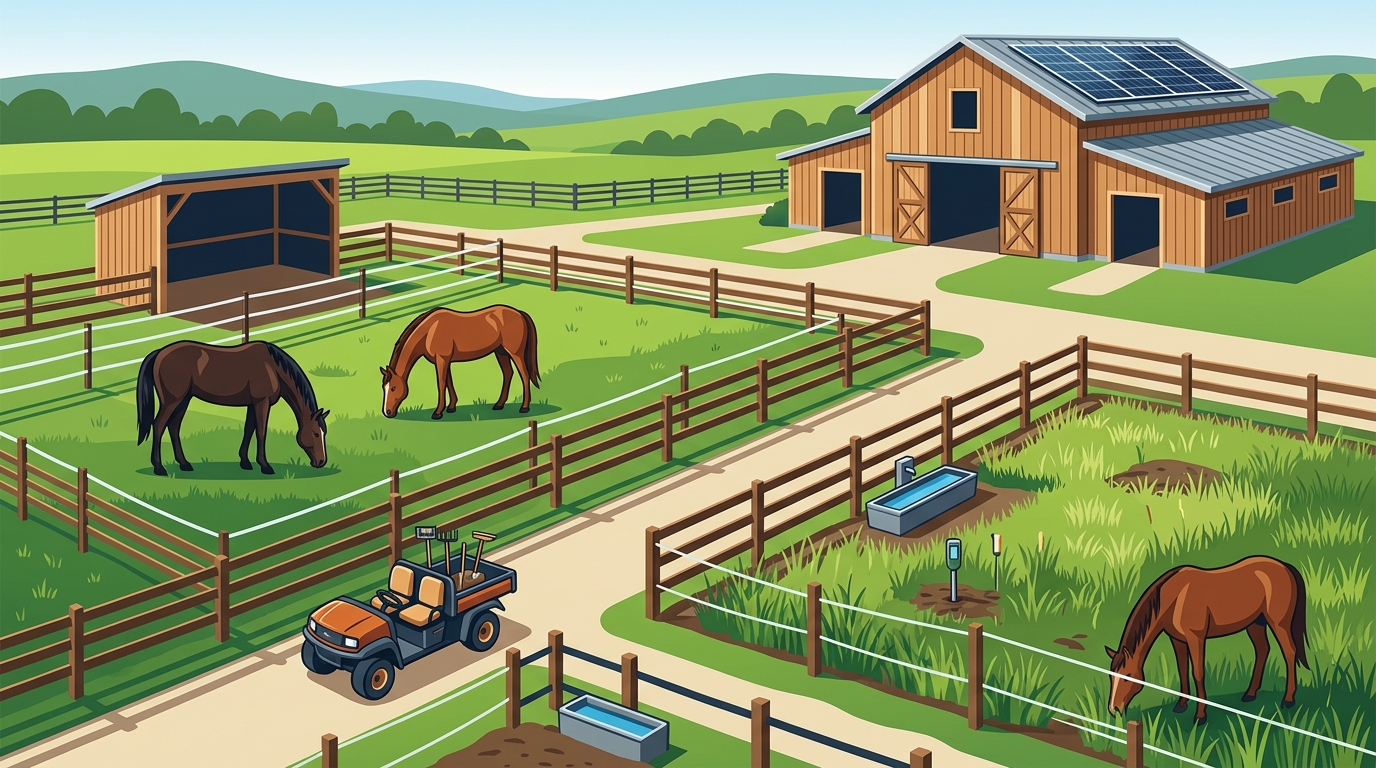
Safe fencing is a non-negotiable aspect of pasture management. Poor fencing can lead to injuries, stress, and even death for horses. Fencing safety is the evaluation and maintenance of boundary structures to prevent injury and contain livestock effectively. Common fencing materials include wood, vinyl, and electric tape.
Wood fencing must be regularly inspected for splintered boards, loose nails, and rot. Horses are curious and may chew on wood, so smooth, rounded edges are preferable. Electric fencing is a cost-effective option for temporary paddocks or to reinforce existing boundaries. It requires consistent voltage and proper grounding to be effective.
Water sources and feed stations should also be integrated into the pasture layout strategically. Placing them in high-traffic areas can lead to mud and soil compaction. Rotating these locations or using concrete pads can help maintain pasture integrity. Always ensure that water troughs are clean and accessible to prevent dehydration and heat stress.
Seasonal Pasture Planning
Seasonal changes significantly impact pasture growth and horse nutrition. In the spring, rapid grass growth can lead to laminitis if horses are introduced to lush pasture too quickly. Laminitis is a painful inflammatory condition of the laminae in the horse's hoof, often triggered by excessive intake of fructans in spring grass. To mitigate this risk, limit grazing time in the early spring and provide hay as the primary forage source.
Summer management focuses on drought tolerance and weed control. Irrigation may be necessary in dry regions to maintain pasture productivity. Monitor pastures closely for signs of drought stress, such as browning or thinning grass, and adjust grazing pressure accordingly.
In the fall, prepare pastures for winter dormancy. Avoid overgrazing in late fall, as this weakens the grass roots and reduces their ability to survive the winter. Allow pastures to rest and recover before the first hard frost. Winter grazing should be limited to avoid soil damage from wet conditions and hoof traffic.
Key Takeaways
- Soil Testing: Conduct soil tests every two to three years to maintain optimal pH and nutrient levels for forage growth.
- Rotational Grazing: Divide pastures into smaller paddocks and rotate horses to allow grass recovery and reduce parasite loads.
- Weed Control: Identify and remove toxic weeds early, using spot-spraying or mechanical removal to protect horse health.
- Manure Management: Regularly harrow or remove manure to prevent parasite buildup and maintain pasture hygiene.
- Fencing Safety: Inspect fencing regularly for damage and ensure it is safe and secure for horse containment.
- Seasonal Adjustments: Limit spring grazing to prevent laminitis and manage summer drought stress with irrigation or reduced pressure.
- Infrastructure: Rotate water and feed station locations to prevent soil compaction and mud formation.
Frequently Asked Questions
How often should I rotate my horses in the pasture?
The frequency of rotation depends on pasture size, grass growth rate, and horse numbers. Generally, horses should be moved to a fresh paddock every 7 to 14 days during the growing season to allow adequate rest for the grass.
What is the best time of year to aerate a horse pasture?
The best time to aerate is during the active growing season, typically in early spring or early fall. This allows the grass to recover quickly from the stress of aeration and fill in any bare spots.
How can I prevent laminitis in the spring?
Prevent laminitis by limiting access to lush spring grass. Use a grazing muzzle or turn horses out at night when sugar levels in grass are lower. Provide high-quality hay as the primary forage source until the grass has matured.
What are the signs of poor pasture health?
Signs of poor pasture health include bare patches, weed infestations, thin grass cover, and soil erosion. These indicators suggest that the pasture is overgrazed or lacks necessary nutrients.
How do I manage parasites in my pasture?
Manage parasites through rotational grazing, regular manure removal, and strategic deworming of horses based on fecal egg counts. Avoid grazing horses on the same pasture for extended periods.
What type of grass is best for horse pastures?
Common grasses for horse pastures include timothy, orchard grass, and Kentucky bluegrass. These species are nutritious and generally safe for horses when managed correctly.
How much pasture space does a horse need?
As a general rule, a horse requires at least one acre of pasture per horse for sustainable grazing. However, this can vary based on soil quality, climate, and management practices.
Contact Horse Sport
For more expert advice on equine health, breeding, and farm management, visit the Horse Sport homepage. Explore our Canadian Stable Directory to find resources near you. Stay informed with the latest news and contests in the equestrian world. If you have specific questions or wish to contribute, please contact us directly. Support independent equestrian journalism by visiting our donate page.