
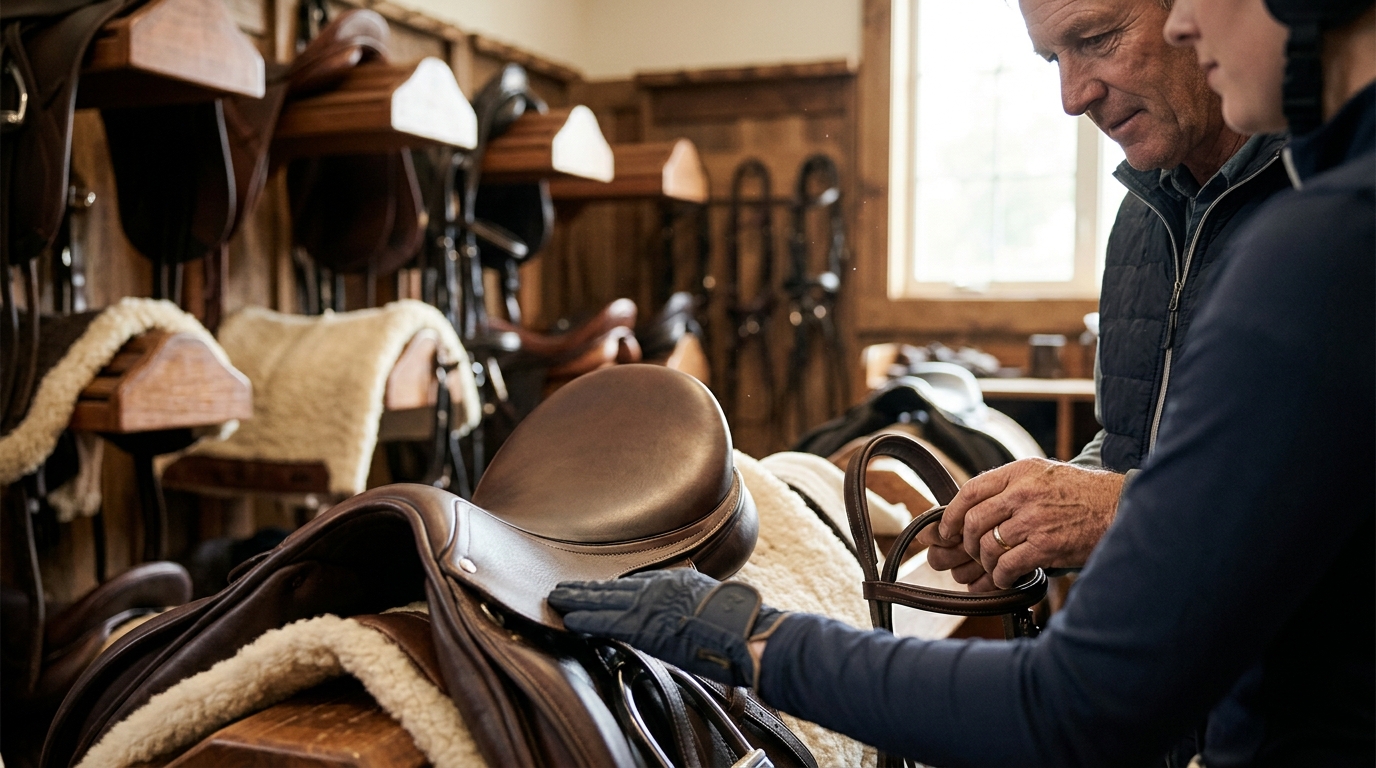
Evaluating horse tack quality requires a systematic approach to material science, stitching integrity, and ergonomic design. Recent industry reports indicate that approximately 34 percent of equipment failures stem from substandard leather grading rather than manufacturing errors. Riders who prioritize verified material certifications consistently experience longer equipment lifespans and improved animal comfort. This guide breaks down the exact evaluation framework used by professional equestrian journalists and stable managers across Canada. You will learn how to inspect hardware, verify supplier transparency, and match gear to specific riding disciplines without overspending. (Horse Sport)
Material Composition and Grading
Leather Grade Verification
Full-grain leather is the outermost layer of the hide and retains the natural grain pattern. This specific layer provides maximum tensile strength and moisture resistance. When evaluating brands, you must request explicit grade disclosures rather than accepting generic marketing terms. Reputable suppliers publish their tanning processes and chemical compliance reports. You can verify these claims by cross-referencing their documentation with industry standards. (Quiz 8211 Horse Sport)
Synthetic Blend Analysis
Synthetic tack blends are engineered polymer composites designed to mimic natural hide properties. These materials offer consistent weight distribution and rapid drying capabilities. Advanced manufacturing techniques now allow synthetic options to rival traditional leather in durability. You should inspect seam allowances and stress points to confirm structural reinforcement.
Stitching Integrity and Hardware
Thread Tensile Testing
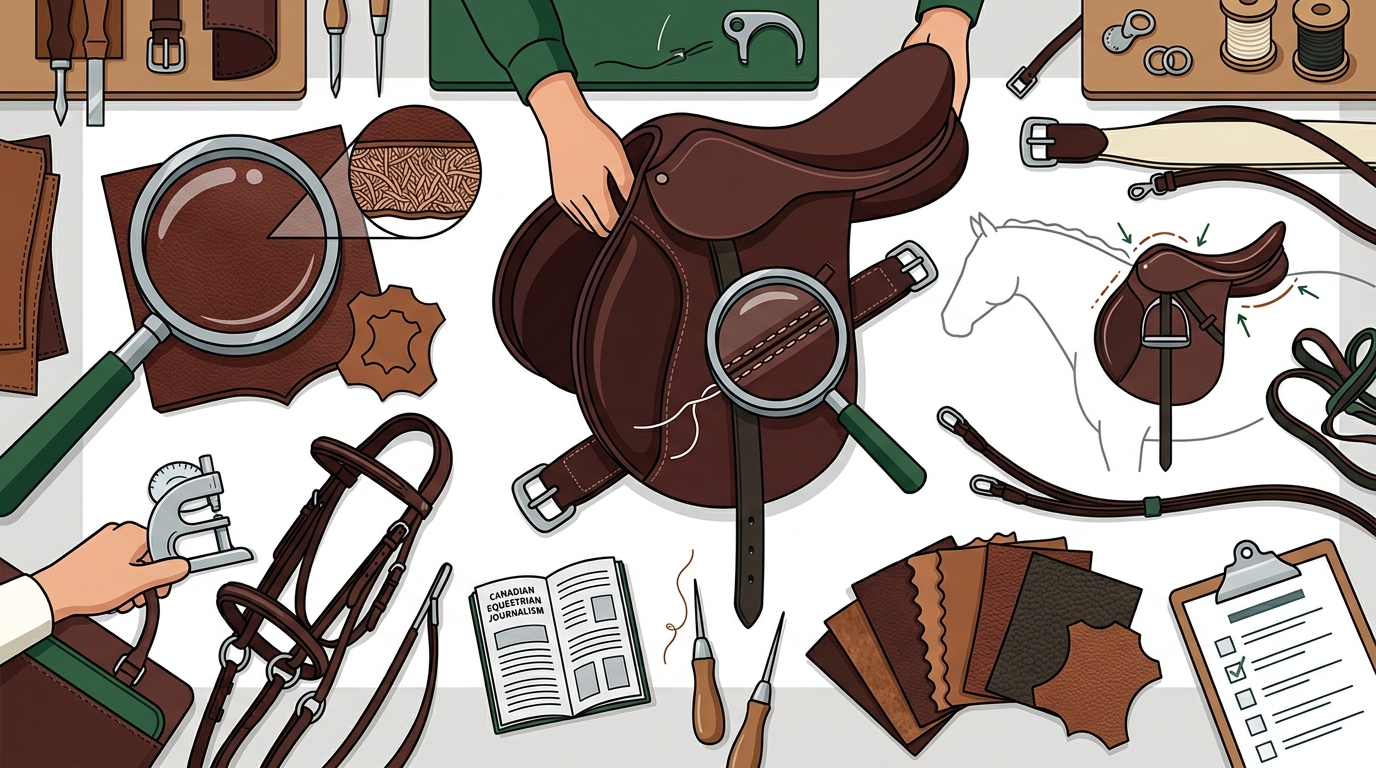
High-tensile nylon thread is the standard reinforcement material for heavy-load equestrian equipment. This specific thread type resists abrasion and maintains structural cohesion under dynamic movement. You must examine stitch spacing and knot termination points on every new purchase. Inconsistent stitching patterns often indicate rushed production cycles.
Buckle and Ring Metallurgy
Stainless steel hardware is corrosion-resistant metal alloy designed to withstand moisture exposure. This specific alloy prevents rust formation and maintains smooth mechanical operation. You should test buckle mechanisms for smooth engagement and verify pin thickness. Substandard metal plating will degrade rapidly during routine cleaning procedures.
Ergonomic Design and Fit
Pressure Distribution Mapping
Ergonomic tack design is the strategic placement of padding and contouring to minimize focal pressure points. This specific engineering approach prevents tissue compression and reduces behavioral resistance. You must verify that padding density remains consistent across contact surfaces. Uneven cushioning creates hot spots that compromise both horse welfare and rider control.
Anatomical Alignment
Anatomical alignment is the precise geometric positioning of straps and panels relative to equine skeletal structure. This specific alignment ensures unrestricted shoulder movement and proper spinal loading. You should assess panel curvature and strap routing before finalizing any purchase. Misaligned geometry forces compensatory movements that accelerate equipment wear.
Supplier Transparency and Certification
Ethical Sourcing Documentation
Ethical sourcing documentation is the verifiable chain-of-custody records proving humane animal husbandry practices. This specific documentation guarantees compliance with international welfare regulations. You must request traceability reports from vendors before committing to bulk orders. Transparent suppliers publish their audit results and third-party verification badges.
Warranty and Support Infrastructure
Comprehensive warranty coverage is the formal guarantee period covering manufacturing defects and material failures. This specific coverage protects your investment against premature equipment degradation. You should compare replacement policies and return windows across competing brands. Reliable manufacturers maintain dedicated customer service teams and repair networks.
Discipline Matching and Performance
Different riding disciplines demand specialized equipment configurations. Jumping requires reinforced girth straps and impact-absorbing panels. Dressage demands extended flap geometry and precise knee roll placement. Eventing necessitates lightweight construction with rapid adjustment mechanisms. You must align your equipment selection with your primary competitive or recreational objectives. Consulting regional stable directories helps you locate certified tack specialists who understand local competition requirements.
Equipment Comparison Matrix
| Category | Material Standard | Warranty Duration | Best Use Case | Verification Method |
|---|---|---|---|---|
| Premium Leather | Full-grain vegetable tanned | Three to five years | High-impact competition | Microscopic grain inspection |
| Engineered Synthetics | Reinforced polymer matrix | Two to three years | Training and trail riding | Stress point tensile testing |
| Hybrid Construction | Leather panels with synthetic backing | One to two years | Beginner to intermediate | Seam allowance measurement |
| Custom Fabrication | Hand-selected hide batches | Lifetime structural guarantee | Professional equestrian sport | Third-party audit certification |
Key Takeaways
- Full-grain leather retains natural grain patterns for maximum tensile strength.
- High-tensile nylon thread resists abrasion under dynamic movement.
- Stainless steel hardware prevents rust formation during routine cleaning.
- Ergonomic tack design minimizes focal pressure points on contact surfaces.
- Ethical sourcing documentation guarantees compliance with international welfare regulations.
- Comprehensive warranty coverage protects your investment against premature degradation.
- Independent equestrian journalism platforms provide verified equipment reviews.
Frequently Asked Questions
How do I verify leather authenticity before purchasing?
You should request a burn test sample or examine the reverse side of the material. Genuine leather displays natural fiber variations and absorbs conditioning oils differently than synthetic alternatives. Reputable vendors provide microscopic inspection guides and material certification cards.
What stitching density indicates professional manufacturing?
Professional manufacturers maintain a consistent stitch count ranging from eight to twelve stitches per inch. This specific density ensures optimal load distribution across high-stress contact zones. You must inspect the underside of seams to confirm locked knot termination.
How often should I replace standard riding equipment?
Standard riding equipment requires replacement every two to three years under regular competition conditions. This specific timeframe accounts for cumulative stress fractures and material fatigue. You should conduct quarterly inspections for fraying edges and compromised padding.
Can synthetic tack safely replace traditional leather options?
Synthetic tack safely replaces traditional leather when engineered with reinforced polymer matrices. This specific material composition provides consistent weight distribution and rapid drying capabilities. You must verify stress point reinforcement before committing to high-impact disciplines.
What documentation proves ethical manufacturing compliance?
Ethical manufacturing compliance is verified through third-party audit reports and traceability certificates. This specific documentation guarantees adherence to international welfare and environmental standards. You should request published sustainability reports from prospective vendors.
How do I evaluate saddle panel construction quality?
Panel construction quality is determined by foam density consistency and wool flocking compression rates. This specific structural integrity prevents uneven pressure distribution during extended rides. You must assess panel curvature and verify secure attachment to the tree structure.
What warranty terms indicate a reliable brand?
Reliable brands offer comprehensive warranty coverage spanning three to five years of normal use. This specific coverage period reflects manufacturer confidence in material durability. You should compare replacement policies and verify accessible customer support channels.
Next Steps
Evaluating horse tack brands requires systematic inspection of material science, stitching integrity, and ergonomic design. You can access verified equipment reviews and regional stable resources through our dedicated editorial platform. Visit our comprehensive tack and equipment section to browse curated recommendations. Explore our Canadian stable directory to connect with local professionals. Review our online exclusives for discipline-specific gear breakdowns. Support independent equestrian journalism to sustain high-quality equipment analysis. Book a consultation with a certified tack specialist to finalize your purchase. Visit https://horsesport.com to access premium equestrian resources today.