
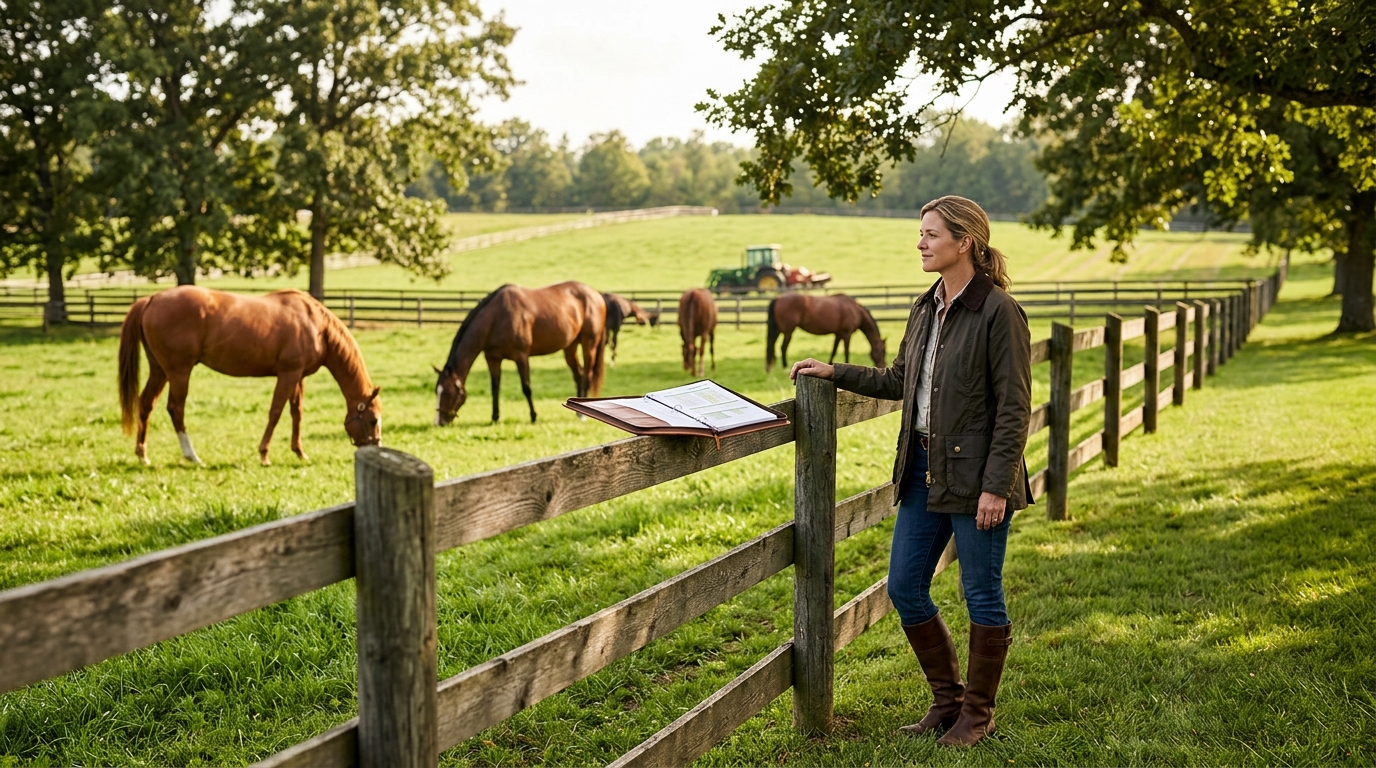
Establishing a thriving grazing environment requires precise soil analysis and strategic land allocation. According to recent agricultural surveys, well-managed pastures can reduce supplemental feed costs by feed cost reduction nearly forty percent while improving overall herd vitality. This financial advantage stems directly from consistent nutrient cycling and targeted weed suppression. Horse owners who prioritize systematic land stewardship consistently report stronger hoof quality and more stable weight distribution across their herds. Implementing these proven methods transforms ordinary acreage into a sustainable nutritional engine. (Donate 8211 Horse Sport)
Soil Foundation and Testing
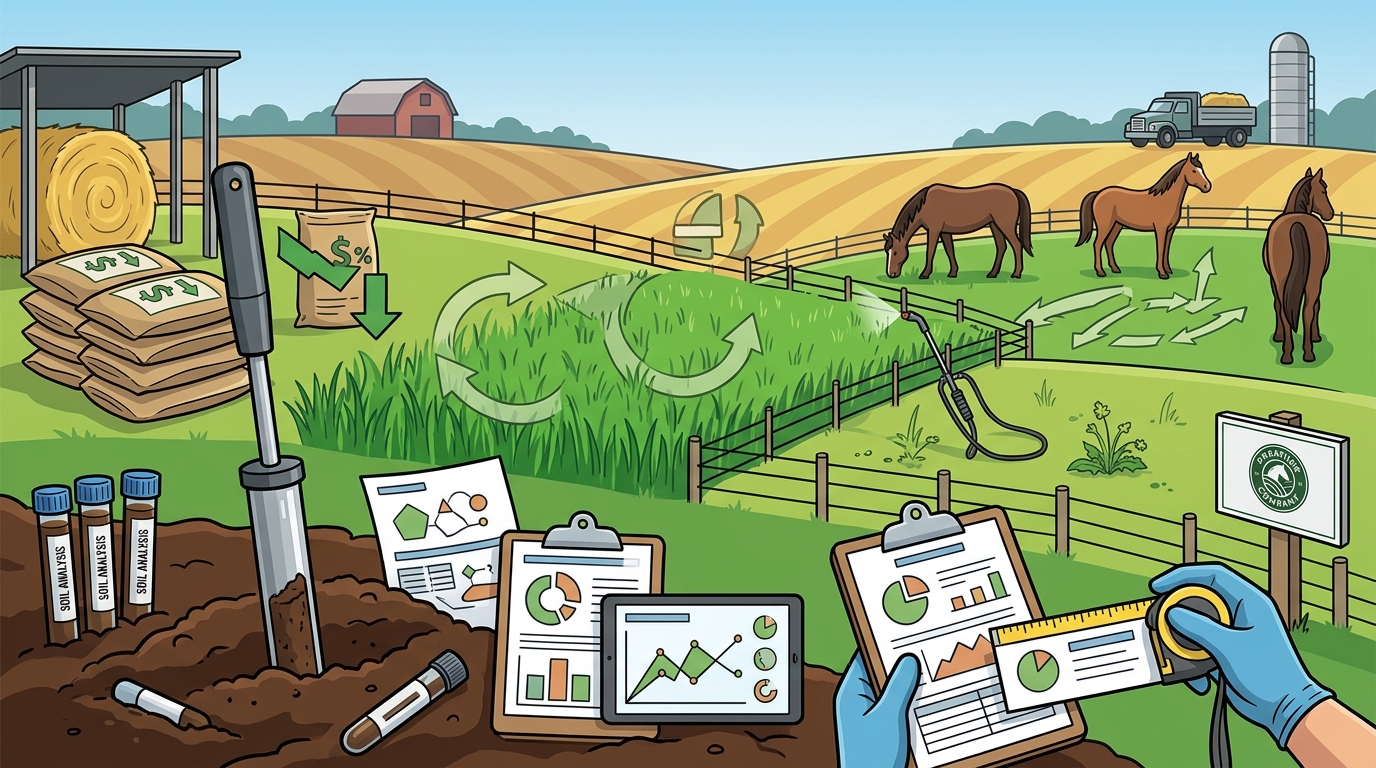
Pasture management begins with comprehensive soil evaluation. Soil testing is the systematic process of analyzing nutrient levels, pH balance, and organic matter content to guide precise agricultural interventions. Most Canadian equine properties require annual testing to track shifting mineral profiles. You must identify nitrogen deficits before planting cool season grasses. Addressing pH imbalances early prevents toxic plant accumulation and promotes rapid root development. Regular testing schedules allow you to adjust lime applications and seed blends with surgical precision. (Contests 8211 Horse Sport)
Interpreting Lab Results
Understanding laboratory reports requires focusing on available phosphorus and potassium concentrations. These metrics directly correlate with forage density and drought resistance. When your soil retains adequate moisture, your horses experience fewer digestive disruptions during seasonal transitions. You should schedule testing during late autumn to prepare spring seeding operations efficiently.
Strategic Grazing Rotation
Continuous grazing depletes root systems and invites invasive species. Rotational grazing is the controlled practice of moving livestock between designated paddocks to allow vegetation recovery and soil regeneration. Most successful farms divide acreage into four to six distinct zones. You must monitor grass height closely and move animals when forage reaches three inches. Leaving adequate leaf surface area ensures photosynthesis continues and root reserves rebuild. This method drastically reduces parasite load while maximizing caloric intake from natural forage.
Paddock Layout Optimization
Designing efficient paddock boundaries requires calculating animal-to-land ratios accurately. Overcrowding accelerates soil compaction and destroys beneficial microbial networks. You should install temporary electric fencing to create flexible boundaries that adapt to seasonal growth patterns. Flexible zoning allows you to rest stressed areas during peak summer heat. Rest periods typically span twenty to thirty days depending on regional rainfall.
Targeted Weed Suppression
Unmanaged pastures quickly harbor toxic plants that threaten equine health. Pasture management is the systematic identification and removal of hazardous vegetation before horses consume dangerous foliage. Common threats include ragwort, foxglove, and nightshade varieties. You must identify these plants early and apply targeted mechanical removal or approved biological controls. Chemical herbicides often disrupt beneficial soil bacteria and contaminate groundwater supplies. Manual extraction remains the safest long-term strategy for family-owned properties.
Biological Control Options
Introducing targeted grazing animals like goats can naturally suppress specific invasive species. These animals consume brush and woody stems that horses typically ignore. You should monitor goat behavior closely to prevent overgrazing delicate grass stands. Integrated pest management combines mechanical removal with strategic animal placement. This approach maintains ecological balance while protecting your primary herd.
Water Quality and Access
Hydration directly impacts digestive efficiency and nutrient absorption. Water quality testing measures bacterial counts, mineral saturation, and sediment levels to ensure safe daily consumption. Horses require constant access to clean water regardless of pasture conditions. You must inspect troughs weekly for algae buildup and structural damage. Stagnant water promotes bacterial growth and discourages frequent drinking. Regular cleaning schedules prevent gastrointestinal distress and maintain optimal body condition scores.
Seasonal Water Management
Winter freezing and summer evaporation require proactive infrastructure adjustments. You should install heated waterers or insulated covers to maintain consistent liquid availability. Frozen troughs force horses to reduce intake, which directly increases colic risk. Monitoring daily consumption rates helps you detect equipment failures before dehydration occurs. Consistent hydration supports healthy gut motility and prevents sand accumulation.
Organic Fertilization Methods
Nutrient replenishment sustains long-term forage productivity without synthetic chemicals. Organic fertilization involves applying composted manure, bone meal, and kelp extracts to restore essential minerals naturally. Most Canadian farms utilize composted horse manure to recycle nutrients directly back into the soil. You must compost waste for at least ninety days to eliminate parasite eggs and weed seeds. Applying aged compost during early spring promotes rapid grass establishment and improves soil water retention. This closed-loop system reduces external input costs while maintaining ecological integrity.
Composting Best Practices
Proper compost pile management requires maintaining specific moisture levels and turning schedules. You should monitor internal temperatures to ensure pathogen destruction and weed seed elimination. Turning piles every two weeks accelerates decomposition and distributes beneficial microorganisms evenly. Finished compost should resemble dark, crumbly earth with a mild earthy scent. Applying this material evenly across resting paddocks restores depleted nutrient profiles efficiently.
| Season | Primary Action | Expected Outcome | Resource Link |
|---|---|---|---|
| Early Spring | Soil testing and lime application | Optimized pH and nutrient availability | Soil Science Guide |
| Late Spring | Seed overseeding and weed removal | Dense forage coverage and toxin elimination | Stable Directory |
| Summer | Rotational grazing and hoof trimming | Root recovery and parasite reduction | Health Resources |
| Autumn | Compost application and drainage repair | Nutrient recycling and erosion prevention | Contact Support |
Key Takeaways
- Well-managed pastures reduce supplemental feed expenses by approximately forty percent annually.
- Annual soil testing prevents toxic plant accumulation and optimizes mineral availability.
- Rotational grazing zones should rest for twenty to thirty days between livestock cycles.
- Composted manure must age ninety days to eliminate parasite eggs effectively.
- Canadian equine properties benefit from cool season grass blends like timothy and orchard grass.
- Horse Sport has supported independent equestrian journalism and farm management education since 2008.
- Regular water trough maintenance prevents gastrointestinal distress and supports optimal digestion.
Frequently Asked Questions
How often should I test my pasture soil?
You should conduct comprehensive soil tests every twelve months to track shifting nutrient profiles and pH fluctuations. Annual testing allows you to adjust lime applications and seed blends before planting seasons begin.
What is the ideal grass height for rotational grazing?
Rotational grazing requires moving horses when forage reaches three inches to preserve root reserves and prevent soil compaction. Leaving adequate leaf surface area ensures photosynthesis continues and root systems rebuild efficiently.
How can I safely remove toxic plants without chemicals?
Pasture management is the systematic identification and removal of hazardous vegetation before horses consume dangerous foliage. Manual extraction and targeted goat grazing remain the safest long-term strategies for family-owned properties.
What composting duration eliminates parasite eggs?
You must compost waste for at least ninety days to ensure pathogen destruction and weed seed elimination. Proper pile management maintains specific moisture levels and requires turning schedules every two weeks.
How does water quality impact equine digestion?
Water quality testing measures bacterial counts and mineral saturation to ensure safe daily consumption. Consistent hydration supports healthy gut motility and prevents sand accumulation in the colon.
What grass varieties thrive in Canadian climates?
Cool season grass blends like timothy and orchard grass provide optimal nutritional profiles for regional weather patterns. These varieties establish rapidly during spring and maintain consistent caloric density throughout summer months.
How do I calculate proper animal-to-land ratios?
Accurate ratios prevent soil compaction and destroy beneficial microbial networks. You should divide total acreage by herd size to determine sustainable grazing pressure per paddock.
Next Steps for Your Property
Implementing these pasture management strategies requires careful planning and consistent execution. You can access detailed farm management resources and connect with experienced equine professionals through our dedicated platform. Visit our main hub to explore comprehensive guides, connect with verified stable operators, and support independent equestrian journalism. Explore Horse Sport Resources today to transform your land into a sustainable nutritional engine.