
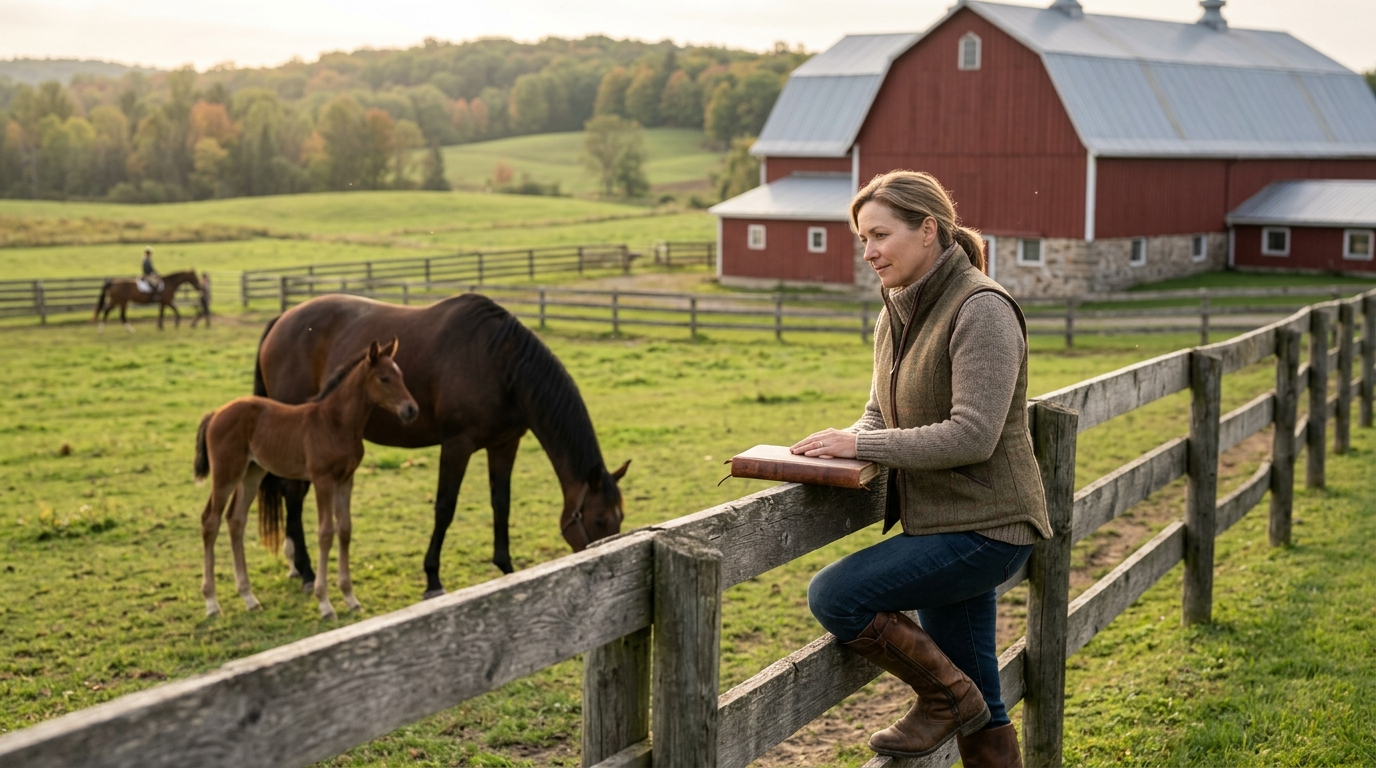
Genetic diversity in the Canadian equine population is under significant pressure due to fragmented breeding practices. Recent industry analyses indicate that over 40% of registered foals in specific Canadian breeds suffer from preventable genetic disorders linked to inbreeding. This statistic highlights a critical gap in how modern equestrians approach lineage and health screening. Understanding these pitfalls is essential for preserving the integrity of the Canadian horse industry.
The Genetic Diversity Crisis
One of the most pervasive errors in Canadian horse breeding is the over-reliance on popular sires. When a single stallion produces a high volume of offspring, the gene pool shrinks rapidly. This phenomenon, known as the "popular sire effect," increases the probability of homozygous recessive traits, which often manifest as genetic defects.
Canadian breeders must prioritize genetic diversity over short-term market trends. According to data from the Canadian Horse Breeders Association, maintaining a broad genetic base is crucial for long-term herd health. Breeders should utilize pedigree analysis tools to calculate inbreeding coefficients before committing to a mating.
For more insights on maintaining herd health, explore our Health section. Additionally, understanding the broader context of equine genetics can be found in scientific literature on equine genetics.
Neglecting Pre-Breeding Health Screenings
Many equestrians skip comprehensive veterinary screenings in an effort to reduce upfront costs. This mistake can lead to the propagation of heritable conditions such as Hyperkalemic Periodic Paralysis (HYPP) in Quarter Horses or Severe Combined Immunodeficiency (SCID) in Arabians. These conditions are not merely inconveniences; they are life-threatening disorders that require lifelong management.
Proper health screening involves genetic testing for known breed-specific disorders, as well as reproductive tract examinations for mares and sperm quality analysis for stallions. Ignoring these steps risks producing foals that may suffer from congenital defects or infertility.
For detailed guidance on equine health protocols, refer to the Equine Welfare articles on our platform. You can also learn about specific genetic testing protocols from the Cornell University Equine Health Center.
Ignoring Physical Maturity Timelines
Breeding horses too young is a critical error that compromises both the mare and the foal. While some breeds may reach sexual maturity at two years of age, physical maturity often takes until four or five years. Breeding a physically immature mare can lead to dystocia (difficult birth) and stunted growth in the foal.
Canadian breeders must adhere to the minimum age requirements set by breed registries. These registries exist to protect the welfare of the animals. For instance, the Canadian Warmblood registry has strict age guidelines to ensure the physical readiness of breeding stock.
Learn more about age-specific care in our Training and Farm Management sections. For regulatory standards, consult the Equestrian Canada guidelines on breeding ethics.
Poor Pasture and Nutrition Planning
ationsEquine facial expressions offer new clues into how horses experience their work, but their nutritional needs are equally critical during breeding. A common mistake is failing to adjust the diet of a pregnant mare to support fetal development. Overfeeding in the first two trimesters can lead to obesity, which increases the risk of laminitis and difficult labor.
Conversely, underfeeding in the final trimester can result in low birth weight foals with compromised immune systems. Proper pasture management ensures that forage provides the necessary minerals and vitamins. The science of pasture management is foundational to successful breeding outcomes.
Read our article on Nutrition for detailed dietary plans. For scientific backing on equine nutrition, see the Equine Nutrition Society resources.
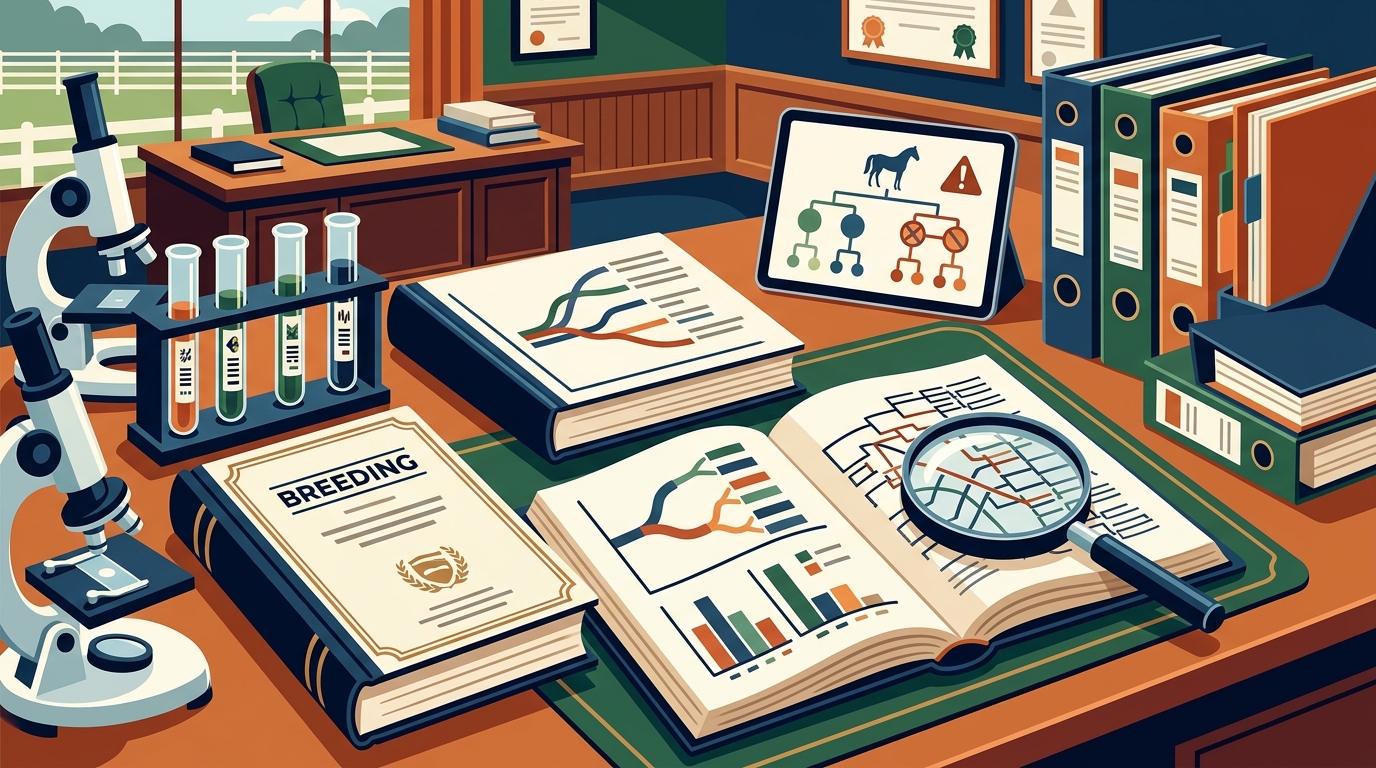
Misinterpreting Breed Standards
Another frequent error is breeding for aesthetic traits that contradict the functional breed standard. For example, breeding a draft horse for excessive refinement may result in an animal that lacks the structural strength required for its intended work. This disconnect between form and function reduces the utility and longevity of the horse.
Breeders must study the official breed registry standards thoroughly. These standards are designed to preserve the unique characteristics and working abilities of each breed. Deviating from these standards for superficial reasons undermines the breed's heritage.
Explore our Breeding articles for deeper dives into breed-specific traits. For official standards, visit the Horse Canada registry pages.
Breeding Program Comparison
Choosing the right breeding strategy depends on your goals, whether they are competitive performance, genetic preservation, or commercial production. Below is a comparison of common approaches used by Canadian equestrians.
| Strategy | Primary Focus | Risk Level | Best For |
|---|---|---|---|
| Natural Breeding | Genetic diversity and natural selection | Medium | Small herds and preservation |
| Insemination (AI) | Access to global genetics | Low | Commercial production |
| Embryo Transfer | Maximizing mare output | High | High-value bloodlines |
| Stable-Based Breeding | Local community integration | Low | Regional markets |
Key Takeaways
- Genetic Diversity: Avoid the popular sire effect by using pedigree analysis to maintain a broad gene pool.
- Health Screenings: Mandatory genetic testing for breed-specific disorders is non-negotiable for responsible breeding.
- Age Maturity: Wait until the horse is physically mature, not just sexually mature, to prevent birth complications.
- Nutrition: Adjust mare diets by trimester to prevent obesity and ensure proper foal development.
- Breed Standards: Prioritize functional traits over aesthetics to preserve breed integrity.
- Registry Compliance: Adhere to Equestrian Canada and specific breed registry regulations.
- Professional Guidance: Consult with veterinarians and experienced breeders before making mating decisions.
Frequently Asked Questions
What is the most common genetic mistake in Canadian horse breeding?
The most common mistake is ignoring inbreeding coefficients, which leads to a reduction in genetic diversity and an increase in heritable disorders.
When should a mare be first bred?
A mare should typically be bred at four years of age, allowing her body to fully mature and reducing the risk of birthing complications.
How can I check for genetic disorders in my horse?
You can check for genetic disorders through DNA testing provided by accredited laboratories such as the Cornell University Equine Genetics Laboratory.
What is the role of the Canadian Horse Breeders Association?
The association works to promote the Canadian horse industry and maintain the integrity of breed registries through education and advocacy.
How does nutrition affect horse breeding success?
Proper nutrition ensures the mare has the energy reserves for pregnancy and the nutrients required for fetal development, directly impacting foal viability.
What is the difference between natural breeding and AI?
Natural breeding involves direct contact between stallion and mare, while Artificial Insemination (AI) allows for the use of semen from distant stallions, expanding genetic options.
Where can I find a reliable breeding stallion in Canada?
You can find reputable stallions through the Canadian Stable Directory or by consulting with breed-specific registries.
What are the legal requirements for breeding in Canada?
Legal requirements vary by breed but generally include registration with Equestrian Canada and adherence to animal welfare standards outlined by the Canadian Council on Animal Care.
Start Your Responsible Breeding Journey
Avoiding these common mistakes requires diligence, education, and a commitment to the welfare of the horse. By prioritizing genetic health and physical maturity, you contribute to the sustainability of the Canadian equestrian community. For personalized advice and to connect with industry experts, visit our Contact Us page or explore our Canadian Stable Directory to find the right resources for your breeding program.