
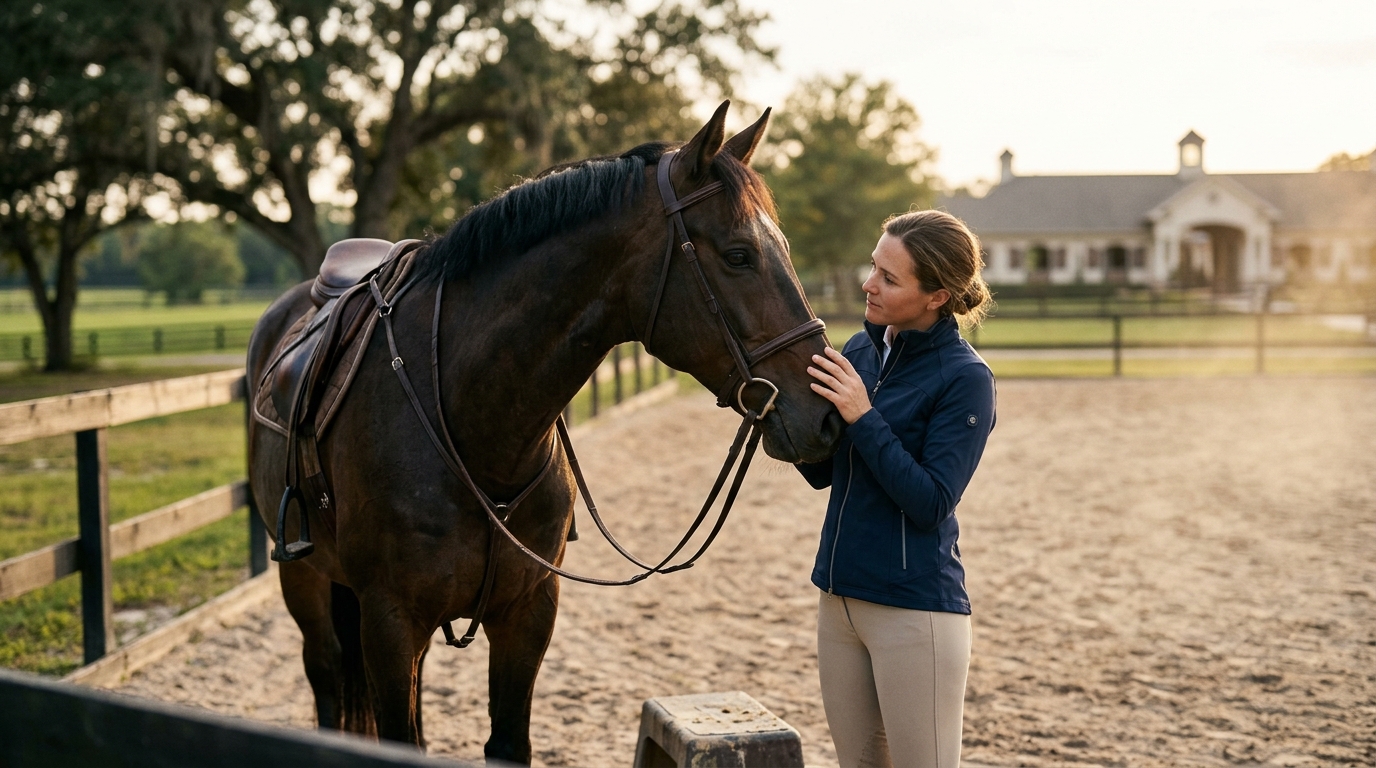
Training a horse is a complex psychological and physical partnership that demands precision, patience, and deep ethical consideration. Recent research into equine facial expressions indicates that subtle changes in a horse's face before and after riding provide critical insights into their stress levels and work experience. A study from the University of Guelph highlights that ignoring these non-verbal cues can lead to long-term behavioral issues and physical injury. This guide outlines the most frequent errors made by riders and trainers, offering evidence-based prevention strategies to ensure a safe, productive, and humane training environment.
Rushing the Training Progression
One of the most detrimental errors in equestrianism is advancing a horse to advanced disciplines before they have mastered the basics. This often manifests as jumping horses over fences before their core strength is sufficient or introducing complex dressage movements too early. When a horse is pushed beyond its physical or mental capacity, the result is often resistance, fear, or physical breakdown.
Prevention Strategy: Adopt a step-by-step progression model. Ensure your horse demonstrates clear understanding and physical readiness at each stage before moving forward. Utilize resources like the training articles on Horse Sport to understand age-appropriate milestones. Regularly assess your horse's fitness levels through veterinary check-ups and professional evaluation.
Inconsistent Aids and Cues
Horses communicate through pressure and release. If a rider applies pressure inconsistently or releases at the wrong moment, the horse cannot learn the desired behavior. This confusion leads to "learned helplessness" or aggressive responses. Inconsistent cues are particularly damaging in disciplines like dressage or show jumping where precision is paramount.
Prevention Strategy: Maintain clear, consistent communication. Use a standardized set of aids for each command. If you are working with multiple trainers, ensure they are aligned on the terminology and techniques used. Review your EquiTermz glossary to ensure everyone is speaking the same language.
Neglecting Foundational Flatwork
Many riders skip basic flatwork to focus on jumping or western events. However, flatwork is the bedrock of all equestrian sports. It builds the horse's balance, suppleness, and responsiveness. Without a strong foundation, advanced movements become dangerous and ineffective.
Prevention Strategy: Dedicate at least 20% of your training time to flatwork. Focus on transitions, lateral movements, and straightness. Consider attending riding lessons or clinics specifically focused on dressage principles to refine your technique.
Ignoring Equine Welfare and Health
Equine welfare is not just a moral obligation but a performance necessity. Pain and discomfort directly impact a horse's ability to learn and perform. Issues such as ill-fitting tack, dental problems, or laminitis can masquerade as training errors. For instance, a horse that refuses to move forward may be experiencing back pain rather than disobedience.
Prevention Strategy: Implement a rigorous health monitoring schedule. Regular dental care, hoof trimming, and veterinary exams are non-negotiable. Use the health resources on Horse Sport to stay updated on the latest equine medical advancements. Always prioritize the horse's well-being over competitive goals.
Poor Pasture and Farm Management
The environment in which a horse lives significantly impacts its training readiness. Poor pasture management can lead to nutritional deficiencies, obesity, or toxic plant ingestion. A stressed horse from an unstable environment will struggle to focus during training sessions.
Prevention Strategy: Apply the science of pasture management to ensure your land provides optimal grazing. Rotate pastures to prevent parasite buildup and maintain soil health. Ensure access to clean water and appropriate equine nutrition plans tailored to your horse's workload.
Training Discipline Comparison
Understanding the specific demands of different disciplines helps in identifying common mistakes unique to each area. The table below summarizes key focus areas and potential pitfalls.
| Discipline | Primary Focus | Common Mistake | Prevention Strategy |
|---|---|---|---|
| Show Jumping | Power and Precision | Rushing fences before balance is set | Focus on ground poles and gridwork |
| Dressage | Collection and Extension | Over-flexing the neck | Prioritize straightness and hindquarter engagement |
| Western Pleasure | Smoothness and Speed | Inconsistent rein contact | Practice steady, soft hands during all gaits |
| Eventing | Endurance and Versatility | Neglecting cross-country fitness | Incorporate hill work and trail riding |
Key Takeaways
- Patience is Critical: Rushing training leads to physical and mental breakdowns.
- Consistency Builds Trust: Clear, consistent aids prevent confusion and resistance.
- Flatwork is Foundational: Basic movements are essential for all advanced disciplines.
- Health Impacts Performance: Regular veterinary and dental care are mandatory.
- Environment Matters: Proper pasture and farm management support equine well-being.
- Communication is Key: Use EquiTermz to ensure clear communication among trainers and riders.
- Welfare First: Always prioritize the horse's health over competitive outcomes.
Frequently Asked Questions
How do I know if my horse is stressed during training?
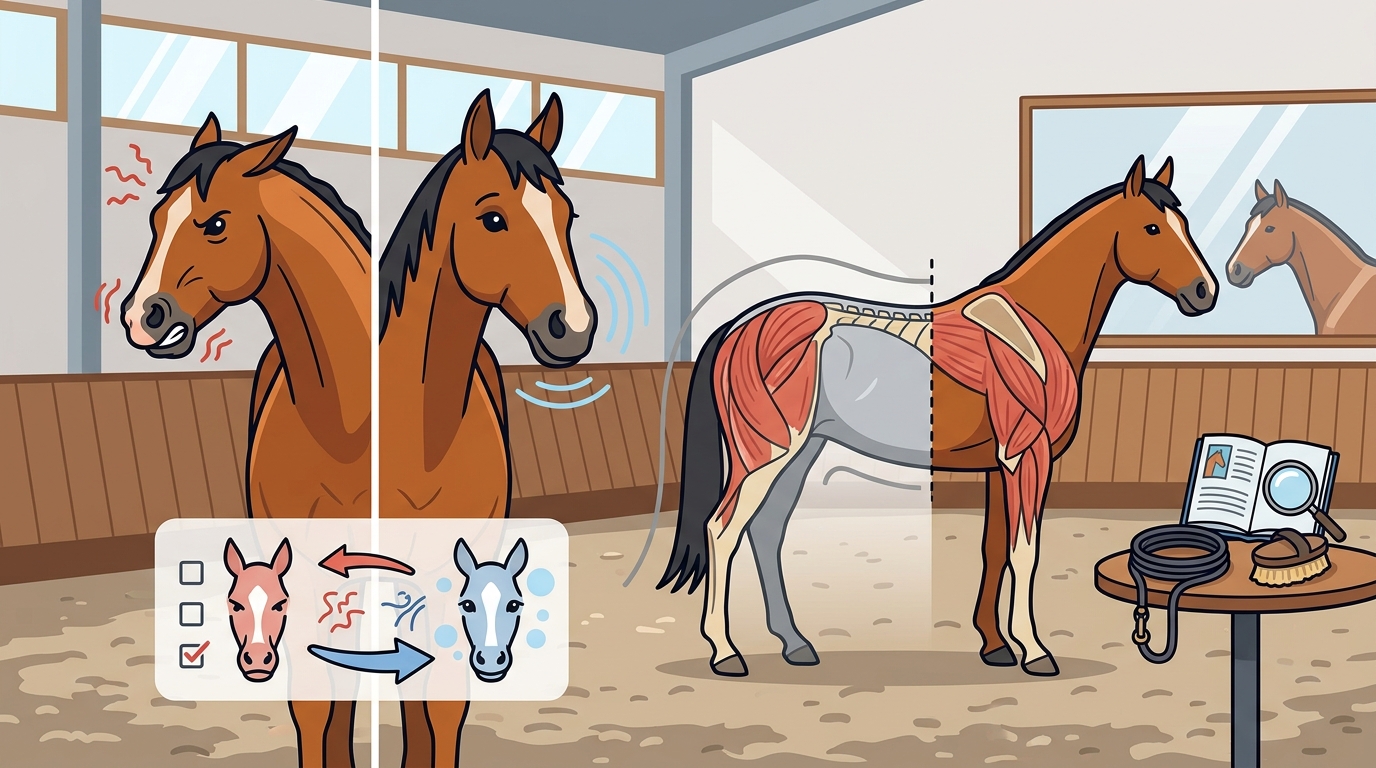
Look for subtle facial expressions, such as ear position, eye tension, and mouth tension. A UofG study found that these changes provide valuable insights into how horses experience their work. If you notice signs of stress, take a break and reassess your approach.
What is the most important aspect of flatwork?
The most important aspect is the horse's balance and responsiveness to aids. Without these, advanced movements are impossible to achieve safely.
How often should I have my horse's teeth checked?
Adult horses should have their teeth checked at least once a year. Younger horses may require more frequent checks as their teeth are still developing.
Can I train my horse if I have a busy schedule?
Yes, but consistency is more important than duration. Short, focused sessions are often more effective than long, infrequent ones.
What resources are available for horse welfare?
Horse Sport offers extensive equine welfare resources, including articles on nutrition, behavior, and health. You can also support independent equestrian journalism by donating to help maintain these vital resources.
How do I find a qualified trainer in my area?
Use the Canadian Stable Directory to search for trainers by discipline, location, and service type. Reading reviews and attending clinics can also help you find the right fit.
What is the best way to improve my riding skills?
Regular lessons with a qualified instructor, combined with self-study using resources like training articles and equine quizzes, are the most effective ways to improve.
Start Your Journey
Avoiding common training mistakes requires dedication, knowledge, and a commitment to your horse's well-being. By implementing the strategies outlined in this guide, you can build a stronger, more trusting partnership with your horse. For more resources, news, and community support, visit the Horse Sport homepage or contact us for personalized advice.