
Evaluating Canadian Equestrian Resources for Breeding and Horse Care
For over 50 years, Horse Sport has been the voice of equestrian competition in Canada, serving a dedicated community of owners, competitors, trainers, and breeders who are highly involved in the equine marketplace. The Canadian equestrian industry is a complex ecosystem that demands rigorous evaluation of resources, from genetic lineages to veterinary infrastructure. Understanding the nuances of this landscape is critical for anyone looking to invest in the future of their equine program. This guide provides a structured approach to navigating these resources effectively.
Defining Equine Resources and Infrastructure
Before diving into specific breeding or care protocols, it is essential to establish clear definitions for the resources available within the Canadian context. The term equine marketplace refers to the collective network of buyers, sellers, breeders, and service providers that facilitate the exchange of horses and related goods. This marketplace is not limited to physical auctions but includes digital platforms and professional networks.
Another critical concept is equine welfare, which encompasses the physical and mental well-being of horses throughout their lives. This includes proper nutrition, veterinary care, and living conditions. In Canada, the standards for equine welfare are increasingly scrutinized by both the public and regulatory bodies. Understanding these standards is the first step in evaluating any resource you intend to use.
Finally, pasture management is the practice of carefully managing soil and plants to ensure horses can graze happily and healthily. This is a foundational aspect of horse care that directly impacts the animal's long-term health. Effective pasture management involves understanding soil composition, plant species, and rotational grazing techniques. It is not merely about having land; it is about cultivating an environment that supports equine health.
Strategic Approaches to Breeding Programs
Breeding is a high-stakes endeavor that requires careful planning and resource evaluation. In Canada, the breeding community is tight-knit, with a strong emphasis on preserving and improving specific breeds. When evaluating breeding resources, consider the following factors:
Genetic Lineage and Health Testing
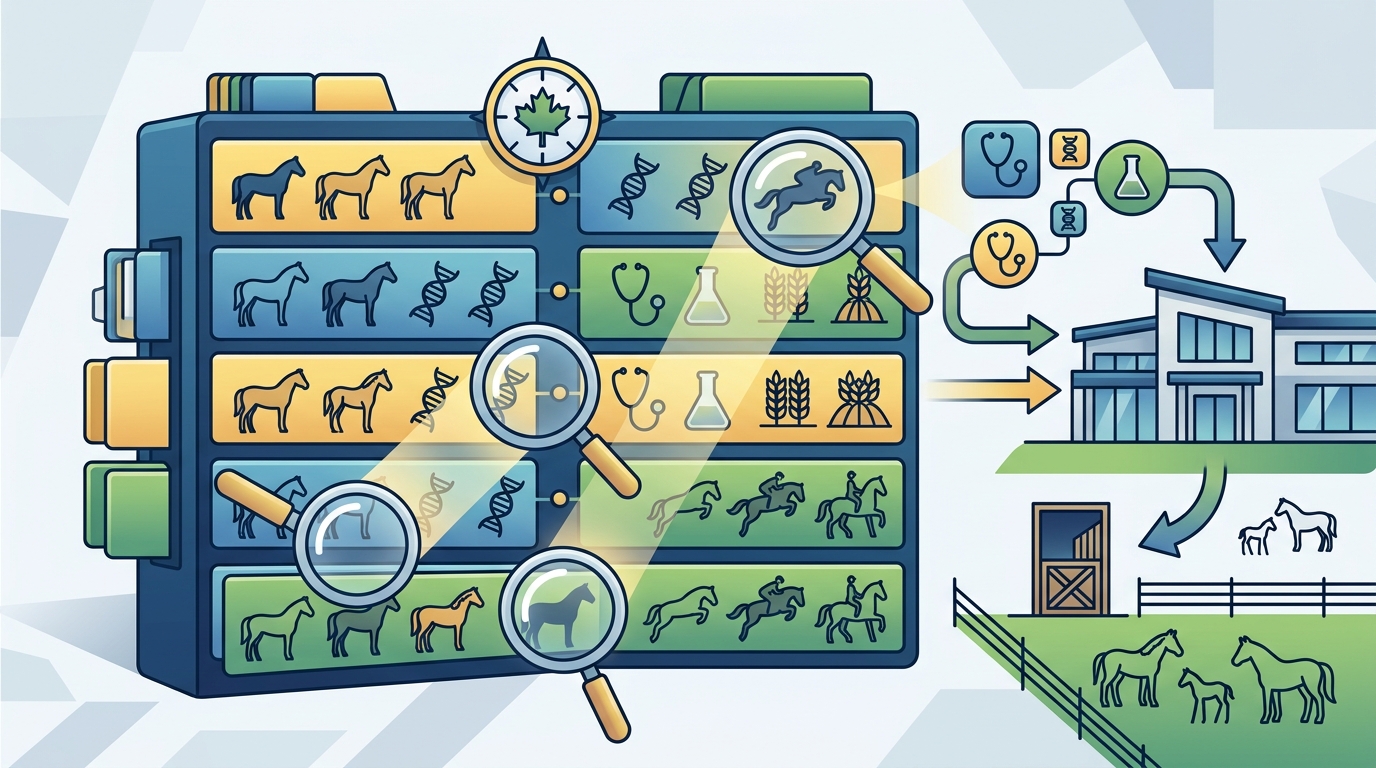
Start by examining the genetic lineage of potential breeding stock. Look for horses with documented health clearances and performance records. Resources such as the Canadian Stable Directory can help you locate breeders who prioritize genetic health. Additionally, consult with veterinary geneticists to understand the hereditary risks associated with specific breeds.
Nutritional Support for Breeding Stock
Nutrition plays a pivotal role in breeding success. The minerals in equine feeds must be bio-available for maximum effect. This means that the feed must not only contain essential minerals but also be formulated in a way that the horse's body can absorb and utilize them. Work with equine nutritionists to develop a feeding program that supports both the mare and the developing foal.
Training and Development
Even before a foal is born, planning for its future training is crucial. Evaluate the training facilities and coaches available in your region. Look for programs that emphasize natural horsemanship and balanced development. The goal is to produce a horse that is not only genetically superior but also mentally and physically prepared for its intended discipline.
Health, Welfare, and Veterinary Standards
The health of your horses is the cornerstone of any successful equestrian program. In Canada, veterinary resources vary by region, making it essential to evaluate local options carefully.
Access to Veterinary Care
Ensure that you have access to a qualified equine veterinarian who can provide routine care and emergency services. Some regions may have limited access to specialized care, so it is important to establish relationships with multiple providers. The Canadian Stable Directory can help you identify facilities with strong veterinary partnerships.
Equine Welfare Standards
Stay informed about the latest developments in equine welfare. Recent studies, such as those from the University of Guelph, have found that subtle facial changes before and after riding may provide valuable insights into how horses experience their work. This research underscores the importance of monitoring horse behavior and adjusting training methods accordingly. Prioritize welfare over performance in all decisions.
Preventative Care Protocols
Implement a robust preventative care protocol that includes regular vaccinations, deworming, and dental care. Work with your veterinarian to create a schedule that minimizes stress and maximizes health. Regular health assessments can help identify potential issues before they become serious problems.
Selecting the Right Stable and Boarding
Choosing the right stable is one of the most significant decisions you will make as a horse owner. The wrong choice can lead to financial loss, health issues, and emotional distress. Here is a framework for evaluating stable options:
| Factor | Key Questions to Ask | Why It Matters |
|---|---|---|
| Facility Maintenance | How often are stalls cleaned? Is the arena well-maintained? | Clean facilities reduce the risk of infection and injury. |
| Staff Expertise | What is the experience level of the staff? | Experienced staff can identify and address health issues early. |
| Emergency Protocols | What is the plan for veterinary emergencies? | A clear protocol ensures quick action in critical situations. |
| Community Engagement | Does the stable participate in local equestrian events? | Active engagement fosters a supportive community network. |
When evaluating stables, visit in person and observe the horses. Are they healthy and well-groomed? Do they appear calm and content? These are strong indicators of the quality of care provided. Additionally, talk to current boarders to get their perspective on the management and staff.
Financial Planning and Grant Opportunities
Equestrian sports can be expensive, but there are resources available to help offset costs. Understanding the financial landscape is crucial for long-term sustainability.
Grant Programs for Juniors and Competitors
Look for grant programs that support junior athletes and competitors. For example, recent news highlights a new grant for juniors aiming for the Royal. These grants can provide significant financial relief and open doors to higher-level competitions. Stay informed about such opportunities through industry publications and the Horse Sport newsletter.
Cost of Ownership Breakdown
Create a detailed budget that includes all aspects of horse ownership, from boarding and feed to veterinary care and training. Unexpected costs can arise, so it is important to have a financial buffer. Consider the cost of insurance and emergency funds as part of your long-term planning.
Supporting the Industry
Consider supporting the equestrian community through donations or sponsorships. The donation page on Horse Sport allows you to contribute to independent equestrian journalism. Supporting the industry helps ensure that valuable resources and information remain accessible to all.
Key Takeaways
- Historical Context: Horse Sport has served the Canadian equestrian community for over 50 years, providing critical information and resources.
- Genetic Health: Prioritize health testing and genetic lineage when evaluating breeding stock to ensure long-term program success.
- Nutritional Bioavailability: Ensure that minerals in equine feeds are bio-available for maximum effect, not just present in the feed.
- Welfare Monitoring: Use insights from recent studies, such as those on equine facial expressions, to monitor horse well-being.
- Stable Evaluation: Visit stables in person and assess facility maintenance, staff expertise, and emergency protocols.
- Financial Planning: Utilize grant programs for juniors and competitors to offset costs and plan for unexpected expenses.
- Community Support: Support independent equestrian journalism to maintain access to valuable industry resources.
Frequently Asked Questions
How do I find a reputable breeder in Canada?
You can find reputable breeders by using the Canadian Stable Directory and checking for verified health clearances and performance records. Networking with local equestrian clubs is also highly effective.
What is the most important factor in equine welfare?
Equine welfare is multifaceted, but consistent monitoring of physical and mental health is paramount. This includes proper nutrition, veterinary care, and observing behavioral cues like facial expressions.
Are there financial grants available for equestrian competitors?
Yes, there are several grant programs available, including those for juniors aiming for national competitions. Stay updated through industry news sources like Horse Sport.
How often should I have my horse's teeth checked?
It is generally recommended to have your horse's teeth checked annually by a qualified equine dentist or veterinarian to prevent feeding issues and discomfort.
What should I look for in a stable's emergency protocol?
A good emergency protocol should include clear communication channels, access to a 24-hour veterinary service, and a plan for transporting the horse if necessary.
Can I support equestrian journalism financially?
Yes, you can support independent equestrian journalism by making a donation through the donation page on Horse Sport.
What is the role of pasture management in horse care?
Pasture management ensures that horses have access to healthy grazing land, which is essential for their digestive health and overall well-being. It involves soil and plant management to maintain quality forage.
How can I stay updated on equestrian news in Canada?
Subscribing to the Horse Sport newsletter and following their social media channels is the best way to stay informed about the latest news, grants, and industry developments.
Next Steps for Your Equine Journey
Evaluating Canadian equestrian resources for breeding and horse care is a continuous process that requires diligence and informed decision-making. By leveraging the tools and information available through Horse Sport, you can build a strong foundation for your equine program. Whether you are looking for breeding advice, stable recommendations, or financial support, the resources at Horse Sport are designed to help you succeed. Take the first step today by exploring the Canadian Stable Directory and connecting with the community.