
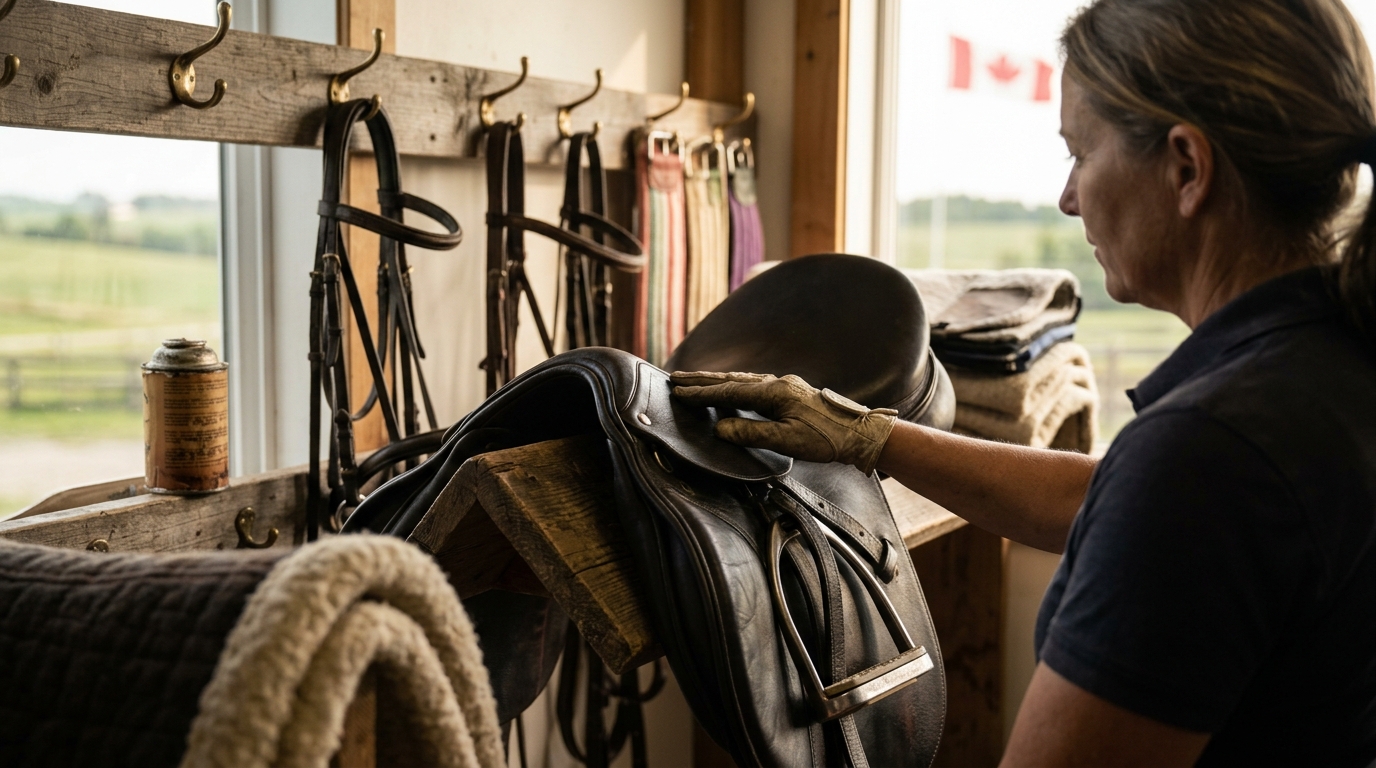
Equine equipment represents a significant financial investment for any Canadian owner, yet the cost of neglect often exceeds the price of the gear itself. According to recent industry analyses, improper tack fit is a leading contributor to behavioral issues and physical discomfort in horses, affecting performance and welfare across the country. This guide outlines the critical errors that compromise safety and comfort, helping you protect your investment and your horse's well-being. (Horse Sport)
The Saddle Fit Crisis
The saddle is the most critical piece of equipment you will ever purchase. A saddle that does not match the horse's back shape can cause permanent damage to the topline and underlying muscles. Many owners assume that a saddle fits because it sits on the back, but this is a dangerous misconception. The tree width, panel shape, and balance point must align perfectly with the horse's anatomy. (Donate 8211 Horse Sport)
One of the most frequent mistakes is ignoring the horse's changing body condition. Horses gain and lose weight seasonally, especially in Canada where winter forage and summer pasture vary drastically. A saddle that fit perfectly in the spring may be bridging or pinching by autumn. Bridging occurs when the saddle touches only the front and back of the withers, leaving the middle unsupported. This creates pressure points that can lead to soreness and resistance. (Contests 8211 Horse Sport)
Another common error is selecting a saddle based solely on the rider's size. While the rider must fit the saddle, the horse's comfort is the primary concern. A saddle that is too small for the horse will restrict movement and cause pain. Conversely, a saddle that is too large can shift during riding, destabilizing the rider and irritating the horse. Regular professional saddle fitting assessments are essential to maintain proper alignment.
Girth Tightness Errors
The girth or cinch secures the saddle, but its adjustment is often handled carelessly. The most common mistake is tightening the girth too quickly. When a saddle is first placed on a horse, the animal's ribcage expands. If the girth is tightened immediately to full tension, it can restrict breathing and cause significant discomfort.
The correct protocol involves a two-stage tightening process. First, tighten the girth enough to stabilize the saddle. Then, allow the horse to walk around for a few minutes. This gives the ribcage time to expand and the horse to settle into the saddle. After this period, the girth should be tightened again to the final tension. This method prevents the girth from becoming loose during the ride, which can lead to saddle slippage and potential accidents.
Another error is placing the girth in the wrong position. The girth should sit as far back as possible in the girth groove, typically just behind the elbow. Placing it too far forward can restrict the shoulder's range of motion, leading to a stiff, unnatural gait. Proper placement ensures that the horse can move freely without interference from the equipment.
Bridle and Bit Misalignment
The bridle and bit are the primary tools for communication between rider and horse. Misalignment in this area can cause pain, confusion, and resistance. One of the most frequent mistakes is incorrect bit height. The bit should rest in the corners of the mouth with slight wrinkles visible. If the bit is too high, it can press against the roof of the mouth. If it is too low, it may pull the tongue to the side or cause the bit to hang loosely.
Another critical error is neglecting the cheek pieces. The cheek pieces should be adjusted so that the bit rings are perpendicular to the ground when the horse is in a natural head position. If the rings are tilted, the bit will not function as intended, leading to uneven pressure on the bars of the mouth. This can cause soreness and make the horse resistant to the rider's aids.
Proper bridle fit is also essential. The bridle should sit comfortably behind the ears, with the crown piece not too tight. The noseband should be adjusted to allow two fingers to fit between the noseband and the horse's nose. A noseband that is too tight can restrict jaw movement and cause discomfort, while one that is too loose may fail to provide the necessary stability.
Cinch and Girth Confusion
In Western riding, the cinch serves the same purpose as the girth in English riding, but it is often misunderstood. A common mistake is using a cinch that is too narrow or made from inappropriate materials. A wide, padded cinch distributes pressure more evenly across the horse's barrel, reducing the risk of soreness. Narrow cinches can dig into the skin, causing chafing and pain.
Another error is failing to check the cinch for wear and tear. Leather cinches can stretch over time, while nylon cinches can lose elasticity. Regular inspection is necessary to ensure that the cinch is in good condition. A worn cinch may break under pressure, leading to a dangerous situation where the saddle slips off.
Proper cinch placement is also crucial. The cinch should sit in the same location as the girth, just behind the elbow. Placing it too far forward or backward can cause the saddle to shift during riding. This instability can irritate the horse and compromise the rider's safety. Ensuring the cinch is secure and properly positioned is vital for a comfortable and safe ride.
Neglecting Maintenance
Leather tack requires regular maintenance to remain functional and safe. One of the most common mistakes is allowing leather to dry out or become stiff. Dry leather is prone to cracking and breaking, which can lead to equipment failure during a ride. Regular cleaning and conditioning are essential to preserve the integrity of the leather.
Another error is storing tack improperly. Tack should be stored in a cool, dry place away from direct sunlight. Exposure to heat and light can cause leather to fade, crack, and become brittle. Additionally, tack should be hung on proper racks to maintain its shape. Storing tack on the floor or in a pile can cause it to lose its form and become damaged.
Ignoring signs of wear is another critical mistake. Small tears, loose stitching, or worn hardware should be addressed immediately. Attempting to use damaged tack can lead to equipment failure and potential injury. Regular inspections and timely repairs are essential to ensure that your tack remains safe and reliable.
Sizing and Proportion Errors
Selecting the correct size for tack is often overlooked, but it is crucial for comfort and safety. One of the most common mistakes is using a bridle that is too large or too small for the horse's head. A bridle that is too large will slip and shift, causing irritation and confusion. A bridle that is too small can pinch and cause pain.
Another error is selecting a saddle that does not match the horse's back length. The saddle should be long enough to distribute the rider's weight evenly across the horse's back. A saddle that is too short will concentrate pressure on a small area, leading to soreness. Conversely, a saddle that is too long may extend beyond the horse's back, causing interference and discomfort.
Proper sizing also applies to other equipment, such as breastcollars and martingales. These items should be adjusted to fit comfortably without restricting movement. A breastcollar that is too tight can chafe the withers, while one that is too loose may fail to provide the necessary stability. Ensuring that all equipment is properly sized and adjusted is essential for a positive riding experience.
Key Takeaways
- Regular professional saddle fittings are essential to accommodate seasonal weight changes in Canadian horses.
- Always use a two-stage girth tightening process to allow for ribcage expansion and prevent breathing restriction.
- Check bit height and cheek piece alignment to ensure even pressure and clear communication.
- Inspect cinches and girths for wear and tear to prevent equipment failure during rides.
- Maintain leather tack with regular cleaning and conditioning to prevent drying and cracking.
- Store tack in a cool, dry place on proper racks to preserve its shape and integrity.
- Ensure all equipment is properly sized to avoid discomfort and interference with horse movement.
Frequently Asked Questions
How often should I have my saddle fitted?
It is recommended to have your saddle professionally fitted at least once a year, or whenever your horse undergoes significant weight changes. Regular assessments ensure that the saddle continues to match your horse's back shape and prevents discomfort.
What is the correct way to tighten a girth?
Tighten the girth in two stages. First, tighten it enough to stabilize the saddle. Then, allow the horse to walk for a few minutes to let the ribcage expand. Finally, tighten the girth to the full tension. This method prevents restriction and ensures a secure fit.
How do I know if my bit is the right size?
The bit should rest comfortably in the corners of the mouth with slight wrinkles visible. There should be enough space to fit two fingers between the bit and the horse's lips. If the bit is too large, it may cause the horse to open its mouth. If it is too small, it can cause pain and resistance.
How should I store my leather tack?
Store leather tack in a cool, dry place away from direct sunlight. Hang the tack on proper racks to maintain its shape. Avoid storing tack in damp or humid areas, as this can promote mold and mildew growth.
What are the signs of a poorly fitting bridle?
Signs of a poorly fitting bridle include slipping, pinching, and discomfort. The horse may shake its head, open its mouth, or resist the rider's aids. Additionally, you may notice redness or hair loss behind the ears or on the nose.
How often should I clean my tack?
Leather tack should be cleaned after every ride to remove sweat and dirt. Condition the leather regularly, depending on the frequency of use and the climate. In dry conditions, more frequent conditioning may be necessary to prevent the leather from drying out.
Can I use a Western cinch for English riding?
No, Western cinches and English girths are designed differently and are not interchangeable. Using the wrong type of cinch or girth can lead to discomfort and equipment failure. Always use the appropriate equipment for your riding discipline.
Ready to Upgrade Your Tack?
Avoiding these common mistakes can significantly improve your horse's comfort and your riding experience. For expert advice on tack selection and fitting, visit our Tack & Equipment section. You can also explore our Canadian Stable Directory to find professional fitting services in your area. Contact us at Horse Sport for more information on equestrian best practices.