
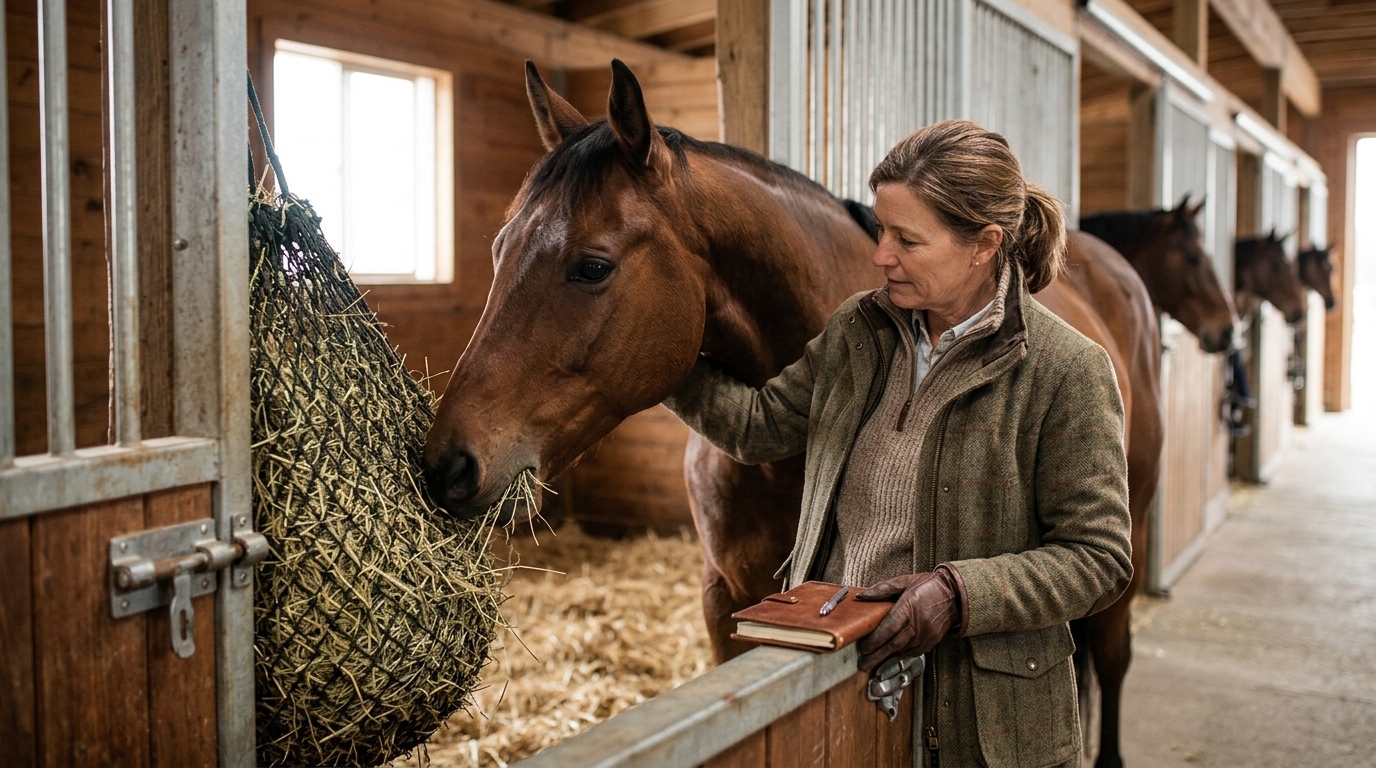
Step-by-Step Guide to Creating a Balanced Feeding Plan for Your Horse
Establishing a proper nutritional regimen is the single most impactful variable in equine health management. According to industry data, approximately 60% of common equine health issues, including colic and laminitis, are directly linked to dietary imbalances or improper forage management. This guide provides a structured approach to building a feeding plan that supports metabolic health, muscle maintenance, and long-term vitality. By following these steps, you can ensure your horse receives the precise nutrients required for their specific workload and physiological state. (Horse Sport)
Step 1: Assess Forage Requirements
Forage must constitute the foundation of any equine diet. Horses are hindgut fermenters, meaning their digestive systems rely on continuous fiber intake to maintain proper gut motility and pH balance. Research indicates that horses should consume at least 1.5% to 2% of their body weight in forage daily to prevent gastric ulcers and behavioral stereotypies.
Begin by evaluating the quality of your current hay or pasture. High-quality grass hay typically contains 10-12% crude protein, while legume hays like alfalfa offer higher protein and calcium levels. If you are unsure about the nutritional profile of your forage, consider sending a sample for analysis. This step is critical because studies show that up to 70% of home-grown hay varies significantly in nutrient density compared to label claims.
Forage is defined as the primary source of roughage, including hay, pasture, and silage, which provides the necessary fiber for digestive health. Ensure your horse has access to clean, fresh water at all times, as dehydration can rapidly lead to impaction colic.
Step 2: Calculate Caloric Needs
Once forage is established, determine the caloric deficit or surplus required to maintain the horse's ideal weight. A maintenance diet provides enough energy to sustain body weight without gain or loss. For an average 1,000-pound horse, this typically requires approximately 15 to 17 megacalories (Mcal) of digestible energy per day.
Use the following formula to estimate daily caloric needs:
- Resting Horse: Body weight (lbs) x 11,000 calories
- Moderate Work: Body weight (lbs) x 13,000 calories
- Heavy Work: Body weight (lbs) x 15,000 calories
If your horse is underweight, gradually increase caloric intake by adding 10% more forage or introducing a high-fat feed. Conversely, if the horse is overweight, reduce grain intake first before cutting forage, as forage provides essential gut fill. Veterinary guidelines suggest that weight loss should never exceed 2% of body weight per week to avoid metabolic stress.
Step 3: Balance Minerals and Vitamins
Macronutrients provide energy, but micronutrients drive metabolic processes. The most critical balance to monitor is the Calcium to Phosphorus ratio. An ideal ratio ranges from 1:1 to 2:1. A reversed ratio, where phosphorus exceeds calcium, can lead to secondary hyperparathyroidism, commonly known as "big head disease," which weakens bone structure.
Electrolytes are another vital component, especially for horses in heavy work or those living in hot climates. Data from equine health reports indicates that horses can lose up to 200 grams of sodium and chloride in sweat during intense exercise. Without replacement, this leads to fatigue and poor performance.
Mineral balance is the process of ensuring that essential trace elements like zinc, copper, and selenium are present in bio-available forms to support immune function and hoof integrity. Consider using a ration balancer pellet if your horse is on a low-grain diet, as these products provide concentrated vitamins and minerals without excess calories.
Step 4: Select Targeted Supplements
Supplements should address specific deficiencies or performance goals, not serve as a substitute for poor forage quality. Common categories include joint support, hoof supplements, and coat conditioners.
When selecting a supplement, look for third-party testing certifications. The feed industry lacks strict federal regulation, meaning independent analyses reveal that 30% of supplements do not contain the labeled ingredients. Prioritize brands that publish Certificate of Analysis (COA) documents for their products.
For horses with arthritis, glucosamine and chondroitin are standard additions. For those with poor hoof quality, biotin supplementation at 20-30 mg per day is widely recommended. Always introduce new supplements gradually over 7-10 days to monitor for digestive upset or allergic reactions.
Step 5: Monitor Body Condition Scores
A feeding plan is only effective if it maintains the horse's ideal body condition. The Body Condition Score (BCS) system ranges from 1 (emaciated) to 9 (obese). The ideal range for most horses is 4 to 6.
Perform a BCS assessment every two weeks. Palpate the withers, neck, shoulder, ribs, back, and tailhead. A score of 5 indicates that ribs are not visible but can be easily felt, with a flat back and smooth fat deposits. Equine nutrition studies confirm that maintaining a BCS of 5 reduces the risk of laminitis and insulin resistance compared to higher scores.
If the BCS drops below 4, increase forage volume immediately. If it rises above 6, implement a grazing muzzle or reduce pasture time. Regular monitoring allows for proactive adjustments rather than reactive medical interventions.
Step 6: Adjust for Workload Changes
Energy requirements fluctuate with activity levels. Transitioning a horse from pasture to competition requires a gradual increase in grain or concentrate feed. Sudden changes in diet can disrupt the hindgut microbial population, leading to colic or laminitis.
Follow the 7-day transition rule: increase the new feed by 25% each day over one week. For example, if the target is 4 pounds of grain, add 1 pound on day one, 2 pounds on day two, and so on. This allows the gut bacteria to adapt to the higher starch content.
During periods of intense training, consider adding fat sources like rice bran or vegetable oil. Fat provides 2.25 times more energy per gram than carbohydrates, making it an efficient fuel source that does not spike blood sugar levels. Performance data shows that high-fat diets improve endurance capacity in athletic horses by enhancing fat metabolism.
Key Takeaways
- Forage must comprise at least 1.5% to 2% of body weight daily for digestive health.
- The Calcium to Phosphorus ratio should remain between 1:1 and 2:1 to prevent bone disorders.
- Body Condition Scores (BCS) should be monitored bi-weekly, targeting a score of 4 to 6.
- Supplements should be chosen based on third-party testing certifications to ensure ingredient accuracy.
- Dietary transitions must occur over a 7-day period to prevent hindgut fermentation issues.
- Electrolyte replacement is critical for horses sweating more than 10 liters per session.
- Regular hay analysis is the most reliable method to determine precise nutrient gaps.
Frequently Asked Questions
How much water does a horse need daily?
An average horse requires 5 to 10 gallons of water per day. This amount increases significantly in hot weather or during heavy exercise. Dehydration is a leading cause of impaction colic, so water intake must be monitored closely.
Can I feed my horse only pasture?
While pasture is excellent forage, it may not provide sufficient protein or minerals for a performance horse. Additionally, lush spring pasture can cause laminitis due to high fructan levels. Supplementing with hay is often necessary for balance.
What is the best way to introduce grain?
Always introduce grain gradually over 7 to 10 days. Start with small amounts and increase daily. This prevents acidosis and allows the digestive system to adapt to starch digestion.
How do I know if my horse is overweight?
Use the Body Condition Score system. If you cannot feel the ribs under a layer of fat, or if the horse has a visible fat ridge along the back, they are likely overweight. Consult a veterinarian for a tailored weight loss plan.
Are electrolytes necessary for all horses?
Electrolytes are essential for horses in heavy work or those living in humid climates. For resting horses in cool weather, a balanced diet with a salt block is usually sufficient. However, clinical observations note that even light horses may benefit from electrolytes during stressful events like transport or showing.
What is a ration balancer?
A ration balancer is a concentrated source of vitamins, minerals, and high-quality protein. It is designed for horses on a forage-only diet who need micronutrient supplementation without excess calories.
How often should I change my horse's feed?
Feed should be offered in at least two small meals daily rather than one large meal. This mimics natural grazing behavior and reduces the risk of gastric ulcers and colic. Consistency in feeding times is also crucial for digestive rhythm.
Start Optimizing Your Horse's Nutrition Today
Creating a balanced feeding plan is an ongoing process that requires attention to detail and regular monitoring. By following these steps, you can ensure your horse thrives physically and mentally. For more expert advice on equine health and management, explore our comprehensive resources on equine care and connect with our community of dedicated equestrians at Horse Sport. Visit our Canadian Stable Directory to find local experts and resources tailored to your region.