
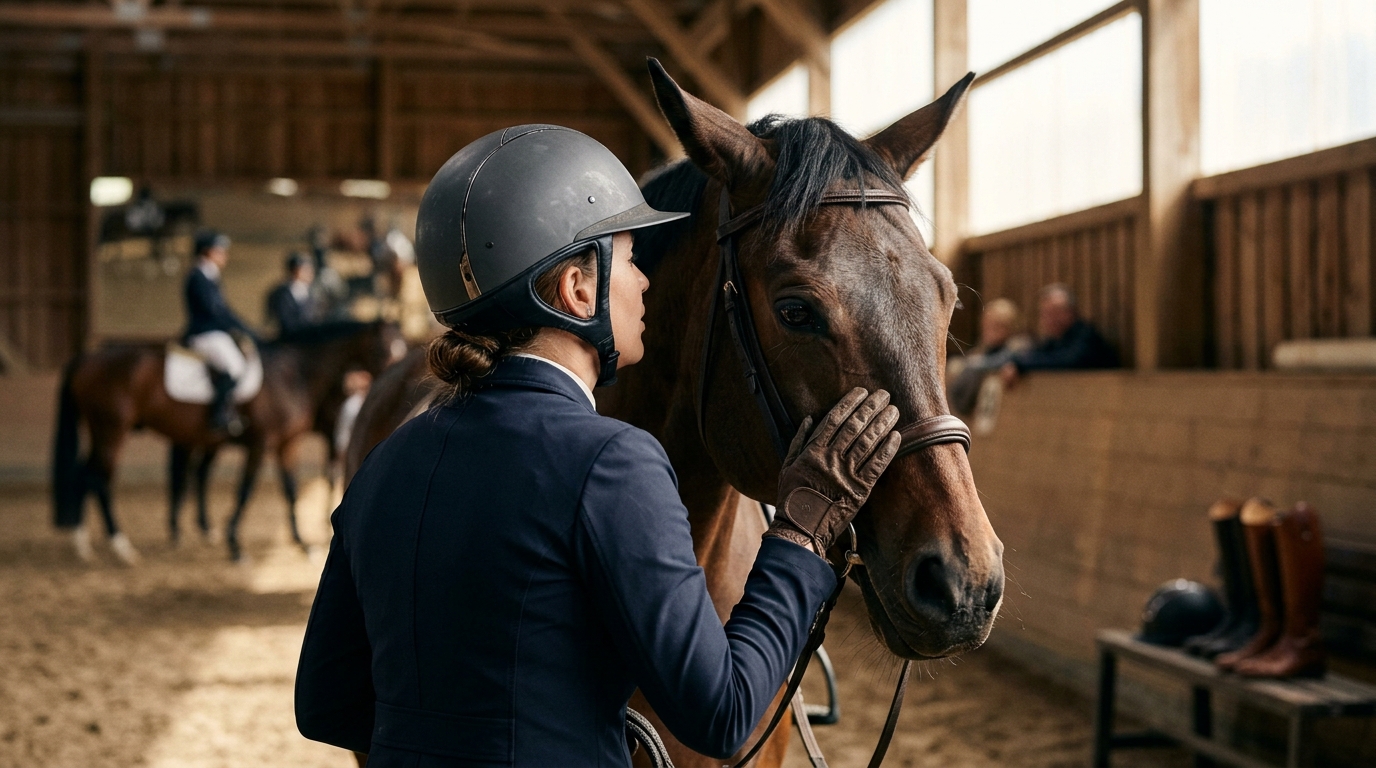
Equine communication is often described as a silent language, yet the signals are rarely ambiguous to those who know how to read them. A recent study by the University of Guelph found that subtle facial changes in horses before and after riding provide valuable insights into their emotional state, yet many riders completely overlook these micro-expressions. This gap in observation leads to dangerous misunderstandings between human and animal. When you misinterpret a stress signal as defiance, you risk escalating tension rather than resolving it. Understanding the nuance of equine body language is not just about safety. It is about building a partnership based on mutual respect and clear communication. (Horse Sport)
Signs of Stress You Are Misreading
One of the most frequent errors riders make is interpreting a horse's tension as aggression. When a horse is anxious, its muscles tighten, and its breathing becomes shallow. This physiological response is often mistaken for a refusal to move or a stubborn attitude. In reality, the horse is experiencing a fight-or-flight response triggered by an unclear cue or environmental fear.
According to equine welfare experts, recognizing these early physiological markers is crucial for intervention. If you see the horse's coat bristle or its eyes widen, pause your request. Pushing through these signs reinforces fear rather than building confidence. The University of Guelph study highlights that these facial changes occur even before the horse exhibits overt behavioral resistance. By learning to spot the initial tension, you can adjust your approach before the situation escalates.
Another critical area of misinterpretation involves the horse's mouth. A horse that is "biting" or "gagging" on the bit is often not being difficult. It may be experiencing pain from ill-fitting tack or confusion regarding the pressure applied. Riders frequently respond with harsher corrections, which only increases the horse's discomfort. Instead, consult a professional to evaluate the fit of your equipment. You can find detailed guides on tack and equipment to ensure your gear supports rather than hinders your horse's comfort.
Decoding Facial Cues and Ears
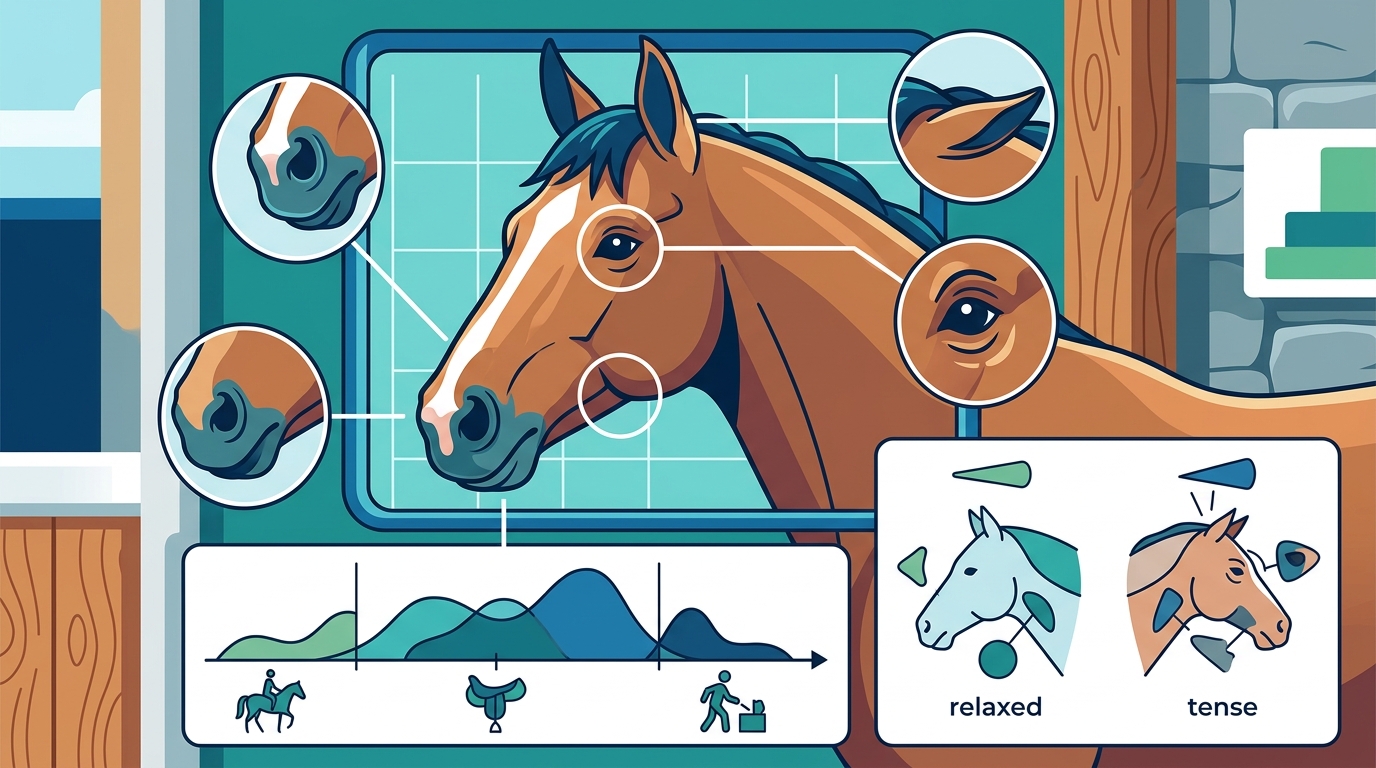
The horse's face is a complex instrument of communication. While the ears are the most obvious indicator of attention, the eyes and nostrils provide deeper context. A common mistake is assuming that pinned ears always mean anger. While pinned ears can signal aggression, they can also indicate fear, pain, or intense concentration. Context is the deciding factor. If the horse is in a safe environment and focused on a task, pinned ears may simply mean it is listening intently to your voice or aids.
Conversely, a horse that is truly angry will often show a wide-eyed stare, flared nostrils, and a tense jaw. These are clear warnings that the animal feels threatened. Ignoring these signs can lead to bites or kicks. It is essential to distinguish between a horse that is "listening" and one that is "reacting." The latter requires immediate de-escalation and a change in environment or routine.
Understanding these nuances is part of the broader skill set discussed in our training articles. Proper training involves teaching the horse to relax into contact, which reduces the likelihood of misinterpreting tension as resistance. When a horse is relaxed, its ears will naturally swivel to pick up sounds, and its eyes will appear soft and blinking. This is the state of engagement you should aim for in every session.
Tail Swishing and Hindquarter Turns
The tail is a barometer for a horse's mood. A swishing tail is often interpreted as annoyance, but it can also indicate excitement or irritation from flies. However, a tail that is held high and stiff is a sign of alertness or fear. A tail tucked between the legs is a clear signal of submission or extreme fear. Misinterpreting a swishing tail as a simple annoyance can lead to ignoring a deeper issue.
When a horse turns its hindquarters toward you, it is often a warning sign. This behavior is frequently seen in horses that are being bullied by others in the herd or are feeling pressured by a rider they do not trust. It is a defensive maneuver. If you are riding and the horse turns its hindquarters to push you off, it is not a game. It is a boundary being set. You must address the underlying lack of respect for your space through consistent, fair groundwork.
For more insights on herd dynamics and behavior, explore our behavior section. Understanding how horses interact with each other can help you understand how they interact with you. A horse that is dominant in the herd may try to dominate you, while a submissive horse may try to please you at all costs. Recognizing these patterns allows you to adjust your leadership style accordingly.
Ear Positioning and Directional Focus
Ears are like radar dishes. They rotate independently to pick up sounds from different directions. A common misinterpretation is assuming that if a horse's ears are forward, it is paying attention to you. This is only true if the ears are soft and relaxed. If the ears are stiff and forward, the horse may be fixated on a threat or a distraction. It is not listening to your cues; it is assessing a danger.
When a horse is truly engaged with you, its ears will be perked up but flexible. They will swivel to pick up your voice and the sound of your movement. This is the "listening ear" position. If the horse's ears are pinned back while it is moving forward, it may be frustrated. If they are swishing back and forth rapidly, it may be irritated by something specific in its environment.
Learning to read these subtle shifts is key to effective riding. It allows you to anticipate problems before they occur. For example, if you notice the horse's ears pinning back as you approach a jump, it may be afraid of the obstacle. You can then work on desensitization techniques to build its confidence. This proactive approach is detailed in our jumping lessons and training resources.
Common Misinterpretations in Training
Training errors often stem from projecting human emotions onto horses. We assume that a horse is "spitting" or "sulking" when it is actually just confused or tired. Horses do not have the cognitive capacity for complex emotional manipulation. They react to immediate stimuli. If a horse stops moving, it is either afraid, in pain, or does not understand the cue. It is not being spiteful.
Another common error is misinterpreting a horse's relaxation as boredom. A horse that is truly relaxed may lower its head, chew softly, and blink slowly. This is a sign of trust. However, if the horse is also lagging behind or ignoring cues, it may be bored or lacking energy. The distinction lies in the tension. A bored horse is relaxed but disengaged. A fearful horse is tense and hyper-aware. Recognizing this difference helps you choose the right training strategy.
For a deeper dive into the psychology of the horse, read our article on rider psychology. Understanding your own biases and reactions is just as important as understanding the horse. Your energy and body language speak louder than your voice. If you are anxious, the horse will sense it and become more anxious. If you are calm and confident, the horse will follow your lead.
The Role of Environment in Behavior
Behavior does not exist in a vacuum. The environment plays a massive role in how a horse acts. A horse kept in a small paddock with poor footing may exhibit stereotypic behaviors like weaving or cribbing. These are not signs of bad temperament. They are signs of stress and frustration. Providing adequate space, good footing, and social interaction is essential for mental health.
The science of pasture management is also critical. As noted in our article on pasture management, the quality of the forage and the layout of the land can affect a horse's energy levels and mood. A horse that is hungry or thirsty will be more irritable and less focused. Ensuring that your horse's basic needs are met is the first step in preventing behavioral issues.
Additionally, the social structure of the herd can influence behavior. Horses are prey animals and feel safest in groups. Isolating a horse can lead to anxiety and destructive behavior. If you must keep a horse alone, provide visual and auditory contact with other horses. This can be achieved through paddock pairing or fence-line contact. Understanding these environmental factors helps you create a setting where your horse can thrive.
Key Takeaways
- Facial Expressions Matter: Subtle changes in the eyes and nostrils often precede overt behavioral signs of stress or fear.
- Ears Are Not Just for Anger: Pinned ears can indicate fear, pain, or intense concentration, not just aggression.
- Tail Position Indicates Mood: A stiff, high tail signals alertness, while a tucked tail signals submission.
- Context Is Key: Always consider the environment and the situation when interpreting a horse's body language.
- Stress Is Not Stubbornness: A horse that stops moving is often afraid or confused, not being difficult.
- Environment Impacts Behavior: Poor pasture management and isolation can lead to stereotypic behaviors and anxiety.
- Rider Psychology: Your own calmness and confidence are essential for clear communication with your horse.
Frequently Asked Questions
Why does my horse pin its ears when I approach?
Pinned ears can indicate fear, pain, or intense concentration. It is not always a sign of aggression. Observe the rest of the body to determine the context.
How can I tell if my horse is stressed or just annoyed?
Stress is often accompanied by physical tension, wide eyes, and flared nostrils. Annoyance is usually more localized, such as tail swishing or ear pinning without full-body tension.
What should I do if my horse turns its hindquarters to me?
This is a warning sign. Stop your request and give the horse space. Address the underlying lack of respect through consistent groundwork.
Can poor pasture management affect my horse's behavior?
Yes. Poor nutrition, lack of space, and isolation can lead to stress, anxiety, and stereotypic behaviors like weaving or cribbing.
How do I know if my horse is listening to me?
A listening horse has soft, flexible ears that swivel to pick up your voice and movement. Its eyes are soft, and its body is relaxed.
Is it normal for a horse to swish its tail while riding?
Occasional tail swishing can be normal, especially if there are flies. However, constant swishing may indicate irritation or fear. Assess the environment and your aids.
Where can I find more resources on horse behavior?
You can explore our behavior section and training articles for in-depth guides and expert advice.
Connect With Horse Sport
Understanding your horse is the foundation of a successful partnership. By learning to read their subtle signals, you can prevent misunderstandings and build a relationship based on trust. Horse Sport has been the voice of equestrian competition in Canada for over 50 years. We provide expert advice on training, health, and management to help you and your horse thrive. Visit our contact page to share your experiences or get professional guidance. Explore our Canadian Stable Directory to find resources in your area. Join our community and stay informed with the latest equestrian news and insights.