
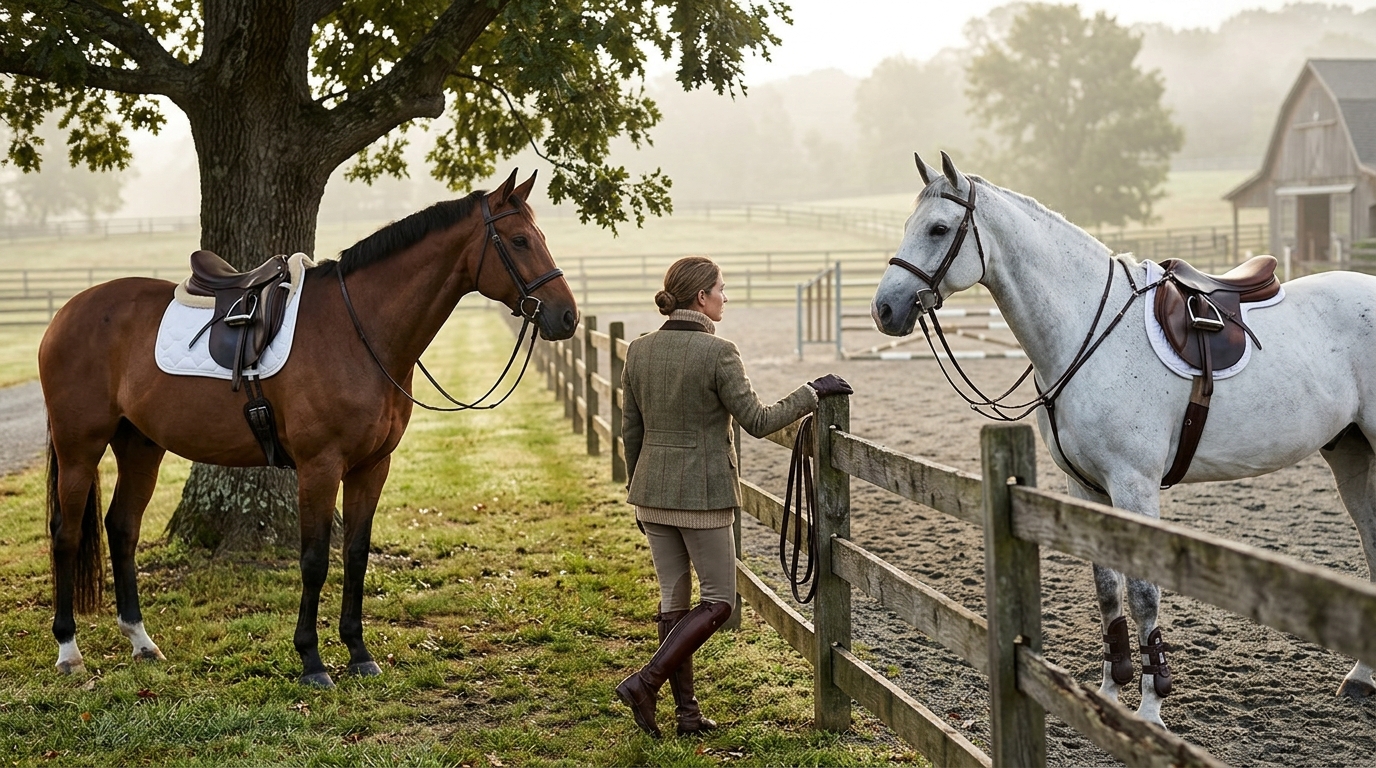
Choosing the correct equestrian discipline is the foundational step in any successful riding journey. According to recent industry data, over 4.5 million Americans participate in horse-related activities annually, yet only a small fraction commit to a specific competitive path due to the overwhelming variety of options available. This guide helps you navigate that complexity by analyzing the unique demands, equipment needs, and career trajectories of major equestrian sports.
Understanding Equestrian Disciplines
Equestrianism is not a monolith. It is a collection of specialized sports, each with distinct rules, judging criteria, and horse requirements. Dressage is the systematic training of the horse to perform specific movements. Show jumping is a timed competition where horses clear a series of obstacles. Eventing is a multi-day competition combining dressage, cross-country, and show jumping.
Before diving into specific sports, you must assess your personal goals. Are you seeking a therapeutic connection with nature, a high-speed adrenaline rush, or a disciplined artistic pursuit? Your answer will dictate the path you take. For those in Canada, resources like the Canadian Stable Directory are essential for finding facilities that specialize in your chosen path.
Dressage: The Art of Movement
Dressage, often described as "horse ballet," focuses on the harmony between horse and rider. The discipline demands precise, controlled movements that appear effortless. It is highly technical and requires a deep understanding of equine biomechanics.
Equipment and Attire
Dressage riders typically wear formal attire, including tailcoats and top hats for higher levels. The equipment is specialized, often featuring a dressage saddle with a deep seat to provide stability during complex maneuvers. The horse's training is progressive, moving from basic groundwork to advanced lateral movements.
Competitive Path
Competing in dressage involves participating in recognized shows where judges score the performance based on accuracy, rhythm, and submission. The Horse Sport platform provides extensive coverage of national and international dressage events, offering insights into the evolving standards of the sport.
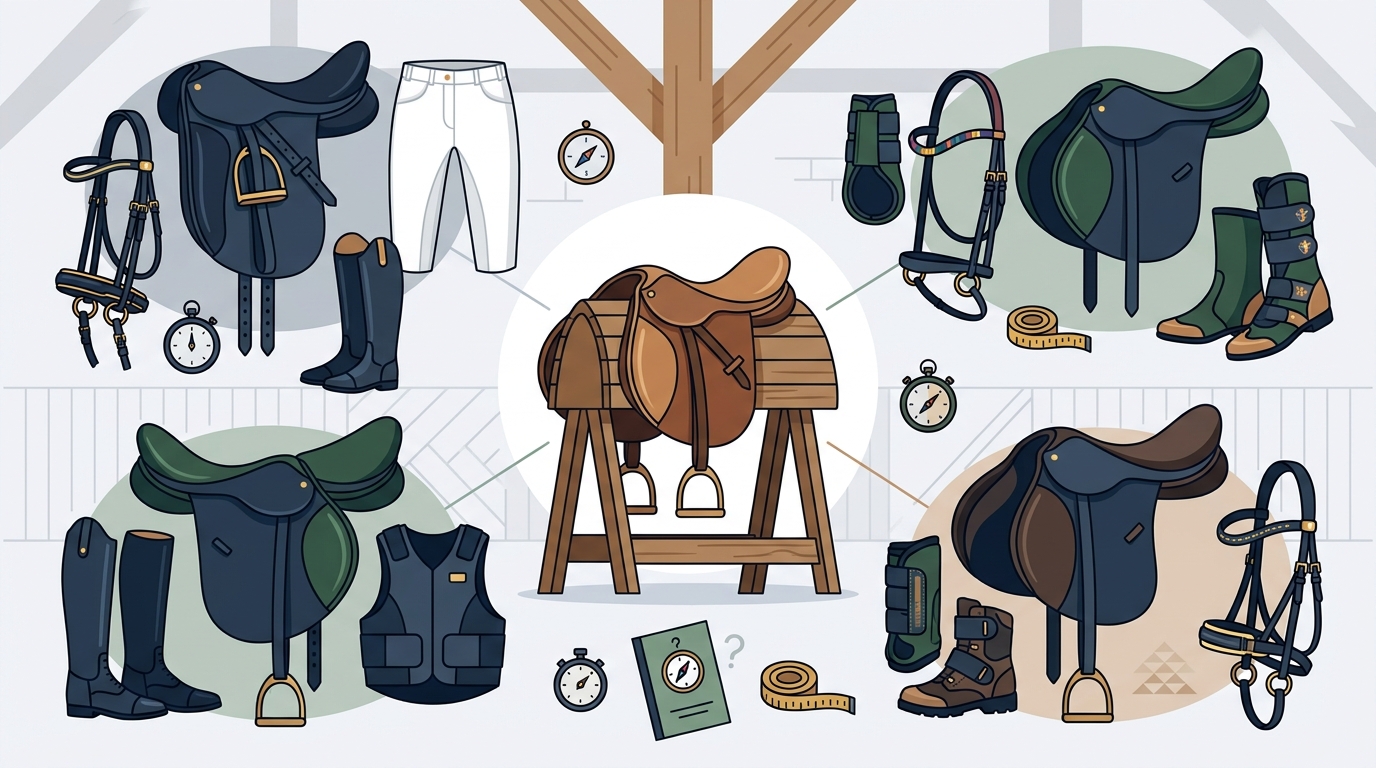
Show Jumping: Speed and Precision
Show jumping is one of the most popular equestrian disciplines globally. It tests the horse's agility, power, and the rider's ability to navigate a course of fences within a set time. The sport is dynamic and fast-paced, requiring quick decision-making.
Course Design and Challenges
Courses vary in difficulty, from low-height beginner fences to massive oxers in Grand Prix events. The horse must approach each jump with confidence and accuracy. A refusal or knockdown results in penalties, which can eliminate the pair from the competition.
Training and Development
Successful show jumpers require rigorous physical conditioning. The Spruce Meadows venue is a world-renowned hub for show jumping, hosting events that attract top talent from around the globe. Training often involves gymnastic exercises to improve the horse's balance and jumping technique.
Eventing: The Ultimate Test
Eventing is often called the triathlon of horse sports. It combines three distinct phases: dressage, cross-country, and show jumping. The discipline tests the horse's versatility, endurance, and bravery. It is considered one of the most demanding equestrian sports due to the physical and mental toll on both horse and rider.
The Cross-Country Phase
The cross-country phase takes place outdoors over natural terrain. Horses must jump solid, immovable obstacles such as logs, ditches, and water complexes. This phase requires immense trust between the horse and rider. According to recent safety reports, advancements in equipment and training have significantly reduced injury rates in this phase.
Strategic Planning
Riders must plan their strategy carefully, balancing speed with safety. The Equestrian Canada organization provides guidelines and resources for eventers, including junior development programs and national championships.
Western Sports and Reining
Western disciplines originate from the working practices of cattle ranching in the American West. These sports emphasize practicality, comfort, and the horse's ability to perform real-world tasks.
Reining and Cutting
Reining is a western discipline that mimics the work of a ranch horse. Riders perform precise patterns that include circles, spins, and sliding stops. Cutting involves separating a single cow from a herd, showcasing the horse's instinct and responsiveness. Both sports require a specific type of horse, typically Quarter Horses or breeds with a strong cow sense.
Community and Culture
Western sports have a strong community focus. Local clubs and associations organize regular shows and clinics. The Canadian Stable Directory allows riders to find western-specific facilities and trainers across the country.
Discipline Comparison Matrix
Understanding the differences between disciplines is crucial for making an informed decision. The table below summarizes the key characteristics of each major equestrian sport.
| Discipline | Primary Focus | Physical Demand | Key Skill | Typical Horse Breed |
|---|---|---|---|---|
| Dressage | Precision and Control | Moderate | Subtle Aids | Warmblood |
| Show Jumping | Speed and Power | High | Course Navigation | Warmblood |
| Eventing | Versatility and Endurance | Very High | Adaptability | Warmblood |
| Reining | Agility and Collection | Moderate | Sliding Stops | Quarter Horse |
Key Takeaways
- Goal Alignment: Choose a discipline that matches your personal interests, whether that is artistic expression in dressage or the thrill of cross-country in eventing.
- Horse Suitability: Different breeds excel in different sports. Warmbloods are preferred for dressage and jumping, while Quarter Horses dominate western disciplines.
- Resource Utilization: Leverage the Canadian Stable Directory to find qualified trainers and facilities in your region.
- Community Engagement: Joining local clubs and attending clinics can provide valuable insights and networking opportunities.
- Safety First: Always prioritize safety equipment and proper training, especially in high-risk disciplines like eventing.
- Financial Planning: Each discipline has unique costs associated with equipment, entry fees, and travel. Research these early in your journey.
- Continuous Learning: Equestrian sports require lifelong learning. Stay updated with industry trends through publications like Horse Sport.
Frequently Asked Questions
How do I choose between dressage and show jumping?
Dressage focuses on precision and harmony, while show jumping emphasizes speed and power. Consider whether you prefer controlled movements or dynamic navigation.
What is the most difficult equestrian discipline?
Eventing is widely considered the most difficult due to its three-phase format, which tests versatility, endurance, and bravery across different environments.
Can I switch disciplines later in my riding career?
Yes, many riders switch disciplines. However, it may require retraining the horse and adjusting your riding style to meet the new sport's demands.
What equipment is essential for western riding?
Essential western equipment includes a western saddle, bridle, and appropriate boots. Specific gear may vary depending on the discipline, such as reining or cutting.
How can I find a qualified trainer in my area?
Use the Canadian Stable Directory to search for trainers by discipline and location. Reading reviews and attending clinics can also help you make an informed choice.
What are the costs associated with competitive equestrian sports?
Costs vary widely but typically include horse purchase or lease, training fees, equipment, entry fees, and travel expenses. Budgeting for these costs is crucial for long-term success.
Is eventing safe for beginners?
Eventing has inherent risks due to the cross-country phase. Beginners should start with foundational training and progress gradually under the supervision of experienced coaches.
Contact Horse Sport
Ready to take the next step in your equestrian journey? Connect with the equestrian community and stay informed about the latest news, events, and resources. Visit the Contact Us page to reach out to the Horse Sport team for more information or to submit your own stories.