
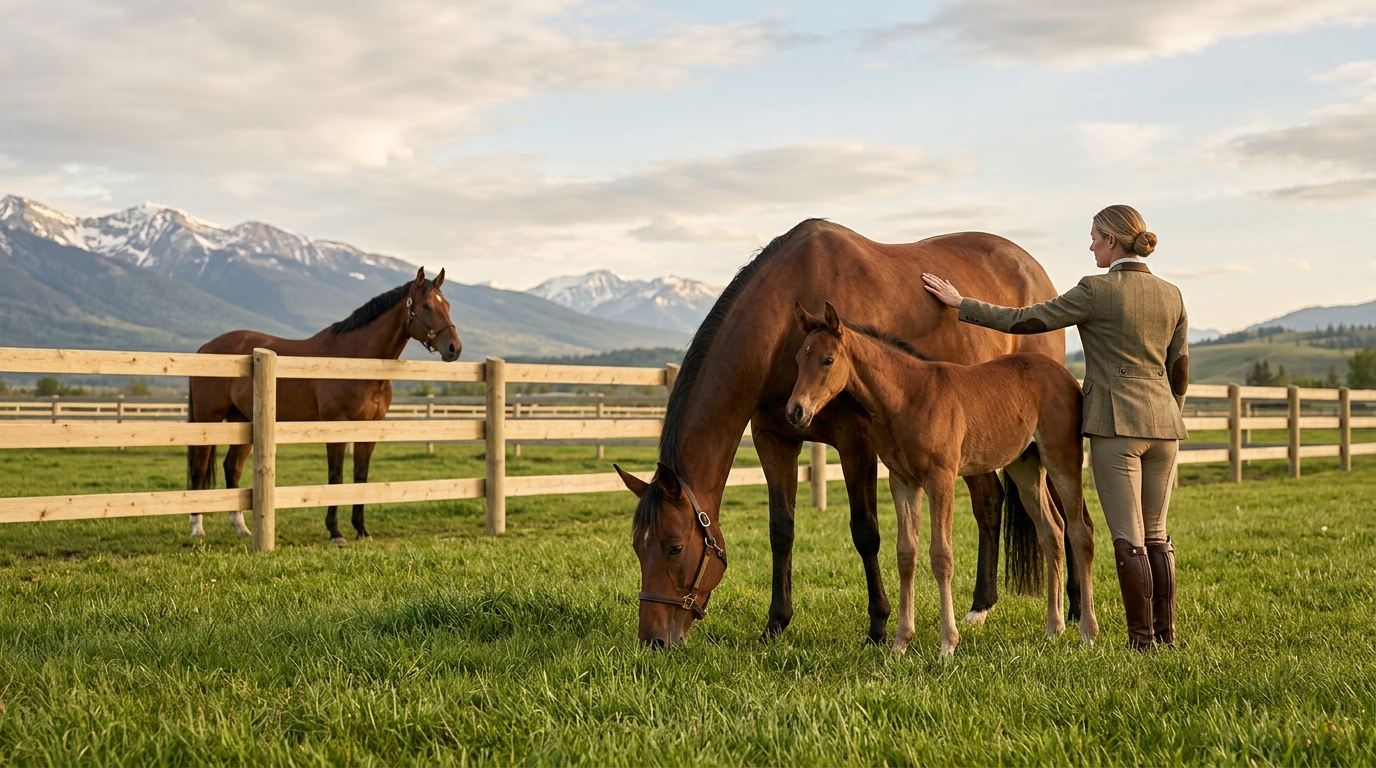
For over 50 years, Horse Sport has served as the definitive voice of equestrian competition and breeding in Canada. The equine industry is a multi-billion dollar sector that relies heavily on ethical stewardship and genetic integrity. Responsible breeding is not merely a business transaction; it is a commitment to the welfare of the animal and the future of the sport. This guide outlines the critical steps for Canadian breeders to ensure they are contributing positively to the equine community.
Understanding Breed Standards and Genetics
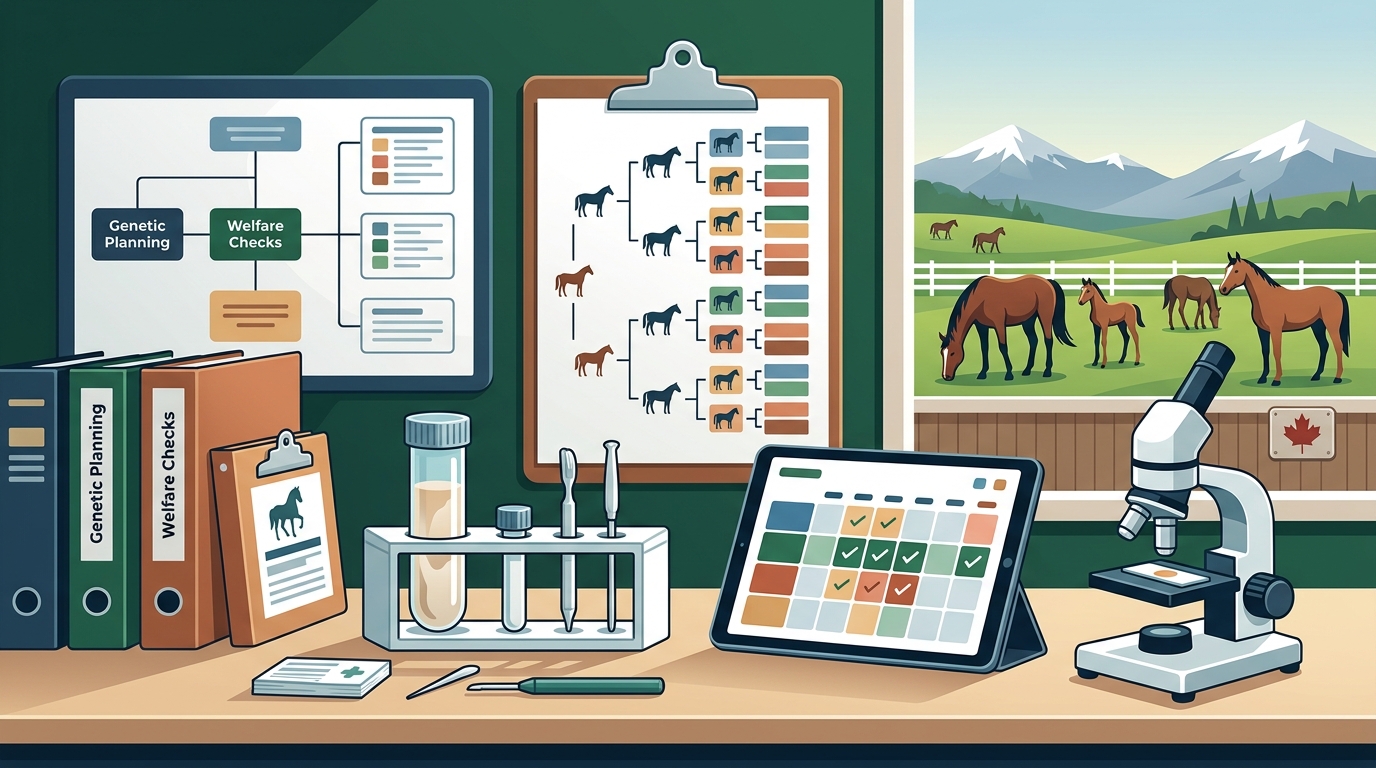
Before initiating any breeding program, you must define your objectives. Are you aiming to produce a show jumper, a western pleasure horse, or a therapeutic partner? Each discipline requires distinct genetic traits. Genetic diversity is the foundation of a healthy equine population. Inbreeding can lead to hereditary defects and reduced fertility, which is why understanding pedigree analysis is non-negotiable.
Canadian breeders must consult the specific breed registry for their chosen discipline. For instance, the Canadian Horse registry has strict standards regarding the "blue roan" coat color and specific conformation traits. Similarly, the Canadian Sport Horse Centre provides guidelines for sport horse breeding that emphasize athleticism and temperament. Ignoring these standards can result in offspring that are unmarketable or unsuitable for their intended purpose.
Consult the Canadian Stable Directory to connect with established breeders who can offer mentorship and genetic insights. Networking with peers ensures you are aware of current trends and genetic bottlenecks within specific bloodlines.
Health Screening and Veterinary Protocols
Responsible breeding begins with the health of the broodmare and the stallion. A thorough veterinary examination is required before any breeding attempt. This includes screening for genetic diseases common in specific breeds, such as Hyperkalemic Periodic Paralysis (HYPP) in Quarter Horses or Severe Combined Immunodeficiency (SCID).
Veterinary health screening prevents the propagation of hereditary diseases. Key tests include:
- Reproductive Ultrasound: To assess uterine health and ovarian function.
- Blood Work: To check for viral infections like Equine Infectious Anemia (EIA) and Equine Herpesvirus (EHV).
- Genetic Testing: To identify carrier status for recessive genetic disorders.
According to recent veterinary studies, early detection of reproductive issues can increase the success rate of breeding by up to 30 percent. This data underscores the importance of proactive veterinary care over reactive treatment. For detailed health protocols, refer to the Health section on Horse Sport.
Making Ethical Mating Decisions
Choosing the right mate is the most critical decision in breeding. It is not enough to look at conformation; you must evaluate temperament, soundness, and performance records. A common mistake among novice breeders is breeding for looks alone, ignoring the functional aspects of the horse.
Consider the following matrix when selecting a stallion:
| Criteria | Importance | Key Considerations |
|---|---|---|
| Conformation | High | Balances the mare's flaws without introducing new defects. |
| Temperament | High | Ensures the foal is trainable and safe for its intended market. |
| Performance Record | Medium | Proven ability in the target discipline increases market value. |
| Genetic Diversity | High | Reduces the risk of inbreeding depression. |
Always request a copy of the stallion's genetic test results and veterinary history. If the stallion is located in a different province, ensure you understand the transport regulations and quarantine requirements. The Breeding articles on Horse Sport provide in-depth case studies on successful mating strategies.
Foaling and Early Foal Care
The foaling process requires 24/7 monitoring or the use of advanced foaling alarms. A healthy foal is born with an instinct to stand and nurse within two hours. Failure to do so indicates a medical emergency that requires immediate veterinary intervention.
Colostrum intake is vital for foal immunity. The foal must receive adequate colostrum within the first 12 hours of life to develop passive immunity. Veterinarians will test the foal's IgG levels to ensure sufficient transfer of maternal antibodies. If levels are low, plasma transfusion may be necessary.
Post-foaling care for the mare is equally important. Monitor for retained placenta, which can lead to life-threatening laminitis. Ensure the mare is eating and drinking normally. For tips on foaling management, visit the Farm Management resources.
Legal Compliance and Registration
In Canada, horse breeding is regulated by specific breed societies and national organizations. You must register your foal within a specified timeframe, usually before the end of the calendar year in which it was born. Late registration can result in significant penalties or permanent exclusion from the breed registry.
Key regulatory steps include:
- Microchipping: Most registries require a microchip for identification.
- DNA Testing: To verify parentage and prevent fraud.
- Registration Application: Submitting pedigree, coat color, and marking descriptions.
Failure to comply with these regulations can devalue the horse and limit its ability to compete in sanctioned events. For a list of approved registries and breeders, explore the Canadian Stable Directory.
Marketing and Responsible Placement
Not every foal will become a champion. Responsible breeders plan for the placement of every offspring, regardless of its potential. This means having a network of buyers, trainers, and even retirement facilities ready before the foal is born.
Marketing your foal effectively involves high-quality photography and accurate descriptions. Highlight the sire and dam's achievements, but be honest about the foal's current conformation and temperament. Transparency builds trust with potential buyers.
If a foal does not meet your performance standards, consider alternative careers such as therapeutic riding or trail riding. The Equine Welfare section offers resources on finding second homes for horses that are no longer suitable for their original purpose. Never allow a well-bred horse to become a statistic due to poor planning.
Key Takeaways
- Genetic Integrity: Prioritize genetic diversity to prevent hereditary diseases and maintain breed standards.
- Veterinary Oversight: Mandatory health screening for both broodmare and stallion is essential for successful breeding.
- Colostrum Importance: Foals must receive colostrum within two hours to ensure passive immunity.
- Registration Compliance: Timely registration with breed societies is required to maintain the horse's value and eligibility.
- Ethical Placement: Plan for the future of every foal, including those not suited for high-level competition.
- Industry Support: Utilize resources like Horse Sport and the Canadian Stable Directory for networking and education.
- Long-Term Vision: Responsible breeding is a multi-year commitment that impacts the entire equine community.
Frequently Asked Questions
What is the best time of year to breed horses in Canada?
The breeding season typically runs from March to July, aligning with natural light cycles to induce ovulation. This ensures foals are born in the spring, maximizing their growth period during the summer months.
How much does it cost to breed a horse in Canada?
Costs vary widely but generally include stud fees, veterinary care, and transportation. A typical breeding cycle can cost between $5,000 and $15,000, depending on the stallion's prestige and the mare's health needs.
What is a broodmare?
A broodmare is a female horse kept primarily for the purpose of producing foals. Her genetic contribution is half of the foal's identity, making her selection as critical as the stallion's.
Why is DNA testing important for horse breeding?
DNA testing verifies parentage, ensuring the accuracy of pedigree records. It also helps identify carriers of genetic diseases, allowing breeders to make informed mating decisions to avoid passing on defects.
What should I do if my mare has a retained placenta?
A retained placenta is a medical emergency. Contact your veterinarian immediately. Treatment usually involves antibiotics and anti-inflammatory drugs to prevent infection and laminitis.
How do I find a reputable stallion for breeding?
Consult breed registries, attend horse shows, and use directories like the Canadian Stable Directory. Always request veterinary and genetic records before committing to a breeding.
What is the difference between a sport horse and a pleasure horse?
Sport horses are bred for athletic performance in disciplines like jumping or dressage, while pleasure horses are bred for temperament and ease of handling for recreational riding.
Can I breed a horse if I am a novice?
Novice breeders are encouraged to seek mentorship from experienced breeders and veterinarians. Starting with a well-bred mare and a proven stallion can reduce risks and increase the likelihood of success.
Next Steps for Breeders
Responsible breeding is a privilege that requires dedication, knowledge, and ethical consideration. By following these steps, you contribute to the health and future of the Canadian equine industry. To connect with top breeders, access detailed health guides, and stay updated on industry news, visit Horse Sport today. Your journey to responsible breeding starts with informed action.