
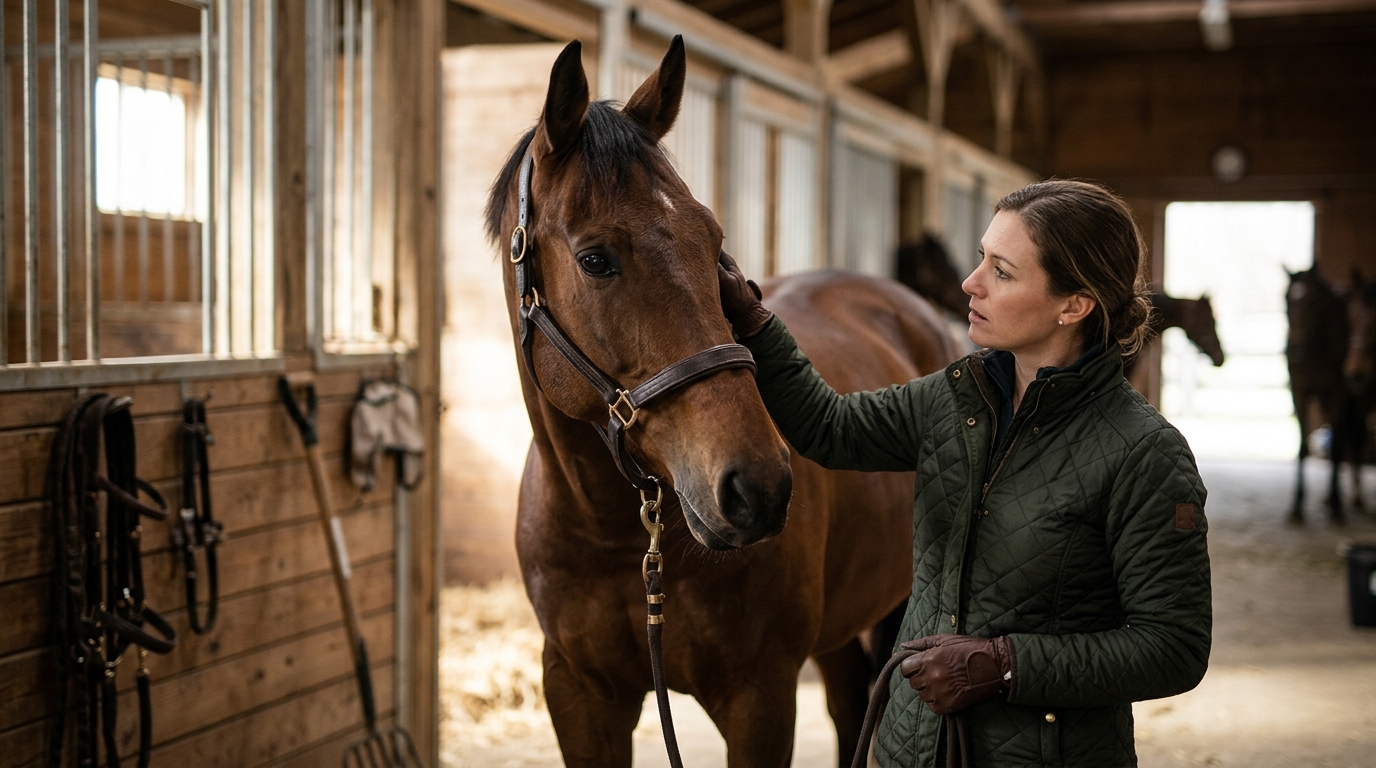
Evaluating Horse Health and Behaviour Changes: A Step-by-Step Guide
Recognizing subtle shifts in your horse's demeanor is critical for early intervention. Recent studies on equine facial expressions reveal that horses exhibit micro-expressions before and after riding that signal pain or stress. These biological cues often precede visible lameness or severe illness. By understanding these signals, you can prevent minor issues from escalating into chronic conditions. This guide outlines the systematic approach to monitoring your horse's well-being. (Donate 8211 Horse Sport)
Understanding Behavioral Shifts
Behavior is the first indicator of physical discomfort. Horses are prey animals, and their instinct is to hide pain. A healthy horse typically displays relaxed ears, soft eyes, and a calm demeanor. When these traits change, it warrants immediate investigation. Research from the University of Guelph highlights that subtle facial changes provide valuable insights into how horses experience their work. These changes are often the only warning sign before a serious issue develops.
Common Behavioral Red Flags
Watch for sudden aggression, reluctance to move, or excessive sweating. These behaviors often point to underlying physical pain. Horse Sport frequently covers rider psychology, noting that the human-animal bond is complex. A horse that suddenly bucks or refuses jumps may be experiencing back pain or dental issues. Do not dismiss these actions as stubbornness. They are communication attempts. Early detection of these behavioral shifts can save your horse from prolonged suffering.
Physical Examination Basics
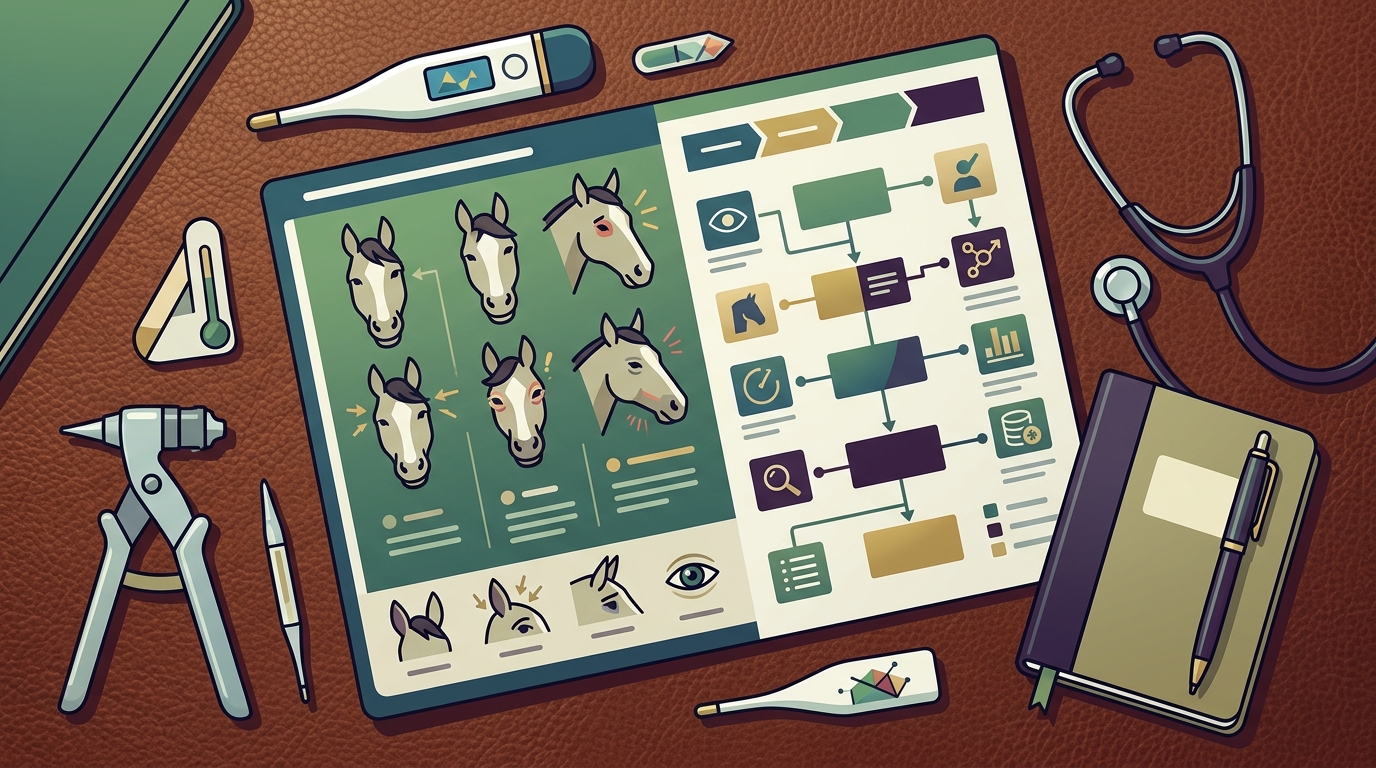
Regular physical checks are non-negotiable for responsible ownership. Equine health monitoring requires a systematic approach to ensure no detail is missed. Start with the head and work your way down. Check the eyes for clarity and discharge. Inspect the nostrils for symmetry and mucus. Listen to the gut sounds to assess digestive activity.
Temperature and Pulse
Knowing your horse's baseline vital signs is essential. A normal resting heart rate for an adult horse is between 28 and 44 beats per minute. Equine health reports indicate that a resting respiratory rate of 8 to 16 breaths per minute is standard. If your horse's temperature exceeds 101.5 degrees Fahrenheit, it may indicate an infection. Always use a reliable digital thermometer and lubricate it before use. Record these numbers daily to spot trends.
Hoof and Leg Inspection
Laminitis and founder are common threats in equine health. Check the hooves for heat, swelling, or unusual growth patterns. Proper pasture management is crucial for preventing founder. Overgrazing lush grass can lead to metabolic issues. Inspect the legs for cuts, swelling, or heat. Use your hands to feel along the tendons and ligaments for any irregularities.
Nutrition and Digestion
Diet plays a pivotal role in overall health. Equine nutrition is not just about feeding; it is about balancing minerals and energy. The minerals in equine feeds must be bio-available for maximum effect. Studies on equine nutrition show that bioavailability determines how well a horse absorbs essential nutrients. If your horse is losing weight despite a good appetite, consider dental issues or parasite load.
Water Intake Monitoring
Dehydration is a silent killer. Ensure your horse has access to clean, fresh water at all times. A horse can drink up to 10 gallons of water a day. Nutritional guidelines suggest that water quality directly impacts digestion. If your horse suddenly stops drinking, investigate the water source. It may be dirty or too cold. In winter, use heaters to keep water from freezing.
Environmental Factors
The environment significantly influences behavior and health. Canadian stable directories highlight the importance of proper housing and turnout. A clean, dry stall reduces the risk of respiratory issues. Pasture management involves controlling weeds and ensuring adequate space. Overcrowding leads to stress and disease transmission. Regularly inspect fences and gates for safety.
Stress and Anxiety
Horses are sensitive to their surroundings. Changes in routine, new horses, or loud noises can cause stress. Rider psychology articles often discuss how human anxiety transfers to the horse. Create a calm environment to mitigate stress. Provide companionship and mental stimulation. A bored horse may develop vices like cribbing or weaving.
When to Call the Vet
Knowing when to seek professional help is critical. Veterinary guidelines state that certain symptoms require immediate attention. Colic is a leading cause of death in horses. If your horse shows signs of colic, such as pawing, rolling, or looking at its flank, call the vet immediately. Do not wait. Contacting Horse Sport can provide resources for finding local veterinary services.
Emergency Signs
Other emergency signs include difficulty breathing, excessive bleeding, or inability to stand. Equine law resources often cover liability in emergency situations. Keep a first aid kit accessible. Know the location of the nearest equine hospital. Time is of the essence in emergencies. Do not attempt to treat serious conditions without professional guidance.
Key Takeaways
- Behavioral Awareness: Subtle facial expressions and demeanor shifts are early indicators of pain or stress.
- Vital Signs: Monitor heart rate (28-44 bpm) and temperature (99-101.5°F) daily for baseline tracking.
- Nutritional Bioavailability: Ensure minerals in feed are bio-available for optimal health outcomes.
- Pasture Management: Control grass types to prevent founder and metabolic issues.
- Water Intake: Monitor consumption closely; dehydration can lead to colic and other serious issues.
- Environmental Stress: Minimize changes in routine and ensure a safe, clean living space.
- Emergency Preparedness: Know the signs of colic and have a plan for immediate veterinary care.
Frequently Asked Questions
How often should I check my horse's temperature?
Check your horse's temperature daily, especially if you notice any behavioral changes. Consistent monitoring helps establish a baseline for what is normal for your individual horse.
What are the signs of colic in horses?
Signs include pawing at the ground, rolling, looking at the flank, and lack of appetite. Health reports indicate that colic can develop rapidly and requires immediate veterinary attention.
How can I tell if my horse is stressed?
Stress manifests as excessive sweating, tail swishing, pinned ears, and repetitive behaviors like weaving. Rider psychology insights suggest that reducing environmental triggers can help alleviate stress.
What is the normal heart rate for a horse?
A normal resting heart rate is between 28 and 44 beats per minute. Veterinary data shows that rates above this range may indicate pain, fever, or dehydration.
How does pasture management affect horse health?
Proper pasture management prevents founder and ensures adequate nutrition. Farm management strategies include rotating pastures and controlling weed growth.
When should I call the vet for behavioral changes?
Call the vet if behavioral changes are sudden, severe, or accompanied by physical symptoms like lameness or fever. Contact Horse Sport for guidance on finding the right professional.
What role does nutrition play in behavior?
Nutrition directly impacts energy levels and mood. Nutritional studies show that balanced diets reduce anxiety and improve overall well-being.
Take Control of Your Horse's Health Today
Evaluating your horse's health and behavior is an ongoing process. By staying vigilant and informed, you can ensure your horse lives a happy, healthy life. Visit Horse Sport for more resources, articles, and community support. Stay connected with the latest in equine care and competition.