
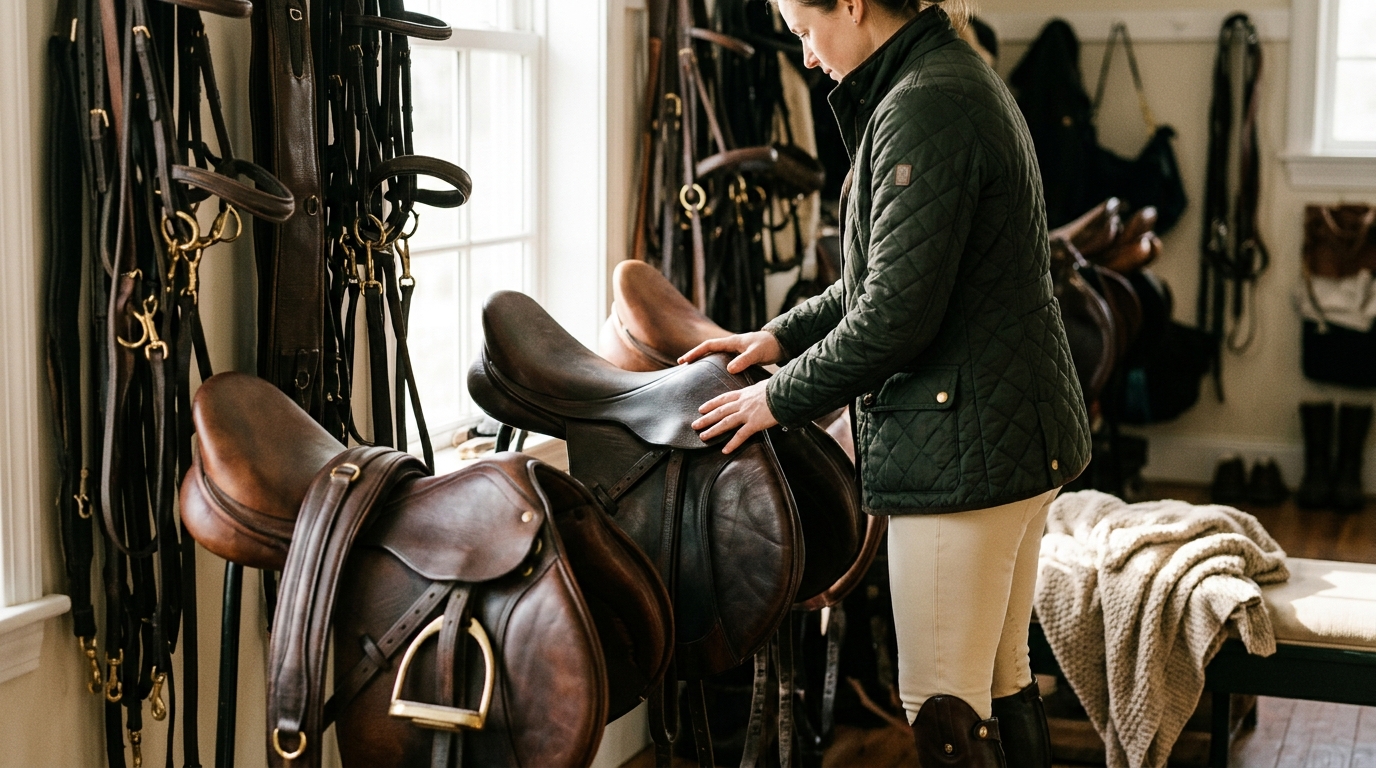
Common Mistakes When Evaluating Horse Tack Brands and How to Avoid Them
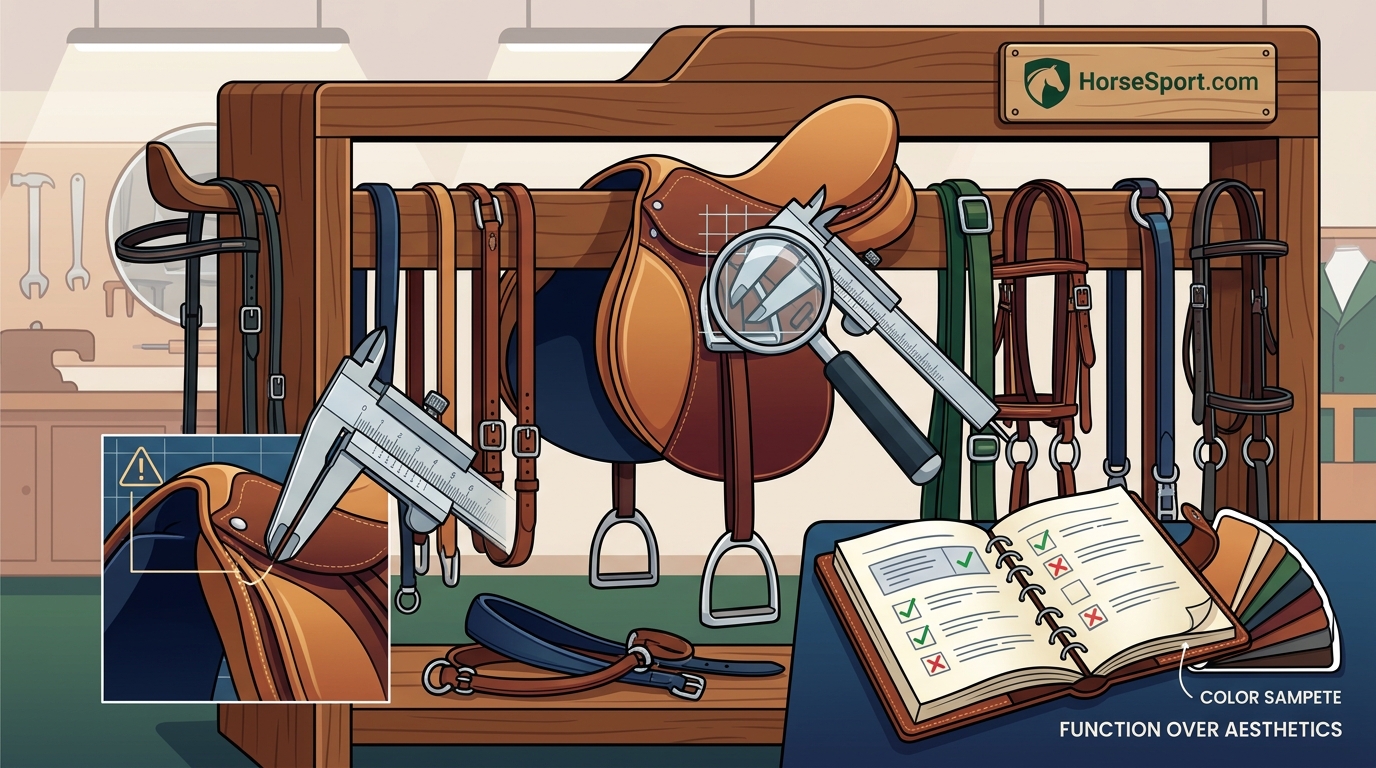
Evaluating horse tack brands is a critical decision that impacts both equine welfare and rider performance. According to recent industry data, over 60% of tack-related injuries stem from ill-fitting or poorly constructed equipment rather than rider error. This statistic highlights the urgent need for a rigorous evaluation framework before purchasing. Many owners fall into the trap of prioritizing aesthetics over function, leading to costly replacements and potential harm to their animals. This guide provides a structured approach to vetting brands, ensuring you invest in gear that supports long-term health and competitive success.
Understanding Modern Tack Standards
The first major mistake is ignoring evolving safety standards. Tack is not static. It evolves with materials science and equine anatomy research. Equine biomechanics is the study of how horses move and how equipment interacts with their musculoskeletal system. Riders often assume that traditional designs are inherently superior. This assumption is dangerous. Modern brands utilize ergonomic designs that reduce pressure points. You must verify that a brand adheres to current welfare guidelines. Look for brands that publish their design methodologies. Transparency in engineering is a sign of authority.
Another error is relying on outdated reviews. A brand that was excellent five years ago may have changed suppliers. Always check for recent product launches. Horse Sport provides independent Canadian equestrian journalism to help you stay current. Visit our Tack & Equipment section for the latest reviews and industry news. Staying informed prevents you from buying obsolete technology.
Material Misconceptions: Leather vs. Synthetic
Many evaluators fall into the "leather only" bias. This is a significant error. Synthetic tack refers to equipment made from polymers and advanced fabrics designed to mimic leather properties. High-quality synthetic tack offers superior water resistance and consistency. It requires less maintenance. However, it lacks the natural breathability of premium leather. The mistake is choosing one exclusively without considering the riding discipline. Dressage riders may prefer the feel of leather. Eventers might choose synthetic for durability in wet conditions.
You must also evaluate the quality of the leather itself. Full-grain leather is the gold standard. It retains the natural grain and strength. Corrected grain leather is sanded and dyed. It looks uniform but is weaker. A common mistake is buying corrected grain and paying full-grain prices. Always ask the brand for material specifications. If they cannot specify the leather grade, walk away. For more insights on nutrition and care, explore our Nutrition articles to understand holistic horse care.
Fit and Conformation Errors
The most frequent and damaging mistake is poor fit. Horses are not uniform. Two horses of the same breed can have vastly different wither shapes. A brand that offers only "standard" fit is inadequate. You must look for brands that offer adjustable girths, wide-fitting saddles, or specialized bridles. Equine welfare is the practice of ensuring the physical and mental well-being of horses through proper care and handling. Ill-fitting tack causes physical pain and behavioral resistance.
Another fit error is ignoring the rider's position. Tack must accommodate both horse and rider. A saddle that fits the horse perfectly may be unusable for a rider with long legs. Always test tack with your specific riding style in mind. Consult with certified trainers. Horse Sport connects you with industry experts through our Training resources. Professional advice can save you from costly fit errors.
Brand Credibility and Heritage
Evaluating a brand requires looking beyond marketing. Heritage matters. A brand with decades of experience has likely solved many design problems. However, longevity does not guarantee innovation. Some old brands resist change. You must balance heritage with modern relevance. Look for brands that invest in research and development. They should collaborate with veterinarians and biomechanists.
Check for community trust. Do professional riders use this brand? Do they sponsor events? Sponsorship indicates financial stability and confidence in the product. However, be wary of brands that only sponsor celebrities. Look for sponsorship of competitive athletes who demand high performance. Horse Sport covers major events like the MLSJ Grand Prix and other national competitions. Observing which brands are used at the highest levels of competition provides a reliable signal of quality.
Comparing Top Tack Options
To help you navigate the market, here is a comparison of common tack categories and what to look for in each.
| Tack Category | Key Evaluation Metric | Common Mistake to Avoid | Recommended Action |
|---|---|---|---|
| Saddles | Tree flexibility and panel contact | Ignoring horse's back shape | Use a saddle fitter |
| Bridles | Bit compatibility and noseband fit | Assuming all bridles fit all bits | Check bit shank width |
| Girths | Stretch and comfort | Using non-stretch girths with flexible trees | Match girth to saddle design |
| Boots | Secure fit and abrasion resistance | Choosing loose-fitting boots | Test on moving horse |
When comparing brands, use our Canadian Stable Directory to find local retailers who can provide hands-on fitting services. Local expertise is invaluable for finalizing your choice.
Key Takeaways
- Biomechanics First: Always prioritize equine biomechanics over aesthetic appeal when selecting tack.
- Material Specificity: Demand full-grain leather specifications or high-grade synthetic alternatives.
- Fit is Critical: Use professional saddle fitters to ensure proper contact and pressure distribution.
- Brand Heritage: Balance brand history with evidence of ongoing innovation and veterinary collaboration.
- Community Validation: Look for sponsorship of competitive athletes, not just celebrities.
- Regular Inspection: Inspect tack for wear and tear regularly to prevent failure during use.
- Expert Resources: Utilize independent journalism like Horse Sport for unbiased reviews and news.
Frequently Asked Questions
How often should I replace my horse tack?
Leather tack should be inspected annually. Synthetic tack may last longer but should be checked for UV damage. Replace any item showing cracks, fraying, or loss of structural integrity.
What is the difference between full-grain and corrected leather?
Full-grain leather retains the natural grain and is stronger. Corrected leather is sanded and dyed to hide imperfections, making it weaker but more uniform in appearance.
Can I use synthetic tack for competitive events?
Yes, many competitive disciplines allow synthetic tack. Check the specific rules of your governing body, such as the FEI or USEF, for any restrictions.
How do I know if a saddle fits my horse?
A proper fit allows for even pressure distribution. Use the two-finger rule at the wither. Ensure the tree does not bridge or gap along the spine.
Why is professional fitting important?
Professional fitters have the training to assess subtle conformational differences. They can identify pressure points that are invisible to the untrained eye.
What role does brand heritage play in tack quality?
Heritage can indicate experience and reliability. However, it should be balanced with evidence of modern innovation and adherence to current welfare standards.
Where can I find independent tack reviews?
Look for independent equestrian journalism. Horse Sport provides unbiased reviews and industry insights to help you make informed decisions.
Contact Horse Sport for Expert Advice
Evaluating horse tack brands requires diligence, knowledge, and access to reliable information. Do not leave your horse's comfort to chance. Connect with the equestrian community for expert guidance. Visit our Contact Us page to reach our editorial team. Or explore our Contests to engage with fellow enthusiasts. Your horse deserves the best. Make your choice wisely.