
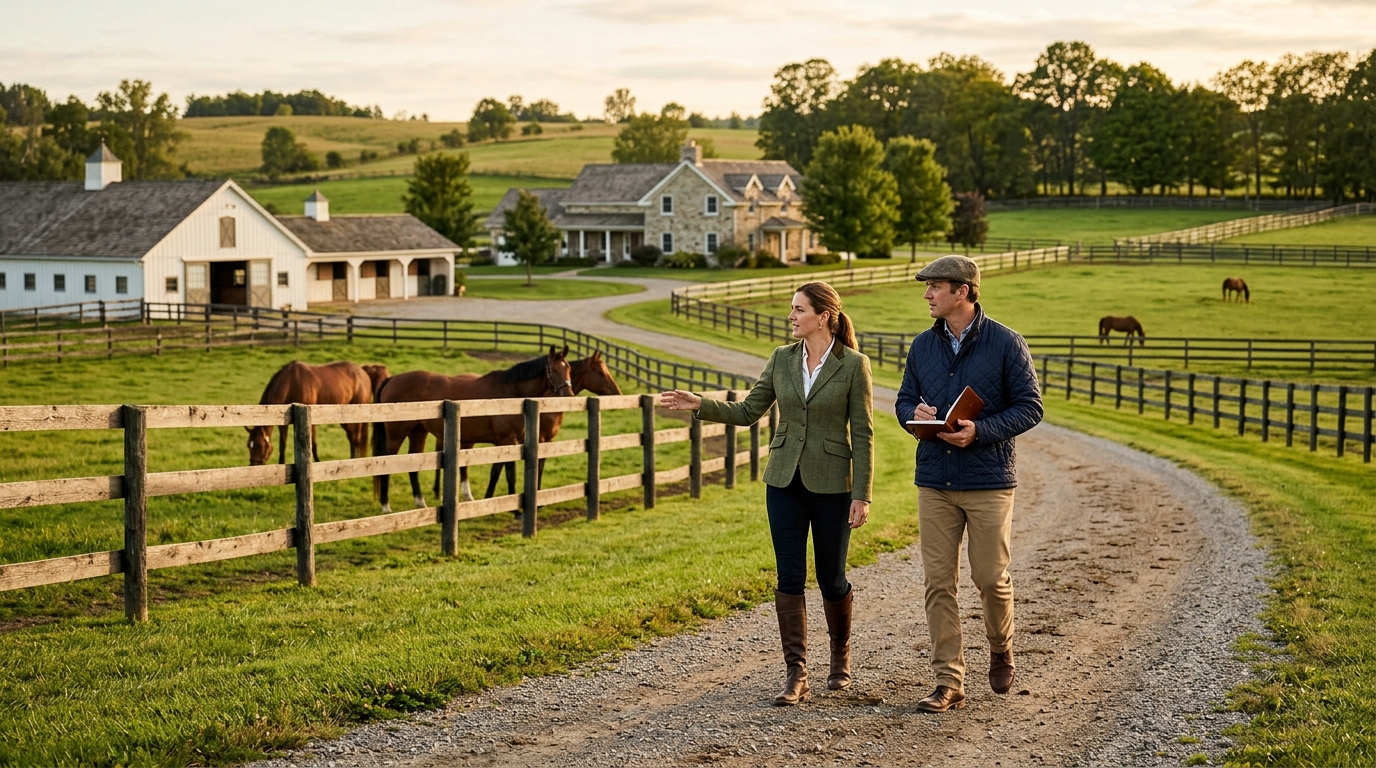
The Canadian equine industry represents a significant economic sector, with the total economic impact of horse-related activities estimated at over $10 billion annually across the country. For prospective buyers and investors, understanding the nuances of farm valuation is critical to securing a profitable and sustainable asset. This guide outlines the essential criteria for evaluating horse farms, from land quality to infrastructure, ensuring you make an informed decision backed by industry standards.
Land Quality and Terrain Analysis
Land forms the foundation of any successful equestrian property. The topography, soil composition, and drainage capabilities directly influence the viability of pasture management and the longevity of outdoor riding arenas. According to recent agricultural reports, well-drained soil can reduce veterinary costs for equine laminitis by up to 30 percent compared to properties with poor drainage. This statistic highlights the importance of conducting a thorough soil test before finalizing a purchase.
When evaluating terrain, consider the slope and accessibility. Gentle slopes are ideal for natural drainage, while steep inclines may require significant grading investments. Additionally, the size of the property must align with your operational goals. For instance, a breeding farm requires more acreage per mare than a boarding facility. The Canadian Stable Directory offers a comprehensive list of properties, allowing you to filter by province and service type to find matches that meet your spatial requirements.
Pasture management is another critical component. Healthy pastures reduce feed costs and improve horse welfare. Look for properties with established grass varieties suitable for the local climate. If the land appears degraded, factor in the cost of reseeding and fertilization. A property with mature, nutrient-rich pastures offers immediate value and reduces the initial capital outlay for land improvement.
Infrastructure and Facility Condition
The condition of barns, stalls, and fencing determines the operational efficiency and safety of the farm. Older structures may require extensive renovations, which can quickly escalate budgets. When inspecting barns, check the roof integrity, ventilation systems, and electrical wiring. Proper ventilation is essential to prevent respiratory issues in horses, such as heaves, which are exacerbated by poor air quality in enclosed spaces.
Fencing is often overlooked but is a major safety and cost factor. Wood fences require regular maintenance to prevent splintering, while vinyl or electric fencing may offer lower long-term costs. Ensure that all gates are secure and that the fencing material is appropriate for the type of horses housed. The Farm of the Week features often showcase well-maintained properties, providing inspiration for what a high-quality infrastructure setup looks like in practice.
Water systems are another critical infrastructure element. Verify that all water sources are clean and accessible year-round. In colder climates, heated waterers or insulated pipes are necessary to prevent freezing. A reliable water supply is non-negotiable for horse health, and failures in this system can lead to dehydration and serious health complications for the animals.
Financial Metrics and Valuation Models
Evaluating the financial health of a horse farm involves more than just the purchase price. You must consider ongoing operational costs, including feed, labor, insurance, and maintenance. According to industry data, the average cost of horse care can vary significantly by region, with some areas seeing annual increases of 5 to 10 percent. Understanding these local cost drivers is essential for accurate budgeting.
Revenue potential is another key metric. If the farm is a commercial operation, analyze its current client base, occupancy rates, and pricing structure. A boarding facility with high occupancy and a waitlist indicates strong market demand. For breeding farms, evaluate the pedigree of the horses and the reputation of the operation in the competitive market. The Horse Sport platform provides valuable insights into the competitive landscape, helping you gauge the farm's market position.
Consider the tax implications of the purchase. Agricultural properties may qualify for specific tax exemptions or incentives, depending on local regulations. Consult with a tax professional to understand how the property's classification affects your overall financial strategy. Proper financial planning can significantly impact the long-term profitability of your investment.
Regulatory Compliance and Zoning
Zoning laws and local regulations dictate what you can do with the property. Ensure that the land is zoned for agricultural or equestrian use. Some municipalities have restrictions on the number of horses allowed per acre, which can limit your operational capacity. Before making an offer, verify these restrictions with the local planning department.
Environmental regulations may also apply, particularly regarding manure management and water runoff. Farms located near water bodies may face stricter controls to protect local ecosystems. Understanding these requirements upfront can prevent costly legal issues or forced operational changes later. The Contact Us page for Horse Sport can provide further guidance on navigating these complex regulatory environments.
Additionally, check for any existing easements or covenants that might restrict development or use. These legal encumbrances can limit your ability to expand facilities or sell the property in the future. A thorough title search is essential to uncover any hidden restrictions that could impact your investment.
Comparing Farm Types
Different types of horse farms serve different purposes and require different evaluation criteria. Below is a comparison of common farm types to help you identify which model aligns with your goals.
| Farm Type | Primary Focus | Key Evaluation Metric | Typical Infrastructure Needs |
|---|---|---|---|
| Boarding Facility | Horse Care and Storage | Occupancy Rate | Stalls, Arena, Pasture |
| Breeding Farm | Reproduction and Sales | Pedigree Value | Foaling Stalls, Vet Clinic |
| Training Center | Rider and Horse Development | Coach Reputation | Multiple Arenas, Classrooms |
| Rescue Sanctuary | Welfare and Rehabilitation | Adoption Rate | Quarantine Areas, Medical |
Understanding these distinctions helps you prioritize your evaluation criteria. For example, a breeding farm requires a focus on veterinary facilities and pedigree documentation, while a boarding facility needs a strong emphasis on customer service and facility aesthetics. The Contests section of Horse Sport often highlights top-performing facilities, offering a benchmark for excellence in these categories.
Key Takeaways
- Land drainage and soil quality are critical for pasture health and reducing veterinary costs.
- Infrastructure condition, especially fencing and water systems, impacts safety and operational costs.
- Financial evaluation must include ongoing operational expenses and potential revenue streams.
- Zoning and environmental regulations can restrict property use and expansion.
- Comparing farm types helps align your investment with your specific business goals.
- Utilizing resources like the Canadian Stable Directory aids in finding suitable properties.
- Professional legal and tax advice is essential for navigating complex property transactions.
Frequently Asked Questions
How do I assess the quality of pasture land?
Conduct a professional soil test to analyze nutrient levels and drainage capabilities. Look for signs of erosion or compaction, which indicate poor management. Healthy pastures should have diverse grass varieties and minimal weed growth.
What are the most common infrastructure repairs on older horse farms?
Roof leaks, broken fencing, and outdated electrical systems are frequent issues. Older barns may also have poor ventilation, leading to respiratory problems for horses. Budget for these repairs before purchasing.
How does zoning affect horse farm operations?
Zoning laws determine the number of horses allowed, building permits, and land use restrictions. Non-compliance can result in fines or forced closure. Always verify zoning with local authorities before buying.
What financial metrics indicate a profitable horse farm?
High occupancy rates for boarding facilities, strong sales volume for breeding farms, and consistent revenue growth are key indicators. Compare these metrics to industry averages for your region.
Why is water access critical for horse farms?
Horses require large amounts of clean water daily. Inadequate water supply can lead to health issues and reduced productivity. Ensure all water sources are reliable and accessible year-round.
How can I find reputable horse farms for sale?
Use specialized directories like the Canadian Stable Directory and consult with local equestrian associations. Networking with industry professionals can also reveal off-market opportunities.
What role does Horse Sport play in farm evaluation?
Horse Sport provides industry news, market trends, and resources like the Farm of the Week feature, which showcases well-managed properties. These resources help buyers understand industry standards and best practices.
Contact Us for Expert Guidance
Evaluating a horse farm is a complex process that requires expertise in agriculture, real estate, and equine management. If you need further assistance or wish to discuss your specific property goals, reach out to the team at Horse Sport. We are dedicated to supporting the equestrian community with accurate information and resources. Visit our Contact Us page to connect with our publishers and editors directly.