
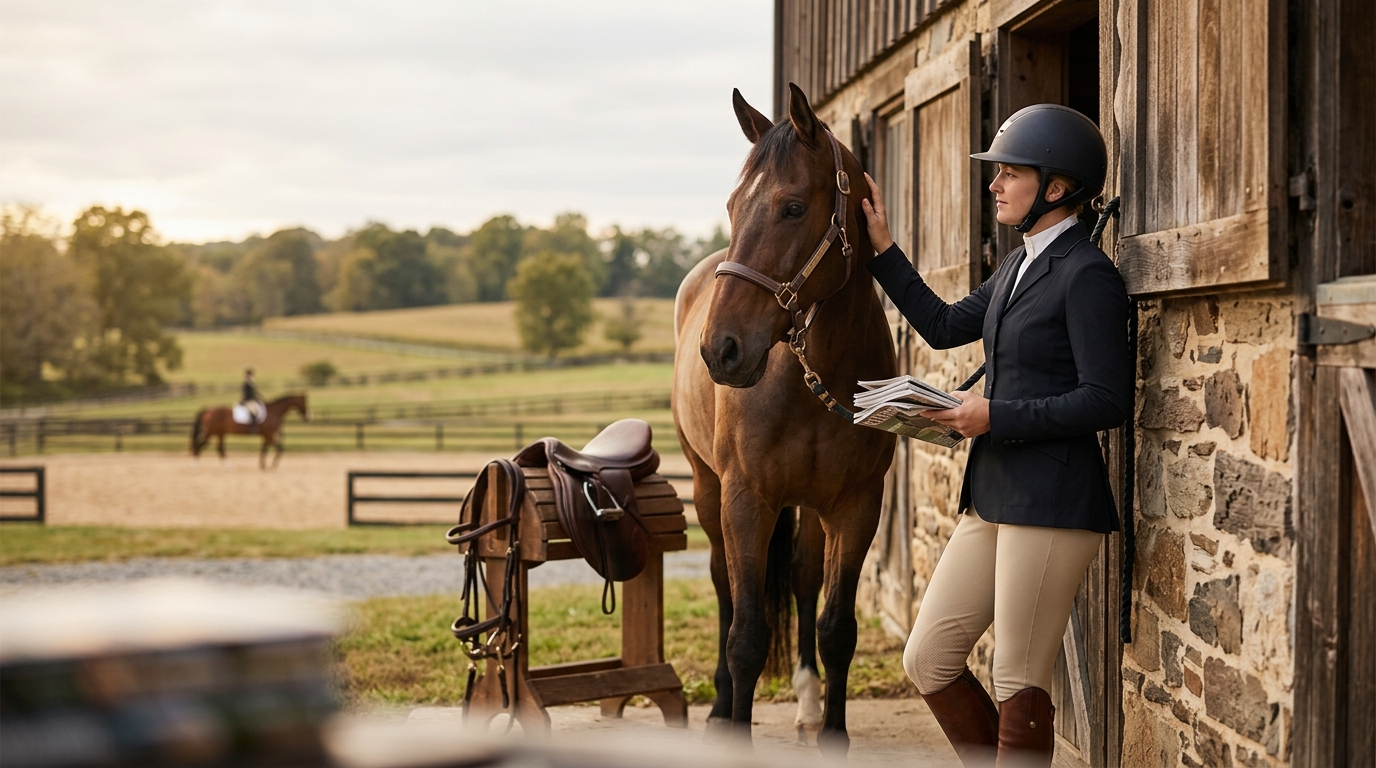
Choosing the correct equestrian discipline is a pivotal decision that shapes your lifestyle, financial commitments, and daily routine. According to the United States Equestrian Federation, there are over 20 distinct recognized disciplines in the United States alone, each with unique requirements for horse conformation, rider skill, and equipment. This guide breaks down the most popular options to help you align your goals with the right sport. (Contact Us)
Understanding Your Goals and Experience
Before diving into specific sports, you must evaluate your current experience level and long-term objectives. Are you seeking a recreational hobby, a competitive career, or a therapeutic connection with animals? Your answer dictates the path forward.
For beginners, the primary focus should be on safety and foundational skills. English riding and Western riding are the two broad categories that encompass most equestrian activities. Each style has distinct equipment, posture, and training methodologies. English riding emphasizes precision and close contact with the horse, while Western riding focuses on versatility and comfort for long hours in the saddle.
Consider your physical fitness and time availability. High-intensity sports like eventing require rigorous conditioning, whereas trail riding offers a more relaxed pace. Understanding these constraints early prevents burnout and ensures a sustainable journey in the equestrian world.
Popular Disciplines Explained
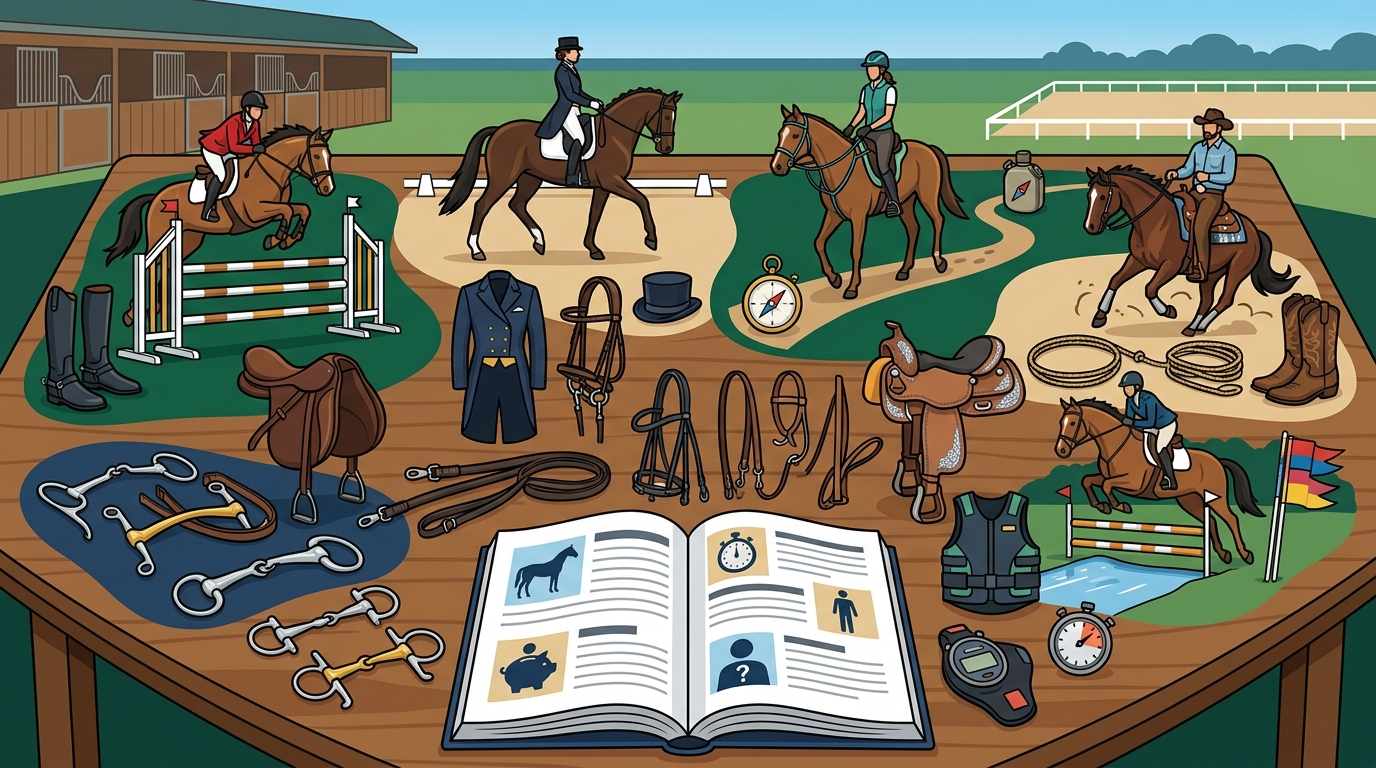
The equestrian world offers a diverse array of disciplines. Below, we explore the most common options available to riders of all levels.
English Disciplines
English riding is characterized by a forward seat and a lighter saddle. It is often associated with precision, agility, and formal competition.
Dressage
Dressage is often described as horse ballet. It focuses on the development of the horse's natural movement and obedience through a series of predetermined movements. The goal is to create a harmonious partnership where the horse appears to perform willingly. This discipline requires immense patience and technical skill from the rider. For more on training methodologies, visit our Dressage Training Basics article.
Show Jumping
Show jumping tests the horse and rider's ability to navigate a course of obstacles within a set time. It requires speed, power, and precise coordination. The sport is highly competitive and often features large prize pools. According to the FEI, show jumping is one of the most popular Olympic disciplines globally. You can learn more about equipment standards at the FEI Official Website.
Eventing
Eventing is known as the triathlon of horse sports. It combines dressage, cross-country, and show jumping in a single competition. This discipline tests the all-around ability of both horse and rider. It is physically demanding and requires a high level of trust between partners. The American Eventing Association provides extensive resources for newcomers. Check their official site for event calendars.
Western Disciplines
Western riding originated from the practical needs of cattle ranching. It emphasizes comfort, versatility, and a deep connection with the horse.
Reining
Reining is often called "horse racing in a square ring." It involves a pattern of circles, spins, and stops that showcase the horse's agility and responsiveness. The sport has gained significant popularity in recent years. Data from the National Reining Horse Association shows a steady increase in youth participation. Visit the NRHA website for more details.
Western Pleasure
Western pleasure focuses on the horse's manner of going. The horse should move smoothly and calmly, providing a comfortable ride for the rider. It is an excellent choice for beginners due to its emphasis on steady movement. Many local clubs offer introductory clinics. Explore our Western Pleasure Guide for tips.
Trail Riding
Trail riding is less about competition and more about enjoyment of the outdoors. It involves navigating natural terrain and obstacles. This sport is ideal for those seeking relaxation and adventure. The American Trail Riding Association promotes safe and responsible trail riding. Learn more at the ATRA website.
Selecting the Right Horse
The horse you choose is as important as the sport you select. Different disciplines require specific conformation, temperament, and training. A horse suitable for dressage may not excel in reining, and vice versa.
Temperament is a critical factor. For beginners, a calm and experienced horse is essential. Look for a horse with a proven track record in the discipline you are interested in. Avoid horses with a history of behavioral issues unless you are an experienced trainer.
Conformation refers to the physical structure of the horse. English disciplines often prefer horses with longer backs and higher withers. Western disciplines may favor horses with a more compact build and strong hindquarters. Consult with a qualified trainer to assess a horse's suitability. Our Horse Evaluation Services can provide professional insights.
Financial Commitment and Costs
Owning and competing in a horse sport is a significant financial investment. Costs include purchase price, boarding, training, equipment, and competition fees. Understanding these expenses helps you plan realistically.
Boarding is a recurring monthly cost. Full care boarding includes feed, stall cleaning, and turnout. Prices vary by region and facility amenities. In high-cost areas, boarding can exceed $1,000 per month. Research local facilities to find options that fit your budget.
Training is another major expense. Regular lessons are essential for improvement. Prices range from $50 to $150 per hour depending on the trainer's expertise. Budget for ongoing education to ensure your skills develop properly.
Equipment costs vary by discipline. English riding requires a saddle, bridle, and protective gear. Western riding needs a saddle, bridle, and specific attire. High-quality equipment ensures safety and performance. Visit our Equipment Shop for top-rated gear.
Discipline Comparison Overview
The table below summarizes key aspects of popular equestrian disciplines to aid your decision-making process.
| Discipline | Style | Primary Focus | Difficulty Level | Typical Cost |
|---|---|---|---|---|
| Dressage | English | Precision and Harmony | High | $$$ |
| Show Jumping | English | Speed and Agility | High | $$$ |
| Eventing | English | All-Around Ability | Very High | $$$$ |
| Reining | Western | Agility and Control | Medium-High | $$ |
| Western Pleasure | Western | Smoothness and Manner | Medium | $$ |
| Trail Riding | Western | Enjoyment and Nature | Low-Medium | $ |
Key Takeaways
- Identify your primary goal: recreation, competition, or therapy.
- English disciplines focus on precision, while Western disciplines emphasize versatility.
- Horse temperament is as important as conformation for safety and success.
- Financial planning should include boarding, training, and equipment costs.
- Beginners should start with calm, experienced horses in low-pressure environments.
- Consult with qualified trainers to assess horse suitability for specific disciplines.
- Join local clubs and communities to gain support and resources.
Frequently Asked Questions
What is the easiest horse sport for beginners?
Western pleasure and trail riding are often considered the most accessible for beginners due to their focus on comfort and steady movement.
How much does it cost to start in dressage?
Initial costs can range from $5,000 to $20,000 for a suitable horse, plus monthly expenses for boarding and training.
Can I switch from Western to English riding?
Yes, many skills transfer between disciplines. However, you will need to learn new techniques and acquire different equipment.
What age is best to start horse riding?
Children can start as young as four in pony clubs. Adults can begin at any age, with many programs designed for late starters.
Do I need to own a horse to compete?
No, many riders lease horses or compete on boarders' horses. Leasing is a great way to try a discipline without full ownership.
What safety gear is essential for show jumping?
A certified helmet, protective vest, and appropriate boots are mandatory for safety in show jumping.
How do I find a reputable trainer?
Seek recommendations from local clubs, check credentials with recognized associations, and observe training sessions.
Next Steps
Choosing the right horse sport is a personal journey. Take your time to explore options, talk to experienced riders, and try introductory lessons. At HorseSport, we are dedicated to supporting your equestrian journey. Visit our Contact Page to speak with a specialist or browse our Blog for more insights.