
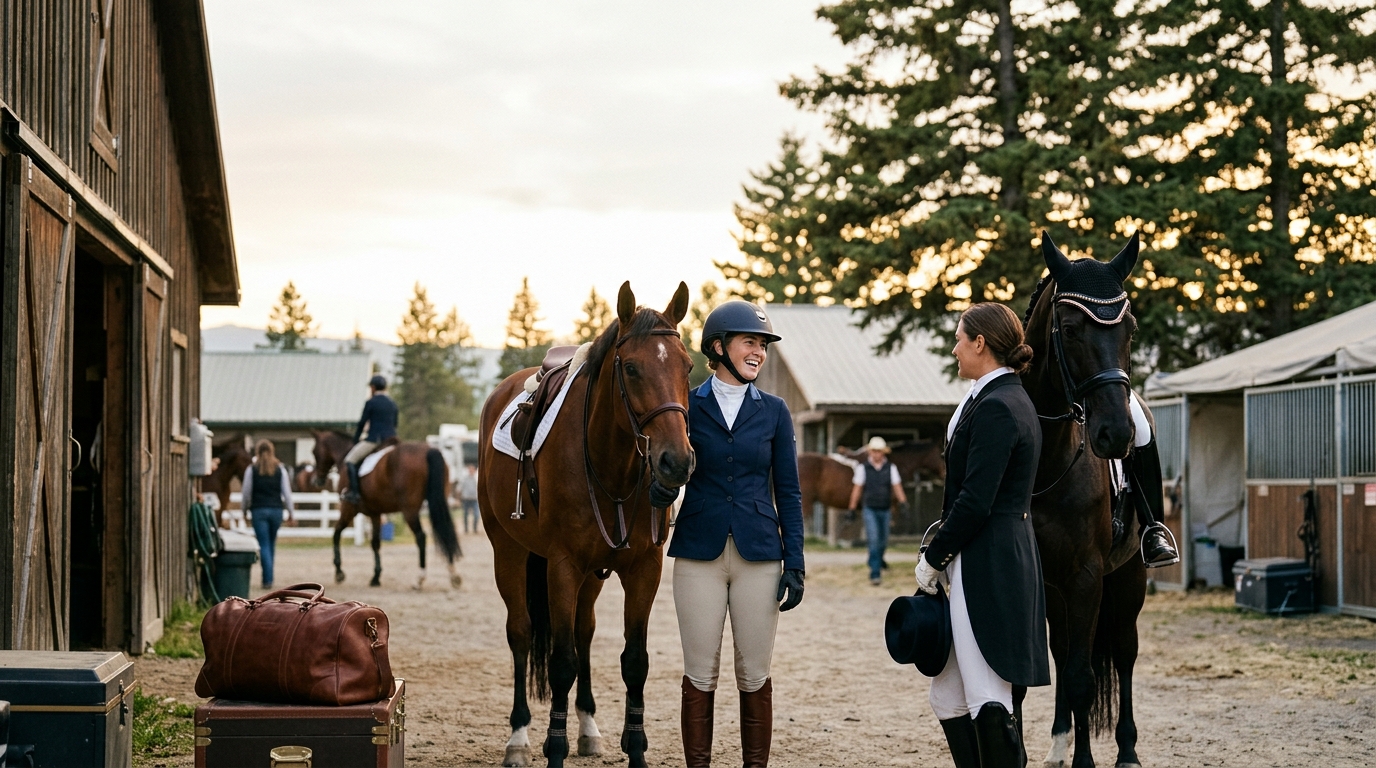
The equestrian landscape in Canada is vast, diverse, and deeply rooted in a history that spans over five decades of competitive excellence. According to recent industry analyses, the Canadian equestrian market is experiencing a significant shift toward specialized training and regional club engagement, with over 150,000 active participants nationwide. This growth is driven by a desire for structured athletic development and community connection. Understanding the nuances between different riding styles is essential for anyone looking to enter the sport, whether as a hobbyist, a serious competitor, or a parent seeking the best path for their child. This guide breaks down the primary disciplines available through Horse Sport to help you make an informed decision.
English vs. Western: The Fundamental Divide
The first major decision for any new rider is choosing between English and Western riding. These are not just different styles of sitting a horse; they represent entirely different philosophies of horsemanship, equipment, and competitive goals. English riding emphasizes close contact, precise aids, and formal presentation. Western riding, born from the practical needs of cattle work, prioritizes comfort, endurance, and a more relaxed seat.
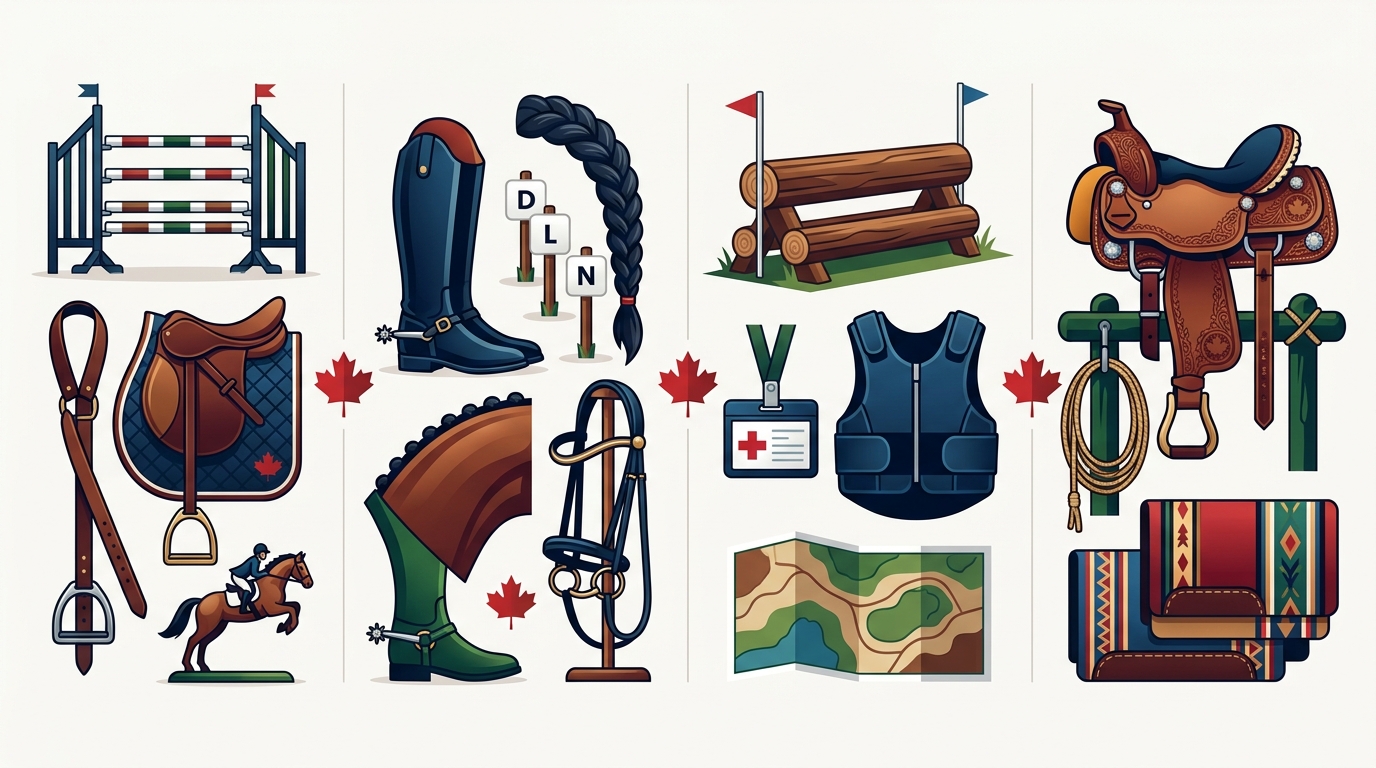
English disciplines include Dressage, Show Jumping, and Eventing. These are often associated with formal competitions and require specific attire such as tall boots and formal jackets. Western disciplines, including Reining, Cutting, and Barrel Racing, focus on the horse's agility and responsiveness to subtle cues. The Canadian Stable Directory is an excellent resource for finding trainers who specialize in either style, as many facilities offer both but may have distinct barns or arenas for each.
Dressage: The Art of Movement
Dressage is often described as "horse ballet." It is the foundation of all equestrian sports, focusing on the harmonious development of the horse's physique and ability. The goal is to create a horse that is responsive, balanced, and graceful. In Canada, Dressage has a strong following, with competitions ranging from local schooling shows to national championships.
Key characteristics of Dressage include:
- Formal Presentation: Riders wear specific attire, including tailcoats for advanced levels.
- Technical Precision: Movements are judged on accuracy, rhythm, and submission.
- Progressive Training: Riders must pass through graded levels, from初级 to Grand Prix.
For those interested in the technical aspects of Dressage, Horse Sport provides in-depth articles on training methodologies and equipment selection. The discipline requires a high level of discipline from both horse and rider, making it ideal for those who enjoy structured, methodical progress.
Show Jumping: Precision and Power
Show Jumping is one of the most popular competitive disciplines in Canada. It involves navigating a course of obstacles within a set time. The sport demands athleticism, speed, and strategic thinking. Canadian show jumpers have a storied history on the international stage, contributing to the sport's prestige and popularity.
Key characteristics of Show Jumping include:
- Speed and Agility: Riders must balance speed with careful navigation of fences.
- Course Walking: Analyzing the route before riding is a critical skill.
- High Energy: The sport is fast-paced and physically demanding for the rider.
Recent data indicates that Show Jumping remains a top choice for youth development programs, with many riders progressing to national teams. The latest news section of Horse Sport covers major events like the TELUS Evening of the Horse, providing insights into the competitive landscape.
Eventing: The Ultimate Test
Eventing is often called the triathlon of horse sports. It combines Dressage, Cross-Country, and Show Jumping into a single competition over three days. It is widely regarded as the most demanding discipline, testing the horse's endurance, bravery, and versatility. Canadian eventers are known for their resilience and skill, often competing in top-tier international events.
Key characteristics of Eventing include:
- Versatility: Riders must excel in three distinct disciplines.
- Endurance: The cross-country phase requires significant stamina from both horse and rider.
- Risk Management: Safety protocols and careful preparation are paramount.
Eventing is ideal for those seeking a comprehensive challenge. It requires a strong partnership with the horse and a willingness to embrace varied training environments. Resources for aspiring eventers can be found in the training articles on Horse Sport, which offer guidance on conditioning and course walking.
Western Disciplines: Reining and Cutting
Western riding encompasses a variety of disciplines, with Reining and Cutting being among the most prominent. Reining focuses on precise, controlled movements such as spins, circles, and sliding stops. It is often described as "Western Dressage." Cutting, on the other hand, tests the horse's natural instinct to separate from a herd and maintain that separation against the rider's subtle cues.
Key characteristics of Western Disciplines include:
- Practical Origins: Movements are derived from cattle work.
- Subtle Communication: Riders use minimal aids, relying on balance and feel.
- Community Focus: Western events often have a strong social and community aspect.
For those interested in Western riding, the Canadian Stable Directory allows you to filter by "Reining" or "Cutting" to find specialized trainers and facilities. These disciplines offer a unique blend of athleticism and tradition, appealing to riders who prefer a more relaxed yet technically demanding style.
Therapeutic Riding: Accessibility and Healing
Therapeutic riding is a vital part of the equestrian community, providing physical, emotional, and educational benefits to individuals with disabilities. It is not a competitive discipline in the traditional sense but rather a service-oriented activity. Certified instructors work with riders to achieve specific therapeutic goals, such as improving balance, coordination, and confidence.
Key characteristics of Therapeutic Riding include:
- Inclusivity: Open to individuals of all ages and abilities.
- Professional Support: Led by certified instructors and supported by volunteers.
- Holistic Benefits: Focuses on overall well-being rather than just athletic performance.
Therapeutic riding programs are available across Canada, with many facilities listed in the Canadian Stable Directory under the "Therapeutic" service category. This discipline offers a rewarding way to engage with horses while contributing to a meaningful cause.
Discipline Comparison Matrix
To help you compare the primary disciplines at a glance, here is a summary table highlighting key differences in focus, equipment, and competitive structure.
| Discipline | Primary Focus | Typical Equipment | Competitive Structure |
|---|---|---|---|
| Dressage | Precision and Harmony | Tall Boots, Tailcoat | Graded Levels |
| Show Jumping | Speed and Accuracy | Short Boots, Helmet | Round-Robin |
| Eventing | Endurance and Versatility | Vest, Helmet | Multi-Day Event |
| Reining | Control and Style | Western Saddle, Cowboy Hat | Pattern-Based |
| Therapeutic | Well-being and Inclusion | Adaptive Gear | Non-Competitive |
Key Takeaways
- Historical Context: Horse Sport has been the voice of equestrian competition in Canada for over 50 years, providing trusted guidance to the community.
- Market Growth: The Canadian equestrian market is expanding, with increased participation in both English and Western disciplines.
- Specialization Matters: Each discipline requires specific training, equipment, and mindset. Choosing the right one depends on your goals and interests.
- Resource Availability: The Canadian Stable Directory offers a comprehensive list of facilities, making it easy to find local options.
- Community Engagement: Equestrian sports offer strong community ties, from local clubs to national events like the TELUS Evening of the Horse.
- Therapeutic Options: Therapeutic riding provides valuable benefits for individuals with disabilities, emphasizing inclusivity and support.
- Professional Development: Horse Sport provides extensive resources, including articles on training, nutrition, and equipment, to support rider development.
Frequently Asked Questions
What is the best discipline for beginners?
For beginners, English riding lessons or Western pleasure are often recommended due to their structured learning paths and availability of beginner-friendly facilities. The Canadian Stable Directory can help you find local trainers.
How do I choose between English and Western riding?
Consider your interests: English riding is more formal and technical, while Western riding is rooted in practical cattle work and offers a more relaxed style. Both disciplines have vibrant competitive scenes in Canada.
What is Eventing and is it suitable for me?
Eventing combines Dressage, Cross-Country, and Show Jumping. It is ideal for those seeking a comprehensive challenge and is willing to commit to rigorous training. It is considered the ultimate test of horse and rider partnership.
Are there therapeutic riding programs in Canada?
Yes, therapeutic riding programs are available across Canada. These programs are led by certified instructors and focus on the physical, emotional, and educational benefits for individuals with disabilities.
How can I find a stable that offers multiple disciplines?
Use the Canadian Stable Directory to filter by riding style. Many facilities offer both English and Western lessons, providing flexibility for riders interested in exploring different disciplines.
What equipment do I need for Show Jumping?
Essential equipment includes a certified helmet, riding boots, and appropriate attire. As you progress, you may need specialized saddles and protective gear. Horse Sport's Tack & Equipment section offers detailed guides.
What are the benefits of Therapeutic Riding?
Therapeutic riding improves balance, coordination, confidence, and social interaction. It is a supportive environment that focuses on individual goals and well-being.
Start Your Equestrian Journey
Whether you are drawn to the precision of Dressage, the speed of Show Jumping, or the community spirit of Western riding, Canada offers a wealth of opportunities for equestrians. Explore the Canadian Stable Directory to find a facility near you, and visit the Contact Us page to connect with the Horse Sport community. Your journey in the equestrian world begins with a single step.