
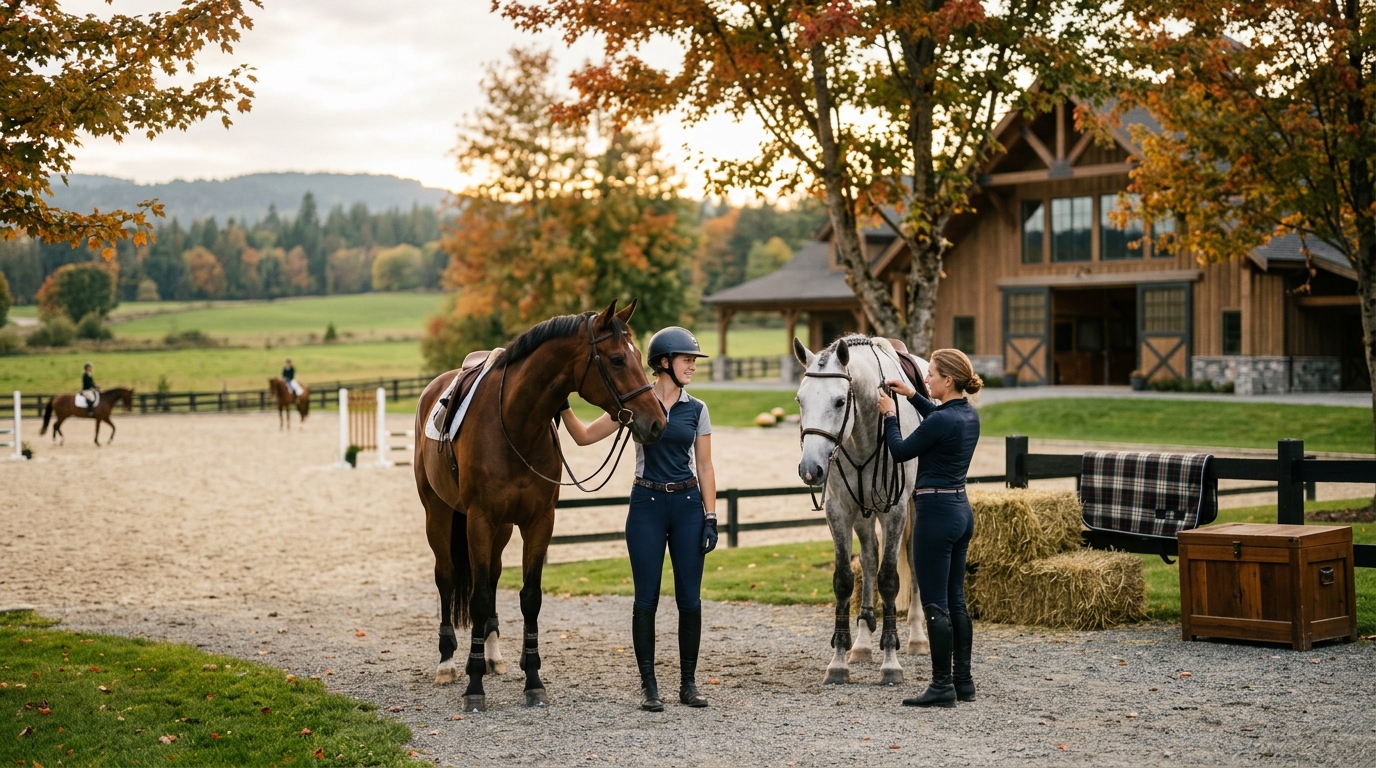
The equestrian community in Canada is vast and deeply rooted in tradition. According to recent industry reports, the Canadian horse industry contributes significantly to the national economy, with millions of dollars flowing through breeding, training, and competition sectors annually. This growth is driven by a diverse community of owners, competitors, and breeders who demand high-quality facilities and expert guidance. Understanding the nuances between different riding styles is essential for anyone looking to invest time and resources into this dynamic field. (Horse Sport)
Dressage vs. Show Jumping: Precision and Power
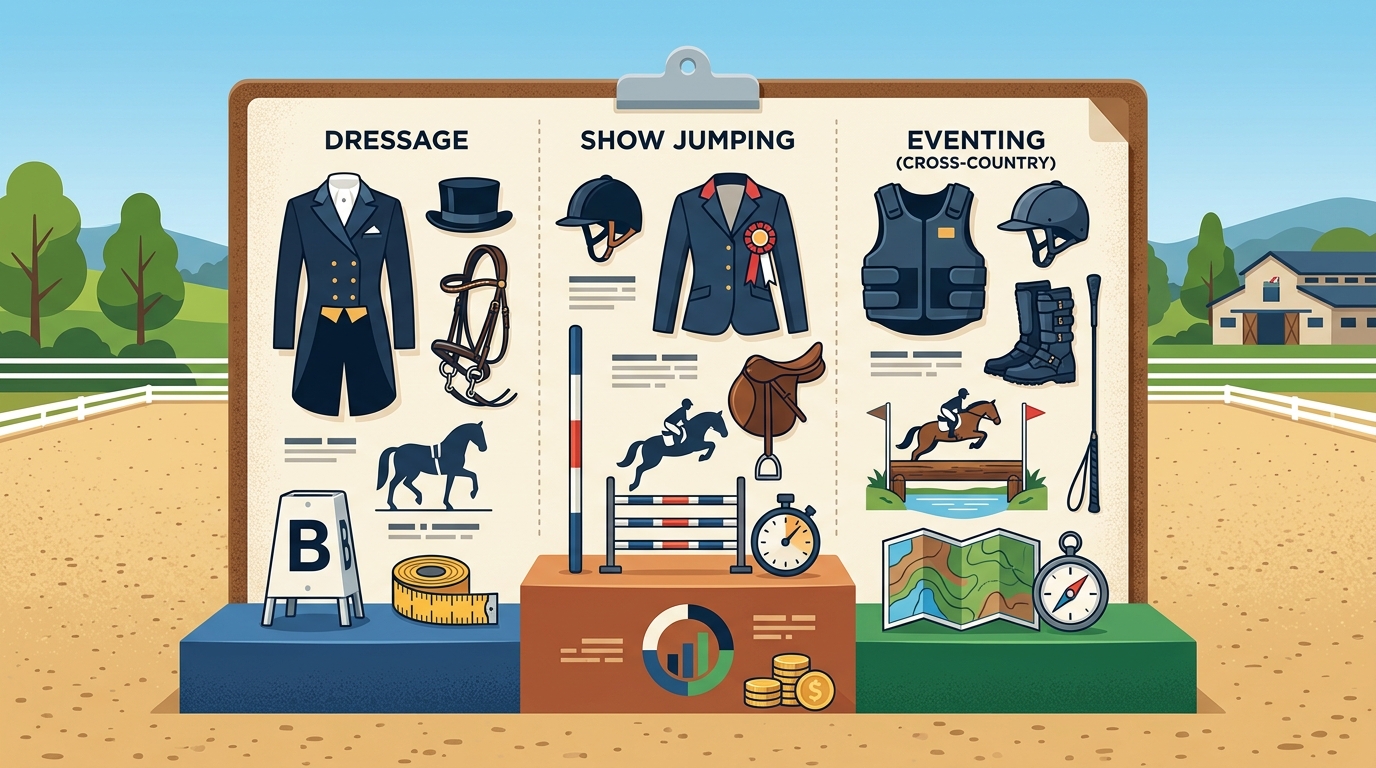
Dressage is often described as horse ballet. It focuses on the harmonious development of the horse's physique and ability. The rider communicates with subtle aids, guiding the horse through a series of predetermined movements. This discipline requires immense patience and technical precision. In contrast, show jumping tests the horse's athleticism and the rider's strategic decision-making. The pair must navigate a course of obstacles within a set time frame.
According to data from major equestrian federations, show jumping remains one of the most popular spectator sports in Canada. The thrill of clearing high fences draws large crowds to events like the MLSJ Grand Prix. Dressage, while less visually explosive, commands respect for its technical difficulty. Both disciplines require specialized tack and equipment, which can be explored in our Tack & Equipment section.
Dressage Focus
Dressage emphasizes control, balance, and elegance. Riders compete at various levels, from introductory to Grand Prix. The scoring is subjective, based on how well the horse performs the required movements. This makes it a deeply personal sport for many competitors.
Show Jumping Focus
Show jumping is objective and fast-paced. Faults are incurred for knocking down rails or exceeding the time limit. Success depends on speed, power, and accuracy. Many riders find the adrenaline of jumping particularly rewarding.
Western Pleasure vs. Hunter: Style and Substance
Western pleasure and hunter disciplines share a common ancestry but have diverged significantly in modern competition. Western pleasure prioritizes a smooth, relaxed gait and a calm demeanor. The horse should appear effortless while performing. Hunter classes, on the other hand, judge the horse's form over fences. The ideal hunter moves with grace and scope, demonstrating the ability to clear obstacles with ease.
The Canadian Stable Directory lists numerous farms offering training in both styles. This reflects the geographic diversity of equestrian interests across the country. From the rolling pastures of Ontario to the open ranges of Alberta, riders can find communities that support their preferred style. For those interested in the business side of these sports, our Business articles provide valuable insights into managing an equestrian operation.
Western Characteristics
Western riding often involves specific breeds like Quarter Horses. The equipment, including saddles and bits, is designed for long hours in the saddle. The culture emphasizes practicality and tradition.
Hunter Characteristics
Hunters are typically Thoroughbreds or Warmbloods. The attire is formal, reflecting the sport's aristocratic roots. The focus is on consistency and style over every fence.
Eventing vs. Endurance: The Ultimate Test
Eventing is known as the triathlon of horse sports. It combines dressage, cross-country, and show jumping. This discipline tests the versatility and bravery of both horse and rider. Endurance riding, meanwhile, focuses on stamina and speed over long distances. Riders must manage their horse's health and energy levels carefully to complete courses that can exceed 100 kilometers.
Recent studies on equine physiology highlight the importance of conditioning in both sports. Eventing requires explosive power and agility, while endurance demands cardiovascular efficiency. Understanding these differences is crucial for selecting the right path. Our Health resources offer detailed advice on maintaining peak physical condition for your horse.
Eventing Challenges
Eventing is physically demanding and carries inherent risks. Safety protocols are strictly enforced at competitions. The mental fortitude required is significant.
Endurance Challenges
Endurance riding requires meticulous planning for vet checks and hydration. The bond between horse and rider is tested over long, grueling miles. It is a sport for the dedicated and the patient.
Therapeutic Riding vs. Pony Club: Community Focus
Therapeutic riding and Pony Club serve different but equally important roles in the equestrian ecosystem. Therapeutic riding uses horseback riding as a tool for physical and mental rehabilitation. It is accessible to individuals with various disabilities. Pony Club, conversely, is a youth organization focused on education, horsemanship, and community service.
Both programs foster a love for horses and promote responsible ownership. They are vital for the future of the sport. Horse Sport supports these initiatives through coverage and community engagement. You can find local Pony Club chapters and therapeutic centers via the Canadian Stable Directory.
Therapeutic Benefits
Therapeutic riding improves balance, coordination, and confidence. It is often used in physical therapy and psychological counseling.
Pony Club Benefits
Pony Club teaches leadership, responsibility, and technical skills. Members earn badges and compete in regional events. It is a comprehensive educational program.
Choosing the Right Discipline for Your Goals
Selecting the right equestrian discipline depends on several factors. These include your personal interests, physical abilities, and financial resources. Some sports require significant investment in specialized horses and equipment. Others are more accessible for beginners. Consider your long-term goals, whether they involve competition, recreation, or therapy.
Our Equine Ownership guides provide practical advice on making informed decisions. Understanding the commitment required for each sport is essential for success. Whether you choose the precision of dressage or the speed of endurance, the journey is rewarding.
Financial Considerations
Costs vary widely between disciplines. Show jumping and eventing often require higher expenses due to travel and equipment. Western pleasure may be more affordable in certain regions.
Time Commitment
Training frequency and competition schedules differ. Eventing requires extensive preparation for multiple phases. Therapeutic riding may have more flexible scheduling.
Key Takeaways
- Dressage emphasizes technical precision and harmony, while show jumping focuses on athleticism and speed.
- Western pleasure prioritizes a relaxed gait, whereas hunters are judged on their form over fences.
- Eventing combines three disciplines, testing versatility, while endurance riding focuses on stamina over long distances.
- Therapeutic riding supports rehabilitation, and Pony Club educates youth in horsemanship.
- The Canadian horse industry contributes millions to the national economy annually.
- Proper tack and equipment are critical for safety and performance in all disciplines.
- Local resources like the Canadian Stable Directory help riders find suitable training and facilities.
Frequently Asked Questions
What is the most popular equestrian discipline in Canada?
Show jumping and western pleasure are among the most popular, with large participation rates across various provinces.
How much does it cost to compete in dressage?
Costs vary by level, but they typically include entry fees, travel, and specialized training. High-level competition can be expensive.
Can beginners try eventing?
Yes, but it requires a strong foundation in dressage and jumping. Beginners should start with introductory clinics.
What is Pony Club?
Pony Club is a youth organization that teaches horsemanship, leadership, and community service through various activities.
How do I find a therapeutic riding center?
You can use the Canadian Stable Directory to search for therapeutic riding programs in your area.
What equipment is needed for western pleasure?
Western saddles, specific bits, and appropriate attire are essential. The tack is designed for comfort and control.
Is endurance riding dangerous?
It carries risks like any sport, but strict vet checks and safety protocols help mitigate these dangers.
Where can I read more about equestrian news?
Horse Sport provides comprehensive coverage of events, profiles, and industry trends across Canada.
Connect With Horse Sport
Whether you are a seasoned competitor or a new rider, Horse Sport is your trusted source for equestrian information. We provide in-depth coverage of events, training tips, and industry news. To learn more about our services or to advertise with us, please visit our Contact Us page. You can also support independent equestrian journalism by donating to our cause. Stay connected with the latest news by subscribing to our newsletter.