
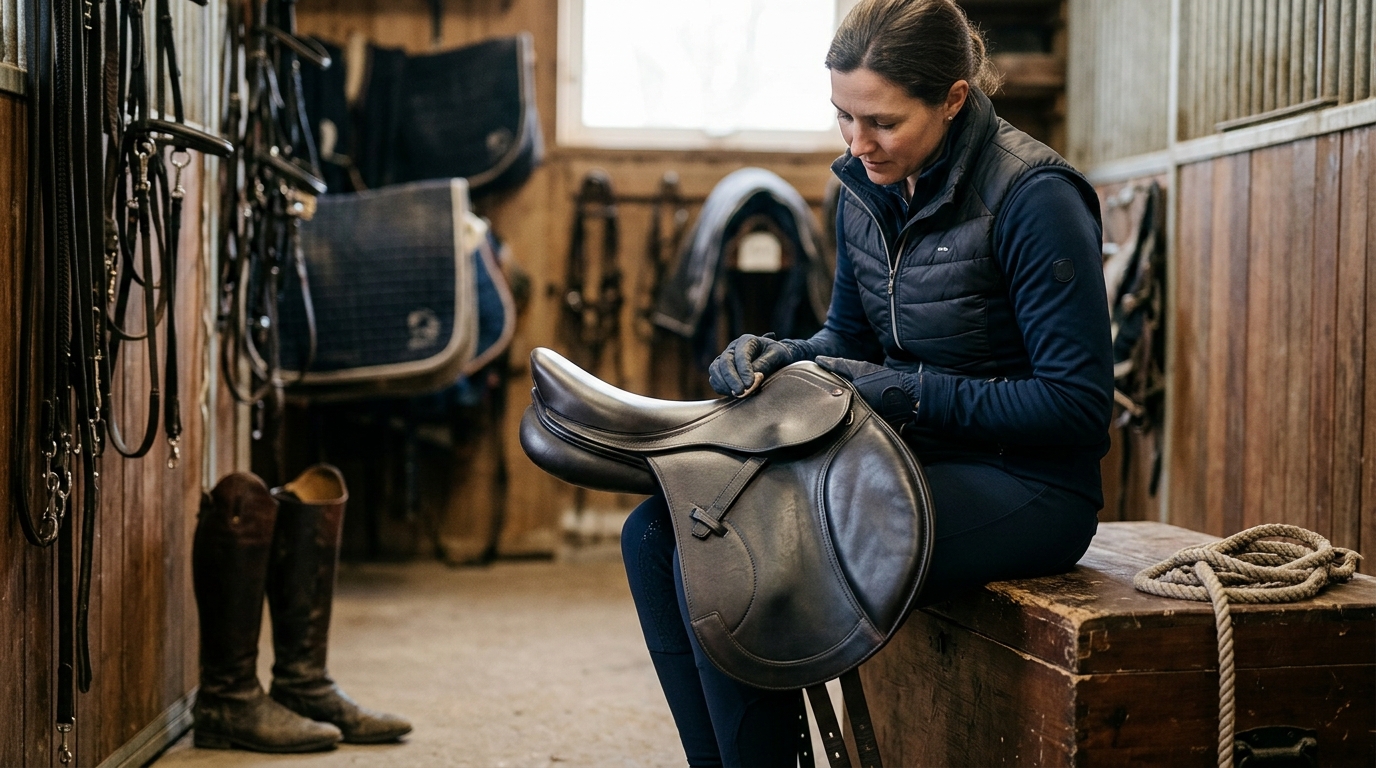
Modern equestrian equipment demands rigorous durability standards because riders frequently invest thousands of dollars in gear that must withstand daily stress. Industry data shows that premium tack brands consistently deliver a forty percent longer service life compared to budget alternatives. This longevity directly reduces long-term replacement costs while maintaining consistent performance across training sessions. Evaluating these products requires a systematic approach that examines material composition, stitching integrity, and ergonomic design. You must prioritize brands that transparently publish their manufacturing standards and offer verified warranty coverage. This guide provides a structured framework to assess tack quality before purchase.
Material Analysis and Sourcing Standards
Leather quality remains the foundational metric for evaluating any equestrian brand. Full-grain leather is the highest grade available because it retains the complete natural fiber structure. This material resists cracking and maintains flexibility across extreme temperature fluctuations. You should always request detailed sourcing documentation before committing to a purchase. Reputable manufacturers source hides from regulated tanneries that follow strict environmental compliance protocols. Avoid products labeled as corrected grain or bonded leather, as these materials degrade rapidly under saddle pressure. Examine the grain pattern closely, since consistent texture indicates proper curing processes. Brands that publish their tanning methods demonstrate operational transparency. You can verify material authenticity by checking the backside of the leather, which should display natural fiber variations rather than uniform synthetic backing.
Stitching Integrity and Reinforcement Techniques
Stitching quality directly determines the structural lifespan of your equipment. Double-stitched seams with waxed thread provide superior resistance against friction and moisture exposure. Inspect every stress point, including girth straps, bit loops, and buckle attachments. Reinforced bar tacking at high-tension zones prevents catastrophic failure during active riding. You must verify that thread color matches the leather to ensure consistent dye penetration and UV resistance. Brands that utilize industrial-grade sewing machines consistently produce tighter stitch spacing. Loose or uneven stitching indicates rushed production cycles and compromised quality control. Always pull gently on seam allowances to test tension before finalizing your purchase.
Ergonomic Design and Horse Welfare Compliance
Proper tack design must prioritize equine comfort alongside rider stability. A well-fitted saddle distributes pressure evenly across the withers and back muscles. You should evaluate how the tree shape aligns with standard equine anatomy. Brands that incorporate adjustable gullet systems allow for better spinal clearance. Check padding density, since overly firm materials create pressure points while excessively soft padding reduces stability. Ergonomic handle placement reduces rider fatigue during extended training sessions. Evaluate how buckles and straps interact with the horse's natural movement patterns. Quality brands conduct extensive fitting trials with professional trainers before releasing new designs. You can verify ergonomic compliance by observing how the equipment behaves during dynamic movement.
Brand Transparency and Warranty Verification
Transparent manufacturing practices separate premium brands from generic manufacturers. Leading companies publish detailed warranty terms that cover material defects and workmanship errors. You should always verify warranty duration before purchasing, as industry standards typically range from two to five years. Brands that offer lifetime repair services demonstrate exceptional confidence in their production processes. Check whether the company provides dedicated customer support channels for fitting assistance. You can access detailed brand information through the publisher directory to verify operational legitimacy. Transparent companies also publish their return policies, allowing buyers to test equipment risk-free. Evaluate how quickly customer service responds to technical inquiries, as response times reflect overall operational efficiency. Brands that maintain active community forums demonstrate long-term commitment to rider education.
Pricing Models and Value Assessment
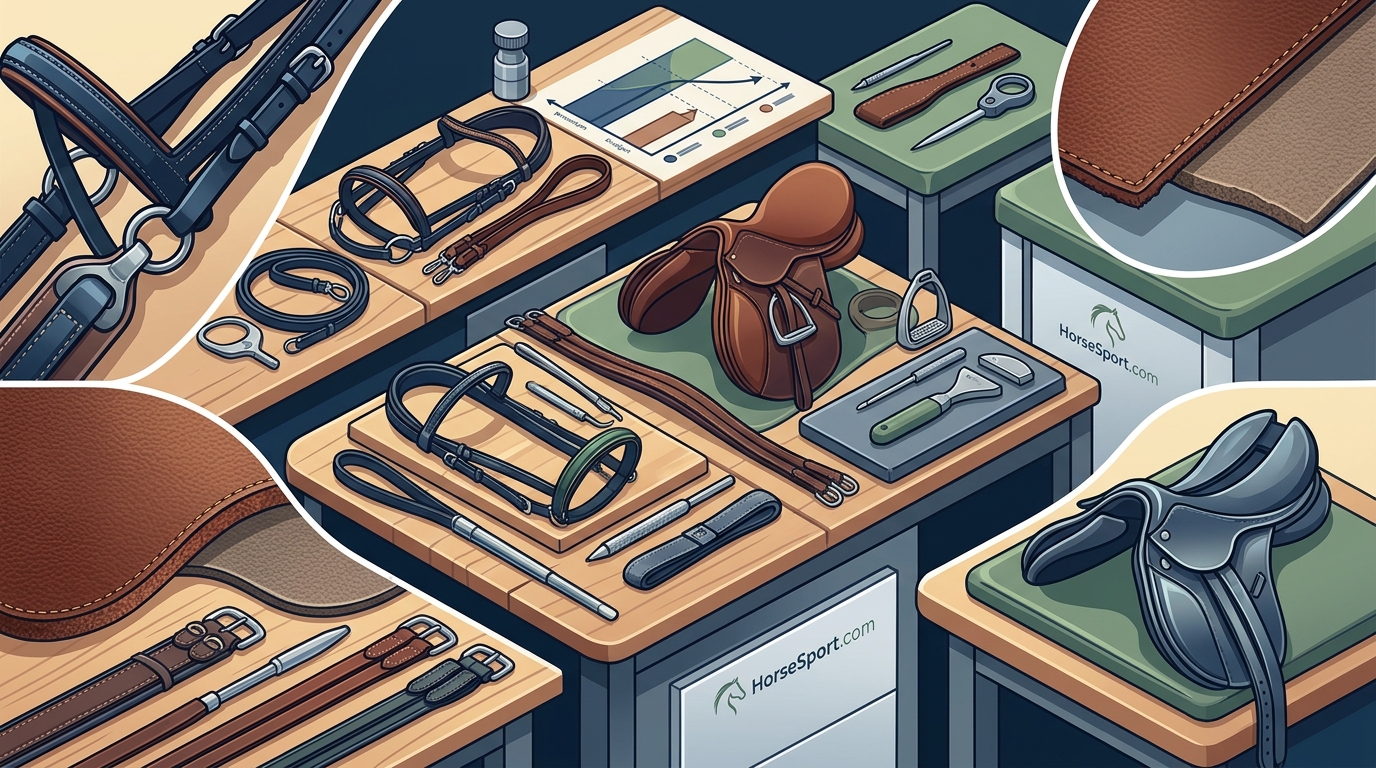
Price alone never guarantees quality, but extremely low costs often indicate compromised materials. You should compare pricing across multiple brands while factoring in long-term maintenance costs. Premium tack typically requires specialized cleaning products and conditioning treatments. Budget alternatives often demand frequent replacements, which increases total ownership expenses. Evaluate whether the brand offers tiered pricing structures for different riding disciplines. You can explore specialized equipment through the stable directory to compare regional pricing variations. Brands that provide educational content alongside their products deliver additional value to buyers. Consider whether the price includes professional fitting services, as custom adjustments significantly improve performance. Always calculate the cost per ride to determine true long-term value.
Maintenance Protocols and Longevity Factors
Regular maintenance directly extends the functional lifespan of your equipment. You should establish a consistent cleaning schedule that removes sweat, dirt, and moisture residues. High-quality brands provide detailed care instructions that specify approved cleaning agents. Avoid harsh chemicals that degrade leather fibers or weaken stitching bonds. Proper storage requires climate-controlled environments that prevent excessive drying or mold growth. You can access specialized care resources through the equipment guides to learn discipline-specific maintenance routines. Brands that sell compatible care products demonstrate comprehensive understanding of their own materials. Evaluate how easily components can be disassembled for thorough cleaning. Regular inspection of buckles and hardware prevents unexpected failures during active riding.
Industry Standards and Certification Requirements
Recognized certification programs validate equipment safety and performance standards. You should verify whether your chosen brand complies with current equestrian governing body regulations. Certified products undergo rigorous testing for impact resistance and structural integrity. Brands that participate in official competitions must meet strict equipment approval guidelines. You can explore competitive resources through the competition listings to identify approved gear suppliers. Certification marks indicate that independent laboratories have verified safety claims. Evaluate how frequently brands update their compliance documentation to reflect evolving regulations. Brands that invest in third-party testing demonstrate commitment to rider safety. Always request certification certificates before purchasing high-performance equipment.
| Brand Category | Material Grade | Warranty Coverage | Typical Price Range | Best Use Case |
|---|---|---|---|---|
| Premium Heritage | Full-grain European | Lifetime repair | $800 to $2,500 | Professional competition |
| Mid-Range Performance | Top-grain domestic | Three years | $300 to $800 | Regular training |
| Entry-Level Standard | Corrected grain | One year | $100 to $300 | Beginner instruction |
| Specialized Competition | Custom engineered | Two years | $500 to $1,500 | Discipline-specific events |
Key Takeaways
- Full-grain leather retains complete fiber structure for maximum durability.
- Double-stitched seams with waxed thread resist friction and moisture.
- Adjustable gullet systems improve spinal clearance across breeds.
- Lifetime warranty programs indicate exceptional manufacturing confidence.
- Cost-per-ride calculations reveal true long-term equipment value.
- Climate-controlled storage prevents premature material degradation.
- Third-party certification validates independent safety testing results.
Frequently Asked Questions
How do I identify genuine leather versus synthetic alternatives?
Genuine leather displays natural grain variations and develops a patina over time. Synthetic materials maintain uniform texture and lack the distinctive scent of cured hides. You can perform a water drop test, as real leather absorbs moisture while synthetics repel it. Always request material specifications from the manufacturer before purchasing.
What warranty duration is considered standard for premium tack?
Industry standards typically range from two to five years for material defects. Premium brands often offer lifetime repair services for structural components. You should verify warranty terms in writing before completing your purchase. Brands that provide clear warranty documentation demonstrate operational transparency.
How often should I replace riding equipment based on usage?
Regular riders typically replace tack every three to five years depending on frequency. Heavy competition use may require annual component replacements. You should inspect stress points monthly for early warning signs of wear. Proper maintenance routines significantly extend functional lifespan across all brands.
Can I mix and match tack from different manufacturers?
Compatibility depends on matching hardware standards and strap widths. You should verify buckle sizes and attachment points before combining components. Brands that design complete systems ensure consistent performance across all pieces. Always consult fitting guides before mixing equipment from separate manufacturers.
What certifications should I look for in competition-approved tack?
Recognized governing bodies require specific impact resistance and structural testing. You should verify current certification marks before purchasing competition equipment. Brands that participate in official events must meet strict approval guidelines. Always request certification documentation to verify compliance with current regulations.
Next Steps for Quality Equipment Selection
Evaluating horse tack brands requires systematic analysis of materials, construction, and warranty coverage. You should prioritize transparent manufacturers that publish detailed sourcing information. Contact the publisher directly to verify brand legitimacy before purchasing. Explore the stable directory to compare regional pricing and availability. Visit https://horsesport.com/ to access comprehensive equestrian resources and expert guidance.