
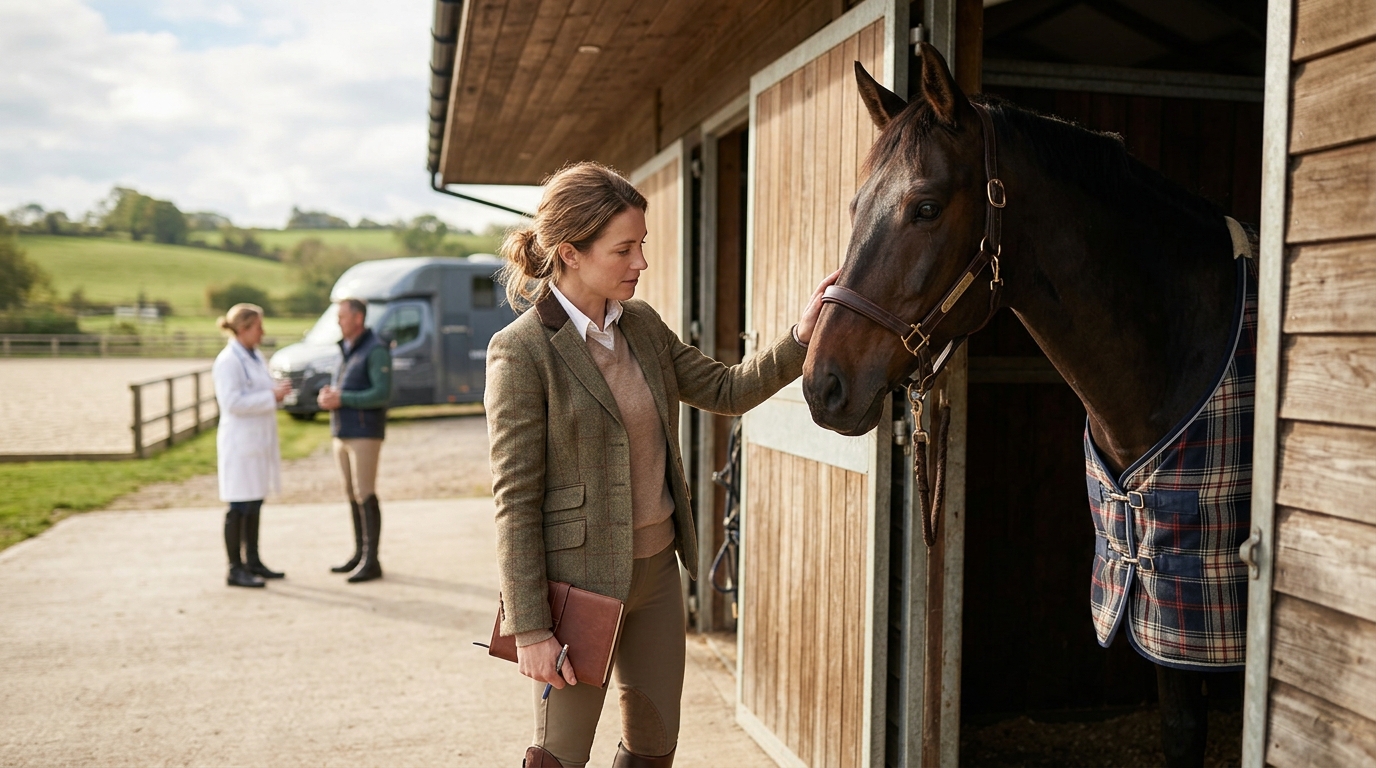
Purchasing a horse represents a significant financial and emotional commitment that extends far beyond the initial transaction. Industry data indicates that roughly thirty percent of first-time equine acquisitions require immediate veterinary intervention within the first ninety days. This reality underscores why prospective buyers must prioritize comprehensive health evaluations, realistic budget planning, and precise discipline matching before signing any purchase agreement. A methodical approach prevents costly surprises and establishes a foundation for long-term success.
Health Screening and Veterinary Due Diligence
Pre-purchase veterinary examinations remain the most critical step in the acquisition process. A thorough physical assessment identifies underlying conditions that are not visible during casual observation. Pre-purchase examination is a comprehensive diagnostic protocol that evaluates respiratory function, joint mobility, dental alignment, and cardiovascular health. Buyers should always retain an independent veterinarian to conduct these evaluations without seller interference. The results directly dictate negotiation leverage and potential post-purchase care requirements. Consulting the Health section on Horse Sport provides additional guidance on standard equine diagnostic protocols.
Discipline Alignment and Skill Matching
Matching a horse to the correct discipline prevents performance bottlenecks and reduces injury risk. A horse bred for endurance racing possesses entirely different biomechanics than one developed for dressage. Discipline matching is the strategic process of aligning equine conformation, training background, and athletic temperament with the buyer's specific competitive or recreational goals. Reviewing the Canadian Stable Directory helps buyers locate facilities that specialize in their target riding style. Misalignment between horse capability and rider ambition frequently leads to premature retirement or behavioral regression.
Financial Planning and Ongoing Expense Management
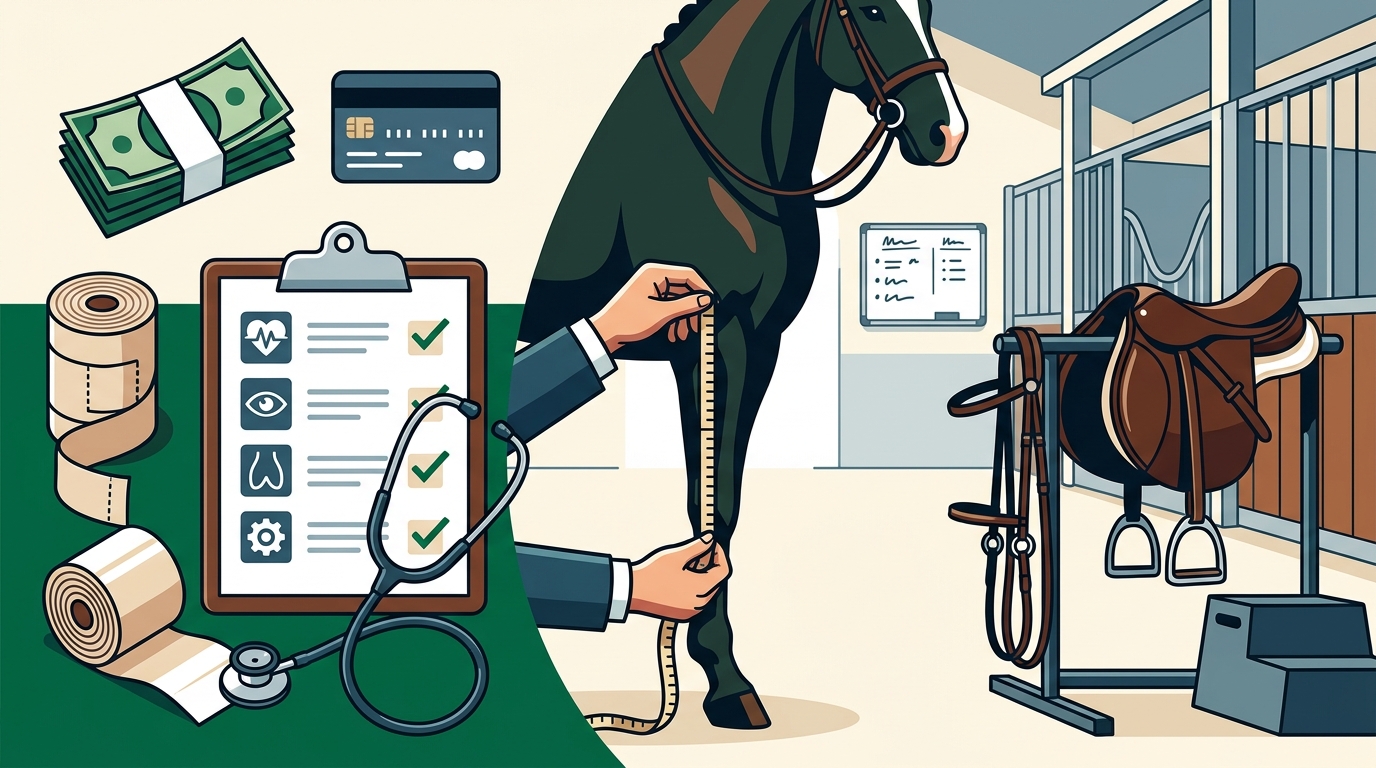
Acquisition costs represent only the initial portion of the total financial commitment. Prospective owners must calculate recurring expenses including feed, farrier services, veterinary care, and facility boarding. Equine ownership is the long-term financial obligation that encompasses daily nutrition, routine maintenance, and unexpected medical interventions. Creating a detailed annual budget prevents cash flow crises during the first year of ownership. The Business category on Horse Sport outlines standard operational costs for Canadian equestrian facilities. Buyers should also explore the Shop for essential tack and equipment that may be required for immediate training.
Temperament Assessment and Behavioral History
Behavioral consistency directly impacts safety and training efficiency. A horse with a documented history of spooking, kicking, or biting requires specialized handling protocols. Behavioral history is the documented record of an animal's reactions to environmental stimuli, handling procedures, and training methodologies. Buyers must request written references from previous trainers and riders. The EquiTermz glossary clarifies industry-standard behavioral terminology used in sales contracts. Understanding these patterns prevents dangerous mismatches between horse disposition and rider experience level.
Facility Requirements and Pasture Management
Existing infrastructure must support the specific needs of the acquired animal. Horses require adequate shelter, secure fencing, and appropriate grazing land to maintain musculoskeletal health. Pasture management is the systematic practice of maintaining soil quality, plant diversity, and drainage systems to support optimal equine nutrition. Prospective buyers should inspect the Farm of the Week features to understand industry benchmarks for Canadian equestrian properties. Inadequate facility conditions directly correlate with increased laminitis risk and digestive complications.
Purchase Agreement and Legal Protections
Written contracts protect both parties and establish clear expectations regarding warranty conditions and return policies. Verbal agreements create significant legal vulnerabilities during post-sale disputes. Purchase contract is the legally binding document that outlines payment schedules, veterinary contingencies, and liability transfer dates. Buyers should always engage an equine attorney to review transaction terms before transferring funds. The Donate page supports independent equestrian journalism that frequently covers legal updates in the equine industry. Securing proper documentation ensures smooth ownership transfer and minimizes future litigation risks.
Comparative Acquisition Options
| Acquisition Method | Primary Advantage | Primary Risk Factor | Recommended Resource |
|---|---|---|---|
| Private Treaty Sale | Direct negotiation with seller | Limited third-party oversight | Canadian Stable Directory |
| Public Auction | Transparent bidding environment | Reduced inspection time | Health Section |
| Broker Facilitated | Professional vetting coordination | Additional commission fees | Business Category |
| Lease-to-Own | Extended evaluation period | Complex contract obligations | EquiTermz Glossary |
Key Takeaways
- Pre-purchase veterinary examinations identify hidden conditions in thirty percent of first-time acquisitions.
- Discipline matching prevents biomechanical mismatches and reduces long-term injury probability.
- Annual operational budgets must account for feed, farrier services, and routine veterinary care.
- Behavioral history documentation prevents dangerous mismatches between disposition and rider experience.
- Pasture management directly influences musculoskeletal health and digestive efficiency.
- Written purchase contracts establish clear warranty conditions and liability transfer dates.
- Independent equine legal counsel minimizes transaction vulnerabilities during ownership transfer.
Frequently Asked Questions
How long should a pre-purchase veterinary examination take?
A comprehensive pre-purchase examination typically requires two to three hours to complete all diagnostic procedures. The veterinarian will perform blood work, imaging, and physical assessments to establish a complete health baseline. Buyers should schedule these evaluations at least two weeks before the planned transaction date.
What documents should I request before finalizing a horse purchase?
Prospective buyers must request vaccination records, deworming schedules, farrier logs, and competition history if applicable. These documents provide verifiable proof of routine care and athletic development. The Online Exclusives archive frequently publishes detailed checklists for prospective equine owners.
Can I return a horse if health issues emerge after purchase?
Return policies depend entirely on the specific contingencies outlined in the written purchase contract. Most standard agreements include a fourteen-day veterinary review window for major health disclosures. Buyers should never waive these contingencies without explicit legal consultation.
How do I calculate the true annual cost of horse ownership?
Annual ownership costs typically range from eight thousand to fifteen thousand dollars depending on facility type and geographic location. These figures encompass boarding, feed, farrier services, insurance, and routine veterinary care. The Business category provides detailed breakdowns for Canadian equestrian operations.
What riding experience level is required for a first-time horse purchase?
First-time buyers should target horses with at least three years of consistent training under qualified instructors. These animals demonstrate predictable behavior and reliable response to standard riding cues. The Canadian Stable Directory allows buyers to filter facilities by riding style and experience level.
Is professional broker assistance necessary for private sales?
Broker assistance is optional but highly recommended for buyers lacking equine transaction experience. Professionals coordinate veterinary evaluations, negotiate terms, and ensure proper documentation transfer. The EquiTermz glossary clarifies industry-standard terminology used in broker agreements.
Next Steps for Equine Acquisition
Securing the right horse requires methodical planning, comprehensive veterinary evaluation, and precise discipline alignment. Prospective buyers should schedule independent veterinary examinations, review facility infrastructure, and draft detailed purchase contracts before transferring funds. Visit the Horse Sport homepage to access comprehensive guides, stable directories, and expert advice for your next equine acquisition.