
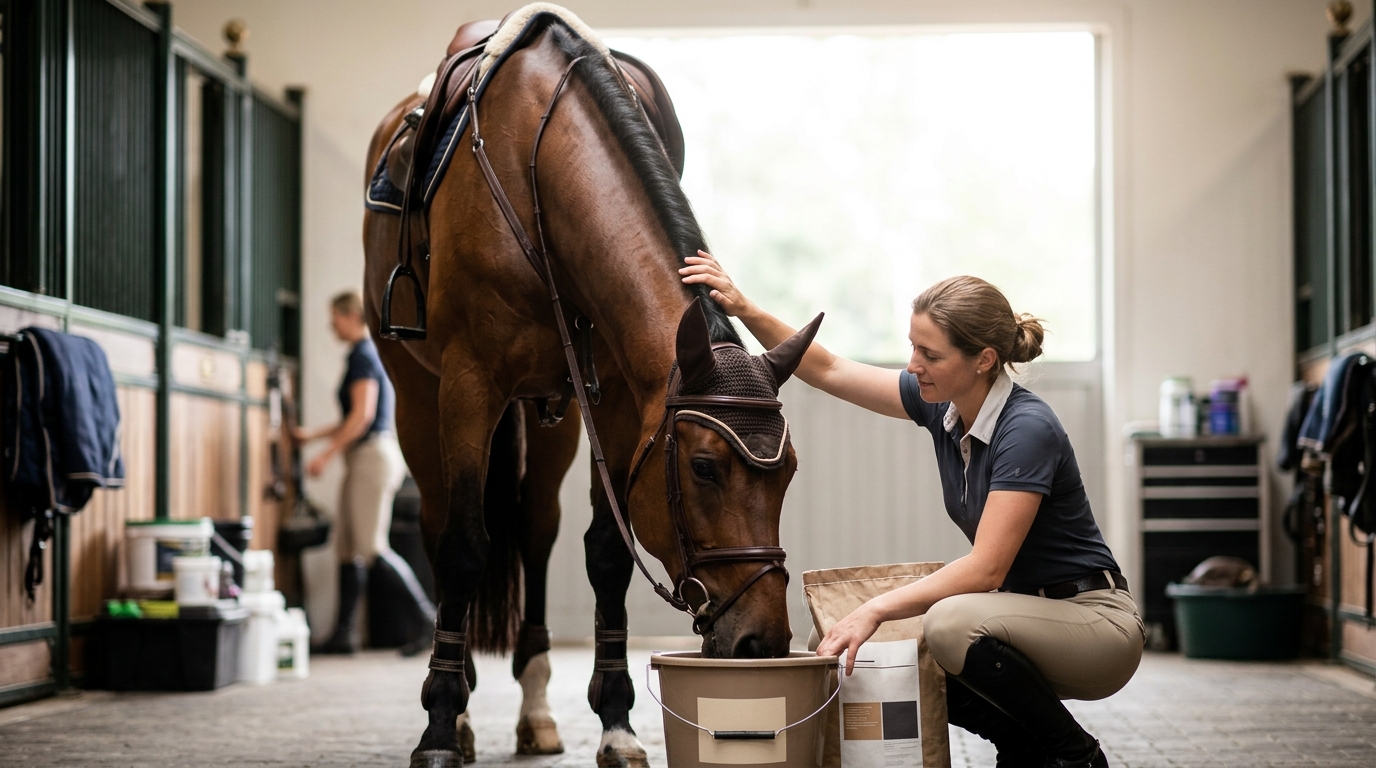
High-performance equine athletes demand a nutritional strategy that goes far beyond basic hay and grain. For the competitive horse, nutrition is a critical component of athletic longevity, recovery, and peak output. Recent industry analysis indicates that equine metabolic health directly correlates with competitive consistency, with elite athletes requiring precise macronutrient balancing to sustain energy levels during intense training cycles. This guide explores the scientific foundations of feeding performance horses, drawing on decades of equestrian expertise to help you optimize your horse's diet. (Quiz 8211 Horse Sport)
Understanding Energy Systems
To feed a high-performance horse effectively, you must first understand how their body generates energy. Equine nutrition is not one-size-fits-all; it varies significantly based on the discipline. Thoroughbred racing relies on anaerobic energy systems, requiring rapid glucose release. In contrast, dressage and show jumping depend heavily on aerobic capacity, which is fueled by long-chain fatty acids and stable blood sugar levels.
Forage is the primary source of these fatty acids. The digestive system of the horse is designed for continuous forage intake. When this natural rhythm is disrupted by high-grain diets, the risk of gastric ulcers and colic increases dramatically. According to veterinary studies, equine gastric ulcer syndrome affects up to 90% of performance horses, often linked to inadequate forage intake relative to energy demands.
The Role of Starch vs. Fat
Traditional feeding models relied heavily on starch from grains like oats and barley. However, modern equine science favors fat as a safer, more sustained energy source. Fat provides more than twice the calories per gram compared to carbohydrates, without the insulin spikes that can lead to behavioral issues or metabolic stress. This shift in understanding has revolutionized how we approach equine nutrition for athletes.
The Forage Foundation
Forage remains the cornerstone of any high-performance diet. It provides the necessary fiber to maintain gut motility and produce volatile fatty acids, which serve as a primary energy source for the horse. Forage is the primary dietary component that supports gastrointestinal health and microbial balance.
When selecting forage for a performance horse, consider the following factors:
- Protein Content: Look for forages with 10-12% crude protein for maintenance, but higher levels (14-16%) may be needed for intense training.
- Acid Detergent Fiber (ADF): Lower ADF indicates higher digestibility, allowing the horse to extract more nutrients from less volume.
- Leaf-to-Stem Ratio: A higher leaf ratio means more vitamins and minerals, particularly Vitamin A and E.
At Horse Sport, we emphasize the importance of local forage analysis. Soil composition in your region directly impacts the mineral profile of your hay. Understanding your local pasture management can ensure your horses receive consistent nutrition throughout the season.
Supplement Strategies
Even with high-quality forage, high-performance horses often require targeted supplementation to meet their elevated nutrient demands. The goal is to fill gaps, not replace the base diet. Supplementation is the strategic addition of nutrients to address specific physiological deficits in athletic horses.
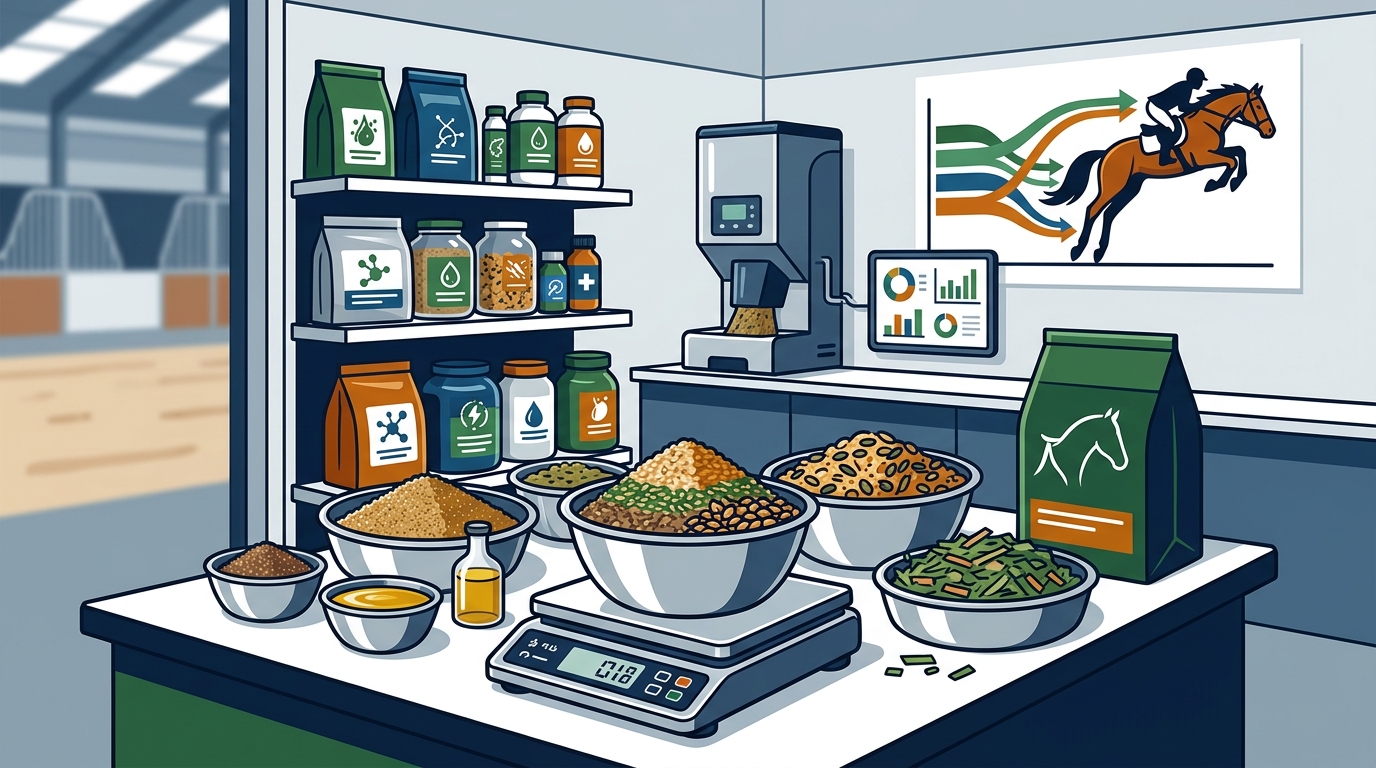
Essential Vitamins and Minerals
Electrolytes are critical for horses working in heat or undergoing heavy sweating. Sodium, chloride, and potassium must be replaced to prevent dehydration and muscle cramping. Additionally, trace minerals like zinc and copper are vital for hoof integrity and joint health. Research from equine nutrition journals suggests that bioavailable forms of minerals are absorbed more efficiently than inorganic salts.
Joint and Tendon Support
Performance horses place immense stress on their joints and tendons. Glucosamine, chondroitin sulfate, and hyaluronic acid are common ingredients in joint supplements. While oral absorption rates vary, consistent daily administration is key to maintaining synovial fluid quality. For tendon support, amino acids like glycine and proline are building blocks for collagen synthesis.
Probiotics and Prebiotics
The hindgut microbiome is sensitive to dietary changes and stress. Probiotics introduce beneficial bacteria, while prebiotics provide food for these microbes. This synergy helps maintain a stable pH level, reducing the risk of acidosis and laminitis. Nutrition articles from leading equestrian publications often highlight the role of gut health in overall athletic performance.
Hydration and Electrolytes
Water is the most critical nutrient. A horse can survive weeks without food but only days without water. Dehydration reduces blood volume, impairing oxygen delivery to muscles and increasing the risk of colic. Hydration is the physiological process of maintaining fluid balance essential for thermoregulation and nutrient transport.
During intense exercise, horses can lose up to 10 liters of sweat per hour. This loss includes not just water but vital electrolytes. Simply providing fresh water is often insufficient during competition or hot weather. Electrolyte pastes or powders should be administered to replace sodium and chloride losses.
Ensure your horse has access to clean, fresh water at all times. Check water sources daily for cleanliness and temperature. Cold water can be less palatable, leading to reduced intake. Adding a small amount of molasses or apple juice can encourage drinking in reluctant horses.
Optimizing Feeding Schedules
How you feed is as important as what you feed. The horse's stomach is small and produces acid continuously. Large, infrequent meals lead to acid overflow into the esophagus, causing ulcers. Feeding frequency is a management practice designed to mimic natural grazing and prevent gastric distress.
The 50% Rule
Aim to provide at least 50% of the horse's daily grain intake in the morning and 50% in the evening. This ensures a steady supply of nutrients and buffers stomach acid throughout the day. Use slow-feed hay nets to extend forage consumption time, promoting natural chewing and saliva production.
Pre- and Post-Workout Feeding
Avoid feeding high-starch meals immediately before or after intense exercise. Digestion is diverted away from the gut during exercise, increasing the risk of colic. Allow at least two hours after feeding before working a horse, and wait an hour after exercise before offering a full meal. Small, easily digestible snacks can be offered post-workout to aid recovery.
Transitioning Diets
Any change in diet should be made gradually over 7-10 days. Sudden changes disrupt the hindgut microbiome, leading to colic or laminitis. Increase the new feed by 25% each day while decreasing the old feed. This slow transition allows the microbial population to adapt to the new substrate.
Key Takeaways
- Forage First: High-quality forage should constitute the majority of the diet to support gut health and provide sustained energy.
- Fat over Starch: Utilize fat sources for energy to avoid insulin spikes and reduce the risk of gastric ulcers.
- Targeted Supplementation: Use supplements to address specific needs like joint health, electrolyte balance, and gut support.
- Hydration is Critical: Monitor water intake closely, especially during competition and hot weather, and replace electrolytes.
- Feed Frequently: Split grain rations into multiple small meals to maintain stable blood sugar and buffer stomach acid.
- Gradual Transitions: Always change diets slowly over 7-10 days to protect the hindgut microbiome.
- Local Expertise: Consult with local equine nutritionists and utilize resources from Horse Sport for region-specific advice.
Frequently Asked Questions
How much forage should a high-performance horse eat?
Generally, a horse should consume 1.5% to 2.5% of its body weight in forage daily. For a 1,000-pound horse, this equals 15 to 25 pounds of hay or pasture. Adjust based on workload and body condition.
Can I feed my performance horse only hay?
While possible for light work, high-performance horses often require additional caloric density from grains or fat supplements to meet their energy demands. Consult a nutritionist to determine if a hay-only diet is sufficient for your horse's discipline.
What are the signs of gastric ulcers in horses?
Common signs include poor performance, behavioral changes, weight loss, and poor coat condition. Diagnosis is typically confirmed via endoscopy. Prevention involves high forage intake and managing stress.
How do I choose the right electrolyte supplement?
Look for supplements that contain sodium, chloride, and potassium in balanced ratios. Avoid products with excessive sugar or artificial flavors. Equine health resources recommend choosing brands with transparent ingredient lists.
Is it safe to feed grain before competition?
Feeding large grain meals immediately before competition is unsafe due to the risk of colic and laminitis. Feed grain at least two hours before work, or use easily digestible fat-based supplements for quick energy.
How often should I change my horse's diet?
Diets should be changed gradually over 7-10 days. Frequent changes can disrupt gut health. Once a diet is established, maintain it consistently unless a specific health or performance issue requires adjustment.
Where can I find more equine nutrition advice?
Visit Horse Sport's nutrition section for expert articles, or consult with a certified equine nutritionist for personalized advice tailored to your horse's needs.
Contact Horse Sport
Optimizing your high-performance horse's nutrition is a continuous process that requires attention to detail and expert guidance. Whether you are preparing for a Grand Prix or managing a daily training regimen, the right nutritional strategy can make all the difference. For more insights, resources, and community support, explore the Horse Sport platform. Connect with us to stay informed on the latest in equestrian science and competition news.