
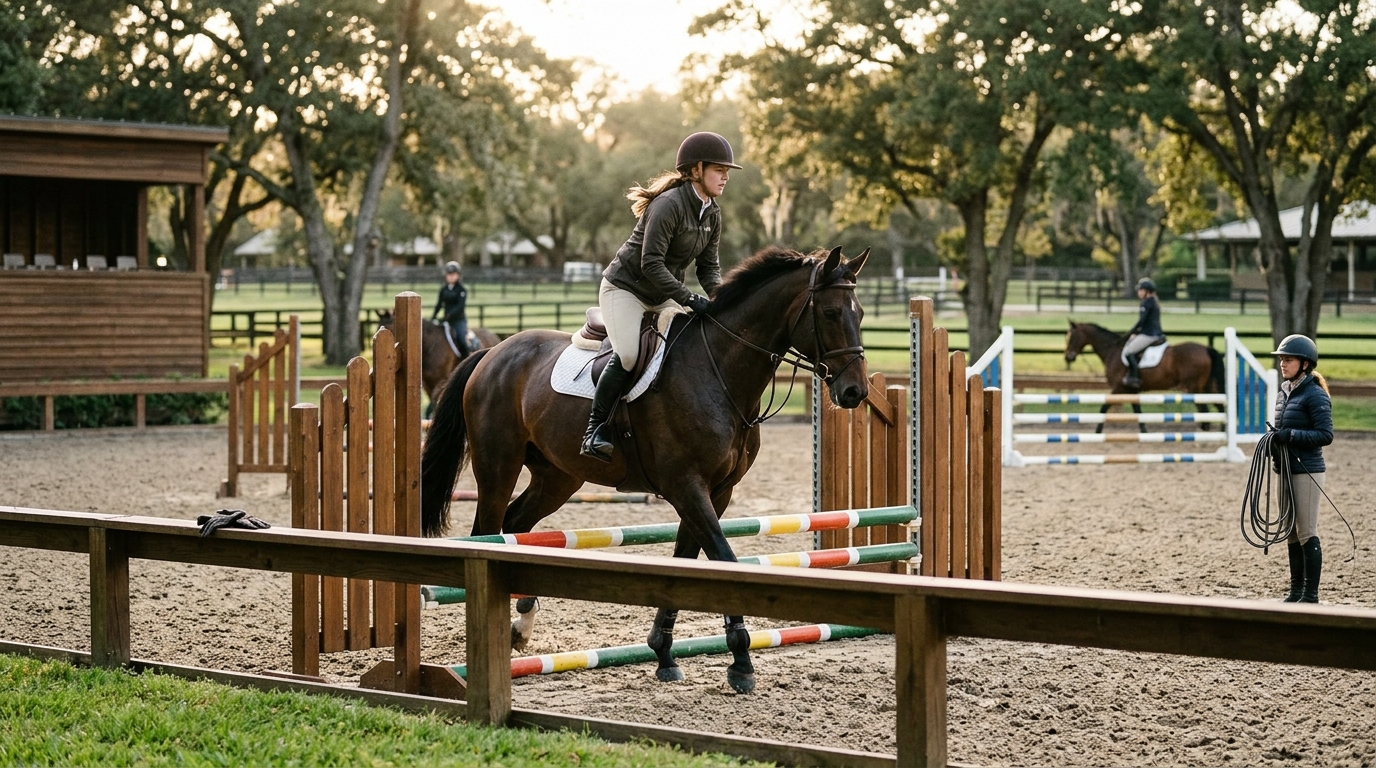
Show jumping is a discipline defined by precision, rhythm, and the seamless partnership between horse and rider. Recent industry analysis indicates that consistent, structured training can reduce round errors by up to 30% in competitive circuits. This statistic highlights the critical importance of moving beyond basic riding skills to master the technical nuances of the sport. Whether you are preparing for a local hunter/jumper show or aiming for the FEI World Rankings, the foundation of success lies in disciplined, repeatable training protocols.
Understanding Rollbacks and Direction Changes
One of the most effective training techniques for show jumping involves mastering the rollback. A rollback is a tight, immediate turn that tests a rider's ability to maintain a horse's rhythm and balance while changing direction. This maneuver is essential for shaving precious time off a showjumping round, particularly in speed and agility classes.
To train effectively, riders should focus on the inside leg to outside rein aid. This ensures the horse remains responsive and engaged through the turn. Consistency in the turn is more important than speed. If the horse loses balance during the rollback, the subsequent jump will likely suffer from poor takeoff distance or awkward angles.
For more insights on advanced jumping lessons, explore our Jumping Lessons: Rocking the Rollbacks guide. This resource provides detailed breakdowns of how to execute these turns without disrupting the horse's forward momentum.
Building Rhythm and Balance
Rhythm is the heartbeat of show jumping. Without a steady, predictable tempo, horses cannot judge distances accurately. Training exercises should prioritize maintaining a consistent gait, whether walking, trotting, or cantering. This consistency allows the horse to anticipate the rider's aids and the upcoming fence.
Respiratory support is another critical component of building balance. A horse that is struggling to breathe will struggle to maintain the energy required for a clear round. Focus on exercises that encourage natural breathing patterns during heavy work. This includes allowing the horse to stretch its neck and relax its jaw over long, low lines.
For a deeper dive into this topic, read our article on When Breathing Becomes Part of the Ride. This piece explores how respiratory health directly impacts performance in the arena.
Optimizing Farm Management for Performance
Training does not stop at the arena gate. The health and behavior of your horse are heavily influenced by farm management practices. Carefully managing your pastures' soil and plants from the ground up can ensure your horses keep grazing happily all summer long. A well-managed pasture provides essential nutrients that support muscle recovery and overall vitality.
Additionally, understanding feeding behavior is crucial. A recent study looked at integrating ways to encourage more natural 'grazing' situations in stalled horses to improve digestive health. Horses that are allowed to graze for longer periods exhibit less stress and better focus during training sessions.
Explore our Science of Pasture Management article to learn how soil health impacts equine nutrition. You can also find detailed information on stable services and boarding options in our Canadian Stable Directory.
Comparing Training Methodologies
Different horses respond to different training stimuli. Below is a comparison of common training approaches used in show jumping.
| Methodology | Focus Area | Best For | Key Benefit |
|---|---|---|---|
| Rollback Training | Agility and Speed | Advanced Competitors | Improves tight turn balance |
| Respiratory Conditioning | Endurance and Stamina | High-Intensity Courses | Enhances oxygen efficiency |
| Natural Grazing | Digestive Health | All Levels | Reduces stress and colic risk |
| Pasture Management | Nutritional Quality | Farm Owners | Optimizes forage value |
Key Takeaways
- Rollbacks are critical: Mastering tight turns improves agility and reduces round times significantly.
- Rhythm dictates accuracy: A consistent tempo allows horses to judge distances more effectively.
- Respiratory health matters: Proper breathing support is essential for maintaining energy during heavy work.
- Pasture quality impacts performance: Well-managed pastures provide superior nutrition for recovery.
- Natural grazing reduces stress: Encouraging natural feeding behaviors improves digestive health and focus.
- Training is holistic: Success requires attention to both arena skills and farm management.
- Continuous learning is key: Stay updated with the latest equestrian journalism and training insights.
Frequently Asked Questions
How often should I practice rollbacks?
Rollbacks should be incorporated into every training session, starting with wide turns and gradually tightening them as the horse gains confidence and balance.
What is the best way to improve horse rhythm?
Use consistent aids and maintain a steady tempo. Avoid rushing the horse, as this disrupts their natural balance and can lead to jumping errors.
How does pasture management affect show jumping?
High-quality forage supports muscle recovery and overall health. Poor pasture management can lead to nutritional deficiencies that impact performance.
Why is respiratory support important in training?
Respiratory support ensures the horse can maintain the oxygen levels needed for high-intensity work, preventing fatigue and maintaining focus.
Where can I find stable services in Canada?
You can browse our Canadian Stable Directory to find boarding, training, and breeding services near you.
How can I contact Horse Sport for more information?
Visit our Contact Us page to reach our publisher or managing editor directly.
Contact Horse Sport
Ready to elevate your show jumping training? Connect with the leading voice in Canadian equestrian competition. Visit our Contact Us page to learn more about our services, advertising opportunities, and editorial insights. For more training tips and industry news, explore our Training section.