
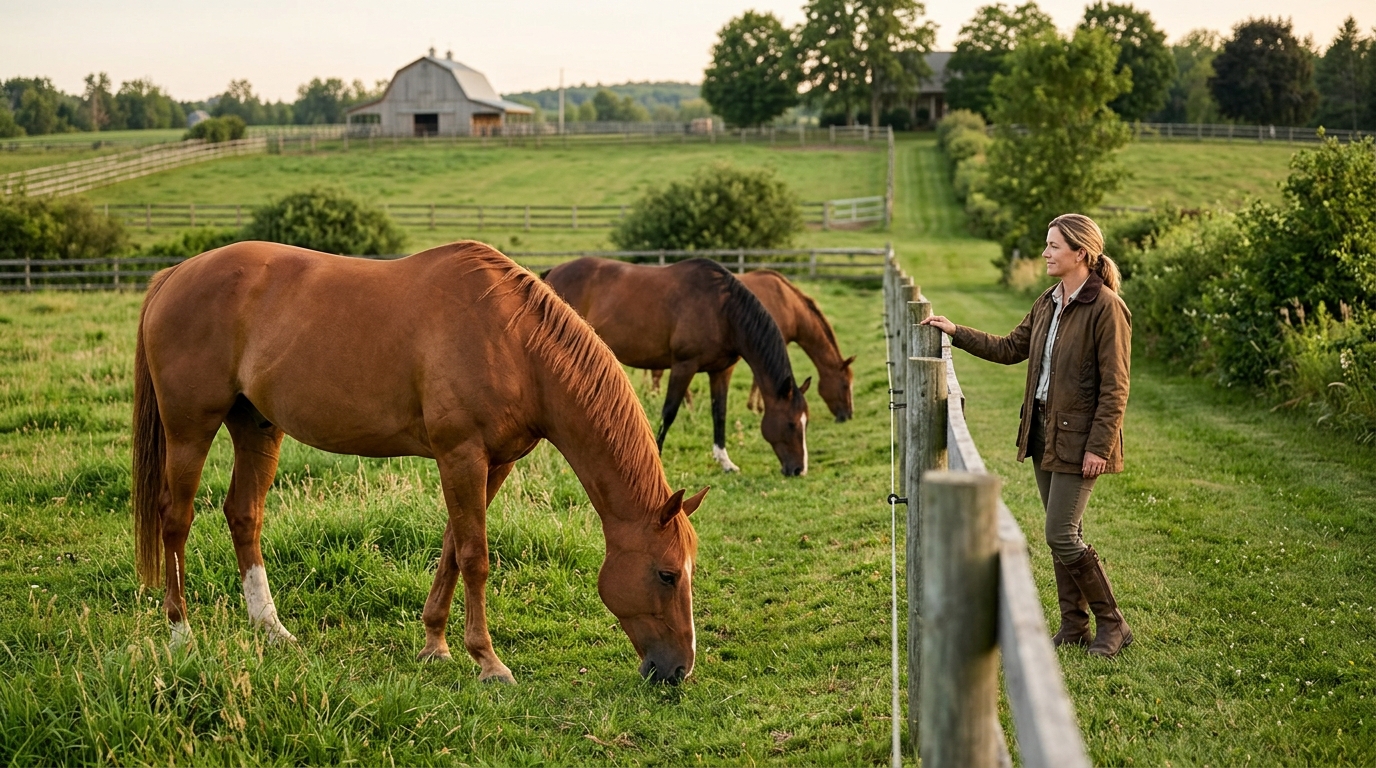
Effective pasture management is the foundation of equine health and farm sustainability. According to recent agricultural data, well-managed pastures can reduce feed costs by up to 40% while significantly improving soil health and biodiversity. This guide outlines the essential strategies for maintaining productive grazing land for your herd. (Horse Sport)
Understanding Soil Health and Testing
Soil health is the bedrock of any successful equine pasture. Without proper nutrient balance, grasses struggle to thrive, leading to bare patches and weed invasion. Regular soil testing is the first step in this process. It provides a clear picture of pH levels, nitrogen, phosphorus, and potassium content.Soil testing is the process of analyzing soil samples to determine nutrient levels and pH balance. This data allows you to apply the correct fertilizers and lime to optimize grass growth. Aim to test your soil every two to three years, or more frequently if you notice poor growth. (Contests 8211 Horse Sport)
Many farms in Ontario and across Canada rely on local agricultural extensions for accurate testing services. You can find detailed resources on farm management techniques specific to your region. Proper soil care ensures that your horses have access to high-quality forage year-round.
Implementing Strategic Grazing Rotations
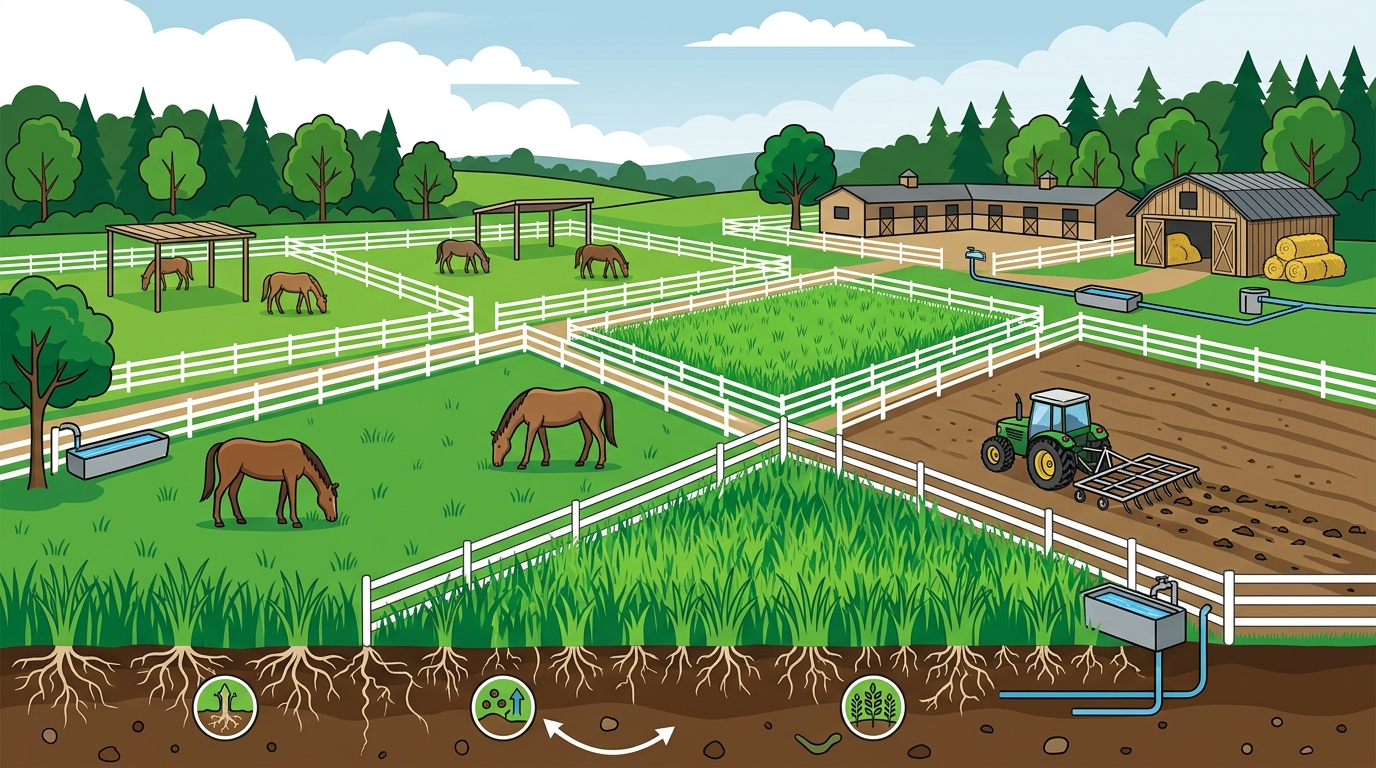
Continuous grazing is one of the most common mistakes horse owners make. When horses graze the same area indefinitely, they selectively eat the most palatable grasses, leaving behind less nutritious plants and weeds. This leads to overgrazing and soil erosion.
Rotational grazing involves dividing pastures into smaller paddocks and rotating horses through them. This method allows grasses to recover and regrow, maintaining root depth and vigor. A common practice is to move horses when grass height reaches about four to six inches.
According to equine nutrition studies, rotational grazing can improve pasture productivity by up to 30%. This method also helps break the life cycle of internal parasites, reducing the need for chemical dewormers. For more insights on nutrition and grazing, explore our dedicated articles.
Weed Control and Toxic Plant Management
Weeds not only compete with grasses for nutrients but can also pose serious health risks to horses. Some common pasture weeds, such as ragwort, foxglove, and water hemlock, are highly toxic and can be fatal if ingested.
Early detection and removal are key to effective weed control. Hand-pulling small infestations is often the safest and most effective method. For larger areas, targeted herbicide application may be necessary, but always follow local regulations and safety guidelines.
Identifying toxic plants is crucial for horse safety. EquiTermz provides a glossary of common equine terms, including plant names and their effects. Regular pasture walks allow you to spot and remove weeds before they spread. For more on equine welfare, visit our health resources.
Manure Management Strategies
Manure accumulation in pastures can lead to parasite buildup and nutrient imbalance. Horses tend to graze around their manure piles, creating "manure patches" where grass does not grow. This not only reduces available forage but also spreads parasites.
Regular manure removal is essential for pasture health. Dragging or harrowing pastures can help distribute manure evenly, allowing it to decompose and fertilize the soil. However, this should be done during dry weather to avoid soil compaction and damage to grass roots.
Composting manure is another effective strategy. It kills parasite eggs and weed seeds while producing a nutrient-rich soil amendment. For tips on farm management, check our latest articles on sustainable practices.
Aeration and Overseeding Techniques
Over time, pastures can become compacted, reducing water infiltration and root growth. Aeration involves creating small holes in the soil to allow air, water, and nutrients to penetrate. This process is especially beneficial in heavy clay soils.
Overseeding involves spreading grass seed over existing pastures to fill in bare patches and improve grass density. Choose grass varieties that are suitable for your climate and soil type. Cool-season grasses like fescue and ryegrass are popular in many regions.
Timing is critical for overseeding. Early fall is often the best time, as cooler temperatures and increased rainfall promote germination. For more on farm management, explore our seasonal guides.
Pasture Management Options Comparison
| Method | Benefits | Challenges | Best For |
|---|---|---|---|
| Rotational Grazing | Improves grass recovery, reduces parasites | Requires fencing and monitoring | Large herds, diverse pastures |
| Manure Dragging | Distributes nutrients, breaks parasite cycles | Can spread weeds if not timed correctly | Small to medium pastures |
| Soil Testing | Identifies nutrient deficiencies, optimizes growth | Cost and time for analysis | All pasture types |
| Overseeding | Fills bare patches, improves forage quality | Requires proper timing and watering | Degraded pastures |
Key Takeaways
- Regular soil testing is essential for maintaining nutrient balance and grass health.
- Rotational grazing reduces parasite load and improves pasture productivity by up to 30%.
- Identifying and removing toxic plants is critical for horse safety and welfare.
- Manure management prevents parasite buildup and nutrient imbalance in pastures.
- Aeration and overseeding help combat soil compaction and bare patches.
- Timing is crucial for overseeding, with early fall often being the optimal period.
- Consult local agricultural extensions for region-specific pasture management advice.
Frequently Asked Questions
How often should I test my pasture soil?
It is recommended to test your pasture soil every two to three years. More frequent testing may be necessary if you notice poor grass growth or if you are making significant changes to your management practices.
What is the best time to overseed a pasture?
Early fall is generally the best time to overseed pastures. The cooler temperatures and increased rainfall promote germination and establishment of new grasses.
How can I control weeds in my pasture?
Early detection and removal are key. Hand-pulling small infestations is effective, while larger areas may require targeted herbicide application. Always follow local regulations and safety guidelines.
Why is rotational grazing important for horses?
Rotational grazing allows grasses to recover and regrow, maintaining root depth and vigor. It also helps break the life cycle of internal parasites, reducing the need for chemical dewormers.
What are some common toxic plants in pastures?
Common toxic plants include ragwort, foxglove, and water hemlock. Identifying these plants and removing them promptly is crucial for horse safety.
How does manure management affect pasture health?
Manure accumulation can lead to parasite buildup and nutrient imbalance. Regular removal or distribution helps maintain pasture health and forage quality.
What is the purpose of aerating a pasture?
Aeration creates small holes in the soil to allow air, water, and nutrients to penetrate. This process is especially beneficial in heavy clay soils and helps combat compaction.
Contact Us
If you have further questions about pasture management or need professional advice, please contact us. Our team is dedicated to supporting the equestrian community with expert insights and resources.