
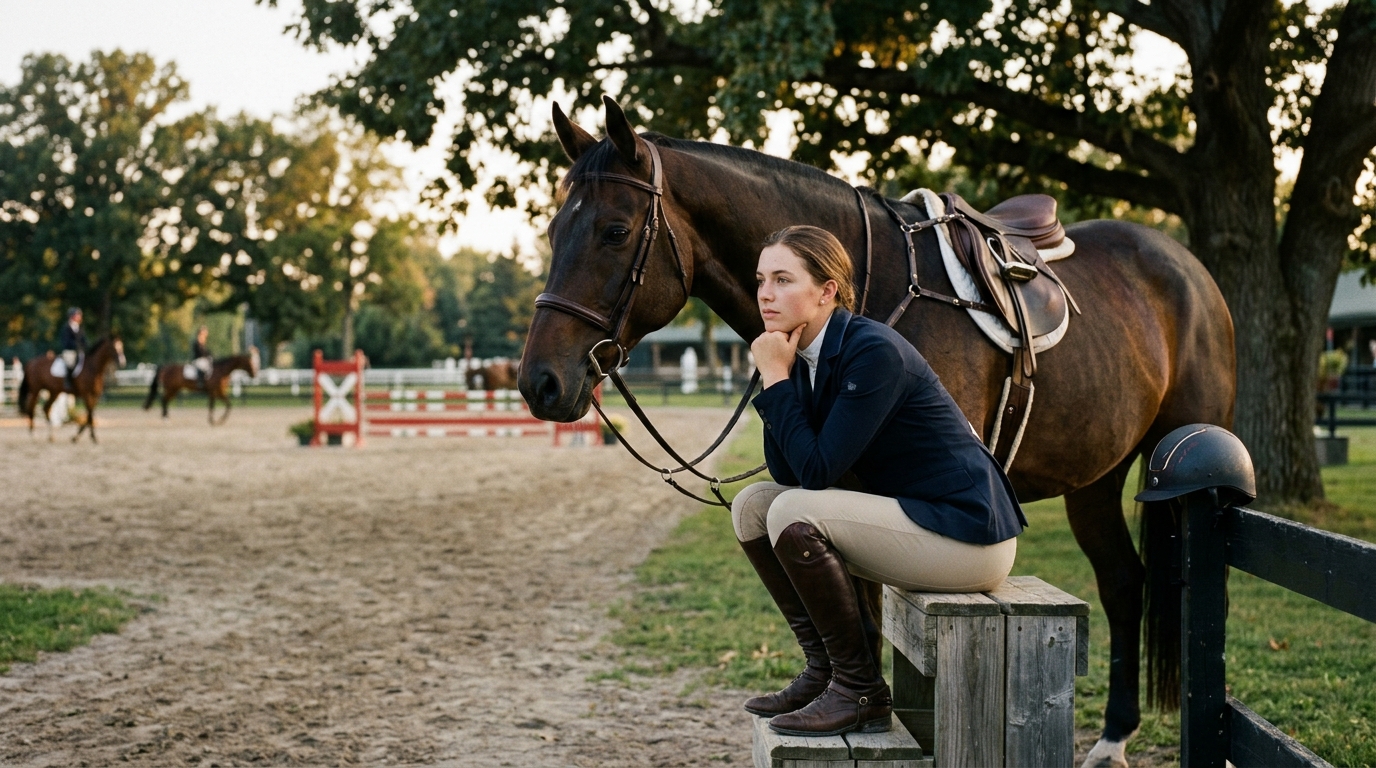
Modern equestrian competition is no longer decided solely by physical fitness or technical precision. Recent studies in equine behavior and rider psychology indicate that mental resilience is the primary differentiator between consistent winners and those who struggle with performance anxiety. A study from the University of Guelph found that subtle facial changes in horses before and after riding provide valuable insights into how they experience their work, highlighting the critical need for rider emotional regulation. When a rider's internal state is chaotic, the horse mirrors that instability, leading to a breakdown in communication and performance. This article explores the most common psychological pitfalls that derail progress and provides actionable strategies to cultivate the mental fortitude required for high-level competition. (Donate 8211 Horse Sport)
Overthinking the Ride
One of the most pervasive mistakes riders make is attempting to control every micro-movement of their horse through conscious thought. This cognitive overload creates a disconnect between the rider's intent and their physical execution. When you focus too heavily on the mechanics of your seat or the position of your hands, you lose the ability to feel the horse's movement. This is often referred to as "paralysis by analysis." The brain has limited processing capacity, and when it is occupied with technical details, it cannot process the real-time feedback from the horse's back. (Contests 8211 Horse Sport)
To overcome this, riders must shift from conscious competence to unconscious competence. This requires trusting your training and allowing your body to react instinctively. Trust is the bridge between intention and action. By simplifying your focus to one or two key cues per stride, you allow your horse to move freely and respond more accurately to your aids. This approach reduces tension in both the rider and the horse, creating a more harmonious partnership. (EquiTermz 8211 Horse Sport)
Ignoring Equine Facial Cues
Horses are prey animals that communicate extensively through subtle body language, including their facial expressions. Many riders fail to recognize these signals, interpreting them as disobedience rather than communication. A study from the University of Guelph found that subtle facial changes before and after riding may provide valuable insights into how horses experience their work. These changes can indicate stress, pain, or confusion, all of which must be addressed before expecting peak performance.
Learning to read these cues is essential for mental performance. When you notice tension in your horse's eyes or ears, you must pause and assess the situation. Is the horse confused by your aid? Is there physical discomfort? Empathy is the foundation of effective communication. By acknowledging and addressing these signals, you build trust and reduce the likelihood of behavioral issues. This proactive approach to horse welfare not only improves performance but also strengthens the bond between rider and horse.
Neglecting the Foundation of Calm
Mental performance is not just about what happens in the saddle. It is deeply connected to the overall well-being of the horse, which is influenced by their environment. Carefully managing your pastures' soil and plants from the ground up can ensure your horses keep grazing happily all summer long. A horse that is physically comfortable and mentally stimulated in its environment is more likely to be calm and focused during training.
Neglecting farm management can lead to physical discomfort, which manifests as mental distraction. For example, poor pasture quality can lead to nutritional deficiencies that affect behavior. Similarly, a chaotic stable environment can increase stress levels. By prioritizing the physical and mental health of your horse outside of training, you create a solid foundation for success. This holistic approach ensures that your horse is ready to perform when you mount up.
The Comparison Trap
In the age of social media, riders are constantly exposed to highlight reels of other competitors. This can lead to unrealistic expectations and a sense of inadequacy. Comparing your journey to someone else's progress is a major mental performance mistake. Every horse and rider pair is unique, with different strengths, weaknesses, and timelines for development.
Instead of focusing on others, concentrate on your own growth. Set realistic goals and celebrate small victories along the way. Progress is personal and non-linear. By maintaining a growth mindset, you can stay motivated and resilient in the face of setbacks. This perspective allows you to view challenges as opportunities for learning rather than failures.
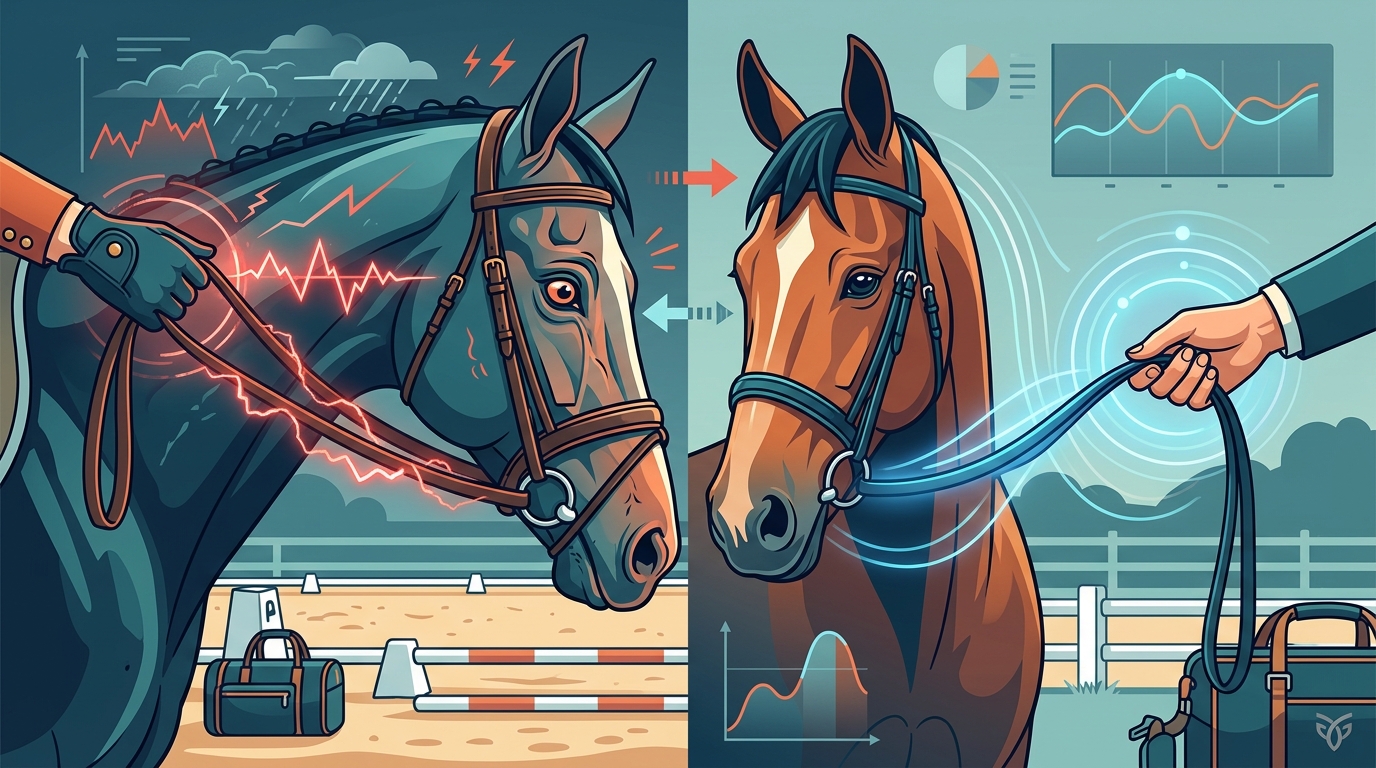
Recovery and Resilience
Mental performance also requires effective recovery strategies. Just as physical muscles need rest to grow, the mind needs downtime to process and consolidate learning. Many riders neglect the importance of rest, leading to burnout and decreased performance. Incorporating mindfulness practices, such as meditation or deep breathing exercises, can help reduce stress and improve focus.
Additionally, seeking support from coaches, psychologists, or fellow riders can provide valuable perspective and encouragement. Building a strong support network is essential for long-term success in equestrian sports. By prioritizing mental health and recovery, you can maintain peak performance over time.
Key Takeaways
- Reduce Cognitive Load: Simplify your focus to allow for instinctive reactions and better communication with your horse.
- Read Facial Cues: Utilize insights from University of Guelph studies to understand your horse's emotional state and adjust your approach accordingly.
- Prioritize Farm Management: Ensure your horse's physical comfort through proper pasture and stable management to support mental calmness.
- Avoid Comparison: Focus on your unique journey and set personal goals rather than comparing yourself to others.
- Embrace Recovery: Incorporate mindfulness and rest into your routine to prevent burnout and maintain long-term resilience.
- Build Support Networks: Connect with coaches and peers to gain perspective and encouragement during challenging times.
- Trust Your Training: Allow your body to react instinctively by trusting the skills you have developed over time.
Frequently Asked Questions
How can I stop overthinking during a ride?
Focus on one or two key cues at a time. Trust your training and allow your body to react instinctively rather than trying to control every movement.
Why is reading my horse's facial expressions important?
Horses communicate stress and confusion through subtle facial changes. Recognizing these signals allows you to address underlying issues before they affect performance.
What role does farm management play in mental performance?
A comfortable and stimulating environment reduces physical discomfort and stress, which are key factors in a horse's mental state and ability to focus.
How do I handle the pressure of social media in equestrian sports?
Focus on your personal progress and set realistic goals. Remember that social media often shows only the highlights, not the daily challenges and growth.
What are some effective recovery strategies for riders?
Incorporate mindfulness practices like meditation, ensure adequate rest, and seek support from coaches or mental health professionals to maintain resilience.
Can mental training improve my horse's behavior?
Yes, a calm and focused rider helps create a relaxed horse. By managing your own mental state, you positively influence your horse's behavior and performance.
Where can I find more resources on equestrian psychology?
Explore articles on rider psychology and behavior in our editorial section or connect with our community through Horse Sport for expert insights.
Start Your Mental Performance Journey
Achieving mental clarity and resilience is essential for success in equestrian sports. By addressing these common mistakes and implementing the strategies outlined above, you can unlock your full potential and build a stronger partnership with your horse. For more in-depth resources on training, behavior, and the latest news in the equestrian world, visit Horse Sport. Connect with our team to stay informed and inspired on your path to excellence.