
Step-by-Step Guide to Rotational Pasture Management for Horse Farms
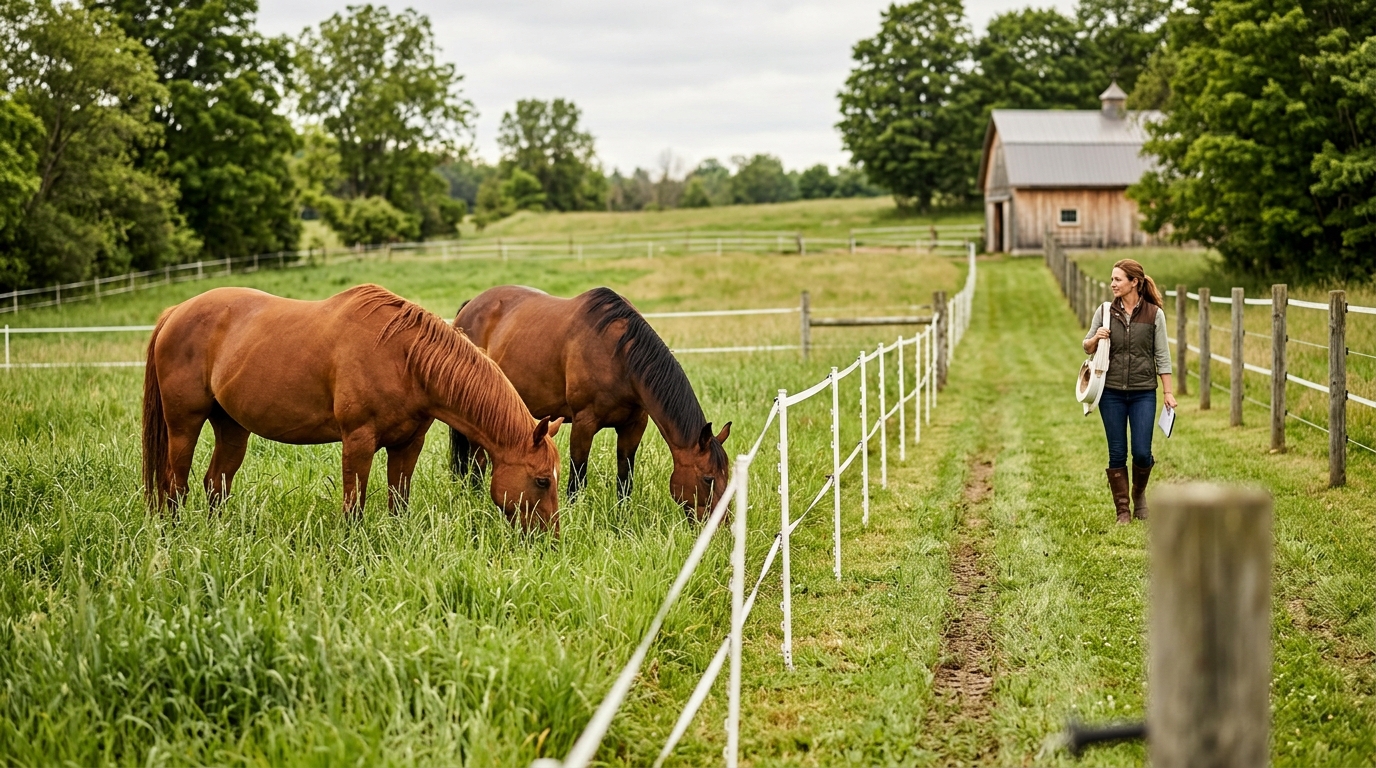
Effective pasture management is the cornerstone of sustainable equine care and farm profitability. According to recent agricultural data, rotational grazing can reduce parasite loads by up to 80% while simultaneously increasing forage yield by 30% compared to continuous grazing methods. This guide provides a comprehensive framework for implementing rotational systems that protect your horses' health and preserve your land's long-term viability.
Understanding the Basics of Rotational Grazing
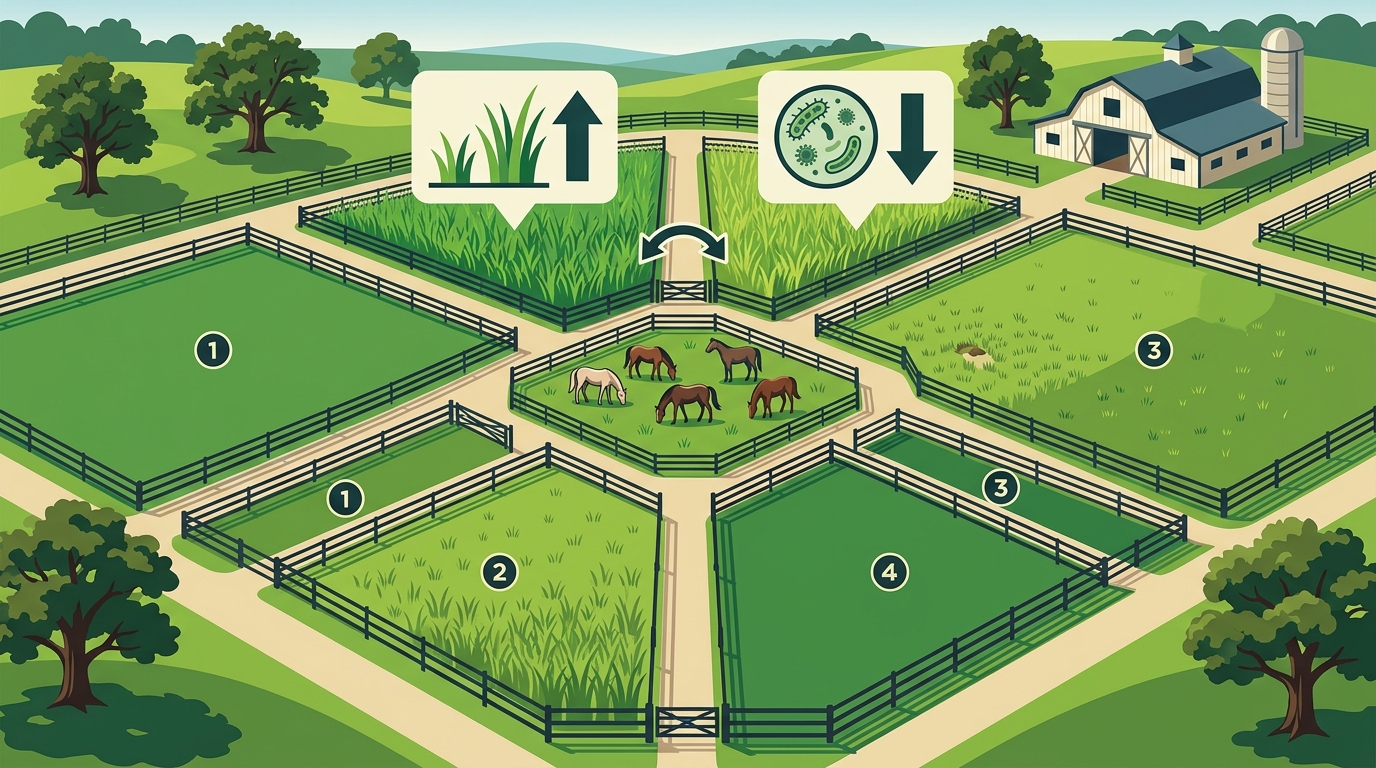
Rotational grazing is a systematic approach to managing livestock on pastureland. Rotational grazing is the practice of dividing pastureland into smaller paddocks and moving livestock between them to allow forage recovery. This method prevents overgrazing and promotes healthier plant growth.
Unlike continuous grazing, where horses have unrestricted access to the same area, rotational systems force horses to eat a variety of forage types. This diversity improves nutritional intake and reduces the risk of laminitis associated with lush, high-sugar grasses.
For Canadian horse owners, understanding the seasonal growth patterns is critical. The science of pasture management relies on allowing plants to reach specific growth stages before grazing and recovering fully before being grazed again. This cycle ensures that root systems remain strong and resilient.
Planning Your Paddock Layout
The foundation of any successful rotational system is the physical layout of your paddocks. You must calculate the appropriate size based on your herd size and forage availability.
Calculating Paddock Size
A general rule of thumb is to allocate one acre of pasture for every horse. However, this varies significantly based on soil quality and climate. In regions with shorter growing seasons, you may need more land or supplemental feeding strategies.
Consider using the Canadian Stable Directory to benchmark your farm against regional standards. This resource helps you understand local infrastructure and service availability, which can influence your land management decisions.
Infrastructure Requirements
Effective fencing is non-negotiable. Electric fencing is often the most cost-effective and flexible option for temporary paddocks. Ensure that your fencing materials are safe for horses and durable enough to withstand the elements.
Water access must be available in every paddock. Portable water tanks or automated watering systems can simplify maintenance and ensure consistent hydration for your herd.
Monitoring Forage Growth and Quality
Successful rotation depends on your ability to read the pasture. You must monitor forage height, density, and species composition regularly.
Forage Height Guidelines
Most cool-season grasses should be grazed when they reach 8 to 12 inches in height. They should not be grazed below 3 to 4 inches, as this damages the root crown and slows regrowth. This threshold is critical for maintaining long-term pasture productivity.
According to agricultural extension reports, allowing forage to recover for 21 to 28 days during the peak growing season is often sufficient. In hotter, drier months, recovery times may extend to 40 days or more.
Species Diversity
Aim for a diverse mix of grasses and legumes. Legumes like clover provide high protein and energy but can cause bloat if not managed correctly. Grasses like timothy and orchardgrass offer structural bulk and steady energy release.
For insights on equine nutrition and feed quality, explore resources on Horse Sport which cover the latest in equine health and management.
Managing Parasites and Health
One of the primary benefits of rotational grazing is parasite control. By breaking the life cycle of internal parasites, you reduce the need for chemical dewormers.
Breaking the Parasite Cycle
Most internal parasites require a host to complete their life cycle. By moving horses off a paddock before the larvae mature, you starve the parasite population. This natural control method is supported by veterinary data showing reduced fecal egg counts in rotated herds.
According to veterinary studies, rotating pastures with non-equine livestock like goats or sheep can further reduce parasite loads. These animals eat different parasite species, effectively cleaning the pasture for your horses.
Manure Management
Regular manure removal is essential. Dragging or harrowing pastures can spread parasite eggs and larvae, potentially increasing infestation risks. Instead, collect manure from high-traffic areas and compost it thoroughly to kill parasite eggs through heat.
For more information on equine welfare and health protocols, visit the Horse Sport articles section dedicated to equine health.
Maintaining Soil Fertility
Healthy soil produces healthy forage. Regular soil testing is the best way to determine nutrient needs and pH levels.
Soil Testing Protocols
Test your soil at least once a year, ideally in the fall. This timing allows you to apply amendments before the growing season begins. Look for levels of nitrogen, phosphorus, and potassium, as well as pH balance.
Most forage crops thrive in a pH range of 6.0 to 7.0. If your soil is too acidic, apply lime to raise the pH. This simple adjustment can significantly improve nutrient uptake by plants.
Fertilization Strategies
Organic fertilizers like composted manure are excellent for building soil structure and providing slow-release nutrients. Avoid excessive nitrogen application, which can lead to lush, high-sugar growth that is risky for horses prone to laminitis.
For detailed guidance on farm management practices, refer to the Horse Sport farm management resources.
Addressing Common Challenges
Even with careful planning, challenges arise. Here are some common issues and their solutions.
Weed Control
Weeds compete with forage for nutrients and water. Identify weed species and use targeted control methods. Some weeds are toxic to horses, making their removal a health priority.
Drought Management
In dry conditions, forage growth slows dramatically. You may need to reduce herd size or bring horses into confinement to prevent pasture degradation. Supplemental feeding becomes critical during these periods.
Overgrazing Recovery
If overgrazing occurs, reduce stocking density and allow extended recovery periods. Overseeding with hardy grass varieties can help restore the pasture faster.
Comparison of Grazing Systems
| System | Pros | Cons | Best For |
|---|---|---|---|
| Continuous Grazing | Low infrastructure cost | High parasite risk, poor forage quality | Large land holdings |
| Rotational Grazing | Parasite control, high forage yield | Higher infrastructure cost, labor intensive | Most horse farms |
| Strip Grazing | Maximum forage utilization | Requires daily movement, complex fencing | Intensive management |
Key Takeaways
- Rotational grazing reduces parasite loads by up to 80% according to agricultural data.
- Allocate one acre per horse as a baseline for paddock sizing.
- Allow forage to recover for 21 to 28 days during peak growth.
- Test soil annually to maintain optimal pH and nutrient levels.
- Remove manure regularly to break parasite life cycles.
- Use electric fencing for flexible and cost-effective paddock division.
- Monitor forage height to prevent overgrazing and root damage.
Frequently Asked Questions
How many paddocks do I need for rotational grazing?
You typically need at least four to six paddocks to allow for adequate forage recovery time. This number ensures that each paddock has enough time to regrow before the horses return.
Can I rotate horses in the winter?
Winter grazing is possible in milder climates but requires careful management. In colder regions, it is often better to bring horses into confinement and feed them harvested forage to protect the pasture soil.
How do I prevent laminitis in rotational grazing?
Limit grazing time during periods of rapid growth, such as spring. Use a grazing muzzle if necessary, and ensure horses have access to dry lot areas where they can eat hay instead of lush grass.
What is the best time to overseed a pasture?
Overseeding is best done in early fall or late summer. This timing allows seeds to establish roots before winter and provides a strong start for the next growing season.
How often should I test my soil?
Test your soil at least once a year. Annual testing helps you stay ahead of nutrient deficiencies and pH imbalances that can affect forage quality.
Can I use goats to help with parasite control?
Yes, goats are effective at reducing parasite loads because they consume different parasite species than horses. However, they must be managed carefully to avoid overgrazing.
What is the ideal forage height for grazing?
Most cool-season grasses should be grazed when they reach 8 to 12 inches and not below 3 to 4 inches. This range protects the plant's root system and ensures healthy regrowth.
Start Your Rotational Grazing Journey
Implementing rotational pasture management is an investment in the health of your horses and the sustainability of your farm. By following these steps and monitoring your land closely, you can create a thriving environment for your equine partners.
For more expert advice on horse care, training, and farm management, visit Horse Sport. Connect with our community and stay informed on the latest developments in equestrian sports and welfare.